
 Anjar Salim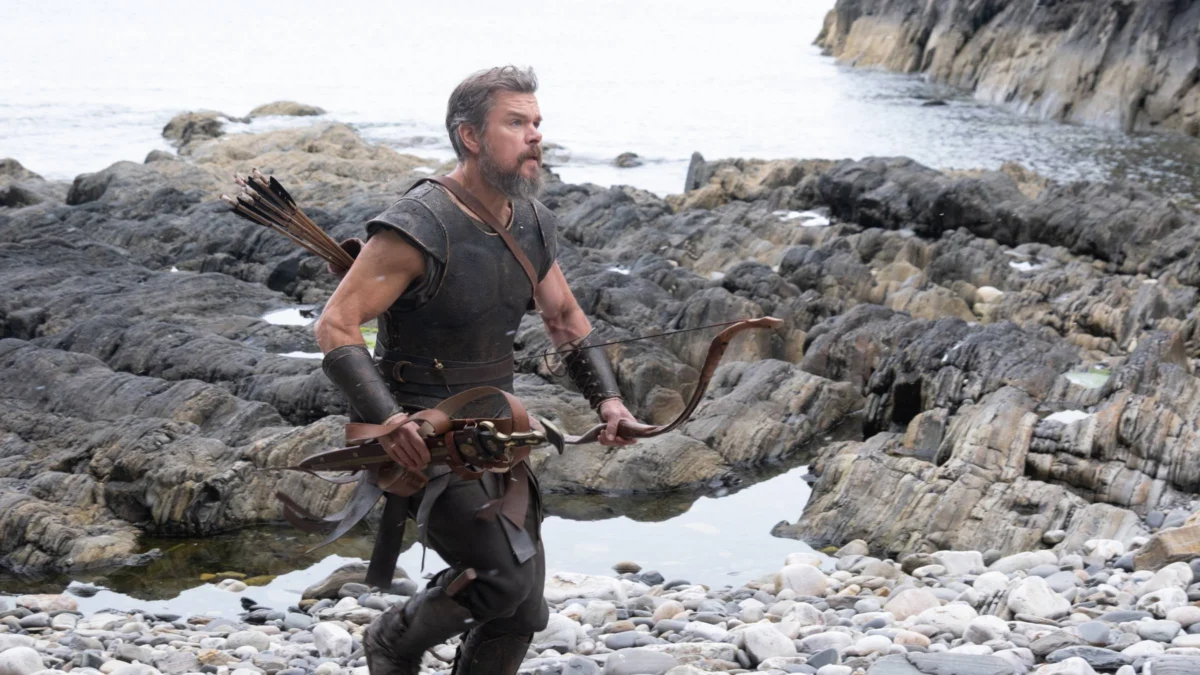
The global cinematic landscape witnessed a monumental shift on July 17, 2026, as Academy Award-winning director Christopher Nolan released his latest feature, The Odyssey. Representing a $250-million-budget adaptation of Homer’s 2,800-year-old epic poem, the film marks a significant milestone in contemporary filmmaking as the first feature-length production to be shot entirely on IMAX cameras. Starring Matt Damon as the titular King Odysseus, the film chronicles the harrowing ten-year journey of a hero battling mythological monsters, vengeful gods, and the unpredictable elements of the Mediterranean and North Atlantic seas. The production, which eschewed traditional soundstages in favor of a 91-day location-based shoot across six countries, signals Nolan’s most ambitious attempt to date to "root fanciful ideas in reality."
The Vision of a Modern Epic: Practicality Over Pixels
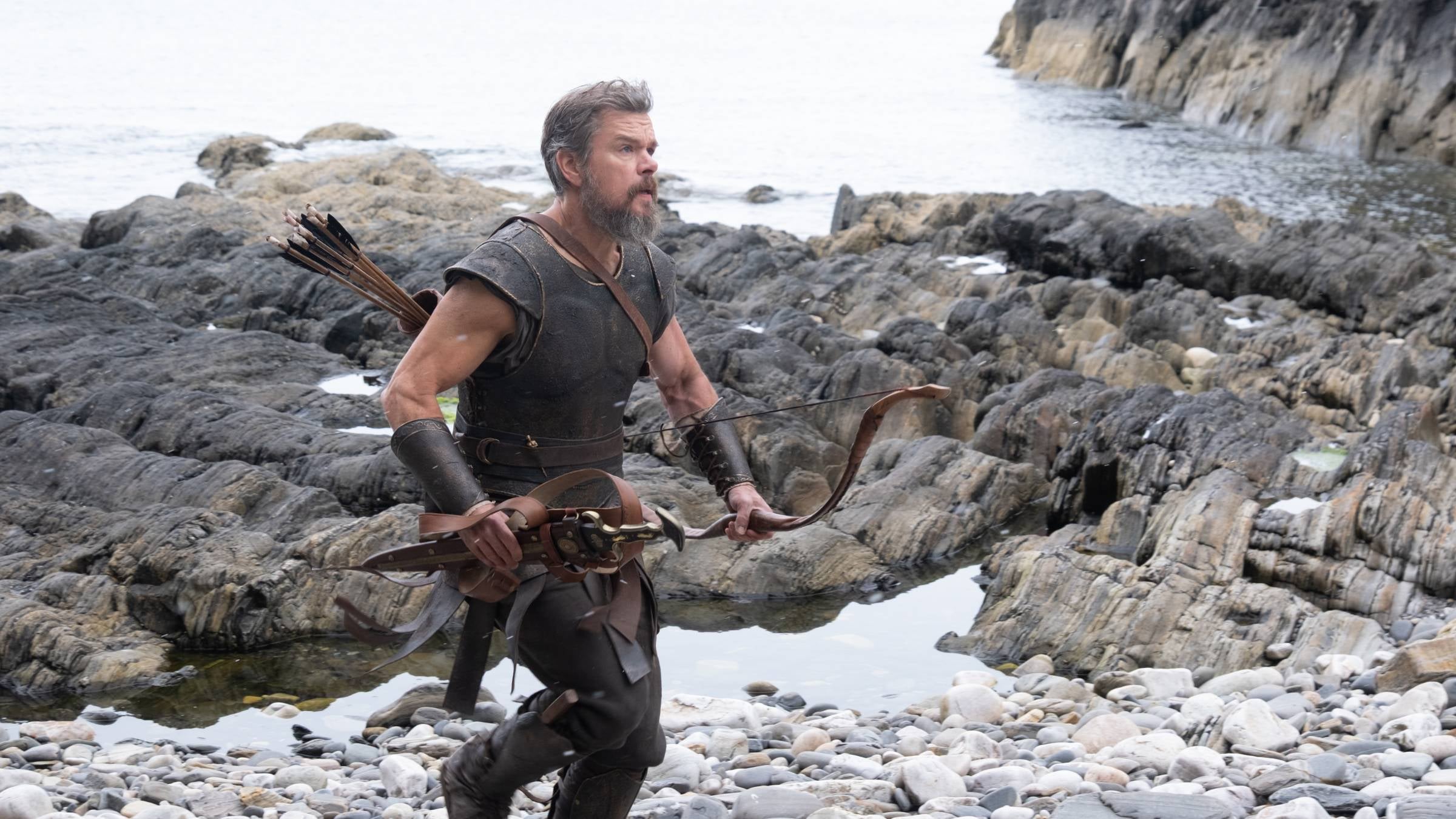
Christopher Nolan has long been a vocal proponent of practical filmmaking, a philosophy that defined his previous blockbusters such as The Dark Knight trilogy, Inception, Interstellar, and the Oscar-winning Oppenheimer. However, The Odyssey presents a unique challenge: translating the supernatural elements of Greek mythology—the Cyclops, the Sirens, and the descent into Hades—into a tangible, physical world without heavy reliance on computer-generated imagery (CGI).
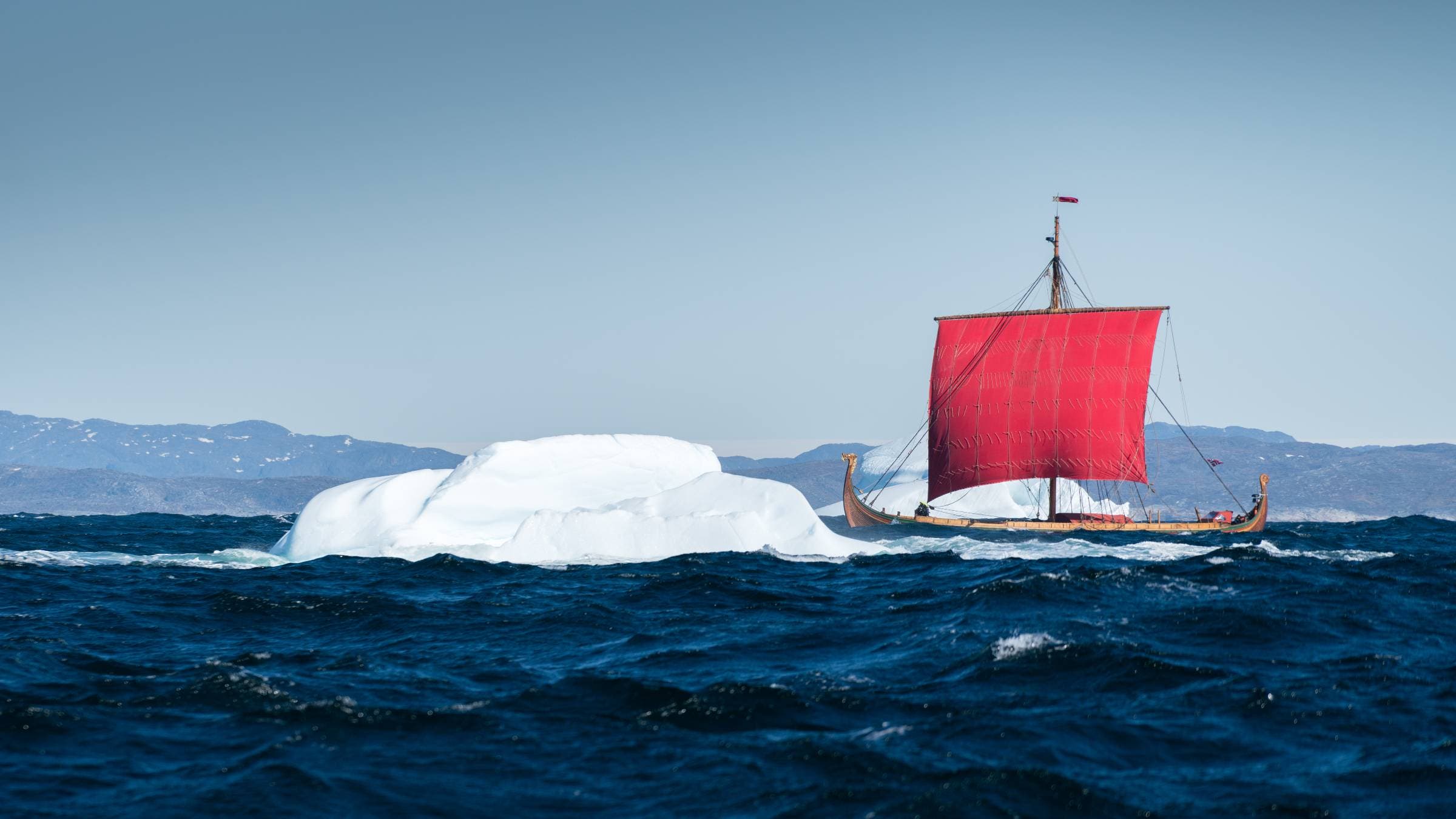
According to production notes shared with industry analysts, Nolan’s commitment to "tactile realism" involved constructing a 60-foot animatronic Cyclops for the sequence in Polyphemus’s cave and utilizing a genuine, ocean-going Viking expedition ship for all maritime scenes. This approach not only enhances the visual fidelity of the film but also imposes a rigorous physical demand on the cast and crew. Matt Damon, portraying Odysseus, described the production as more of an "expedition" than a standard film shoot, noting that the environmental stressors of the locations provided an organic intensity that cannot be replicated on a green-screen set.
A Chronology of Production: Mapping the Ten-Year Journey
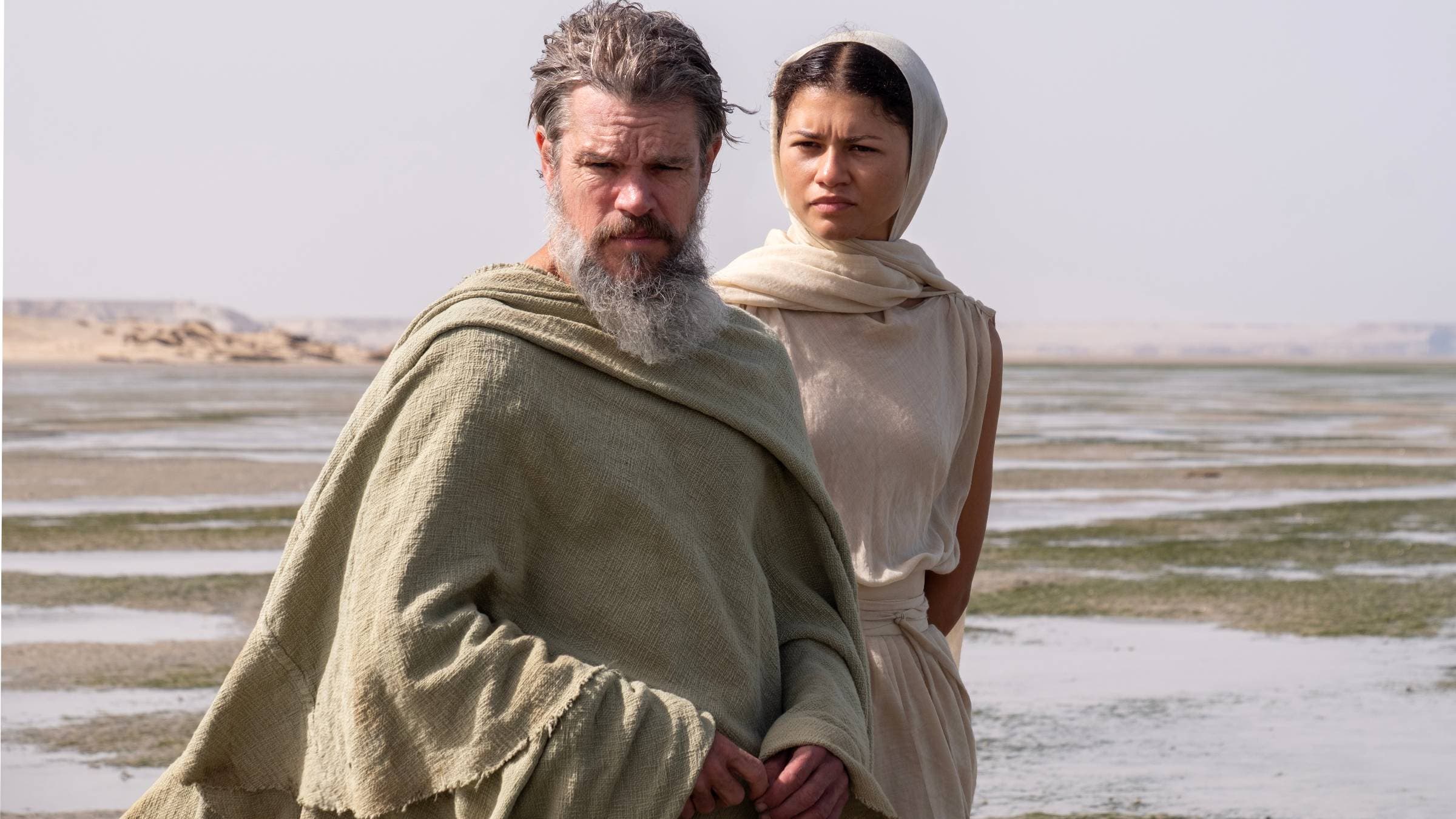
The production of The Odyssey followed a grueling schedule that mirrored the geographic diversity of Odysseus’s journey. Principal photography began in February 2025 in Morocco, where the production team recreated the ancient city of Troy.
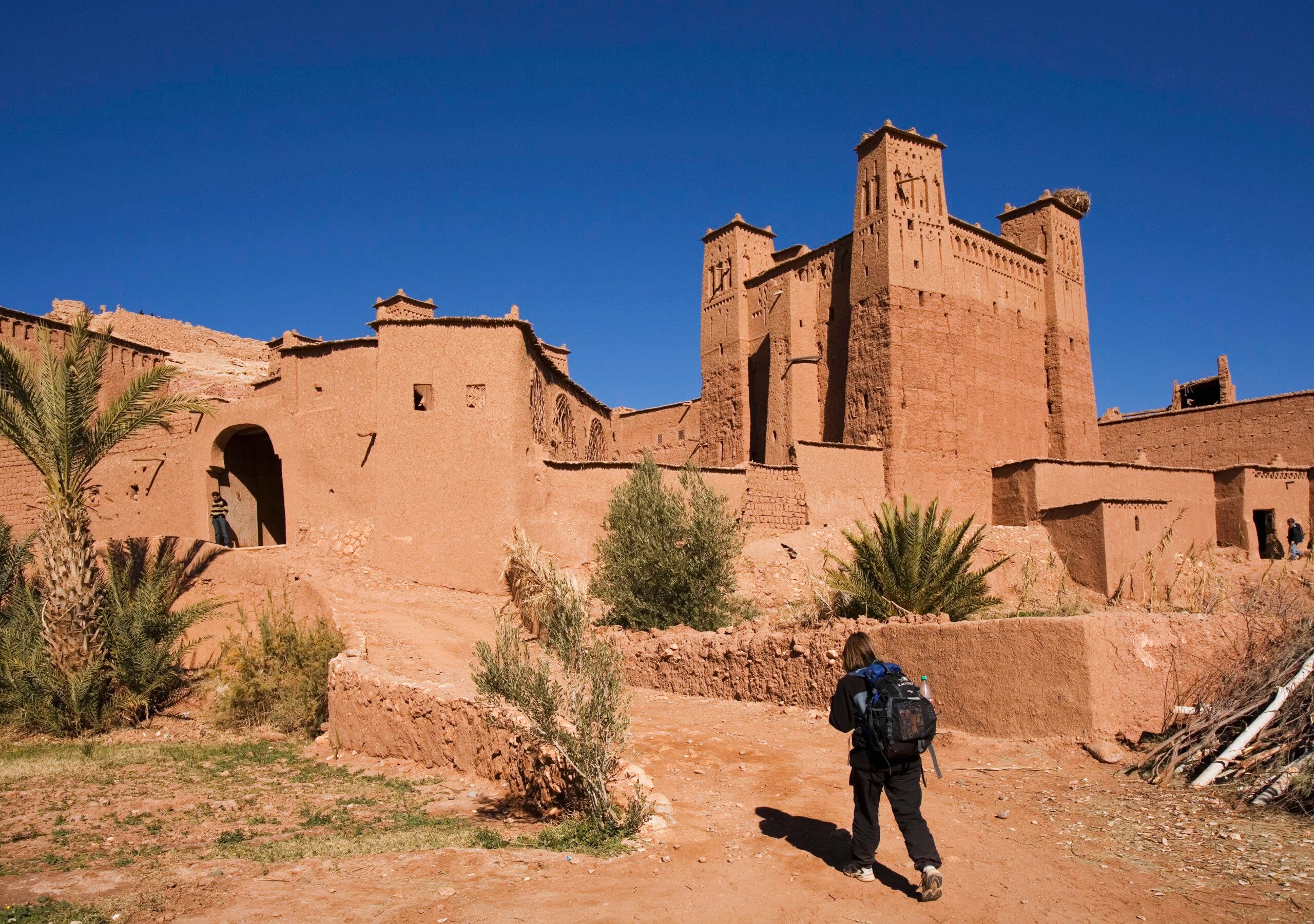
- February – March 2025 (Morocco): Filming commenced at the UNESCO World Heritage site of Aït Benhaddou. Production designer Nathan Crowley utilized the existing earthen clay architecture to build a 360-degree representation of Troy. Additional coastal scenes were filmed in Essaouira and Dakhla, where the discovery of the Trojan Horse was staged against the backdrop of the Atlantic coast.
- April – May 2025 (Greece and Italy): The production moved to the Mediterranean to capture the core of the Greek islands. Significant sequences were filmed in the Peloponnese region, specifically at Nestor’s Cave near Pylos. In Italy, the crew spent three weeks on the island of Favignana and the Aeolian Islands, filming the scenes representing Ithaca and the island of Aeolia.
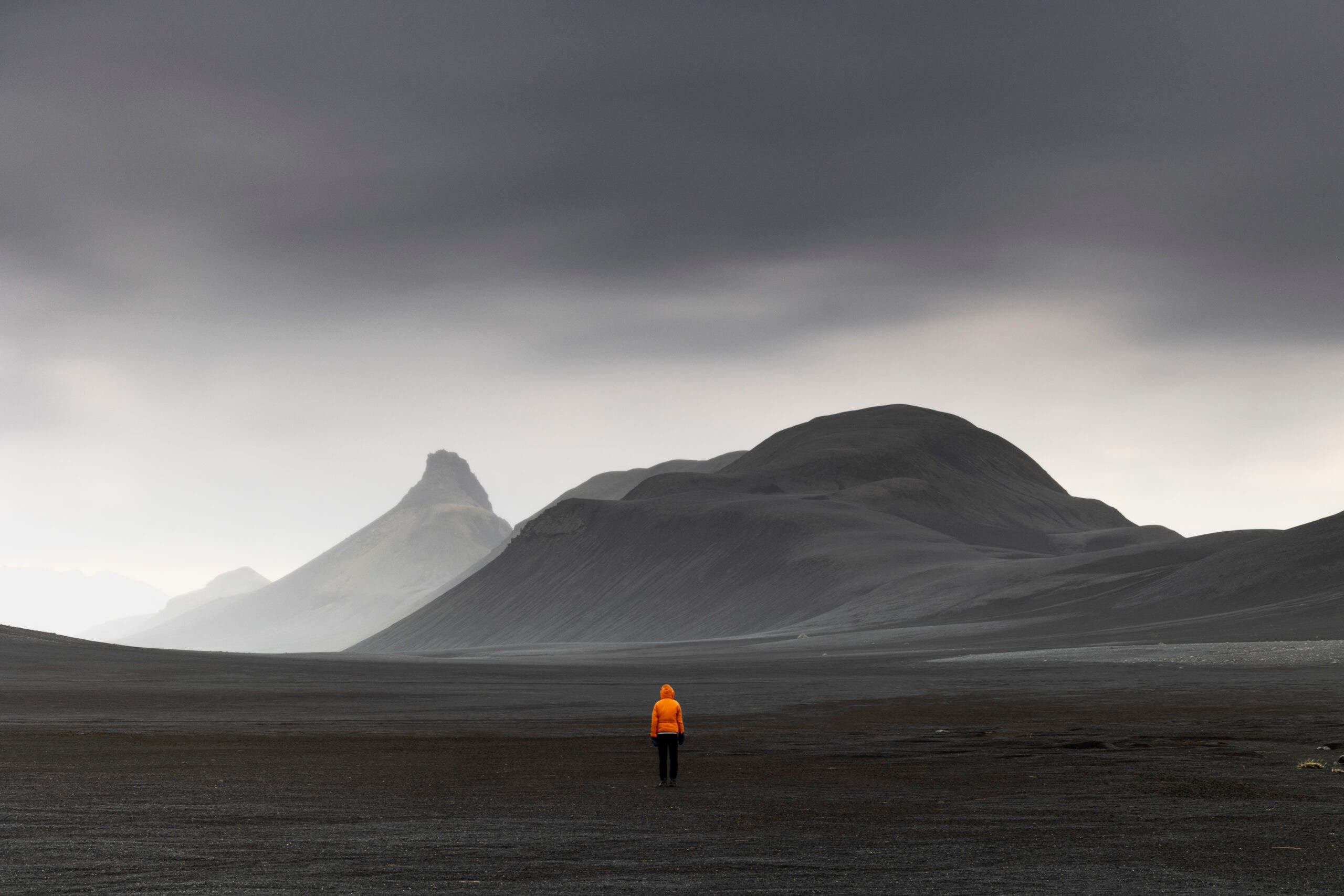
- June 2025 (Iceland): To depict the Underworld (Hades), Nolan chose the stark, volcanic landscapes of Iceland. Filming during the summer solstice allowed the production to utilize the 24-hour "midnight sun," creating an eerie, perpetual twilight that Nolan felt captured the mystical nature of the land of the dead.
- July – August 2025 (Scotland): The final leg of the shoot took place along Scotland’s Moray Firth coast. The rugged highlands and ancient pine forests of Culbin served as the backdrop for the encounters with the Laestrygonian giants.
Technical Specifications and the IMAX Revolution
The decision to shoot The Odyssey entirely on IMAX 15/70mm film cameras is a technical feat that has historically been avoided due to the weight and noise of the equipment. For Nolan, the format was essential to capture the scale of the landscapes. The 1.43:1 aspect ratio provides a verticality that emphasizes the height of the Scottish cliffs and the vastness of the Icelandic black sand beaches.
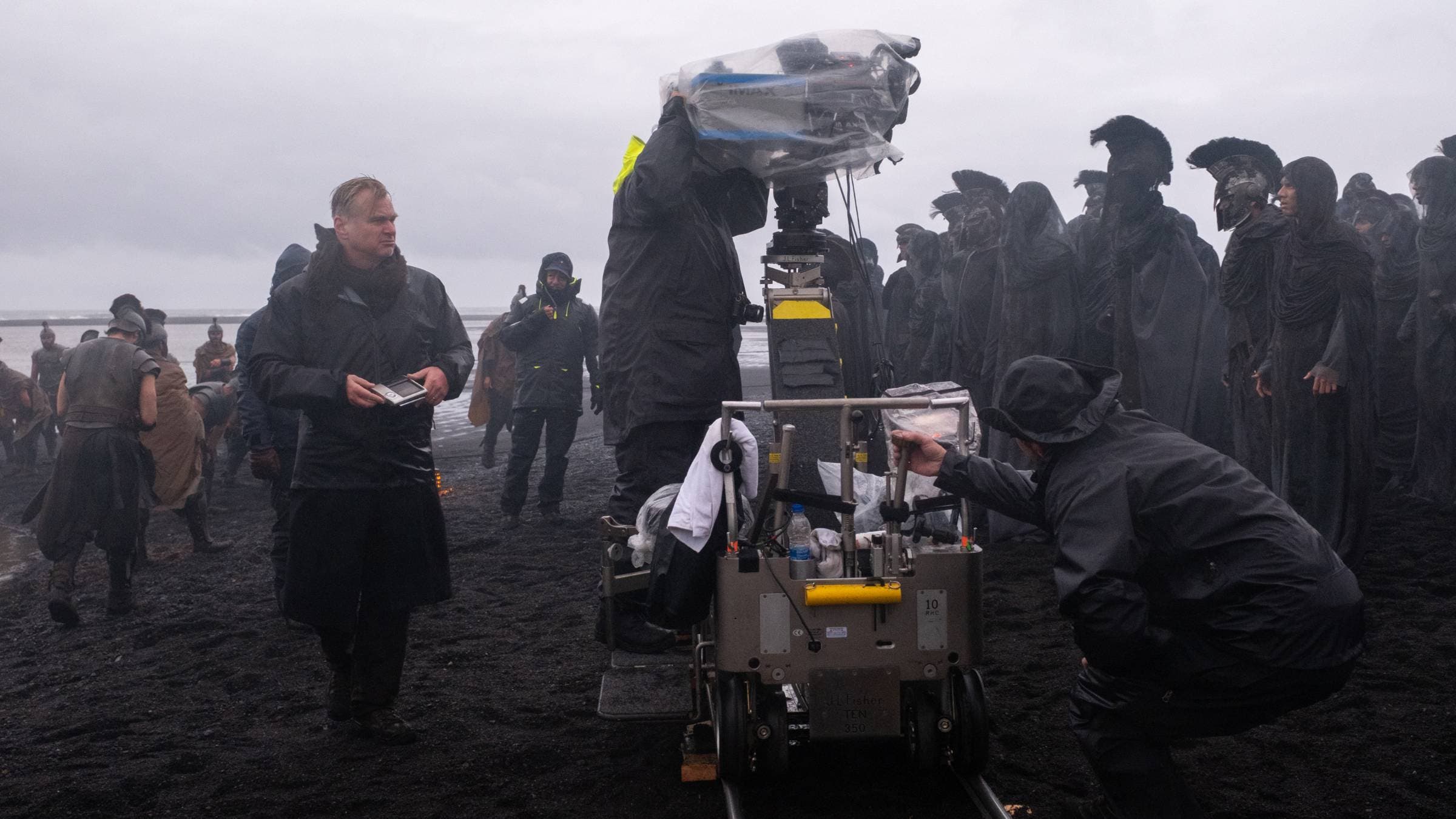
The $250 million budget was strategically allocated to logistics and engineering rather than digital post-production. A significant portion of the funding supported the operation of the Draken Harald Hårfagre, a Norwegian Viking longship. Measuring 115 feet in length with a 26-foot beam, the Draken is the largest modern reconstruction of a Viking ship. Emanuel Persson, CEO of the ship’s expedition team, noted that the vessel was operated under real-world sea conditions, allowing the cameras to capture the authentic physics of a wooden hull navigating open-water swells.
The Global Cast: A Modern Pantheon
The ensemble cast reflects the high-stakes nature of the production, featuring a blend of veteran Oscar winners and rising global stars.
- Matt Damon (Odysseus): Tasked with portraying the intellectual and physical evolution of a king lost at sea for a decade.
- Zendaya (Athena): Playing the Goddess of Wisdom, Zendaya serves as the film’s ethereal guide, often appearing in the "midnight sun" sequences of Iceland.
- Anne Hathaway and Lupita Nyong’o: Hathaway portrays Penelope, the stoic queen waiting in Ithaca, while Nyong’o takes on the role of the enchantress Circe.
- Tom Holland and Robert Pattinson: Holland appears as Telemachus, the son of Odysseus, while Pattinson portrays the god Hermes.
- Charlize Theron: Theron plays Calypso, the nymph who detains Odysseus on the island of Ogygia.
Industry insiders suggest that the chemistry between the cast was forged through the shared hardships of the shoot. In Iceland, the crew faced unpredictable summer storms, while in Sicily, the cast was required to hike daily to the 15th-century Castello di Santa Caterina, which sits 1,030 feet above sea level and lacks road access.
Strategic Economic Impact and "Set-Jetting" Trends
The filming of The Odyssey has already begun to generate a "Nolan Effect" on the tourism economies of its filming locations. Nastasia Sasi Czechowska, operations manager at Truenorth—the production company that facilitated the Iceland shoot—emphasized that Nolan’s preference for remote vistas brings global attention to regions that are often overlooked by major studios.

Market analysts predict a surge in "set-jetting," a travel trend where viewers visit the real-world locations of their favorite films. In response, luxury and adventure travel operators have launched "Odyssey-inspired" itineraries for 2026 and 2027:
- Greek Archaeological Tours: New Scientist Discovery Tours and Terra & Tu have introduced 10-day expeditions focusing on the Mycenaean history of the Peloponnese.
- Icelandic Highlands: Explora and Rebel Roads are offering 4×4 "SuperJeep" tours into the remote lava fields and caves used to represent Hades.
- Sicilian Volcanic Hiking: Wilderness Travel has debuted a "Volcano Trails" tour through the Aeolian Islands, allowing travelers to summit Mt. Etna and explore the islands of Lipari and Vulcano.
Industry Analysis: A Return to the Historical Epic
The release of The Odyssey comes at a pivotal moment for Hollywood. Following a decade dominated by superhero franchises and digital "volume" sets (LED screen backgrounds), Nolan’s film represents a pivot back to the "Golden Age" of the historical epic, reminiscent of Ben-Hur or Lawrence of Arabia.
Film historians note that by choosing The Odyssey, Nolan is engaging with a text that has shaped Western storytelling for nearly three millennia. The decision to ground the myth in actual geography—using Morocco for Troy and Sicily for Ithaca—reclaims the story from the realm of pure fantasy and places it within the context of human history and exploration.
Furthermore, the film’s success is expected to influence how studios approach big-budget projects. If The Odyssey performs as projected at the box office, it may validate the financial viability of high-budget practical filmmaking over the current trend of digital saturation. The use of the Draken Harald Hårfagre and the 60-foot animatronic Cyclops demonstrates that physical effects, when executed with modern engineering, can offer a level of immersion that CGI often struggles to maintain.
Conclusion: The Timelessness of the Journey
As The Odyssey begins its theatrical run, the conversation surrounding the film has moved beyond its technical achievements to its thematic resonance. The story of a man struggling to return home through a world of chaos remains a universal narrative. By filming in the rugged, wind-swept corners of the earth, Nolan has created a visual language that reflects the internal struggle of the protagonist.
From the 95-foot vaulted ceilings of Nestor’s Cave in Greece to the black sands of Iceland, The Odyssey serves as both a cinematic achievement and a testament to the enduring power of practical craft. As the director himself stated in the production notes, the goal was not just to tell a story, but to conduct an expedition into the heart of the world’s greatest adventure. For audiences in 2026, the result is a visceral, immersive experience that bridges the gap between ancient myth and modern reality.




 Chandra Hamzah
 Tatiana Tantri Indah Sari
 Budi Mulyono
 Lukman Taruna Persada Ramadan