
 Anjar Salim
The pelvic floor is a complex and vital muscle group that functions continuously throughout the day, yet it remains one of the most misunderstood and overlooked components of human anatomy. For many individuals, awareness of these muscles only arises when dysfunction occurs, leading to symptoms that can significantly impair quality of life. According to Sara Reardon, a pelvic floor physical therapist known professionally as the Vagina Whisperer, the pelvic floor is essential for a wide range of bodily functions, yet it rarely receives the proactive attention afforded to other muscle groups like the core or the glutes. This neglect is often rooted in a lack of education and a persistent misconception that pelvic health is an issue exclusive to women.
Alex Hill, a board-certified pelvic health and oncology physical therapist and spokesperson for the American Physical Therapy Association (APTA), emphasizes that the pelvic floor is a universal anatomical feature. Regardless of sex or gender, every human possesses these muscles, and they perform nearly identical roles in supporting internal organs and regulating bodily exits. Hill notes that approximately half of her patient load consists of men, a statistic that challenges the prevailing narrative that pelvic floor dysfunction is solely a postpartum or female-specific concern. In reality, issues such as incontinence, pelvic pain, and sexual dysfunction affect a broad demographic, often remaining under-reported due to the social stigma surrounding these conditions.
The Anatomy and Function of the Pelvic Floor
To understand the importance of pelvic health, one must first understand the anatomy of the pelvic floor. It is a bowl-shaped diaphragm of muscles and connective tissues that spans the area from the pubic bone at the front to the tailbone at the back. These muscles act as a support system for the pelvic organs. In women, the pelvic floor supports the bladder, rectum, ovaries, and uterus. In men, it supports the bladder, rectum, and prostate.
Functionally, the pelvic floor serves four primary roles: support, sphincteric, sexual, and stability. In its supportive role, it holds the pelvic organs in their proper positions against the force of gravity and intra-abdominal pressure. Its sphincteric function allows for the voluntary control of the bladder and bowels, ensuring that openings for urine and feces remain closed until it is appropriate to relax them. Sexually, these muscles contribute to blood flow and sensation. Finally, the pelvic floor is a critical component of the "inner core," working in tandem with the diaphragm, multifidus, and transverse abdominis to stabilize the spine and pelvis during movement.
In female bodies, the pelvic floor features three openings: the urethra, the vagina, and the anus. In male bodies, there are two openings: the urethra and the anus. Despite these structural differences, the mechanical requirements of these muscles remain the same across the human spectrum.
The Prevalence of Dysfunction and the Stigma of Silence
Pelvic floor dysfunction is significantly more common than public discourse would suggest. Research indicates that more than 50 percent of women will experience some form of pelvic floor issue during their lifetime. Reardon suggests that even this high figure may be an under-estimation, as many women accept symptoms like "leaking when sneezing" as a normal part of aging or motherhood. For men, the data suggests that approximately 16 percent suffer from pelvic floor dysfunction, though this group is often the least likely to seek medical intervention due to a lack of awareness that their symptoms—such as erectile dysfunction or pelvic pain—could be muscular in nature.
A major barrier to treatment is the long-held belief that pelvic floor issues are always caused by weakness and that the only solution is the "Kegel" exercise. However, pelvic health specialists are increasingly identifying "hypertonic" pelvic floors—muscles that are too tight or held in a state of constant contraction. This tension prevents the muscles from functioning through their full range of motion. For many men, tension is actually a more frequent cause of dysfunction than weakness. When muscles cannot relax, they cannot effectively contract when needed, leading to a paradoxical situation where a "tight" muscle behaves like a "weak" one.
A Chronology of Risk Factors: From Athletics to Aging
The health of the pelvic floor is influenced by a variety of lifestyle factors and life stages. Understanding the timeline of these influences can help individuals identify when they might be at higher risk for developing dysfunction.
High-Impact Athletics and Modern Fitness
In young adulthood and middle age, high-intensity exercise is a leading contributor to pelvic floor strain. Activities such as distance running, cross-fit, and sports involving jumping (like volleyball or basketball) place repetitive downward pressure on the pelvic floor. Reardon compares the pelvic floor to a trampoline; while it is designed to bounce and absorb force, constant high-impact pressure without proper compensatory training can lead to a loss of elasticity and strength over time.
Resistance Training and Intra-abdominal Pressure
Heavy weightlifting, while beneficial for overall health, can be detrimental to the pelvic floor if performed with poor mechanics. Many lifters inadvertently "bear down" on their pelvic floor when attempting a heavy squat or deadlift. This increase in intra-abdominal pressure, if not managed through proper breathing and "lifting" of the pelvic floor, can lead to pelvic organ prolapse or stress urinary incontinence.
Pregnancy, Childbirth, and Menopause
For women, the physiological changes of pregnancy place an immense load on the pelvic floor for nine months, regardless of the delivery method. Vaginal birth, particularly cases involving prolonged pushing or the use of instruments, can stretch or tear the pelvic muscles and nerves. Later in life, the onset of menopause brings a decline in estrogen levels. Since estrogen is vital for maintaining the thickness and elasticity of the vaginal and urethral tissues, its reduction can lead to a weakened pelvic support structure.
Prostate Health and Male Aging
For men, the prostate is a central factor in pelvic health. Procedures such as a prostatectomy (removal of the prostate for cancer treatment) or a transurethral resection of the prostate (TURP) can damage the nerves and muscles surrounding the bladder neck. Post-surgical recovery often involves significant pelvic floor rehabilitation to regain continence and sexual function.
Clinical Manifestations of a Weak Pelvic Floor
When the pelvic floor fails to provide adequate support or control, the symptoms can range from minor inconveniences to debilitating conditions. Urinary leakage is the most common symptom, manifesting as "stress incontinence" (leaking during physical exertion) or "urge incontinence" (a sudden, uncontrollable need to urinate).
In women, pelvic organ prolapse (POP) is a significant concern. This occurs when the pelvic organs—the bladder, uterus, or rectum—drop from their normal position and push against the walls of the vagina. Patients often describe this as a feeling of "heaviness" or as if something is falling out of the pelvic cavity. In men, weakness is frequently linked to sexual health, specifically a reduction in the force of ejaculation or difficulty achieving and maintaining an erection. Fecal incontinence, while less frequently discussed, is another serious manifestation of pelvic floor failure that affects both sexes.
The Shift Toward Functional Exercise
While the Kegel—a simple squeeze-and-release contraction—remains a foundational tool, modern pelvic floor physical therapy has shifted toward more functional, full-body movements. Experts argue that the pelvic floor does not work in isolation; it works in coordination with the hips, glutes, and core. Therefore, exercises that engage these surrounding muscle groups are often more effective at building a resilient pelvic floor than isolated contractions alone.
The Five-Exercise Protocol for Pelvic Strength
To build a stronger pelvic floor, Reardon and Hill recommend a routine that emphasizes the connection between breath and muscle engagement. The following five exercises are designed to be beginner-friendly yet highly effective.
1. The Glute Bridge
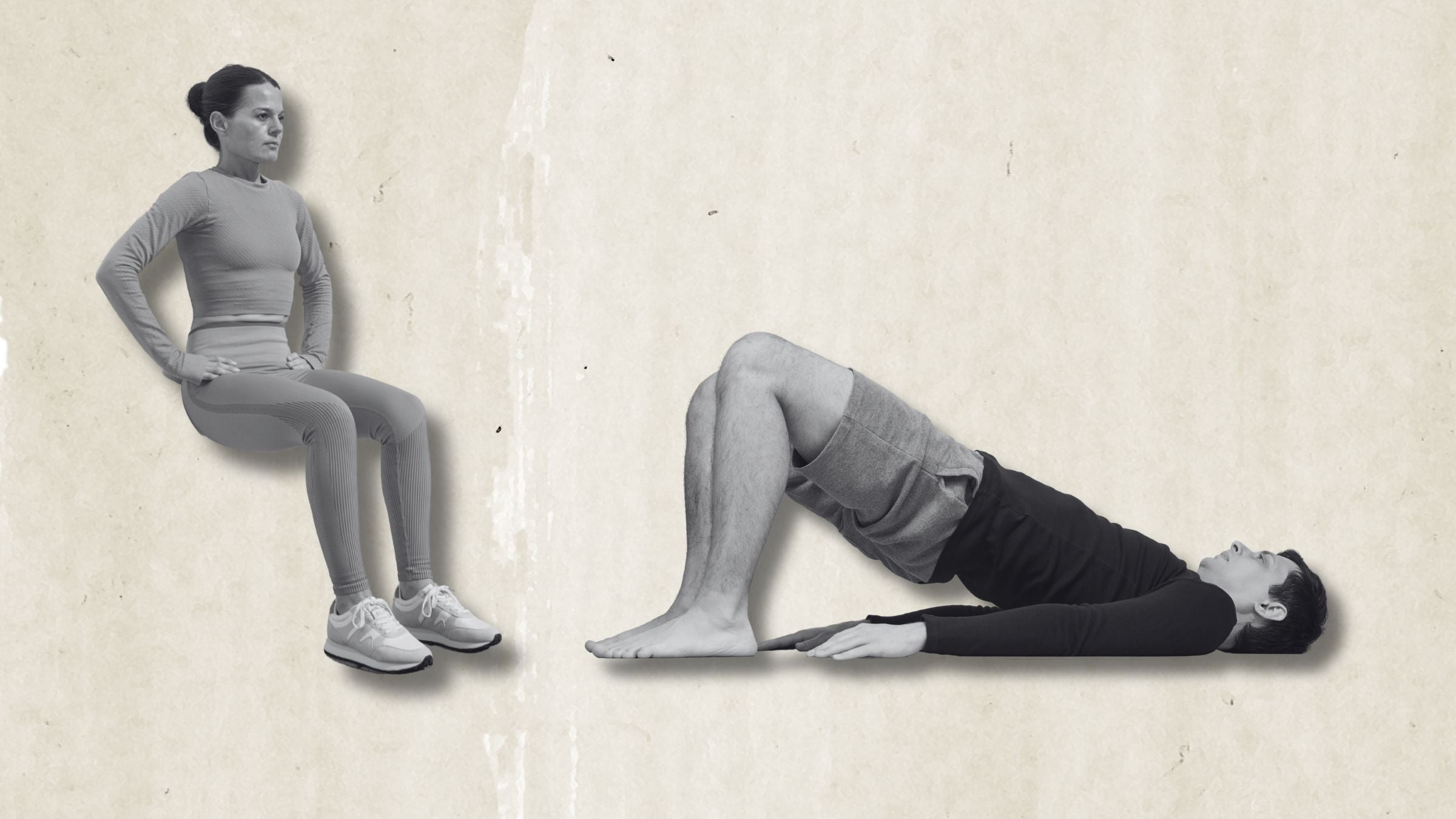
The glute bridge is a staple of lower-body training that directly involves the pelvic floor. To perform this, lie on your back with knees bent and feet flat on the floor. As you exhale, contract your pelvic floor (imagining you are lifting the muscles upward) and lift your hips toward the ceiling. Hold the contraction at the top, then slowly lower your hips while inhaling and relaxing the muscles. This move strengthens the posterior chain, which provides the necessary external support for the pelvic bowl.
2. Inner Thigh Ball Squeeze
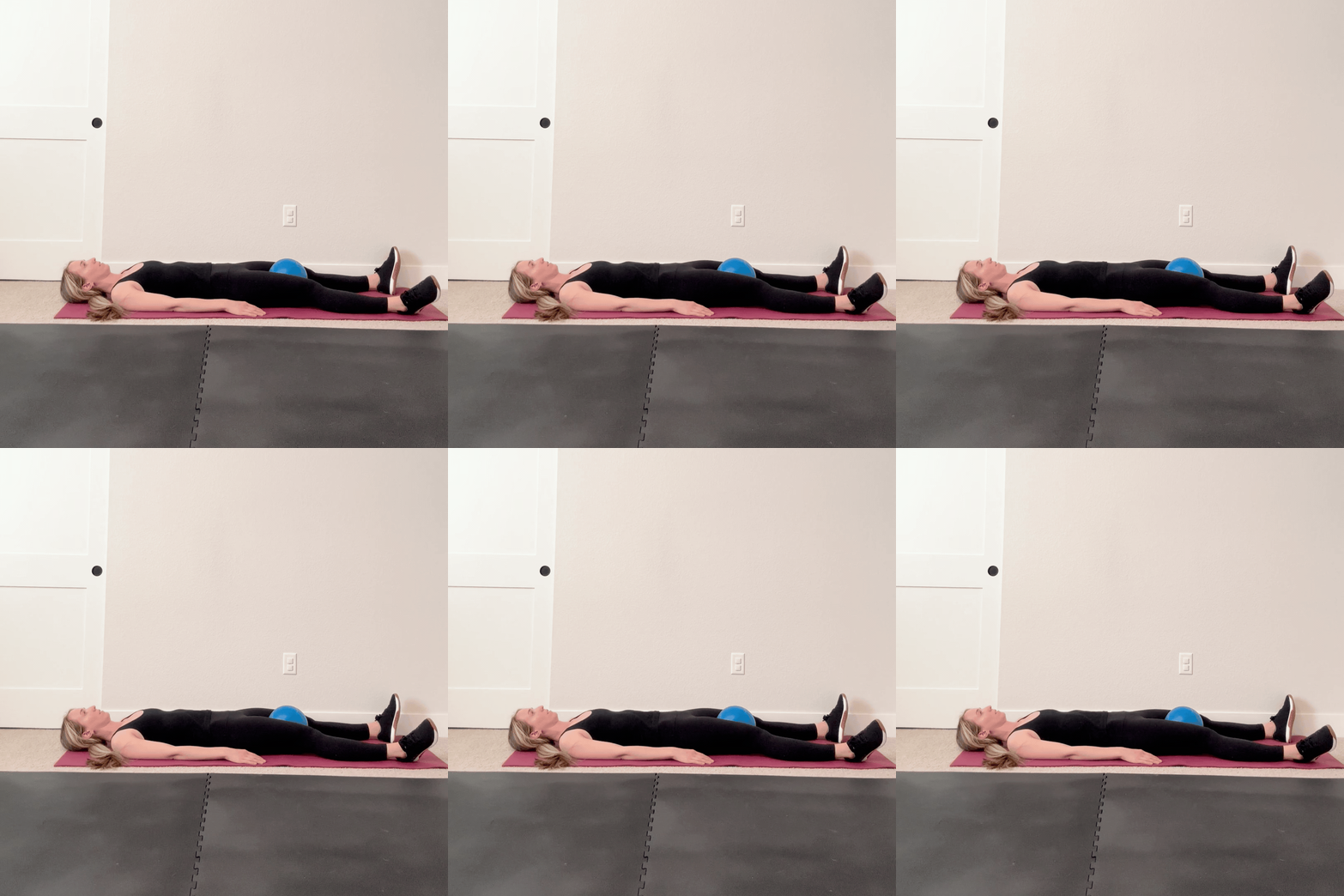
The adductor muscles of the inner thighs share a close fascial connection with the pelvic floor. By engaging the inner thighs, you can "co-contract" the pelvic floor more effectively. While lying on your back with knees bent, place a small exercise ball or a rolled-up towel between your knees. Exhale as you squeeze the ball and simultaneously contract your pelvic floor. Hold for five seconds, then release.
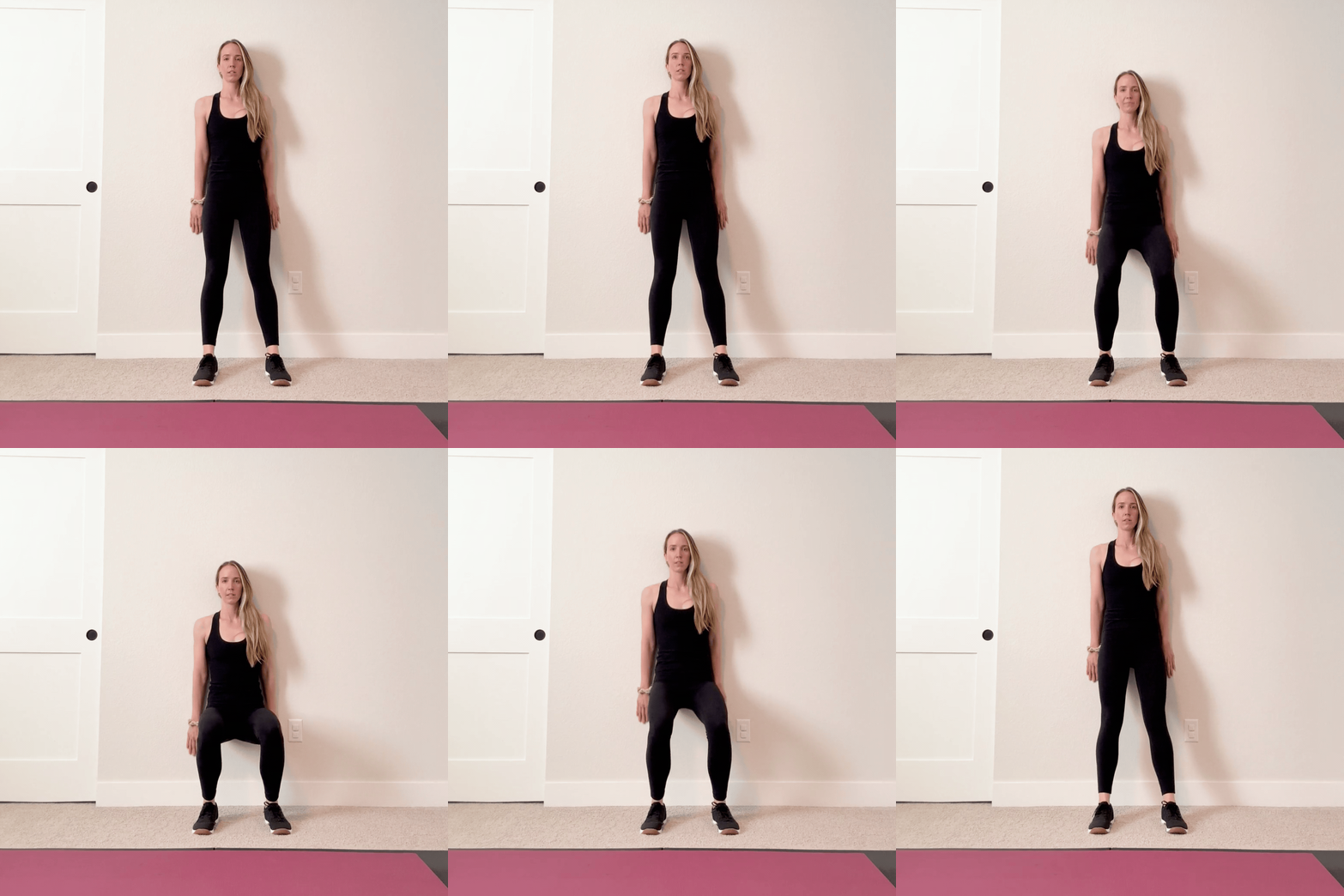
3. The Wall Sit
This isometric hold is an excellent way to build endurance. Lean against a wall and lower your body until your thighs are parallel to the floor, as if sitting in an invisible chair. While holding this position, focus on your breathing. On each exhale, perform a pelvic floor contraction. The challenge of maintaining a squat position forces the pelvic floor to work under the pressure of the body’s weight.
4. Quadruped Hover with Ball Squeeze
This advanced move introduces core stability. Start on all fours (quadruped position) with a ball between your knees. Exhale, contract your pelvic floor, and lift your knees just an inch off the ground. This "hover" creates significant intra-abdominal pressure, requiring the pelvic floor to work hard to maintain support.
5. Modified Side Plank Clamshell
This exercise targets the gluteus medius and the lateral stabilizers of the hip. Lie on your side with knees bent and your weight supported by your forearm. Lift your hips into a modified side plank. While holding the plank, open your top knee (the clamshell movement) while keeping your feet together. Exhale and contract the pelvic floor as the knee opens. This integrates hip rotation with pelvic stability.
Broader Impact and the Future of Pelvic Health
The implications of widespread pelvic floor education are profound. By moving pelvic health into the mainstream, healthcare providers hope to reduce the long-term costs associated with surgical interventions for prolapse and the lifetime use of incontinence products. Furthermore, the psychological impact of pelvic health cannot be overstated; conditions like incontinence are closely linked to social isolation, anxiety, and depression.
Experts advise that if an individual experiences persistent symptoms—such as pain during intercourse, frequent urination, or a feeling of pelvic pressure—they should seek a formal evaluation from a pelvic floor physical therapist. Unlike general practitioners, these specialists can perform internal and external assessments to determine whether the issue is weakness, tension, or a combination of both.
As the fitness and medical industries continue to evolve, the integration of pelvic health into standard wellness routines is becoming a priority. The goal is a future where "pelvic health" is viewed with the same clinical importance as cardiovascular or musculoskeletal health, ensuring that individuals of all genders can maintain function, dignity, and physical activity throughout their lives.




 Budi Mulyono
 Chandra Hamzah
 Tatiana Tantri Indah Sari

 Lukman Taruna Persada Ramadan