
 Anjar Salim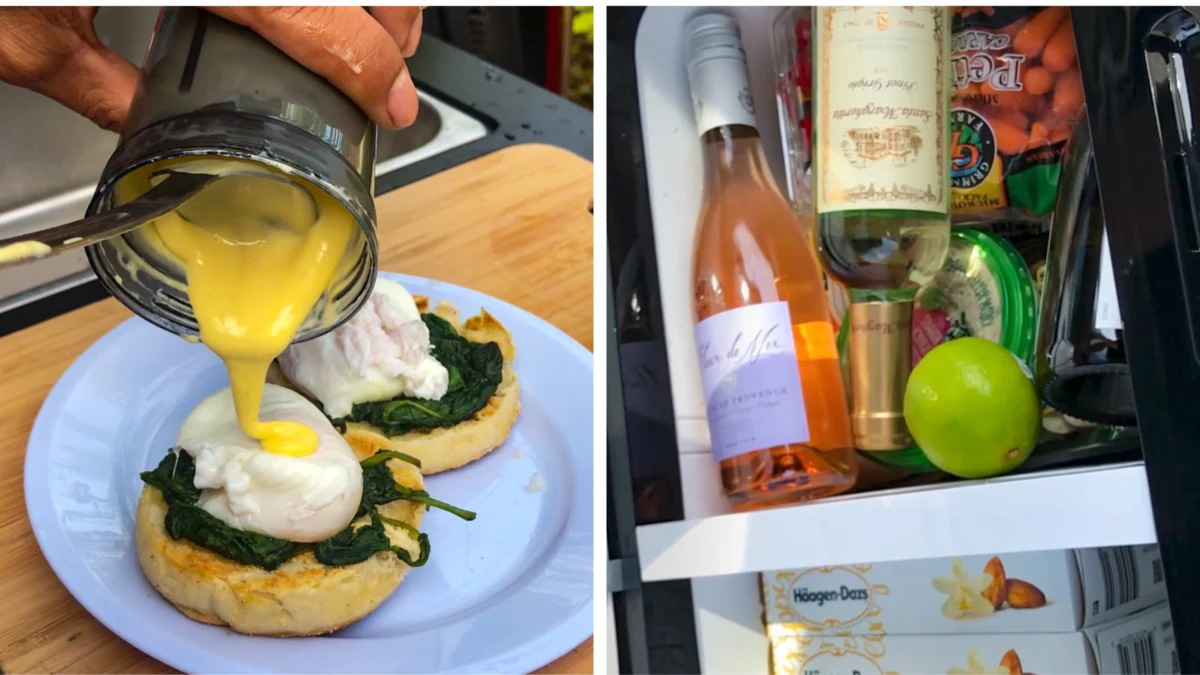
The landscape of North American outdoor travel has undergone a fundamental transformation over the last six years, moving away from high-barrier entries like specialized recreational vehicles (RVs) and toward the democratization of the "car glamping" movement. As of May 2026, data suggests that the surge in vehicle-based camping, which began as a necessity during the 2020 global pandemic, has evolved into a permanent fixture of the hospitality industry. This shift is characterized by a move away from the grueling "roughing it" philosophy of traditional backpacking and the exorbitant costs associated with the #VanLife social media phenomenon, favoring instead a middle ground that utilizes existing consumer vehicles outfitted with high-end, portable technology.
According to the 2026 Camping & Outdoor Hospitality Report released by Kampgrounds of America (KOA), more than 52 million North American households participated in camping activities in 2025. This figure represents a significant increase over pre-pandemic levels, signaling that the "Covid-era hobby" has transitioned into a long-term lifestyle choice for a diverse demographic. However, the most striking data point in recent industry analysis is the divergence between traditional RV ownership and car-based camping. While interest in car camping has increased by 41% since 2019, the popularity of traditional RVs has seen a decline ranging from 14% to 29% across the four primary vehicle classes. This trend suggests a market correction where consumers are prioritizing flexibility, lower overhead, and ease of use over the luxury of dedicated, large-scale mobile homes.
The Chronological Evolution of the Car Glamping Movement
The origins of the modern car glamping trend can be traced back to a confluence of economic and social factors starting in the early 2010s. In 2011, photographer Foster Huntington popularized the #VanLife hashtag, documenting his travels in a 1987 Volkswagen Syncro. This sparked a decade-long fascination with nomadic living that saw thousands of enthusiasts spending between $10,000 and $100,000 to convert cargo vans into mobile apartments. By the time the Covid-19 pandemic reached its peak in May 2020, the #VanLife trend had reached a cultural saturation point.
However, the pandemic also highlighted the impracticality of the van-life model for the average consumer. With lockdowns restricting international travel and skyrocketing flight prices making traditional vacations less feasible, millions of people looked to the outdoors for respite. For many, the financial commitment of a van conversion or a Class A motorhome—often exceeding $60,000 plus maintenance and storage costs—was a significant deterrent.
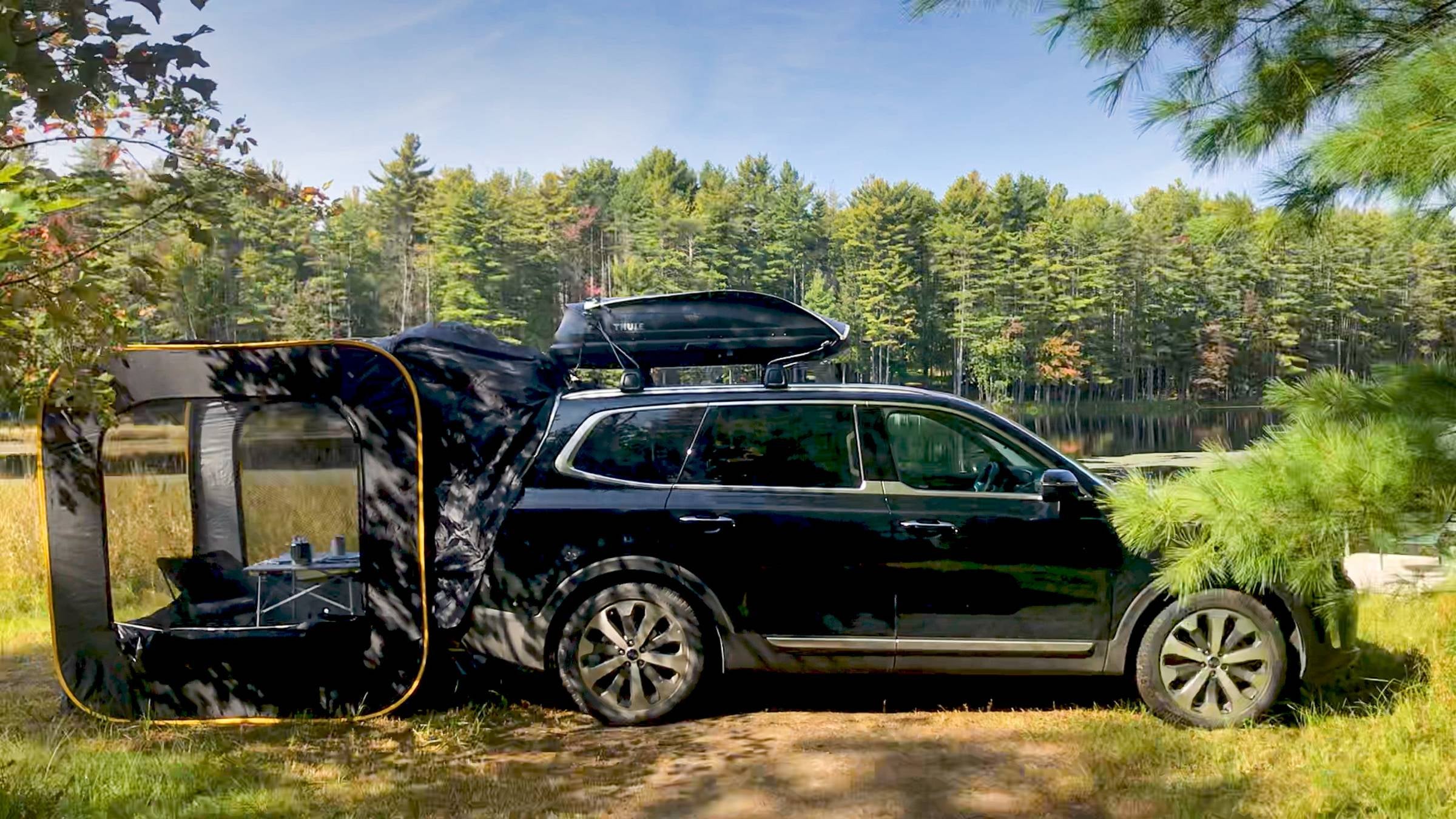
By 2021, a "middle path" began to emerge. Travelers who lacked the time for full-time nomadism or the capital for specialized vehicles began utilizing their daily drivers, such as the Kia Telluride, Subaru Outback, and various hatchbacks, for weekend excursions. This "car glamping" approach allowed for the use of existing assets while integrating the "glamorous" elements of glamping through specialized gear. By 2024, search platforms like HipCamp noted a massive uptick in users filtering for "car camping" sites—specifically flat, accessible locations that do not require the heavy infrastructure of an RV hookup but offer more comfort than a remote backcountry site.
Statistical Foundations: Analyzing the Shift in Consumer Behavior
The decline in traditional RV popularity can be attributed to several logistical and economic factors identified in recent market reports. For the casual camper—defined as those who venture out three to five times per year—the "commitment of the craft" associated with RVs has become a liability. Maintenance issues, such as the technical learning curve for managing sewage lines and specialized electrical systems, have led to a "renter’s remorse" among younger demographics who initially bought into the RV fantasy.
In contrast, car glamping offers a lower "cost per use" ratio. Data from campsite search platforms indicates that the "car camping" filter has rapidly become the fourth-most utilized search tool, trailing only "pet-friendly," "showers," and "toilets." This indicates a consumer base that desires the amenities of a developed campground (bathhouses and proximity to local attractions) but prefers the mobility and fuel efficiency of a standard SUV or sedan.
Furthermore, the surge in car glamping is bolstered by the rapid innovation in the outdoor gear market. Between 2022 and 2026, the availability of specialized car-camping products—such as custom-fit air mattresses from companies like Luno, portable power stations from Jackery, and roof-mounted tents—has created an ecosystem where a standard vehicle can be converted into a luxury sleeping pod in under thirty minutes. This modularity allows the vehicle to remain a practical tool for urban commuting during the week while serving as a high-end mobile basecamp on the weekend.
Defining the "Glamping" Distinction: More Than Just Sleeping in a Car
The term "car glamping" represents a specific evolution beyond traditional car camping. While car camping typically involves using a vehicle to transport basic gear to a site, car glamping focuses on "maxing out" comfort and experience. The distinction lies in both the equipment and the lifestyle curation.

Logistically, car glamping utilizes the vehicle’s footprint to support advanced infrastructure. This includes:
- Power and Refrigeration: The replacement of ice-filled coolers with portable electric refrigerators powered by lithium-ion battery banks.
- Sleep Systems: Moving away from thin foam pads toward multi-layered, vehicle-specific mattresses that utilize the climate-controlled environment of the car’s interior.
- Expanded Footprint: The use of awnings and "hatch tents" that connect to the rear of an SUV, effectively doubling the living space and creating a seamless transition between the vehicle and the outdoors.
Beyond the gear, car glamping is defined by the "curated experience." Industry analysts observe that car glampers are more likely to integrate high-end culinary activities—such as using portable pizza ovens or preparing gourmet meals—and seek out campgrounds near vineyards, artisanal restaurants, or cultural landmarks. This demographic is not necessarily seeking to "escape" civilization entirely; rather, they are looking to experience it through a more flexible, outdoor-centric lens.
Industry Responses and Economic Implications
The shift toward car glamping has forced a pivot in the outdoor hospitality industry. Campground operators, once focused on either primitive tent sites or massive RV pads with 50-amp hookups, are now redesigning layouts to accommodate "mid-sized" travelers. New developments in 2025 and 2026 have seen an increase in "premium car sites" which offer leveled pads, high-speed Wi-Fi, and proximity to luxury bathhouses, catering specifically to the car glamping audience.
Rental platforms have also adapted. While Outdoorsy and similar sites continue to list built-out camper vans, there has been a rise in the rental of "camping-ready" SUVs equipped with roof-tents and kitchen kits. This allows consumers to test the car glamping lifestyle without any initial investment in gear.
Economically, the trend is a boon for the secondary automotive market. SUVs with high cargo volume and "fold-flat" seating are seeing sustained demand, as consumers factor "sleepability" into their vehicle purchase decisions. Brands like Kia, Subaru, and Toyota have benefitted from this shift, as their mid-to-large SUVs are viewed as the ideal canvases for car glamping conversions.

Broader Impact and Future Outlook
The rise of car glamping signifies a broader cultural shift toward "micro-adventures"—short, high-quality trips that fit into a standard 40-hour workweek. As flight costs remain volatile and the environmental impact of long-haul travel comes under increased scrutiny, the ability to find luxury and adventure within a three-hour drive of one’s home base has become a primary driver of the travel economy.
From a sociological perspective, car glamping has lowered the barrier to entry for the outdoors. It removes the physical rigors of backpacking and the technical intimidation of RVing, making the "great outdoors" accessible to a wider range of ages and physical abilities. As we look toward the latter half of the decade, the integration of electric vehicles (EVs) into this movement is expected to be the next major frontier. With the ability to run climate control and electronics off a vehicle’s main battery without idling an engine, EVs are poised to turn the car glamping experience into a near-silent, zero-emission luxury stay.
In conclusion, the transition from the high-cost, high-commitment #VanLife era to the accessible and modular "car glamping" era reflects a maturing market. Consumers are no longer chasing an unattainable nomadic fantasy; instead, they are leveraging modern technology to enhance the vehicles they already own, proving that the ultimate travel luxury is not the size of the vehicle, but the ease and comfort with which one can explore the world.




 Chandra Hamzah
 Tatiana Tantri Indah Sari
 Budi Mulyono

