
 Cholid Fahmi Thalib
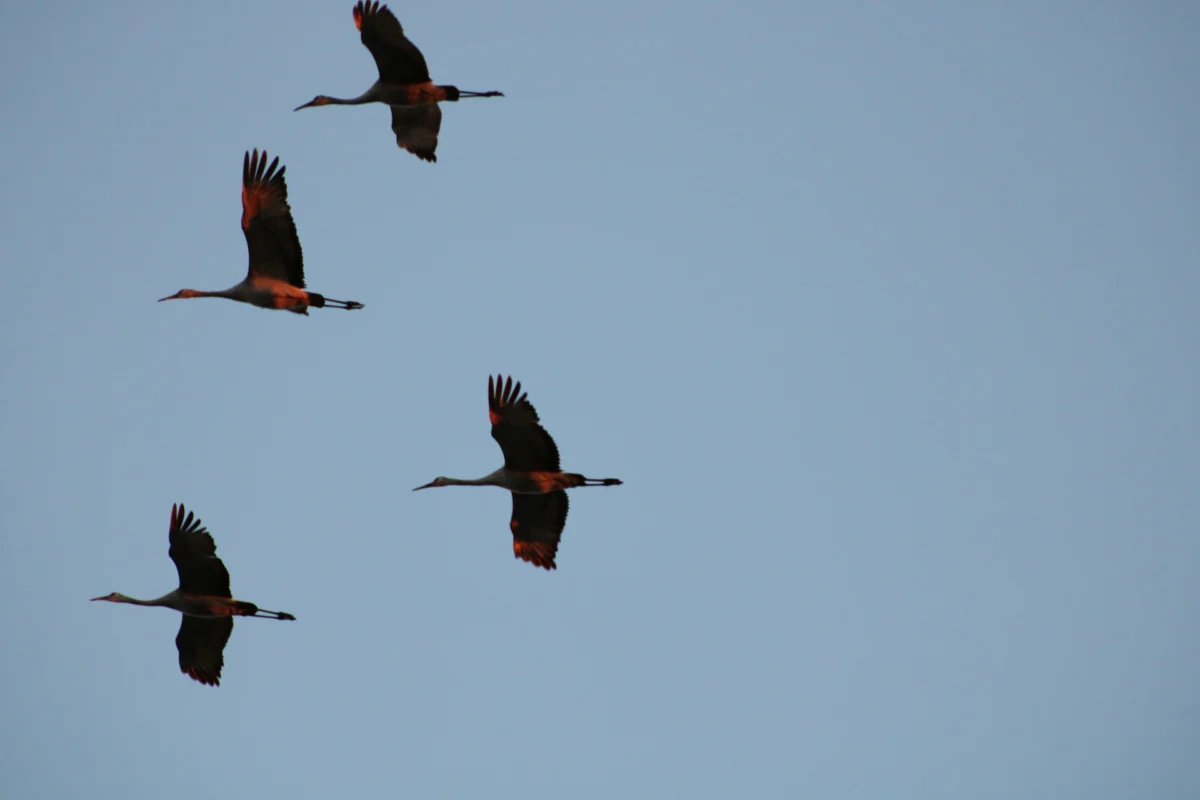
Nestled in the heart of North Central Florida, Gainesville presents an intricate mosaic of intellectual dynamism, ecological preservation, and unpretentious Southern culture. Far removed from the neon-lit beaches and commercialized amusement parks that traditionally define the Sunshine State’s tourism sector, Gainesville operates on a different rhythm. Shaped profoundly by the presence of the University of Florida, the municipality of roughly 145 Gainesville residents functions as both a bustling academic incubator and a quiet sanctuary for some of the region’s most distinct natural habitats. Recent municipal tourism data indicates a steady 14% increase in eco-cultural tourism over the past three years, signaling a broader shift among travelers seeking immersive, nature-centric, and academically rich destinations over conventional resort settings.
Academic Roots and Urban Evolution: The University of Florida Influence
The foundational pulse of Gainesville is undeniably the University of Florida (UF), a land-grant, sea-grant, and space-grant research institution that consistently ranks among the top public universities in the United States. Spanning over 2,000 acres, the campus operates as a self-sustaining urban enclave characterized by its historic collegiate Gothic and modern brutalist architecture, expansive green spaces, and a dense network of oak-lined pathways.
Historical records trace the university’s roots in Gainesville back to 1906, when the institution consolidated several separate colleges to form the University of Florida. Over the subsequent decades, the university expanded outward, symbiotically shaping the economic, architectural, and cultural fabric of the surrounding city. Academic leadership notes that the institution contributes upwards of $16 billion annually to the state economy, cementing its role not merely as an educational center, but as an economic powerhouse.
For visitors and researchers alike, the campus offers a wealth of public amenities. The historic academic core—featuring structures like Buckman Hall, listed on the National Register of Historic Places—stands in architectural contrast to state-of-the-art biomedical research facilities constructed in the 21st century. Beyond classrooms and laboratories, the campus acts as a civic hub, hosting public lectures, theatrical performances, and art exhibitions that draw hundreds of thousands of visitors annually, effectively dissolving the boundary between town and gown.
Ecological Preservation: Paynes Prairie and Sweetwater Wetlands
While the university drives Gainesville’s intellectual energy, the surrounding geography anchors its ecological identity. Just south of the city limits lies Paynes Prairie Preserve State Park, a sprawling 21,000-acre savanna basin that challenges conventional perceptions of Florida’s topography. Designated as a National Natural Landmark, the prairie is a dynamic wetland ecosystem historically known as Alachua Savanna.
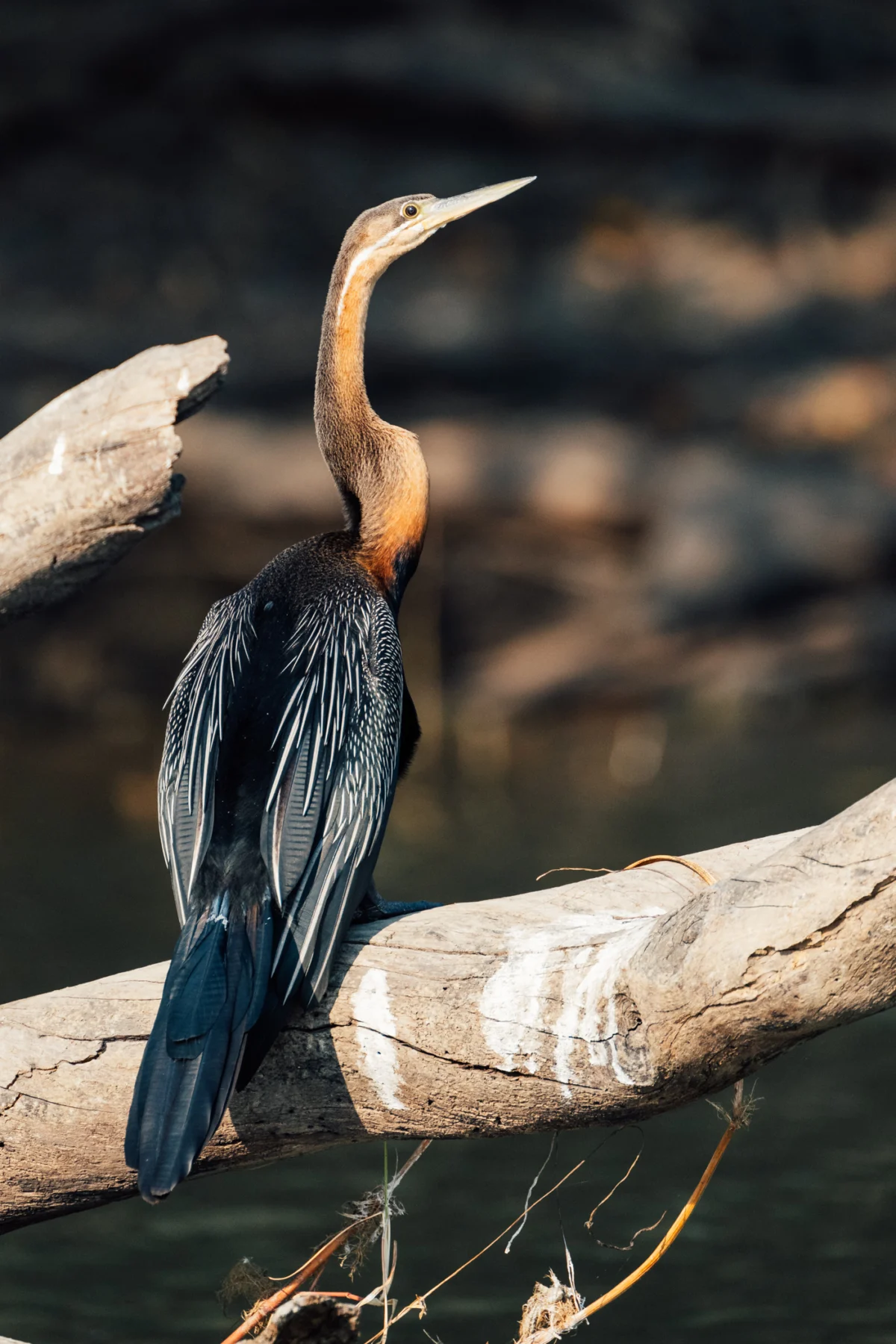
Historical accounts from Spanish explorers in the early 17th century document the area as a vast cattle ranching territory operated by Native American tribes and Spanish missionaries. Today, the park serves as a protected habitat for a diverse array of wildlife, including American alligators, wild horses, bison, and over 300 species of birds. Environmental scientists utilize the prairie as a living laboratory to study wetland hydrology and wildlife conservation. According to the Florida Department of Environmental Protection, targeted preservation efforts over the last decade have successfully stabilized native flora populations, ensuring that the basin remains a critical stopover for migratory bird species along the Atlantic Flyway.
Complementing Paynes Prairie is the Sweetwater Wetlands Park, a man-made engineered wetland completed in 2015. Spanning over 125 acres, the park was primarily designed to improve the water quality of local stormwater runoff before it enters the sensitive Floridan Aquifer and local lakes, specifically paying homage to environmental engineering mandates. Beyond its infrastructure utility, the park features over three miles of gravel trails and elevated boardwalks. Local municipal reports indicate that Sweetwater Wetlands has attracted more than 500,000 visitors since its opening, emerging as a premier destination for ornithologists and conservationists observing native fauna thriving within a rehabilitated urban watershed.
Geological Curiosities and Subterranean Ecosystems
Moving northward from the wetland basins, Gainesville’s topography reveals dramatic shifts in elevation and geological formation, most notably at Devil’s Millhopper Geological State Park. The park centers around a massive 120-foot-deep, 500-foot-wide limestone sinkhole, carved out over millennia through the dissolution of underlying limestone strata by acidic groundwater—a classic karst topography feature prevalent throughout North-Central Florida.
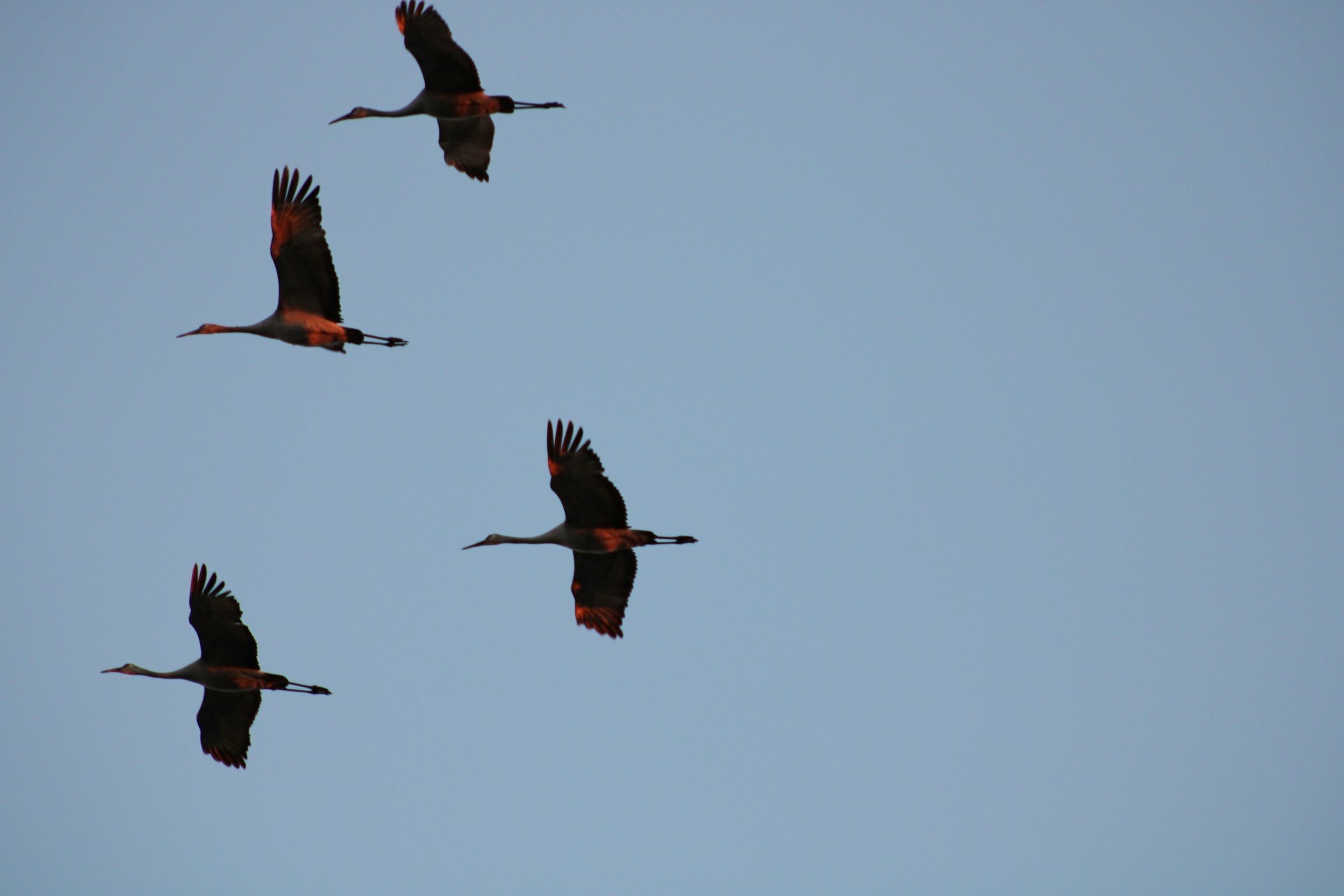
Geological surveys indicate that the walls of the sinkhole expose millions of years of geological history, featuring distinct layers of marine fossils, clay, sand, and limestone dating back to the Miocene epoch. Descending the wooden staircase into the sinkhole reveals a microclimate significantly cooler than the surrounding surface, supporting lush temperate vegetation reminiscent of more northern latitudes. Environmental protection officials emphasize the site’s value as an educational resource, illustrating the delicate subterranean hydrology that feeds the Floridan Aquifer, the primary source of drinking water for millions of Florida residents.
Curated Culture: Museums and the Performing Arts
Gainesville’s cultural infrastructure punches well above its weight class for a city of its size, driven largely by university-affiliated institutions that are open to the general public. The Florida Museum of Natural History, situated on the UF campus, houses millions of specimens spanning paleontology, archaeology, and biodiversity. Its marquee attraction, the McGuire Center for Lepidoptera and Biodiversity, features a three-story, live butterfly rainforest that houses thousands of free-flying butterflies from around the globe within a controlled tropical environment. Museum directors highlight that the facility serves a dual purpose: public education and rigorous taxonomic research aimed at global insect conservation.
Adjacent to the natural history museum is the Samuel P. Harn Museum of Art. Established in 1990, the Harn boasts a permanent collection exceeding 11,000 works, with particular strengths in African art, Asian art, modern and contemporary art, and photography. The museum’s architectural integration of indoor galleries and meditative outdoor sculpture gardens reflects a design philosophy aimed at encouraging contemplative engagement with art. Art historians and critics frequently praise the Harn for its thoughtful curation, which contextualizes historical artifacts within contemporary socio-political frameworks.
For performing arts enthusiasts, the Phillips Center for the Performing Arts stands as the region’s premier venue. Hosting touring Broadway productions, symphonic orchestras, ballet companies, and contemporary musical acts, the center anchors Gainesville’s evening cultural calendar. Local arts administrators note that the venue plays a crucial role in regional economic development, drawing patrons from across North Florida and contributing significantly to the hospitality sector in downtown Gainesville.
Urban Gastronomy and Commercial Revitalization
In tandem with its ecological and cultural attractions, downtown Gainesville has undergone a measured commercial renaissance over the past decade. Esousing a departure from chain-dominated retail strips, the downtown core is characterized by independent restaurateurs, artisanal coffee roasters, farm-to-table eateries, and specialty bookstores. This culinary scene draws heavily on the agricultural bounty of surrounding Alachua County, where local growers supply seasonal produce to neighborhood kitchens.
Economic development analysts attribute this urban revitalization to strategic municipal investments in pedestrian-friendly infrastructure, public art installations, and incentives for small business entrepreneurship. The proliferation of local culinary options has also given rise to ancillary service sectors, including specialized local food delivery networks catering to health-conscious consumers and academic professionals seeking locally sourced dining alternatives.
Furthermore, community markets—such as the Union Street Farmers Market—provide a direct economic bridge between regional agricultural producers and urban consumers. Market organizers report steady year-over-year vendor growth, reflecting a broader consumer preference for traceable, sustainably produced foodstuffs and artisanal goods.
Broader Implications and Future Outlook
Gainesville’s unique trajectory offers a compelling case study in sustainable municipal growth, balancing the infrastructural demands of a major research university with aggressive ecological conservation. As urban centers across the American Southeast grapple with rapid population influxes and suburban sprawl, Gainesville’s emphasis on protected green spaces, geological preservation, and cultural accessibility presents a model for balanced development.
Urban planners and regional economists project steady, controlled growth for the municipality over the next decade, driven by biotechnology startups emerging from university research parks and an aging demographic seeking amenity-rich, environmentally conscious communities. While challenges remain—particularly concerning affordable housing pressures driven by student populations and urban expansion—Gainesville’s foundational commitment to its natural and intellectual assets ensures its enduring distinction within the broader landscape of the American South.

 Lukman Taruna Persada Ramadan

 Budi Mulyono

 Diana Nuri Rohmawati

 Tatiana Tantri Indah Sari

 Anjar Salim
