
 Budi Mulyono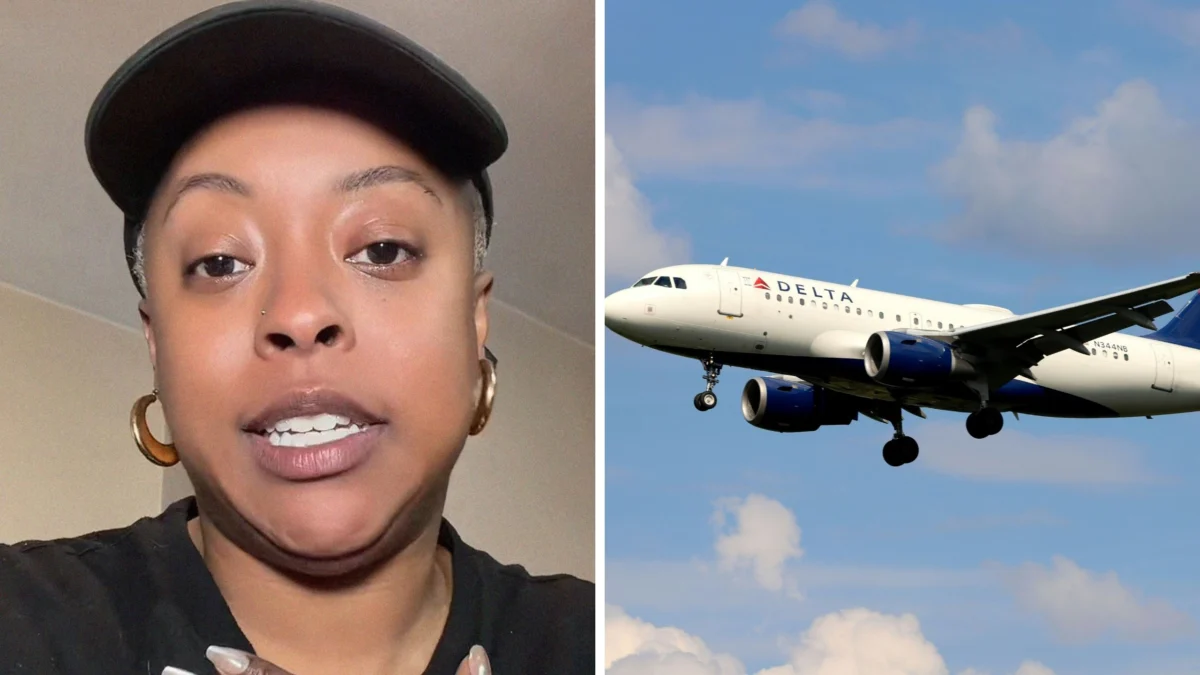
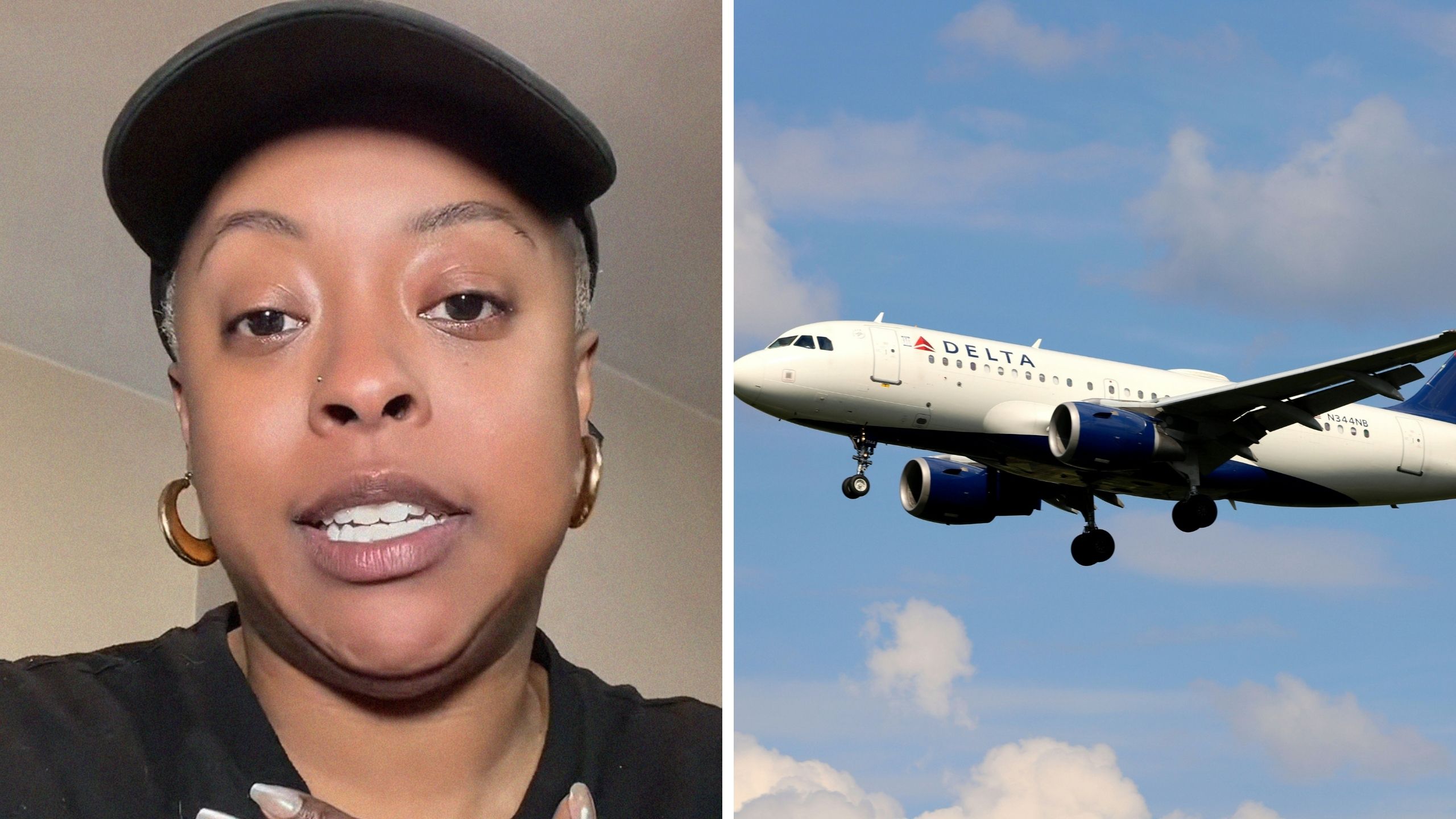
Joelle Phillips, a prominent Philadelphia and New York-based makeup artist whose credits include the Emmy-winning series Queer Eye, has come forward with allegations against Delta Air Lines following an incident that resulted in significant damage to her professional equipment. Phillips, who maintains a significant social media presence with over 287,000 followers on TikTok, claims that Delta gate agents at Hartsfield-Jackson Atlanta International Airport (ATL) coerced her into checking a carry-on bag containing a professional kit valued at approximately $80,000. Despite her vocal protests regarding the fragility and high value of the contents, the bag was placed in the aircraft’s cargo hold. Upon arrival at Philadelphia International Airport (PHL), Phillips discovered that numerous professional-grade makeup palettes and custom-built products were destroyed, sparking a wider conversation regarding airline boarding practices and the liability limits for high-value professional equipment.
A Chronology of the Incident: Flight DL 1100
The incident occurred during the early morning hours of April 13, on Delta Air Lines flight DL 1100, a scheduled service from Atlanta to Philadelphia. Phillips, who had been in Atlanta to provide services for a high-profile wedding, arrived for the 6:00 a.m. departure. According to her account, she was traveling with two items intended for the cabin: a soft-sided duffel bag containing personal effects such as clothing and toiletries, and a specialized wheeled carry-on case designed specifically to house her professional makeup kit.
The case was chosen specifically for its dimensions, which comply with standard airline carry-on regulations, a strategic choice Phillips made to ensure her equipment would never leave her person. As boarding progressed, gate agents began announcing that overhead bin space was reaching capacity. When Phillips reached the gate, agents insisted that her wheeled case be "gate-checked," a process where carry-on items are taken at the jet bridge and placed in the cargo hold to be retrieved either at the destination gate or the baggage carousel.
Phillips reportedly attempted to negotiate with the staff, offering her duffel bag for checking instead of the professional kit. She informed the agents of the extreme value and fragility of the items in the wheeled case. However, the agents allegedly refused the substitution, stating they specifically required "the wheels" to be checked. When Phillips continued to protest, she claims the agents presented her with an ultimatum: comply with the gate-check or be removed from the flight and rebooked. Exhausted from a demanding work schedule and facing the pressure of the impending departure, Phillips ultimately surrendered the bag.
The Discovery of Overhead Capacity and Resulting Damage
The situation took a frustrating turn once Phillips boarded the aircraft. Contrary to the gate agents’ assertions that the bins were full, Phillips observed that the overhead compartments in her immediate vicinity were largely unoccupied. She noted that both the space directly above her seat and the bins across the aisle were empty, providing more than enough room for her $80,000 kit.
The discrepancy between the gate agents’ claims and the actual cabin conditions is a point of contention often cited by frequent travelers. Industry analysts suggest that gate agents may prematurely call for gate-checks to streamline the final stages of boarding and ensure an "on-time" departure, as searching for bin space once passengers are already in the aisle can cause significant delays.
The true extent of the loss was revealed upon Phillips’ arrival in Philadelphia. Despite the kit being outfitted with custom internal cushioning designed to withstand the vibrations of travel, several high-end palettes were found shattered. The damage included a bespoke custom palette created specifically for her recent assignment and a collection of Ben Nye blushes. Phillips expressed particular concern over these items, noting that many are currently being reformulated or discontinued by the manufacturers, making them functionally irreplaceable regardless of the monetary compensation offered. Phillips asserted that the nature of the damage suggested the bag had been subjected to significant physical impact, stating that the internal protection she had installed would only fail if the case had been "thrown."
Financial and Legal Implications of Professional Equipment Loss
The financial impact of this incident highlights a significant gap in airline liability and passenger protection. Under the current regulations set by the U.S. Department of Transportation (DOT), the maximum liability for an airline regarding lost or damaged baggage on domestic flights is capped at $3,800 per passenger. While some updates to these figures occur periodically to account for inflation—with some sources citing limits up to $4,700—the amount remains a fraction of the $80,000 valuation Phillips placed on her kit.
Airlines often include "exclusions" in their contracts of carriage, which explicitly state they are not liable for high-value items, jewelry, electronics, or fragile professional equipment checked in the cargo hold. By forcing a passenger to gate-check such an item under the threat of rebooking, the airline effectively moves the item from a "supervised" environment (the cabin) to an "unsupervised" and high-risk environment (the cargo hold) where their financial liability is strictly limited.
For professionals in the beauty, film, and photography industries, this creates a precarious situation. Professional kits are often the result of years of curation, containing discontinued products, specialized tools, and custom-blended materials. The loss of such a kit is not merely a financial setback but a threat to their livelihood. Phillips has indicated she is in the process of contacting cosmetics brands to see if any discontinued items can be sourced through professional channels, but the damage to her current inventory remains substantial.
Industry Boarding Practices and the "Phantom Full Bin" Phenomenon
The incident involving Phillips is not an isolated occurrence. Reports from travel advocacy groups and major news outlets like the Washington Post have identified a recurring trend where gate agents declare overhead bins full long before the actual capacity is reached. This practice is often driven by the "D-0" metric—an airline industry term for a flight departing exactly at its scheduled time.
Gate agents are frequently evaluated based on their ability to close the aircraft doors on time. Because "bin hunting" by passengers in the later boarding groups is one of the primary causes of boarding delays, agents may proactively gate-check bags to avoid the risk. However, this efficiency comes at the cost of passenger trust and, as seen in Phillips’ case, the safety of fragile items.
Following the viral response to Phillips’ video, several flight attendants and industry insiders offered advice for passengers facing similar situations. One common recommendation is for passengers to carry their bags onto the jet bridge and, if stopped, politely ask the flight attendants inside the cabin if they can verify the space availability before handing the bag over. Flight attendants often have a more accurate view of the actual cabin capacity than the gate agents stationed behind the podium.
Federal Regulations and the "Lithium Battery" Strategy
In the wake of the incident, many travelers have discussed the legal protections afforded by Federal Aviation Administration (FAA) safety regulations. Under FAA rules, certain items are strictly prohibited from the cargo hold but are permitted in the cabin. The most notable of these are spare lithium-ion batteries, which are used in many professional lighting kits and electronic devices.
Because lithium batteries pose a fire risk in the cargo hold where they cannot be easily accessed by fire suppression systems, federal law requires them to be carried in the cabin. Some professionals have noted that by informing gate agents that their kit contains integrated or spare lithium batteries that cannot be removed, they can legally prevent the bag from being placed in the cargo hold. Phillips noted that her kit did indeed contain batteries, light stands, and lights, but in the stress of the 6:00 a.m. boarding process, she was unable to successfully navigate the negotiation with Delta staff.
Analysis of Potential Recourse and Future Prevention
Moving forward, Phillips has stated her intention to transition her kit into a Pelican-style case. These cases, frequently used by photographers and military personnel, are constructed from high-impact structural plastic and feature O-ring seals and pressure equalization valves. While these cases offer superior protection against the physical rigors of baggage handling systems, they do not address the fundamental issue of forced separation between a professional and their tools.
For Delta Air Lines, the incident represents a significant public relations challenge. As the airline positions itself as a premium carrier, the allegations of "forced" gate-checks despite available space and the resulting destruction of high-value professional property contrast with their brand image. Delta’s current policy requires domestic damage claims to be filed within six hours of arrival. Phillips has been encouraged by her peers and legal advisors to document every damaged item and submit a formal claim, although the aforementioned DOT liability caps will likely limit her recovery through the airline’s standard channels.
This event serves as a cautionary tale for traveling professionals across all industries. It underscores the necessity of carrying private insurance for professional equipment, as airline liability is insufficient for high-value kits. Furthermore, it highlights a need for more transparent communication between gate staff and flight crews regarding actual cabin capacity to ensure that passengers are not unnecessarily separated from their essential belongings. As of this report, Delta Air Lines has not issued a formal public statement regarding the specific details of Phillips’ claim, though the artist continues to document her efforts to salvage her kit and hold the carrier accountable.


 Anjar Salim
 Dwi Wanna
 Lukman Taruna Persada Ramadan
 Chandra Hamzah
 Gabriela Annisa