
 Budi Mulyono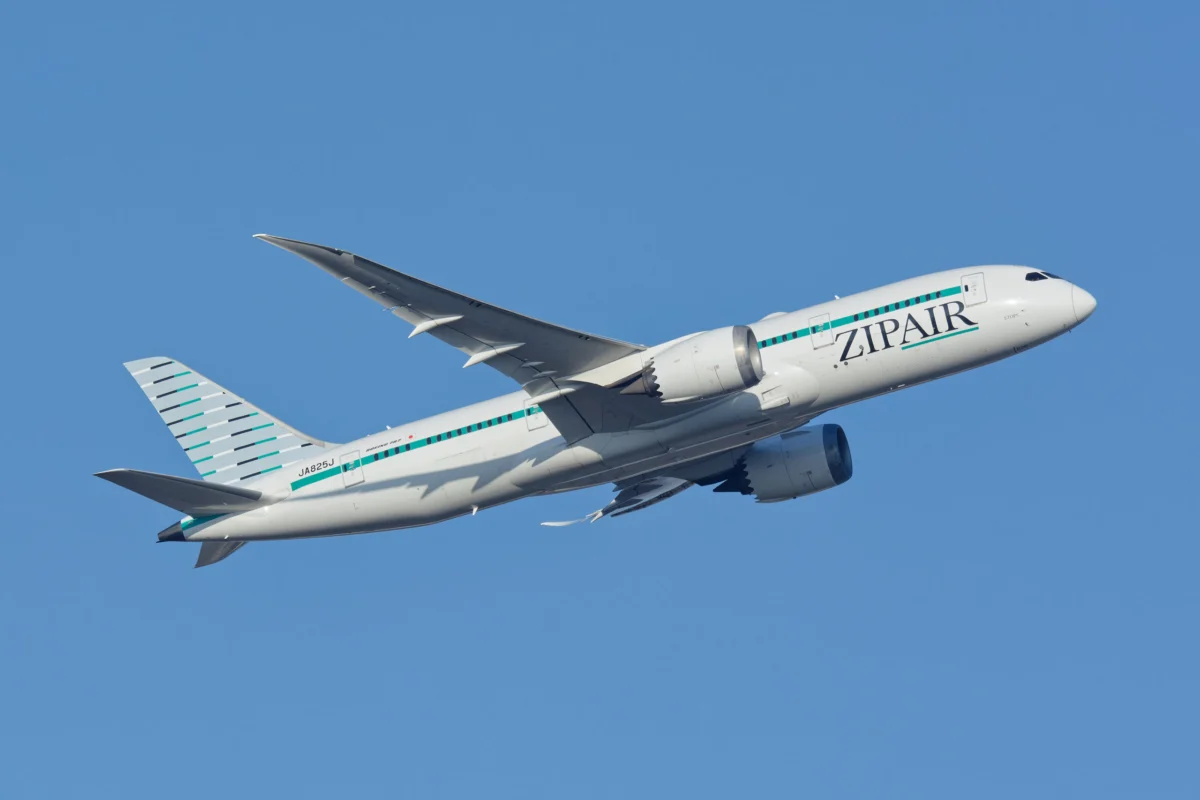
ZIPAIR Tokyo, the low-cost long-haul subsidiary of Japan Airlines, has officially finalized the fleetwide integration of the 16-inch MacBook Pro with M4 Pro chips as its primary inflight server platform, marking a significant departure from traditional, heavy-duty aviation hardware. This milestone, announced during the Passenger Experience Week at the Aircraft Interiors Expo (AIX) in Hamburg, signifies a major shift in how airlines manage digital infrastructure, moving away from specialized, proprietary Line-Replaceable Units (LRUs) toward high-performance, off-the-shelf consumer technology. The deployment is the culmination of a multi-year strategy to streamline cabin operations, reduce weight, and enhance the digital experience for both passengers and crew through a centralized, high-efficiency hardware solution.
A Paradigm Shift in Inflight Server Architecture
The decision to utilize the 16-inch MacBook Pro as a server for long-haul operations follows an intensive period of engineering validation and inflight testing. Historically, inflight entertainment (IFE) and service systems required heavy, fixed hardware installations that were both expensive to maintain and difficult to upgrade. ZIPAIR’s transition to Apple Silicon represents a move toward "edge computing" in the cabin, where the sustained performance of the M4 Pro chip allows for the consolidation of multiple legacy systems into a single, portable unit.
The 16-inch MacBook Pro was selected specifically for its thermal efficiency and the high-performance-per-watt capabilities of the M4 Pro architecture. According to technical specifications validated by ZIPAIR, the device provides sufficient battery endurance to power full operations across multiple flight legs on a single charge. This capability is critical for a low-cost carrier (LCC) model, as it minimizes the need for ground-based charging infrastructure and simplifies the turnaround workflow between flights. By using a single device to handle workloads that previously required multiple x86-based portable servers, the airline has achieved a significant reduction in onboard complexity and weight.
Technical Consolidation and Operational Agility
The deployment of the MacBook Pro allows ZIPAIR to merge four distinct operational pillars into one hardware interface:
- Passenger Entertainment: Streaming content delivered via an HTML5 portal.
- Inflight Services and Commerce: Managing duty-free sales, meal orders, and digital payments.
- Crew Workflows: Digitizing manifests, safety checklists, and internal communications.
- Flight-Map Visualization: Real-time tracking and telemetry data for passenger viewing.
One of the most transformative aspects of this deployment is the speed of procurement. Traditional aviation-grade hardware often involves a procurement and certification cycle that can last up to 12 months. In contrast, by leveraging Apple’s retail and enterprise channels, ZIPAIR can procure and provision new units in a matter of days. This agility ensures that the airline can scale its digital capacity in tandem with fleet growth or hardware refreshes without the bottlenecks associated with specialized aerospace manufacturing.
Synergy with Starlink Low-Earth-Orbit Connectivity
The MacBook Pro server platform does not operate in isolation; it is a core component of ZIPAIR’s broader connectivity strategy, which includes a transition to Starlink’s low-Earth-orbit (LEO) satellite constellation. The combination of high-speed, low-latency internet from Starlink and the local processing power of the M4 Pro chip creates a seamless digital environment.
While Starlink provides the external data pipe, the MacBook Pro manages the local distribution of that data, ensuring that the inflight portal remains responsive even during high-bandwidth usage. This hybrid approach—combining robust local servers with high-speed satellite links—allows ZIPAIR to offer a "home-like" internet experience. Passengers can access the airline’s services via their personal devices without the need to download a dedicated application, as the MacBook Pro server is optimized to host a lightweight, high-performance HTML5 environment.
Chronology of ZIPAIR’s Digital Evolution
The journey toward a MacBook-centric cabin began shortly after ZIPAIR’s inception in 2018. The airline has consistently sought to differentiate itself through a "digital-first" philosophy.
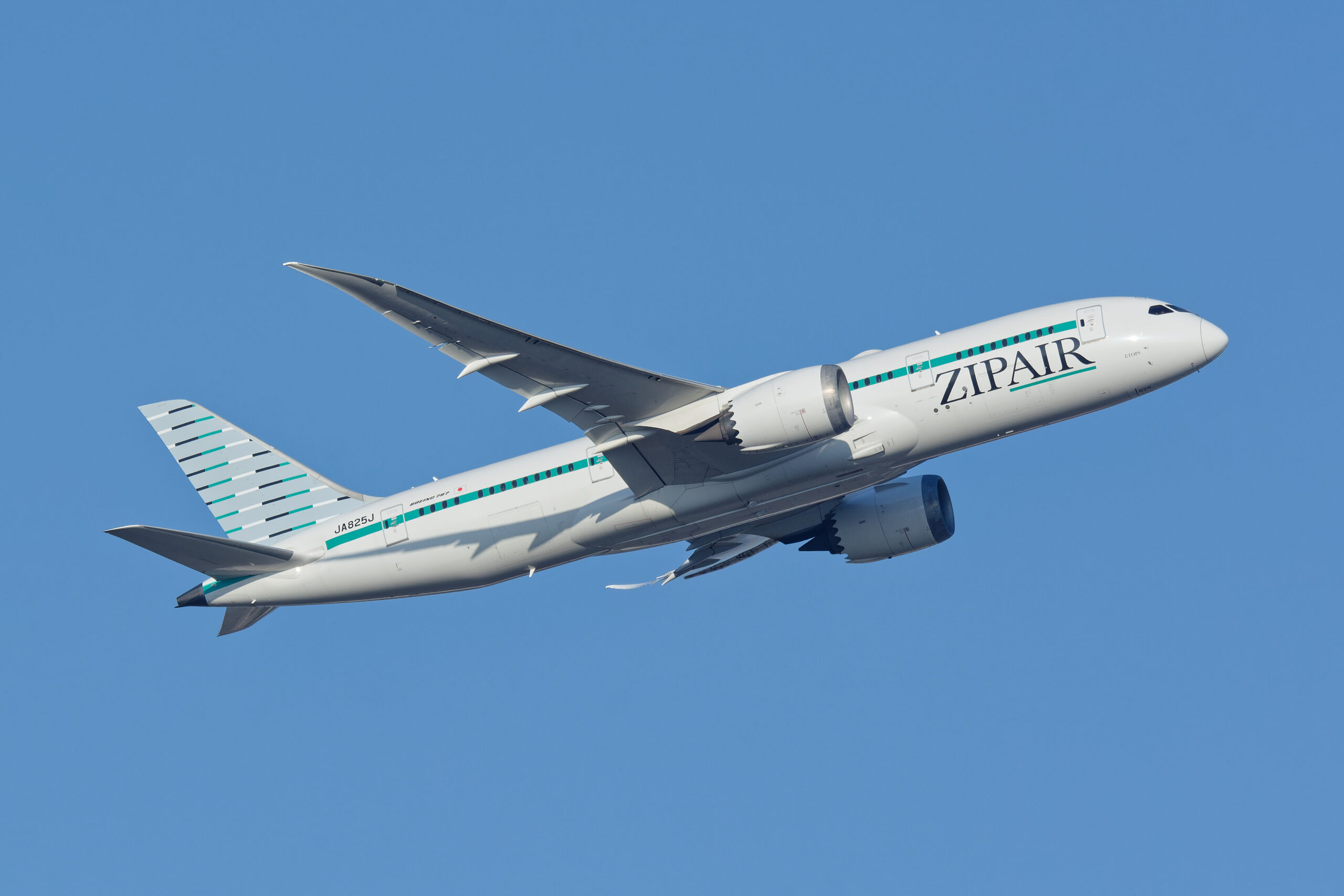
- 2020-2021: ZIPAIR launches initial operations using portable x86-based servers. These units, while functional, required separate hardware for different tasks, leading to a cluttered "server kit" that crew had to manage.
- 2022-2023: The airline begins exploring Apple Silicon as a potential solution for system consolidation. Early tests with M1 and M2 series chips demonstrated the feasibility of running server-grade workloads on laptop hardware.
- Late 2024: ZIPAIR initiates a pilot program using the MacBook Pro on select long-haul routes to North America, focusing on battery stability and thermal management during 10-hour flights.
- 2025-2026: Following the release of the M4 Pro chip, the airline moves to full fleetwide deployment, replacing all remaining legacy portable servers.
Impact on Crew Experience and On-Device Intelligence
For flight crews, the transition to the MacBook Pro platform offers more than just a reduction in hardware weight. ZIPAIR is currently developing proprietary, crew-facing intelligence capabilities designed to run locally on the MacBook Pro. These tools utilize the Neural Engine within the M4 Pro chip to provide operational insights and decision support without needing to send sensitive data to the cloud.
These "on-device" AI applications are focused on optimizing cabin service based on real-time data, such as inventory management for inflight catering and predictive maintenance reporting. By keeping the data processing onboard, ZIPAIR ensures high levels of data privacy and reduces the latency that would be inherent in cloud-based AI processing over a satellite link.
Official Perspectives from ZIPAIR Leadership
Yasuhiro Fukada, Chief Executive Officer of ZIPAIR, emphasized the strategic importance of this technological leap during the announcement in Hamburg. "With MacBook Pro featuring Apple silicon at the cabin edge and Starlink in the sky, we now operate a platform that is both simpler and more capable than what came before," Fukada stated.
He further noted that the decision was driven by data gathered over years of trial and error with various portable systems. "After years of operating multiple portable inflight servers, rigorous testing of MacBook Pro as a standalone device in real flight conditions proved it could deliver the endurance, performance, and operational flexibility our airline requires."
The Emergence of AltoNex and Market Implications
The technological success of ZIPAIR’s internal platform has led to the creation of a new offshoot entity: AltoNex. While ZIPAIR remains the primary user of this technology, AltoNex is positioned to offer similar hardware-software integration services to other carriers. This suggests that ZIPAIR sees its digital infrastructure not just as an internal utility, but as a marketable product for the wider aviation industry.
The implications for the IFE market are profound. If more airlines adopt a "COTS (Commercial Off-The-Shelf) at the edge" approach, it could disrupt the business models of traditional IFE providers who rely on long-term hardware contracts and proprietary ecosystems. The move toward MacBook Pro servers highlights a growing trend where software flexibility and hardware efficiency are prioritized over the "hardened" but often obsolete specifications of traditional aviation electronics.
Analysis of Broader Industry Trends at AIX Hamburg
The Aircraft Interiors Expo 2026 has been characterized by a push toward weight reduction and sustainability. In this context, ZIPAIR’s deployment is a landmark case study. Removing heavy, wired IFE systems can save hundreds of kilograms per aircraft, leading to significant fuel savings and a reduction in carbon emissions over the lifespan of a Boeing 787 Dreamliner.
Furthermore, the "Bring Your Own Device" (BYOD) model, supported by ZIPAIR’s MacBook-hosted portal, aligns with modern passenger preferences. Travelers increasingly prefer using their own high-resolution smartphones, tablets, and laptops over the often lower-quality screens integrated into seatbacks. By providing a powerful local server and high-speed Starlink Wi-Fi, ZIPAIR caters to this preference while drastically lowering its own capital expenditure.
As the industry watches ZIPAIR’s results, the success of the MacBook Pro deployment may serve as a blueprint for other LCCs and even full-service carriers looking to modernize their cabins. The ability to update an entire fleet’s server capacity by simply purchasing the latest consumer hardware represents a level of technical agility that was previously unthinkable in the highly regulated world of commercial aviation. For ZIPAIR, the "server in a laptop" is no longer an experiment; it is the foundation of their operational future.


 Anjar Salim
 Dwi Wanna
 Lukman Taruna Persada Ramadan
 Chandra Hamzah
 Gabriela Annisa