
 Walid Sujud Trenggono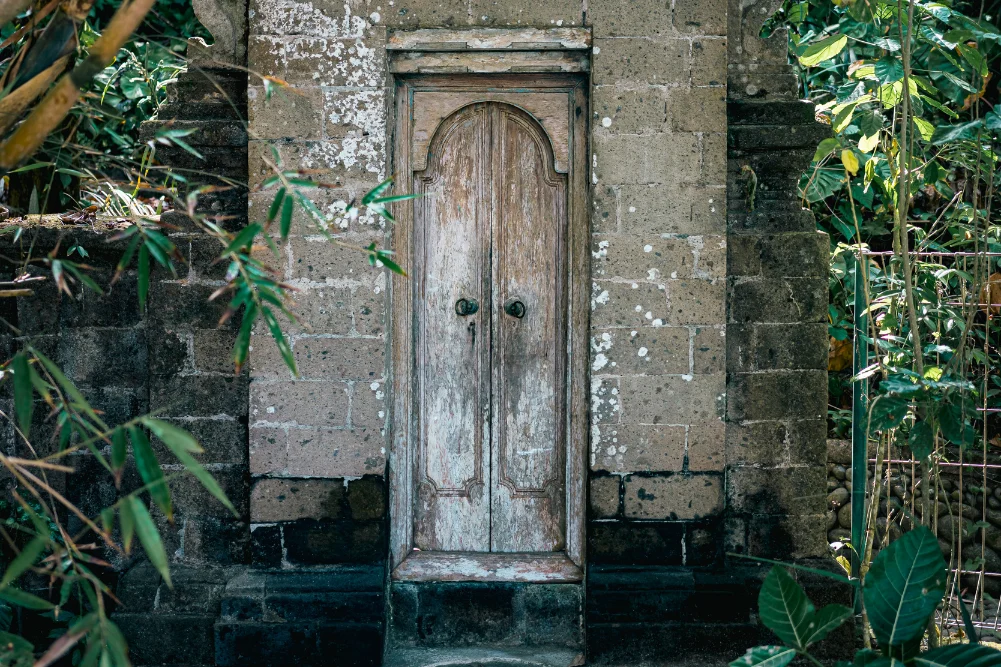
The landscape of Indonesian tourism is undergoing a significant transition as international travelers increasingly bypass the traditional hubs of Kuta and Seminyak in favor of the rugged, underdeveloped western coastline. Central to this shift is Balian Beach, a destination characterized by its volcanic sands, consistent surf breaks, and a preserved agrarian lifestyle that stands in stark contrast to the commercial density of southern Bali. Located approximately 50 kilometers northwest of Denpasar, Balian and the neighboring village of Yeh Sumbul are emerging as critical focal points for a "quality tourism" initiative aimed at decentralizing the island’s economic reliance on its saturated southern districts.
The Geographical and Strategic Appeal of Balian Beach
Balian Beach, situated in the village of Lalanglinggah, represents a departure from the white-sand aesthetics typical of the Bukit Peninsula. The region is defined by its "sea-ravaged volcanic crags" and a broad expanse of grey sand, a result of the island’s tectonic and volcanic history. The geography of the area is heavily influenced by a sacred river mouth that intersects with the Indian Ocean, creating a unique hydrological environment. This confluence not only provides nutrient-rich soil for the surrounding rice paddies but also generates a consistent swell that remains active throughout the year.
From a strategic perspective, the appeal of Balian lies in its "off-the-beaten-path" status. While the hustle of Denpasar often serves as a deterrent for long-term travelers, the two-hour drive to the west coast offers a transition into a wilderness-dominated landscape. This region has managed to maintain an "old-school surfer vibe," a term used by industry analysts to describe a tourism model that prioritizes natural conditions and local interaction over high-density infrastructure and nightlife.
Chronology of Regional Exploration and Tourism Development
The development of the west coast has followed a distinct timeline, moving from a niche destination for professional surfers to a burgeoning hub for wellness and slow travel.
- The Discovery Phase (1970s–1990s): Professional wave riders began exploring the west coast, drawn by the legendary point breaks of Medewi and the consistent peaks of Balian. During this period, infrastructure was limited to basic homestays.
- The Diversification Phase (2000s–2015): The introduction of yoga shalas and boutique villas, such as Pondok Pitaya, began to attract a demographic interested in holistic health. The aesthetic of the region—lush rice paddies set against the backdrop of Batukaru Mountain—started gaining international recognition.
- The Modern Decentralization (2020–Present): Following the global pandemic, there has been a documented surge in travelers seeking low-density environments. Digital nomads and families have begun utilizing ride-sharing services like Grab to access these remote areas, leading to a modest increase in air-conditioned villa developments and local "warungs" (small family-run businesses) catering to international palates.
Technical Analysis of Surf Conditions and Marine Ecology
The surfing economy is the primary driver of tourism in Balian. The coastline features three distinct breaks that cater to various skill levels. The "Peak" is a slow-breaking left and a fast-barreling right, while "Ketuts," located across the river mouth, provides a high-performance right-breaking ride. The far west of the beach offers softer "tumblers" suitable for novice surfers.
Oceanographic data indicates that the early morning convection breeze, blowing offshore from April to October, is essential for carving the "clean waves" for which the area is known. This wind pattern is reliable until midday when southeasterly trade winds typically increase turbulence in the water.
Furthermore, the river mouth at Balian presents a unique ecological footnote. It is a known habitat for bull sharks, particularly following heavy torrential downpours. While this has historically sidelined surfers during peak runoff periods, it highlights the raw, untamed nature of the western ecosystem, which remains largely unmanaged compared to the sterilized beachfronts of the south.
Cultural Integrity and the Banjar System
Unlike the homogenized tourist zones of southern Bali, the west coast remains anchored in traditional Balinese social structures. In Balian and Lalanglinggah, traditional walled compounds—housing three to four generations of a single family—vastly outnumber commercial guesthouses. These compounds are central to the Banjar (local community council) system, which governs village life and maintains the family temples.
The absence of "street-side badgering" or aggressive sales tactics is a noted characteristic of this region. Local residents continue to engage in primary industries, specifically rice planting and coconut harvesting. The presence of the "Subak" irrigation system, a UNESCO-recognized traditional method of water management, is visible in the rice paddies that line the cliffs above Balian Beach. This cultural authenticity serves as a significant pull factor for "slow tourism," where visitors seek connection with Balinese life rather than mere recreation.
Supporting Data: The Economic Shift Toward West Bali
Recent data from the Bali Provincial Tourism Office suggests a growing interest in the Jembrana and Tabanan regencies, where Balian and Medewi are located. While the Badung Regency (encompassing Kuta and Seminyak) still accounts for the majority of tourist arrivals, the occupancy rates for boutique villas in the west have seen a steady year-on-year increase of approximately 12%.
- Average Room Rates: Modest villa rates in Balian range from $45 to $95 per night, offering a higher value-to-space ratio than similar accommodations in the south.
- Visitor Demographics: There is a notable trend of "return visitors"—travelers who have previously visited Bali’s hotspots and are now seeking "untarnished" environments.
- Infrastructure Investment: Small-scale investments in cafes like Rama Balian Surf and Coffee and wellness centers like Balian Spirit Yoga indicate a growing service economy that supports local employment without the environmental footprint of large-scale resorts.
The Medewi and Yeh Sumbul Extension
Venturing further west to Yeh Sumbul reveals the limitations and potential of the coast. The 20-kilometer "au-natural" beachfront remains largely undeveloped. Medewi is home to Bali’s longest left-hand point break, stretching up to 300 meters. However, the lack of high-end infrastructure presents a challenge for some travelers.
Recent reports from the area describe "rough, budget-priced digs" and a shortage of beds, indicating that while the demand for remote travel is high, the infrastructure in the far west is still in a nascent stage. This disparity creates a "frontier" atmosphere where travelers must often trade comfort for access to world-class natural features.
Statements and Reactions from the Local Sector
While official government statements emphasize the need for infrastructure development, local operators express a desire for "controlled growth." Nicky Sudianta, a Balinese yoga instructor at Balian Spirit Yoga, emphasizes the importance of "intentional movement" and "purpose" in both practice and tourism. The sentiment among many local villa owners is one of cautious optimism; they welcome the economic benefits of increased visitor numbers but remain wary of the "Kuta-fication" of their villages.
Environmental advocates have also pointed to the west coast as a case study for sustainable coastal management. By maintaining the natural vegetation and avoiding the construction of massive sea walls, Balian has preserved its natural defense against the pounding Indian Ocean swells.
Analysis of Broader Implications and Future Outlook
The rise of Bali’s west coast as a legitimate tourist destination has several long-term implications for the island’s development model:
- Environmental Preservation: The reliance on the "untamed" aesthetic as a selling point may incentivize local governments to enforce stricter zoning laws to prevent the overdevelopment that has plagued the south.
- Economic Resilience: By diversifying the locations where tourists spend money, Bali can reduce the socio-economic pressure on Denpasar and Badung, leading to more equitable wealth distribution across the island.
- The "Quality vs. Quantity" Debate: The west coast appeals to a demographic that stays longer and engages more deeply with local culture. This aligns with the Indonesian government’s stated goal of attracting "high-quality" tourists who contribute more to the local economy with less environmental impact.
However, the transition is not without risks. As seen in the traveler’s eventual return to Legian for "blissfully bug- and mould-free" environments, the west coast must find a balance between maintaining its "authentic" charm and providing the basic standards of comfort that modern travelers expect. The "unexpected watery adventure" of Bali’s west coast proves that the island is much more than the sum of its hotspots. As travelers continue to seek out the "untarnished" and the "authentic," the rugged wilderness of Balian and Medewi will likely stand as the new benchmark for the Balinese travel experience.




 Chandra Hamzah
 Tatiana Tantri Indah Sari
 Budi Mulyono
 Anjar Salim

