
 Anjar Salim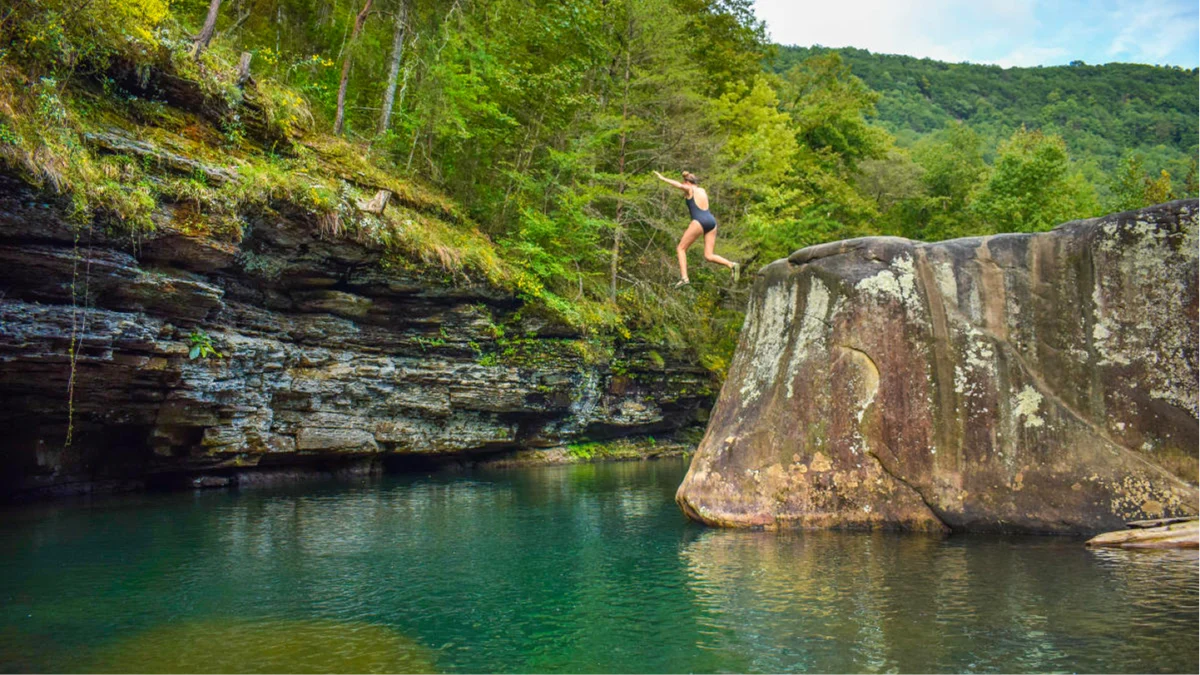
The city of Chattanooga, Tennessee, has officially solidified its reputation as a global leader in urban-nature integration, becoming the first city in the United States to be designated as a National Park City. This title, awarded by the World Urban Parks organization and the National Park City Foundation, recognizes cities that prioritize long-term commitments to making their urban environments greener, healthier, and more resilient. Far from being a traditional national park managed by federal authorities, the National Park City status reflects a community-wide dedication to outdoor accessibility, biodiversity, and the preservation of the rugged landscapes that define the Cumberland Plateau and the Tennessee River Valley. This designation serves as a milestone in Chattanooga’s decades-long transformation from an industrial center to a premier destination for outdoor enthusiasts and conservationists alike.
The Genesis of the National Park City Movement in America
The concept of the National Park City originated in London, which became the world’s first in 2019. The movement encourages residents and local governments to treat the entire urban area as an ecosystem where people and nature coexist. For Chattanooga, the journey toward this designation began with the environmental reclamation efforts of the late 20th century. In 1969, the city was famously labeled by federal officials as having the dirtiest air in the country. Since then, a concerted effort involving public-private partnerships, land trusts, and municipal planning has reclaimed thousands of acres of mountainside and riverfront.
The formal application for National Park City status required Chattanooga to demonstrate a comprehensive network of greenways, accessible trailheads within city limits, and a commitment to protecting the unique biodiversity of the Southeast. Today, the city serves as a blueprint for how mid-sized American cities can leverage their natural assets to drive tourism, improve public health, and foster a culture of stewardship.
Preservation and Rugged Beauty: North Chickamauga Creek Gorge State Park
Central to Chattanooga’s outdoor appeal is the 6,000-acre North Chickamauga Creek Gorge State Park. This protected area is a critical component of the region’s ecological health, serving as a sanctuary for the steep and narrow North Chickamauga Creek as it descends toward its confluence with the Tennessee River. The park is characterized by its dramatic topography, featuring towering sandstone bluffs and ancient old-growth forests that have remained largely untouched by development.
The park’s trail system is designed to accommodate various skill levels while emphasizing conservation. The one-mile Blue Hole Trail is perhaps the most frequented path, leading visitors to a series of natural pools that have become iconic symbols of the region’s "wild" backyard. However, the park’s significance extends beyond recreation; it is a vital corridor for migratory birds and home to rare plant species endemic to the Cumberland Plateau. According to data from the Tennessee Department of Environment and Conservation (TDEC), the gorge serves as a primary drainage basin, and its preservation is essential for maintaining water quality in the broader Tennessee River system.
The Crown Jewel of the Tennessee River Gorge: Prentice Cooper State Forest
Located just ten miles from downtown Chattanooga, the Prentice Cooper State Forest encompasses over 24,000 acres, offering a stark contrast to the city’s urban core. Within this vast expanse lies the Mullens Cove Loop, a 10-mile trail that seasoned hikers consider the "highlight reel" of the local trail system. This loop provides a comprehensive overview of the region’s geological and botanical diversity.
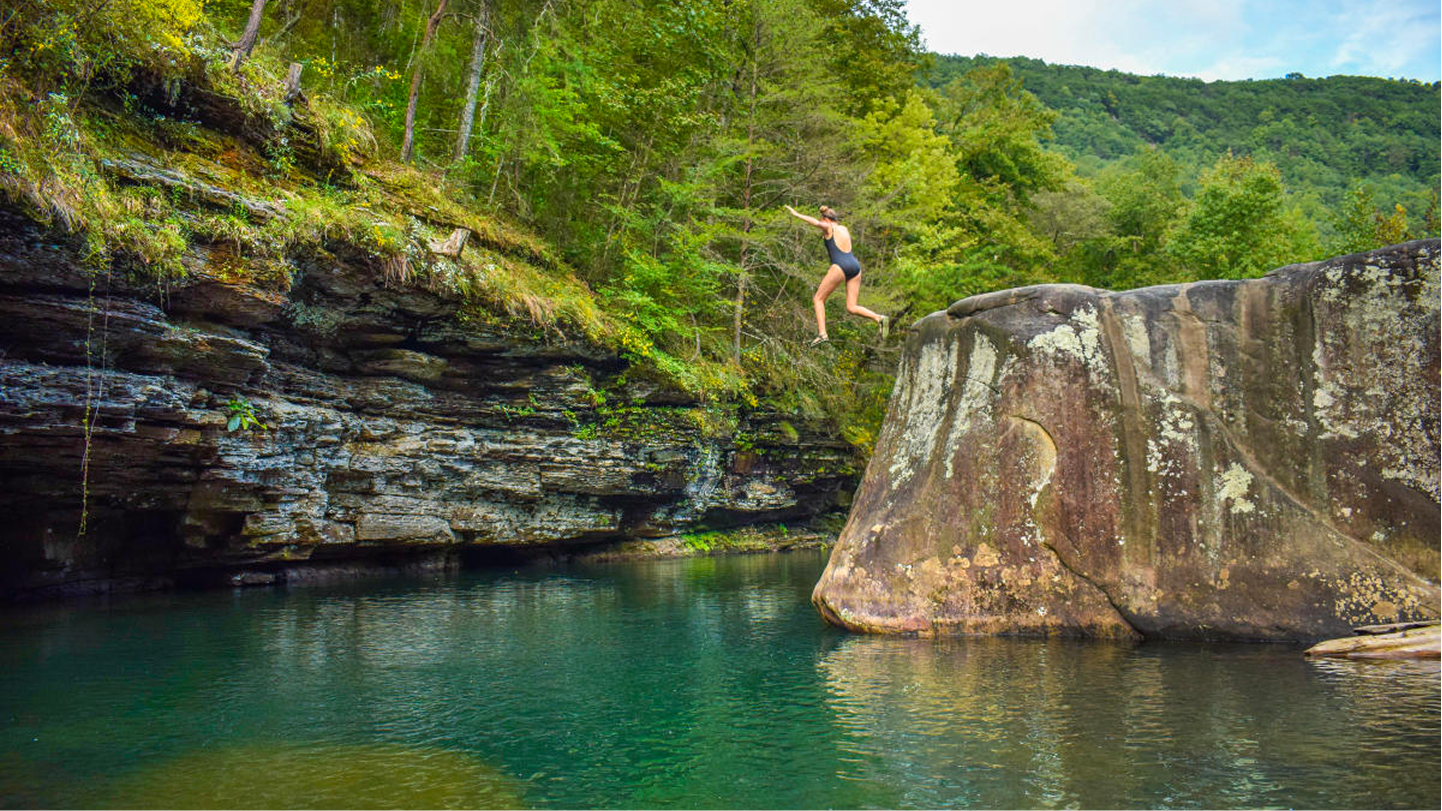
The Mullens Cove Loop is notable for its seasonal transitions; in the spring, the forest floor is carpeted with native wildflowers, while the autumn months offer panoramic views of the changing foliage across the Tennessee River Gorge. Key landmarks along the trail include Snooper’s Rock, an outcropping that provides a 180-degree view of a massive S-curve in the Tennessee River. Additionally, the trail passes the Indian Rockhouse, a significant archaeological and geological feature that served as a natural shelter for indigenous populations for centuries. The management of Prentice Cooper by the Tennessee Division of Forestry balances timber management with recreational use, ensuring that the forest remains a working landscape that supports both the economy and the environment.
Strategic Infrastructure: The Cumberland Trail and Edward’s Point
The connectivity of Chattanooga’s trail system is best exemplified by its relationship with the Cumberland Trail, an ambitious project that aims to create a 300-mile footpath from the Cumberland Gap to the Tennessee River. A vital segment of this network connects Rainbow Lake to Edward’s Point on Signal Mountain.
The hike to Edward’s Point is often cited as one of the most rewarding day hikes in the region. The quickest route, a 1.9-mile section of the Cumberland Trail starting from Rainbow Lake, traverses rugged terrain to reach a rocky overlook hanging over the Tennessee River Gorge. This area is managed in part by the Tennessee River Gorge Trust, a non-profit organization dedicated to protecting the "Grand Canyon of Tennessee." Data from the Trust indicates that over 17,000 acres of the gorge have been protected to date, preventing the fragmentation of habitats and ensuring that scenic vistas like those from Edward’s Point remain unobstructed by residential sprawl.
Urban Integration and the North Shore: Stringer’s Ridge Park
While the state parks and forests offer a deep-wilderness experience, Stringer’s Ridge Park represents the "urban" half of the National Park City equation. Spanning just 92 acres in the North Shore neighborhood, Stringer’s Ridge was saved from commercial development through a grassroots campaign led by the Trust for Public Land and local residents in 2008.
Despite its modest size, the park features seven miles of well-groomed singletrack trails optimized for both hikers and mountain bikers. Its proximity to the downtown waterfront makes it a "primo" destination for residents looking for a nature-immersion experience without leaving the city. The park’s observation deck offers a unique vantage point where the skyline of Chattanooga is framed by the surrounding ridges, illustrating the city’s commitment to "blending outdoor and urban living." The success of Stringer’s Ridge has prompted city planners to investigate similar "pocket wilderness" projects in other neighborhoods to ensure equitable access to green space.
The Economic Impact of the Outdoor-to-Table Ecosystem
The rise of Chattanooga as a National Park City has had a measurable impact on the local economy. According to the Outdoor Industry Association, outdoor recreation in Tennessee generates approximately $11.9 billion in consumer spending annually and supports over 100,000 jobs. In Chattanooga, this "outdoor brand" has fostered a unique service industry that caters to hikers, climbers, and paddlers.
Local businesses like the Bluegrass Grill have become integral to the hiking culture. As a family-owned establishment specializing in Southern-style breakfast and lunch, the restaurant serves as a community hub for "post-hike fuel." By offering a menu that includes traditional staples like "Glorious Grits" alongside vegan-friendly options and fresh-baked bread, such establishments reflect the diverse demographics of the modern outdoor community. The synergy between the city’s natural assets and its culinary scene is a key factor in its high visitor retention rates.

Chronology of Conservation and Future Outlook
The timeline of Chattanooga’s environmental evolution is a testament to long-term planning:
- 1969: Chattanooga is named the most polluted city in the U.S.
- 1980s: Launch of the "Vision 2000" initiative, prioritizing the revitalization of the riverfront.
- 2002: The Tennessee Riverpark system expands, connecting downtown to the surrounding wilderness.
- 2008: Successful preservation of Stringer’s Ridge.
- 2024-2025: Official designation as America’s first National Park City.
Looking forward, the Chattanooga Tourism Co. and municipal leaders are focusing on the "2030 Green Plan," which aims to have a park or greenway within a 10-minute walk of every resident. This goal aligns with the National Park City ethos of democratizing nature.
Broader Implications for American Urbanism
Chattanooga’s achievement as the first National Park City in the United States sets a precedent for other American municipalities. It challenges the traditional dichotomy between "urban" and "wild," suggesting that a city can grow economically while simultaneously expanding its canopy and trail networks. The implications are significant for public health, as studies consistently show that proximity to green space reduces stress and improves cardiovascular health.
Furthermore, the city’s model of using outdoor recreation as a primary tourism driver provides a sustainable alternative to traditional industrial development. By protecting the North Chickamauga Creek Gorge, the Tennessee River Gorge, and urban ridges like Stringer’s, Chattanooga has secured its status as a "City in a Park." As climate change continues to impact urban environments, the "National Park City" framework offers a strategy for building resilient cities that utilize natural landscapes to mitigate heat islands and manage stormwater.
In conclusion, Chattanooga’s transformation is more than a rebranding effort; it is a comprehensive structural shift toward environmental stewardship. Whether through the rugged 10-mile loops of Prentice Cooper or the quick urban sprints of Stringer’s Ridge, the city offers a multifaceted outdoor experience that justifies its new title on the world stage. As the first of its kind in America, Chattanooga now carries the responsibility of proving that the National Park City model can thrive in the United States, paving the way for a greener future for urban centers nationwide.




 Chandra Hamzah
 Tatiana Tantri Indah Sari
 Budi Mulyono
 Lukman Taruna Persada Ramadan