
 Anjar Salim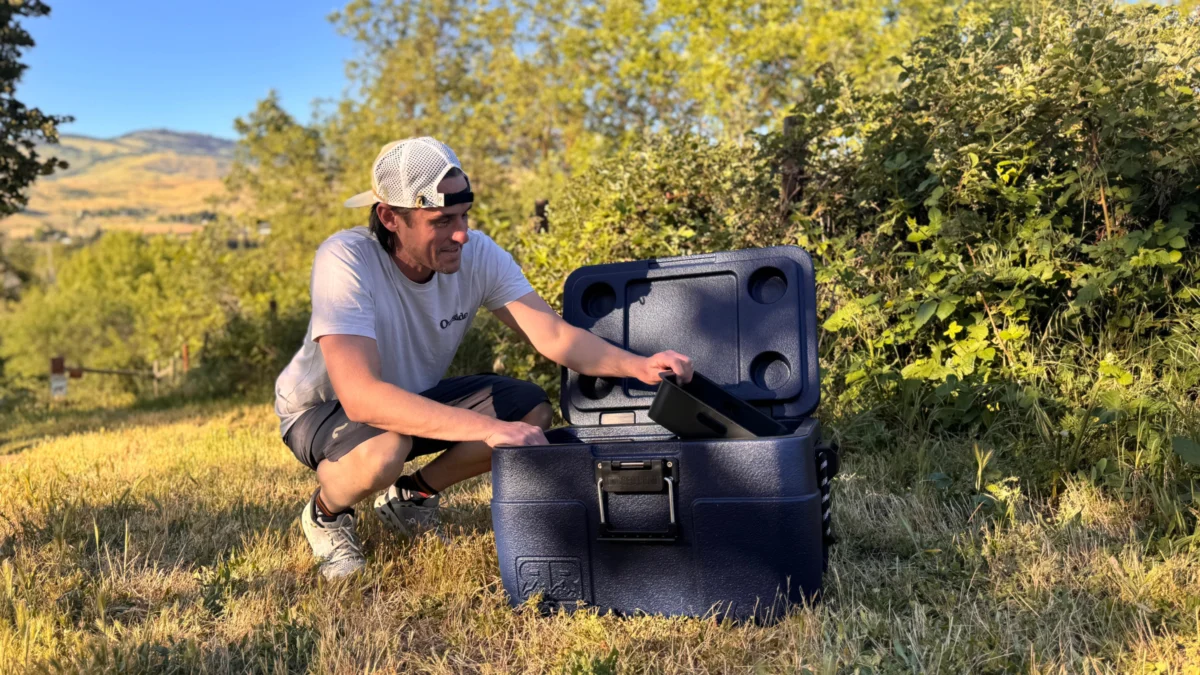
As the summer outdoor season of 2026 approaches, the demand for high-performance thermal storage has reached a new peak, driven by an increase in long-duration backcountry expeditions and the professionalization of car camping. Following a rigorous three-month evaluation period concluding in May 2026, industry experts and field testers have identified the top-performing hard coolers across eight distinct categories. This year’s testing cycle focused on the intersection of traditional rotomolded durability and emerging vacuum-insulation technologies, reflecting a broader market shift toward specialized gear designed for specific environmental challenges.
The Evolution of Portable Cold Storage: A 2026 Market Overview
The cooler industry has undergone a significant transformation over the last decade. Once dominated by simple foam-insulated plastic boxes, the market now features sophisticated appliances that utilize medical-grade insulation, compressor-based cooling, and aerospace-inspired materials. Lead tester Joe Jackson, a veteran raft guide with 25 years of experience, notes that the modern cooler has transitioned from a basic accessory to a critical safety tool. In extreme environments, such as 14-day excursions through the Grand Canyon, the ability to maintain food-safe temperatures is not merely a convenience but a logistical necessity.
The 2026 testing cohort represented the most diverse array of technologies to date. From the "acoustic" or non-powered coolers that rely on thermal mass to the "e-coolers" that function as mobile refrigerators, the performance gap is narrowing as manufacturers find new ways to reduce weight without sacrificing ice retention.
Chronology of the 2026 Testing Phase
The evaluation process for the 2026 cooler guide spanned 90 days, beginning in late February and concluding in mid-May. To ensure real-world reliability, the testing team moved beyond laboratory settings to conduct field trials in varied North American climates.
- Phase I: Laboratory Calibration (February 2026): Initial testing involved "nerding out" in university science labs to measure thermal conductivity and seal integrity under controlled conditions.
- Phase II: High-Impact Durability (March 2026): Historical tests have included extreme measures such as dropping fifty-foot trees on units. This year, testers focused on high-frequency use—sliding units across truck beds, strapping them into raft frames, and assessing the "patina" of wear after weeks of heavy friction.
- Phase III: Field Deployment (April – May 2026): Units were distributed to a team of experienced outdoorsmen and women. Key locations included the Klamath River for rafting stability, the Marble Mountains for high-altitude camping, and the Oregon Coast for moisture and salt-air resistance.
Top Performers: Categorical Analysis and Data
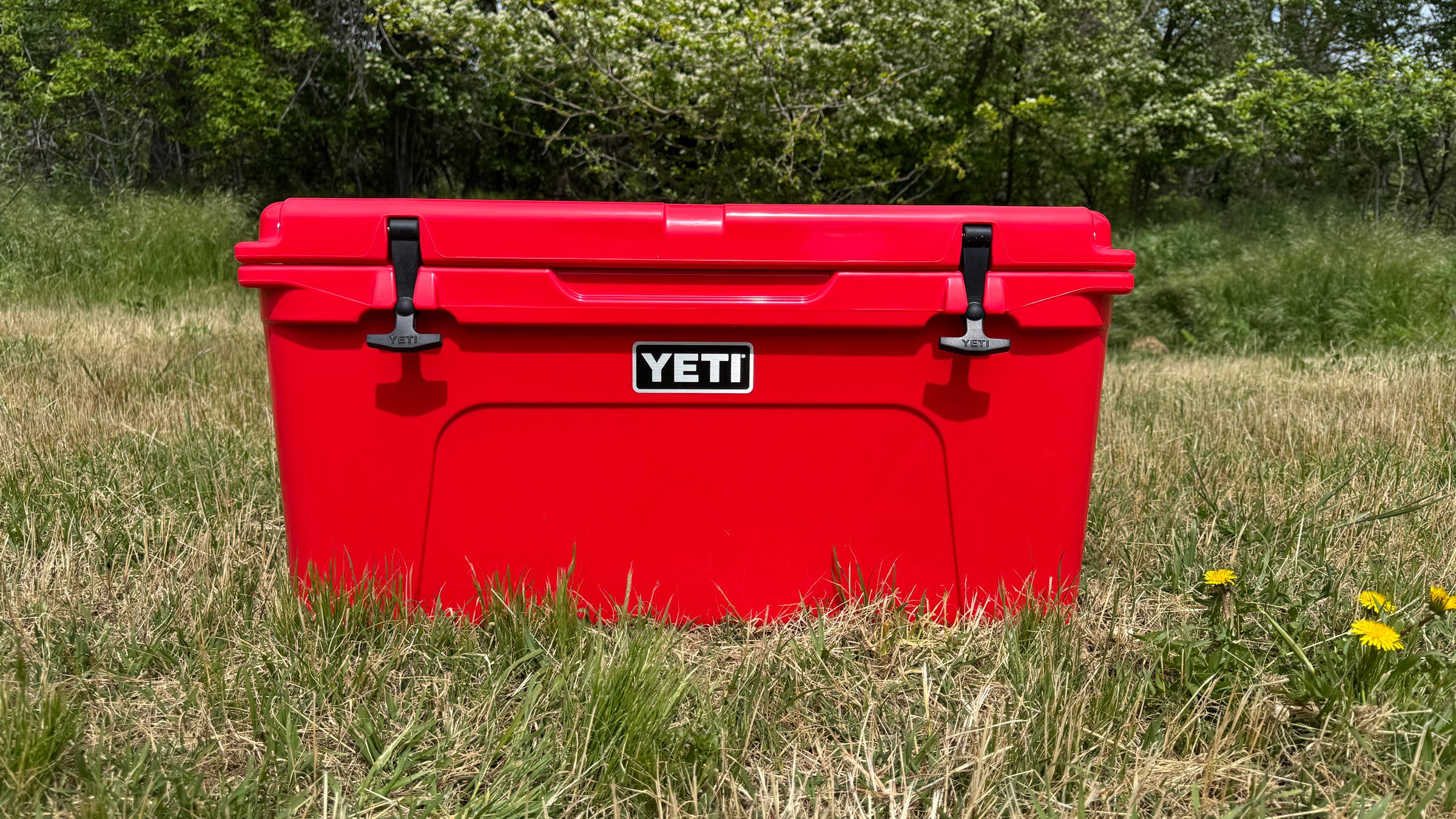
Best Overall: Yeti Tundra 65
The Yeti Tundra 65 remains the industry benchmark for rotomolded performance. Despite a lack of radical design overhauls, its consistency in the field secured its top ranking.
- Performance Data: During a three-day trip on the Klamath River with ambient temperatures reaching 80°F, the Tundra 65 maintained an 80% ice retention rate despite frequent openings.
- Construction: The unit utilizes a thick polyethylene body with pressure-injected polyurethane insulation.
- Verdict: While heavy at 29 pounds empty and carrying a premium price tag, its longevity and "bomb-proof" construction make it a legacy investment.
Most Rugged: Canyon Coolers Outfitter 75
For professional-grade durability, the Canyon Outfitter 75 outperformed competitors in harsh environments.
- Design Innovation: It features a unique "bottom-up" latching system that provides superior leverage, creating a tighter gasket seal than traditional "top-down" latches.
- Ice Retention: Rated at 10/10 by testers, it is designed for multi-day river trips and desert heat. The matte finish is specifically engineered to hide the superficial scratches common in rugged transit.
The Electric Revolution: Dometic and Travoca
The 2026 season saw a surge in "e-cooler" adoption, fueled by the proliferation of high-capacity portable power stations.
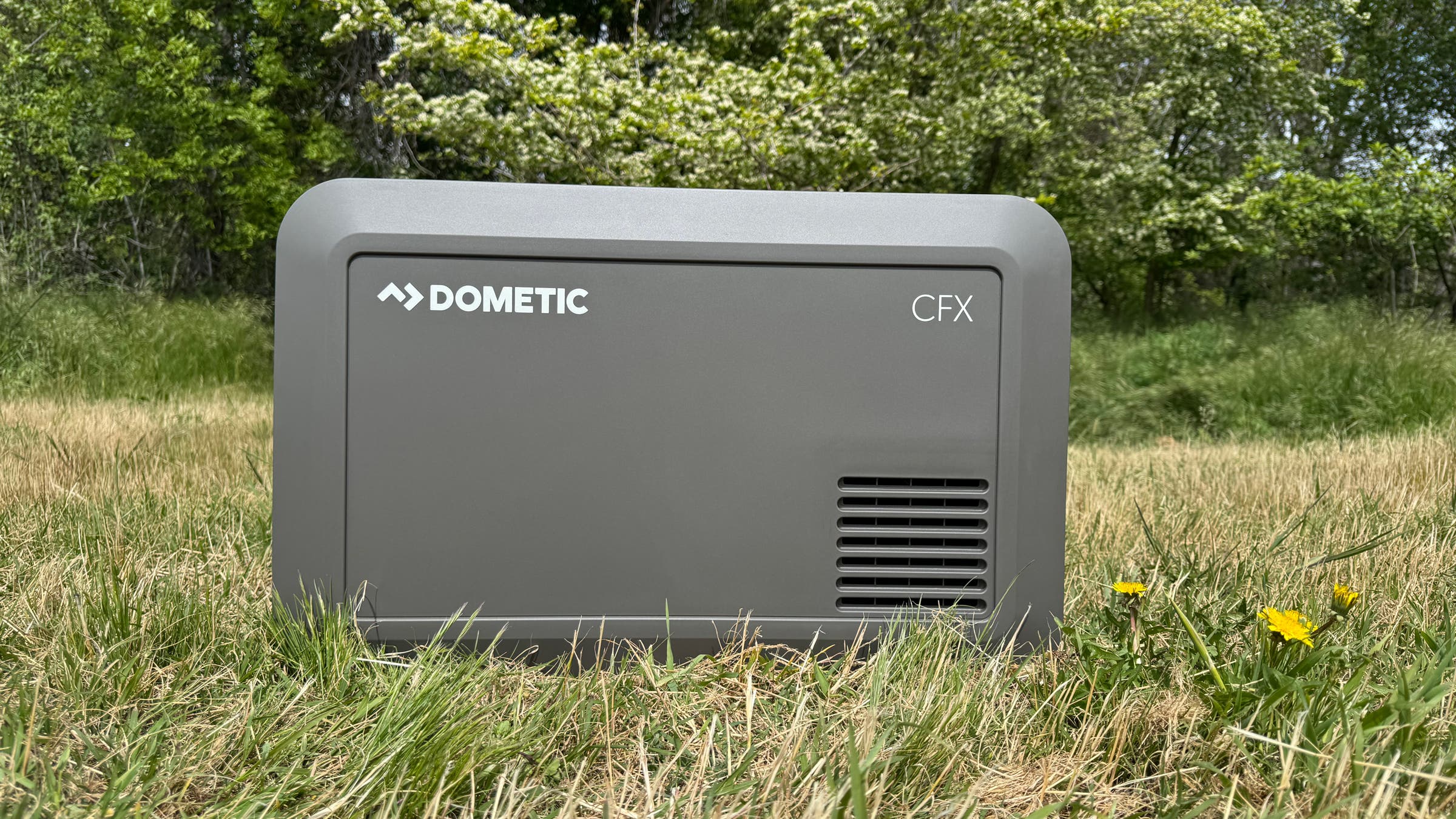
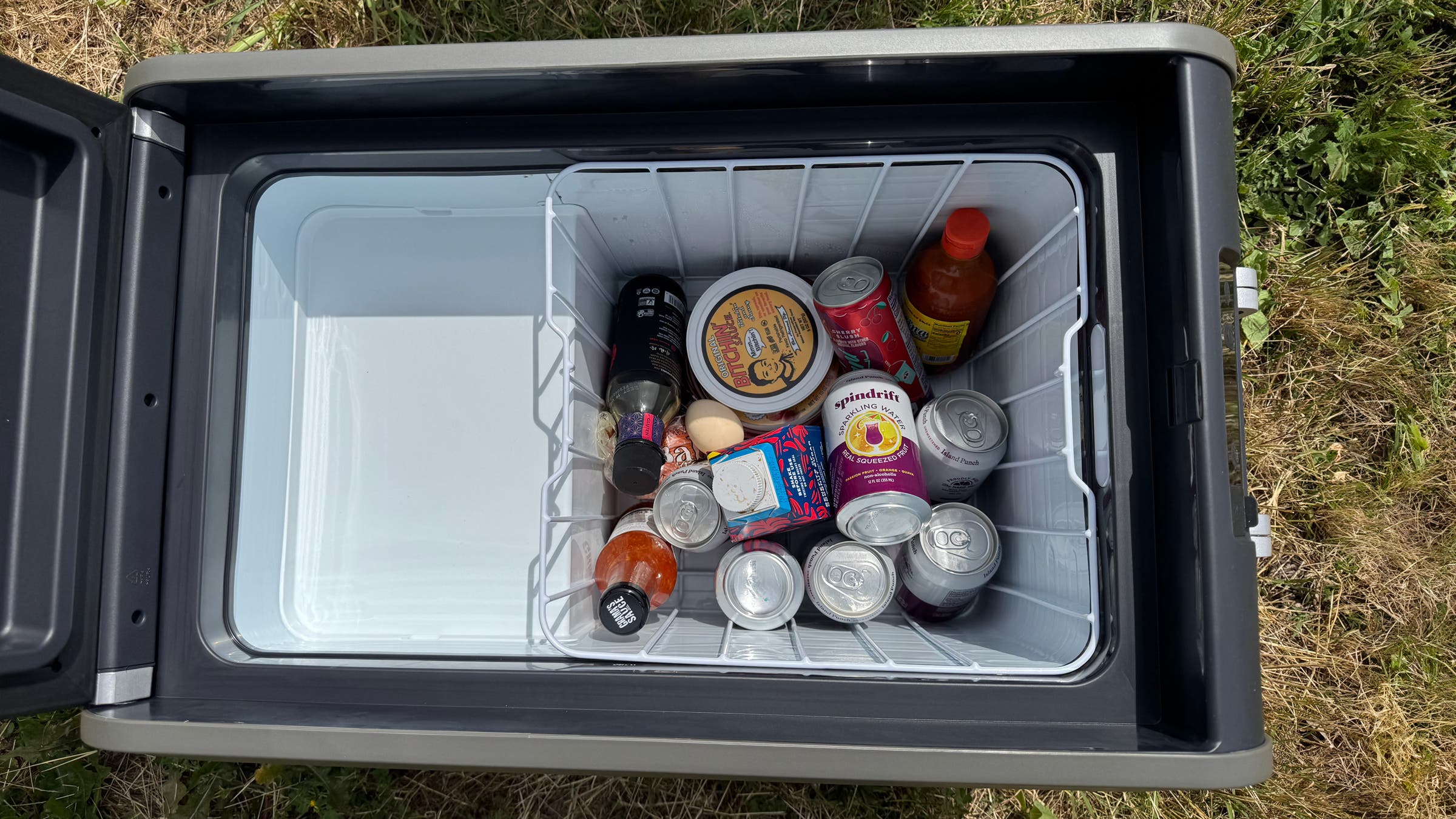
- Dometic CFX5 35: This compressor-based unit functions as a mobile fridge, capable of holding precise temperatures without the need for ice. Testers highlighted its resilience, noting that a unit dropped from a truck bed continued to function without mechanical failure.
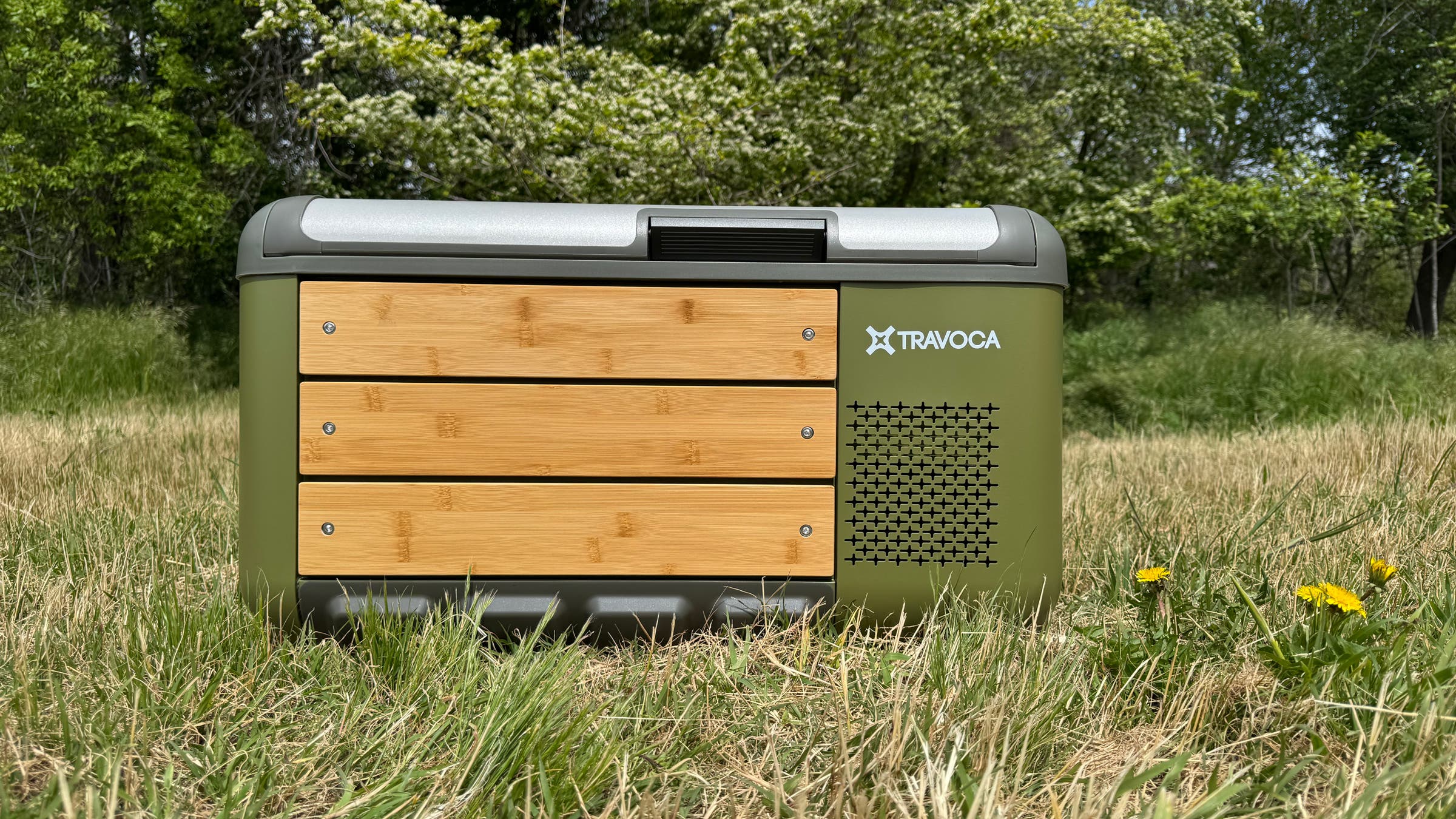
- Travoca Rigel 45 Dual Zone: Recognized as the "Most Innovative," the Rigel 45 utilizes vacuum-insulated panels (VIPs) rather than standard foam. This allows for a dual-zone setup where one side acts as a freezer and the other as a refrigerator, reaching freezing temperatures in approximately 20 minutes.
Lightweight and Design-Forward Options
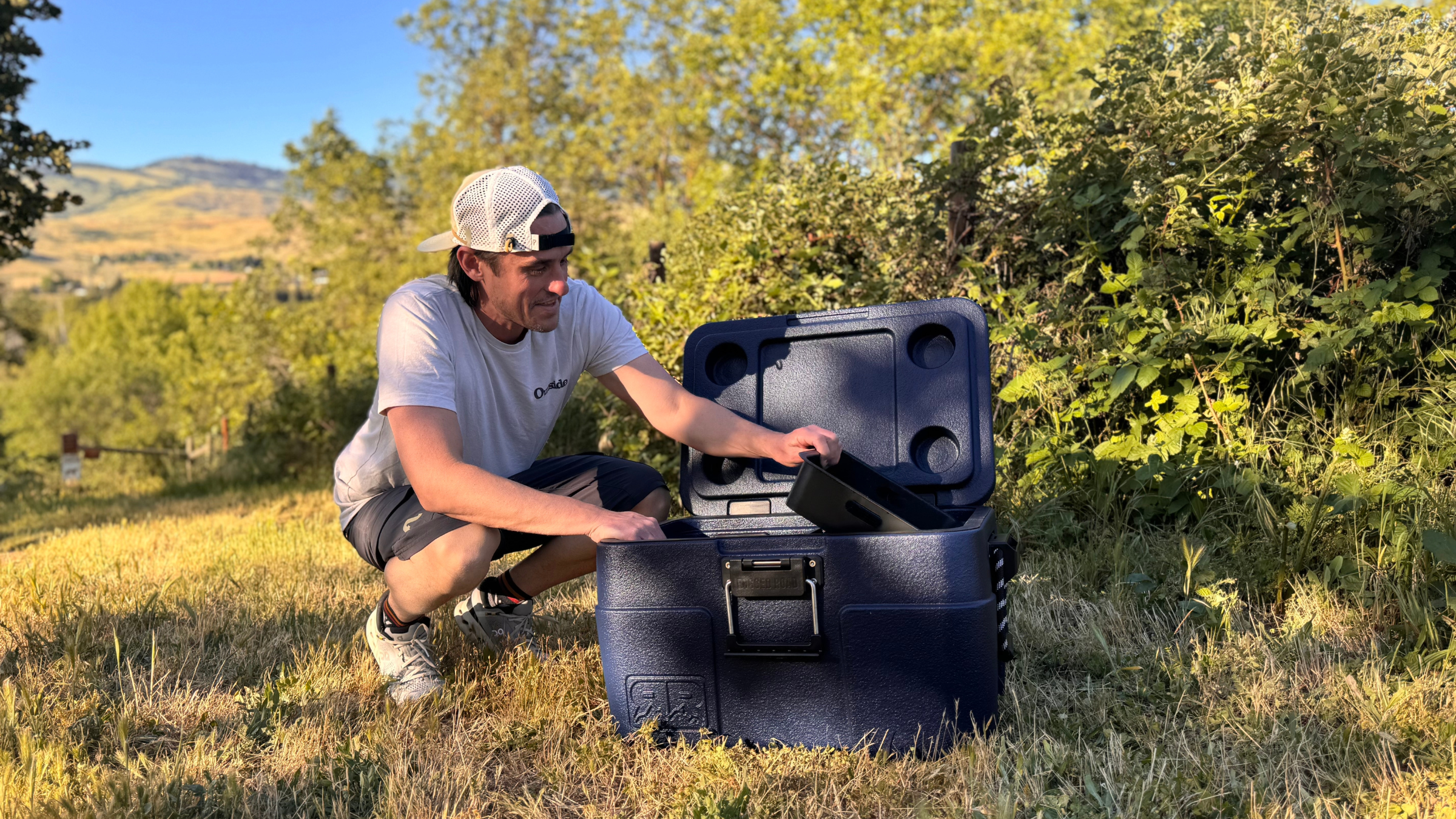
- Rugged Road 65 V2: Weighing only 13 pounds—less than half the weight of the Yeti Tundra 65—this unit uses Rigorite-coated foam. It offers a "magic trick" of high-volume storage with minimal physical strain, though it trades some long-term ice retention for its portability.
- Oyster Tempo Pro: This unit represents the "designer" segment of the market. Built with aluminum panels and a vacuum-sealed core, it eliminates the need for large quantities of ice, relying instead on purpose-built cooling packs and a built-in thermometer to monitor internal food safety.
Budget Considerations and Accessibility: The Igloo Factor
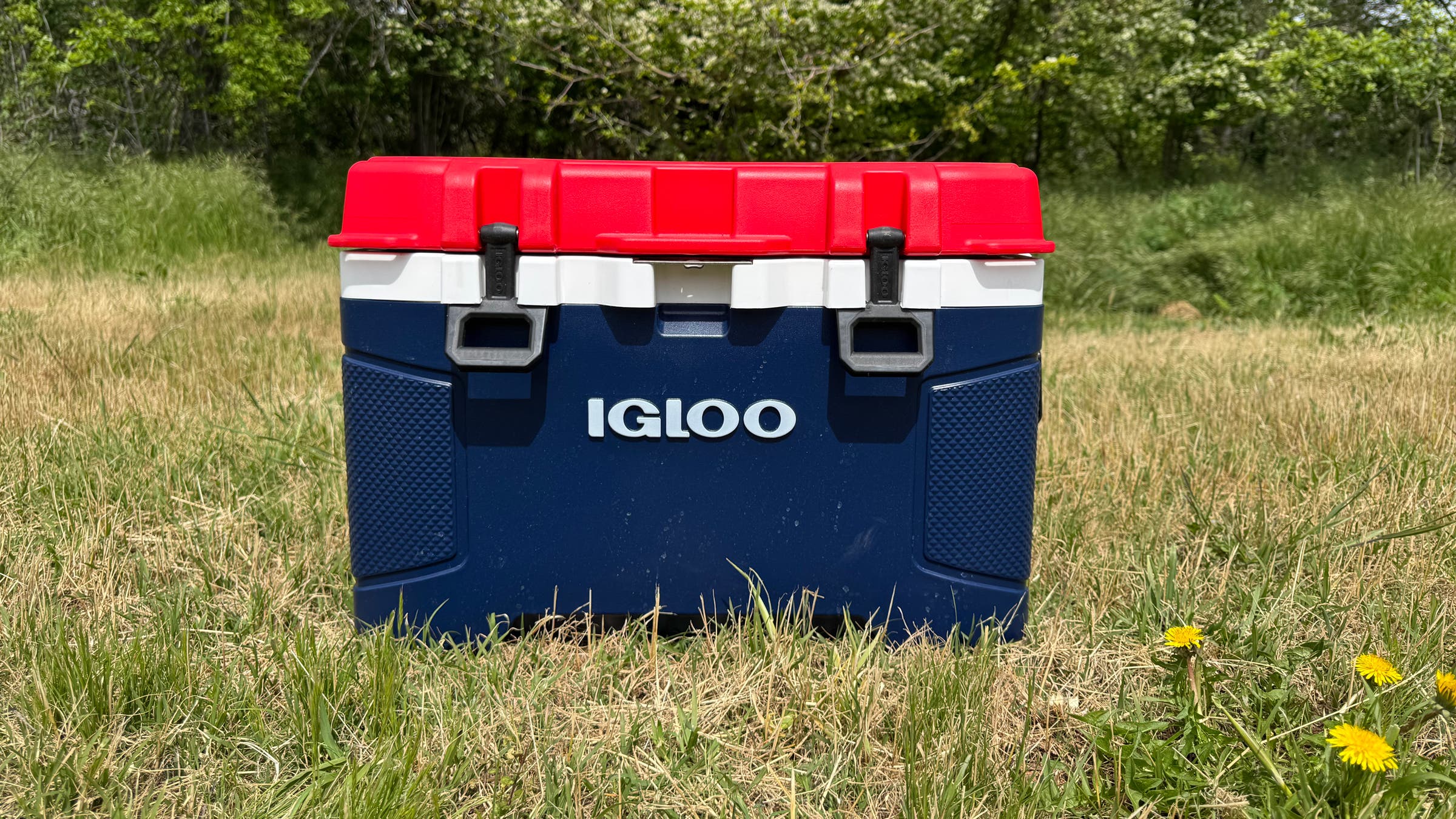
While high-end coolers often exceed $400, the 2026 test included the Igloo Trailmate 50 Qt to address the needs of casual users. At approximately $120, the Trailmate offers roughly 80% of the performance of premium models at 30% of the cost.
Analysis shows that for 48-hour trips, the ice retention disparity between a $120 cooler and a $500 cooler is negligible for food safety, provided the user follows proper thermal management protocols. The Trailmate’s inclusion of all-terrain wheels and integrated accessories like cutting boards makes it a pragmatic choice for weekend picnickers and beach-goers who do not require week-long ice preservation.
Technical Analysis: The Science of Ice Retention
The 2026 testing highlights three critical factors that determine a cooler’s effectiveness:
- Thermal Mass and Pre-Cooling: A cooler’s internal foam or insulation can hold heat. Testers found that "pre-cooling" a unit with sacrificial ice 24 hours before a trip significantly extended the life of the primary ice supply.
- Gasket Integrity: The seal between the lid and the body is the primary point of failure. Rotomolded coolers like the Grizzly Scout 40 utilize metal-enforced latches to squeeze gaskets, creating an airtight environment that prevents "chimney effects" (where cold air escapes from the bottom and warm air enters from the top).
- Surface Area to Volume Ratio: Smaller coolers often struggle with ice retention compared to larger models because they have a higher surface area relative to the volume of ice they can hold.
Broader Impact and Industry Implications
The shift toward high-performance coolers has broader implications for outdoor safety and environmental sustainability. By extending the window for safe food storage, these tools allow adventurers to travel deeper into wilderness areas without relying on dehydrated or shelf-stable rations, which often produce more plastic waste.
Furthermore, the "buy once, cry once" philosophy is gaining traction among environmentally conscious consumers. Durable units from brands like Yeti, Canyon, and Grizzly are designed to last decades, reducing the turnover of cheap, disposable foam coolers that often end up in landfills.
Expert Guidelines for Selection and Maintenance
Choosing the correct cooler in 2026 depends on group size and trip duration. Lead testers suggest the following general rules:
- Day Trips to Weekends: 20 to 45 liters.
- Three to Seven Days: 55 to 70 liters.
- Management: Keep the lid shut. Testers observed that "rummaging" is the leading cause of internal temperature spikes. Organizing contents with baskets and retrieving items "with purpose" can save hours of ice life.
As the industry moves toward the latter half of the decade, the integration of smart technology—such as the app-based temperature monitoring found in the Travoca and Dometic models—is expected to become standard, further blurring the line between traditional camping gear and high-tech appliances. For the summer of 2026, the market offers a solution for every tier of adventurer, provided they are willing to weigh the trade-offs between weight, price, and thermal performance.




 Chandra Hamzah
 Tatiana Tantri Indah Sari
 Budi Mulyono
 Lukman Taruna Persada Ramadan