
 Anjar Salim
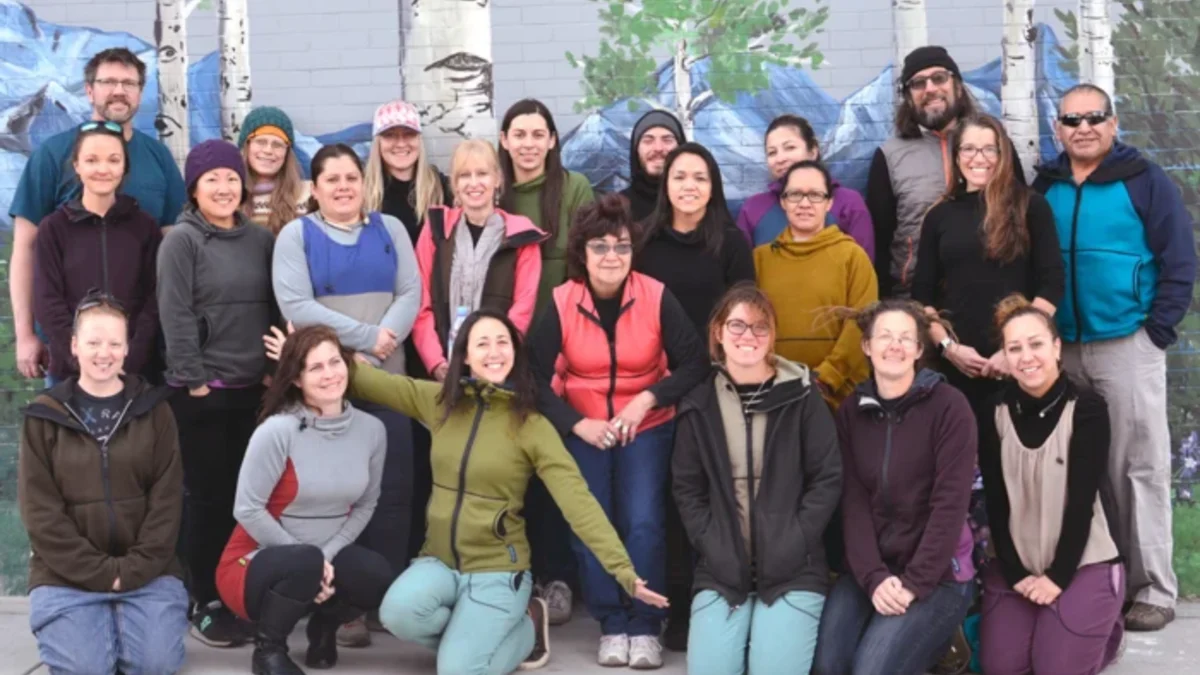
At a hardware store in Portland, Oregon, a familiar silhouette appears across the garden center: the signature micro-grid fleece, featuring contrasting sleeve and torso colors paired with a drawcord hood. Moments later, the wearer pushes a shopping cart toward the landscaping aisle. As the two patrons cross paths, an unspoken recognition passes between them. A casual "Nice Melly" is met with a knowing smile and a question rooted in geography: "You from Colorado?"
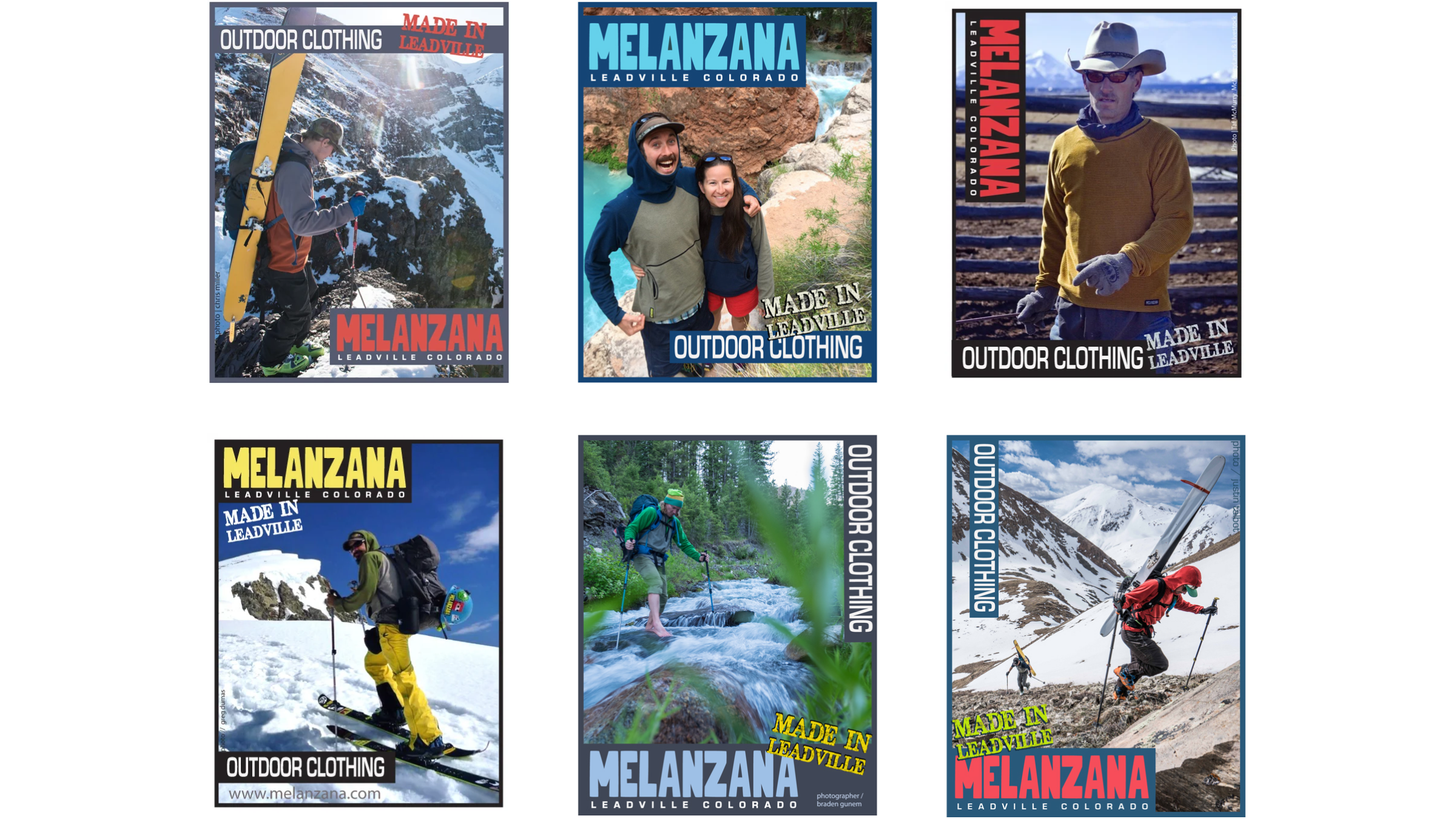
This interaction is a common occurrence for owners of the distinctive fleece manufactured by Melanzana. Headquartered in Leadville, Colorado—the highest incorporated city in North America at an elevation of 10,152 feet, with a population of 2,633—the brand has cultivated a dedicated following. What began in the mid-1990s as a localized sewing operation has evolved into a cultural phenomenon within the outdoor recreation community, turning a humble, hand-crafted garment into a symbol of authenticity and shared identity.
Main Facts and Origins
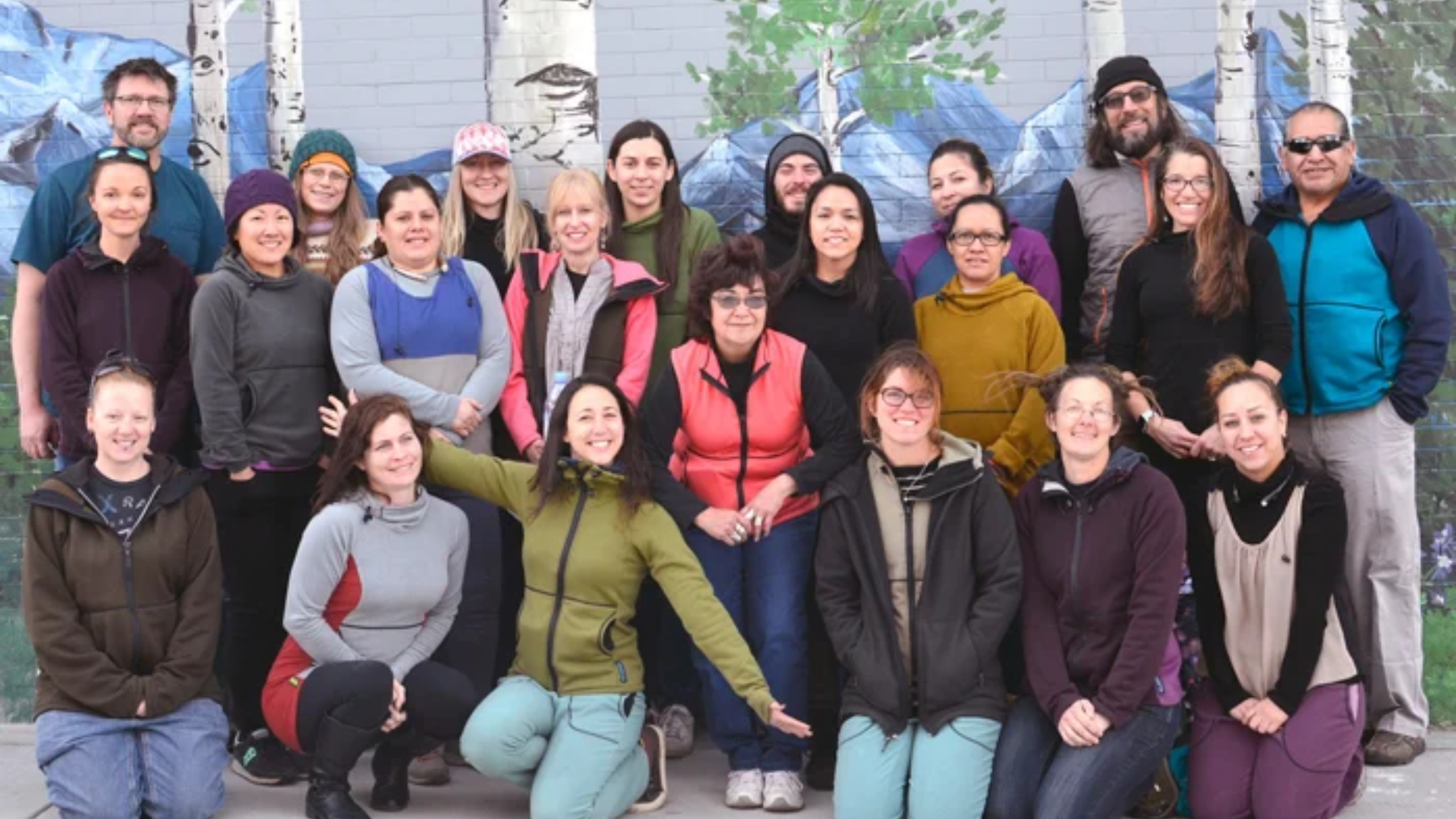
Founded in 1994, Melanzana has operated under the continuous leadership of co-founder Fritz Howard. In his twenties, Howard, a New England native, partnered with childhood friend Kevin "Kevco" Crochetiere to acquire Polartec fleece remnants from an outlet in Lawrence, Massachusetts. Utilizing sewing skills taught to him by his mother during childhood, Howard began producing basic garments for friends and local acquaintances.
For the first two winters of the business, Howard minimized overhead by living in the wilderness outside Leadville inside a hand-sewn tipi. The enterprise was initially named "Eggplant"—chosen because the unconventional vegetable represented the exact antithesis of major corporate outdoor brands. Following a trademark conflict, the name was officially changed to Melanzana, the Italian translation for eggplant.
Howard deliberately selected Leadville to avoid the commercialism and ostentation typical of major ski resort towns. Operating with an anti-corporate ethos, he intended to provide affordable, durable gear as a localized service to his neighbors rather than pursue mass-market fame or personal wealth. However, as word-of-mouth acclaim and product reliability drove demand upward, the small-scale operation transformed into an influential fixture of the North American outdoor apparel industry.
Chronology and Evolution of the Brand
The trajectory of Melanzana spans over three decades, marked by steady, deliberate growth rather than aggressive commercial expansion.
- 1994: Fritz Howard and Kevin Crochetiere found the company in Leadville, Colorado, initially operating out of a small space on Harrison Avenue and producing basic fleece garments from fabric remnants.
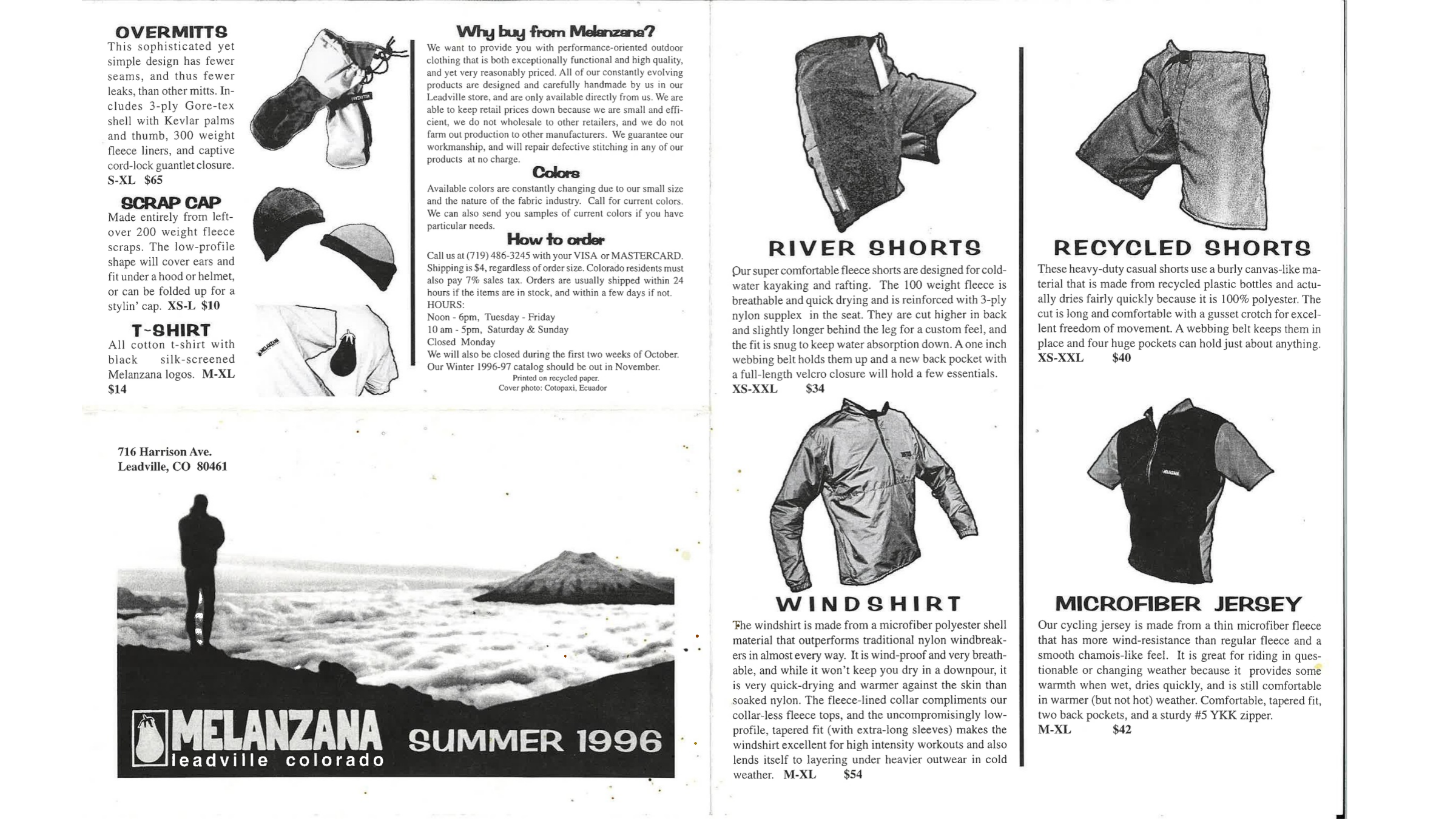
- 1996: The brand’s summer catalog features a diverse array of river shorts, windshirts, microfiber jerseys, T-shirts, and caps, reflecting an early focus on general river and mountain recreation rather than cold-weather fleeces.
- Early 2000s: Prompted by the ingenuity of in-house sewers who began experimenting with custom pullover prototypes, Melanzana officially introduces the Polartec Micro Grid hoodie, establishing the brand’s signature product line.
- 2008: Howard purchases the building at 716 Harrison Avenue, consolidating operations into a permanent 7,500-square-foot facility.
- 2011: A rooftop solar array is installed on the Leadville headquarters, aligning production processes with the company’s environmental ethos.
- 2020–2021: Amid an unprecedented surge in demand during the COVID-19 pandemic, Melanzana implements purchase limits, online lotteries, and strict store traffic caps to manage inventory shortages and protect the health of its staff.
- March 2024: The company opens a second cut-and-sew facility in Alamosa, Colorado, increasing production capacity and enabling the gradual return of online sales for the first time in six years.
Supporting Data and Production Realities
The unique economic model of Melanzana directly influences its product availability and public perception. Unlike multinational outdoor apparel corporations that outsource manufacturing to overseas factories with massive output capacities, Melanzana maintains a localized, labor-intensive production model.
Every garment is cut and sewn by hand within its Colorado facilities. For decades, production was constrained to a single storefront in Leadville, where employees worked in a collaborative environment that prioritized livable wages, comprehensive benefits, and a sustainable work-life balance over rapid commercial scaling.
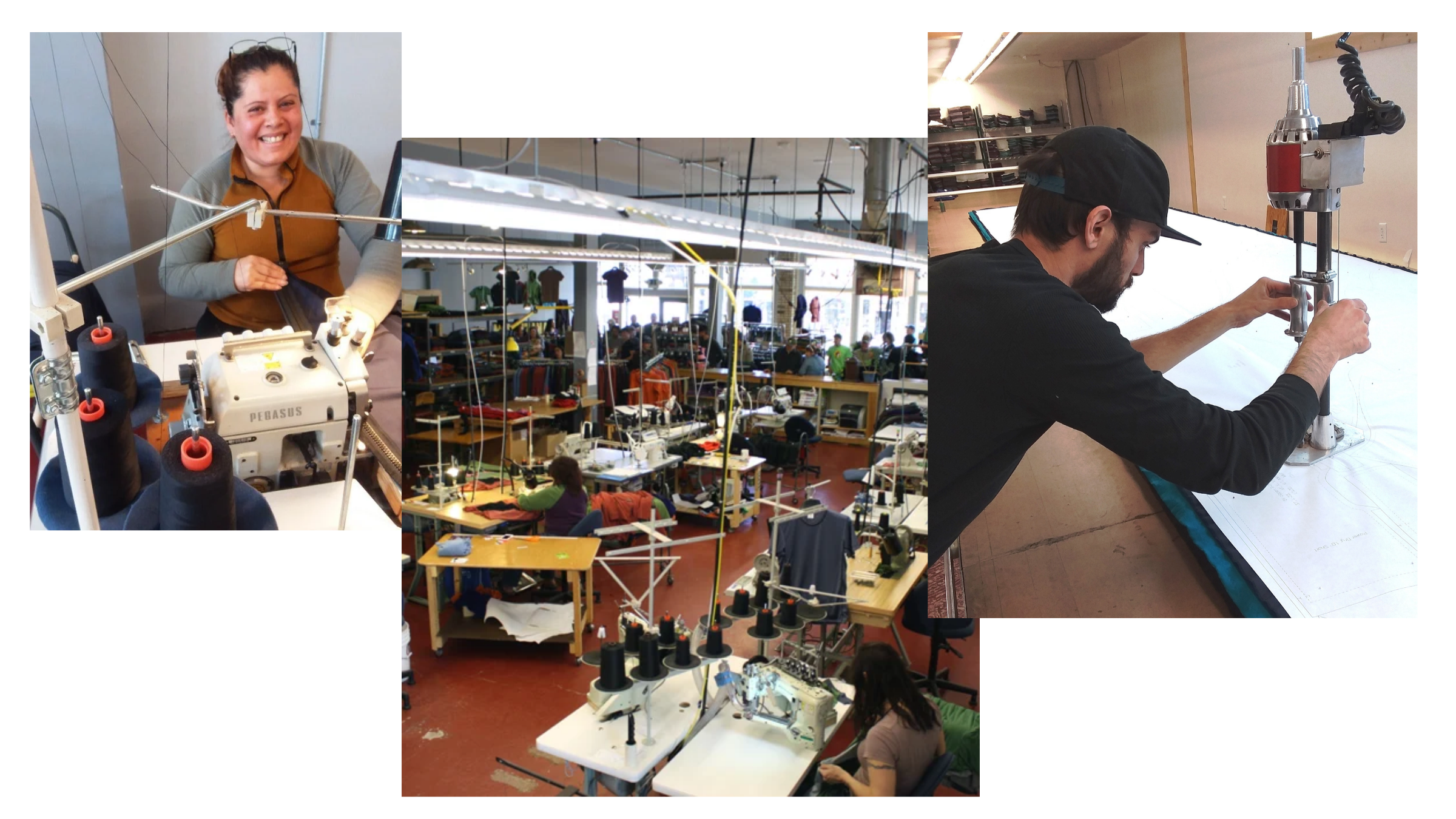
When pandemic-era supply chain disruptions coincided with viral social media exposure, consumer demand vastly outstripped production capacity. This imbalance led to internet criticism from shoppers who misconstrued purchase limitations and mandatory store appointment systems as artificial scarcity tactics. In reality, the restrictions were logistical necessities required to manage an overwhelmed inventory of hand-stitched apparel. The opening of the Alamosa facility in 2024 represents a calculated effort to alleviate wait times and expand distribution channels without compromising the craftsmanship that defines the brand.
Stakeholder Perspectives and Community Impact
While company leadership—including Howard, who declined a direct interview for this report in favor of highlighting his team—maintains a low profile, former employees, local officials, and devoted patrons offer insight into the brand’s enduring appeal.
Mark "Smokey" Burgess, Melanzana’s first retail employee and current owner of the Leadville consignment shop Community Threads, recalls the early informal atmosphere. "We would bust our ass to get product on the shelf," Burgess notes. "The weekend would come, people would buy it all, and then we’d be like, ‘Oh shit. We’ve got to make more.’ It’s been the exact same business model since way back when."
Ann Stanek, who managed advertising for the company beginning in 2004, emphasizes the steadfast adherence to foundational values. "Fritz is a great model for everybody to really just stand by what you have and don’t try and do too much; stick to your values," Stanek observes.
Local economic development officials point out that the brand serves as an economic and cultural anchor for Lake County. Adam Ducharme, tourism and economic development director for Lake County, notes that visitors travel to Leadville not merely for a transaction, but to experience a retail environment anchored in human connection and local craftsmanship. Furthermore, former bookkeeper Kendra Kurihara highlights Howard’s strategic resistance to volatile market pressures, noting that the company consistently prioritized internal stability and employee welfare over external commercial demands.
Broader Industry Implications
The trajectory of Melanzana offers a distinct case study within the contemporary outdoor apparel sector. At a time when brand scaling, venture capital investment, and global supply chains dominate the industry, Melanzana demonstrates the viability of slow, community-centric manufacturing.
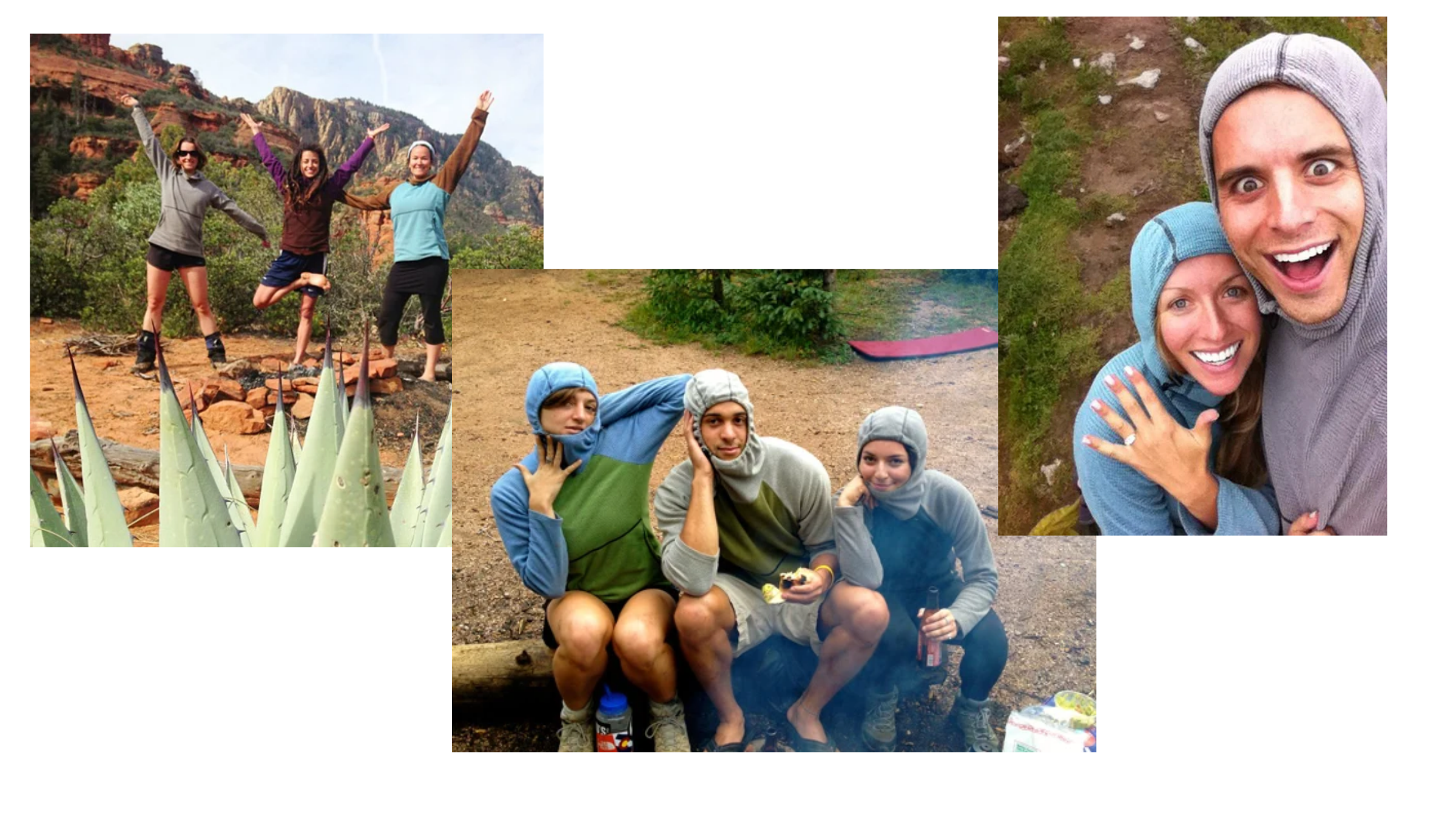
By prioritizing regional employment, sustainable energy practices, and controlled production volumes, the brand has maintained high quality control and deep customer loyalty. Even as counterfeit products and mass-market competitors attempt to replicate the iconic micro-grid design, the authentic garment remains a coveted artifact for outdoor enthusiasts. Ultimately, the Melanzana hoodie transcends its function as technical mountain wear, functioning instead as a wearable testament to the enduring appeal of localized craftsmanship in an increasingly automated world.



 Lukman Taruna Persada Ramadan
 Budi Mulyono
 Cholid Fahmi Thalib

 Diana Nuri Rohmawati

 Tatiana Tantri Indah Sari
