Diana Nuri Rohmawati
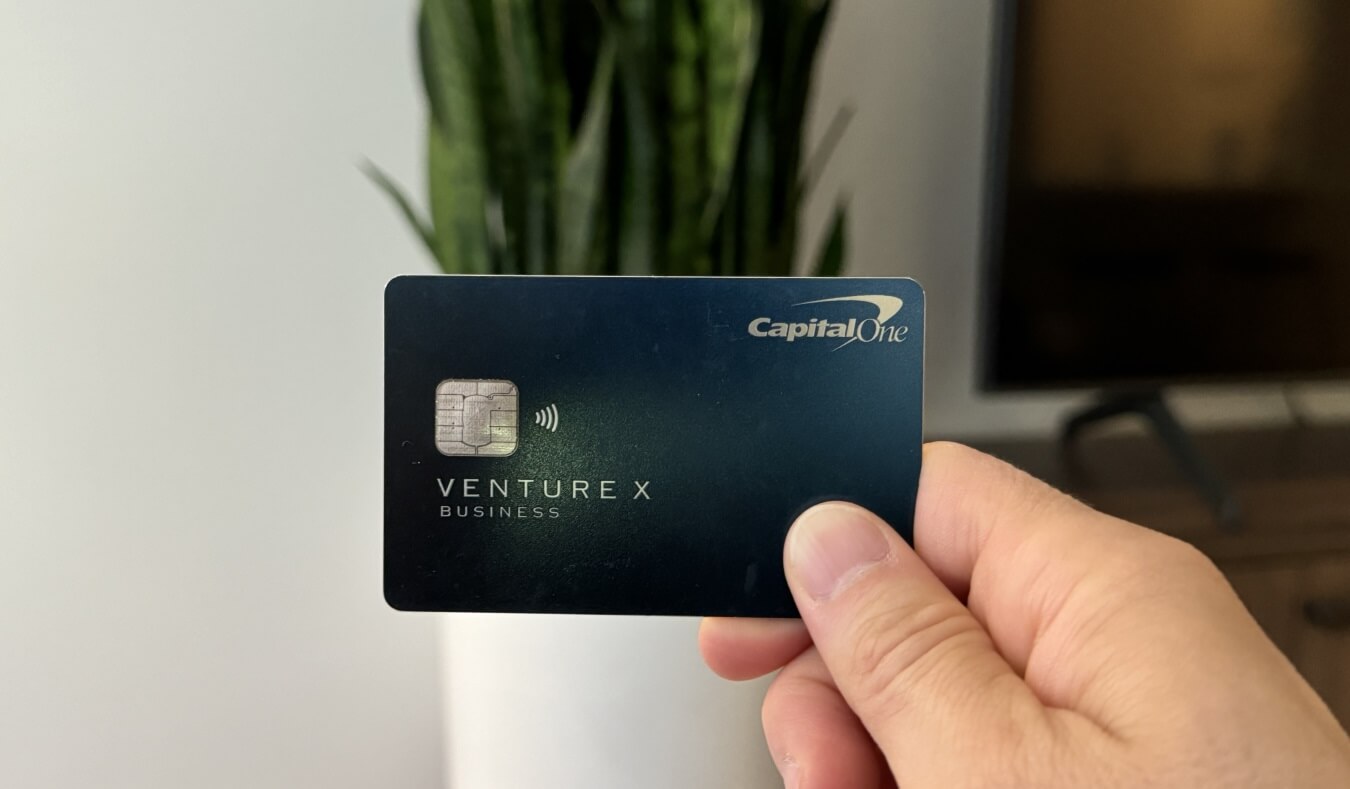
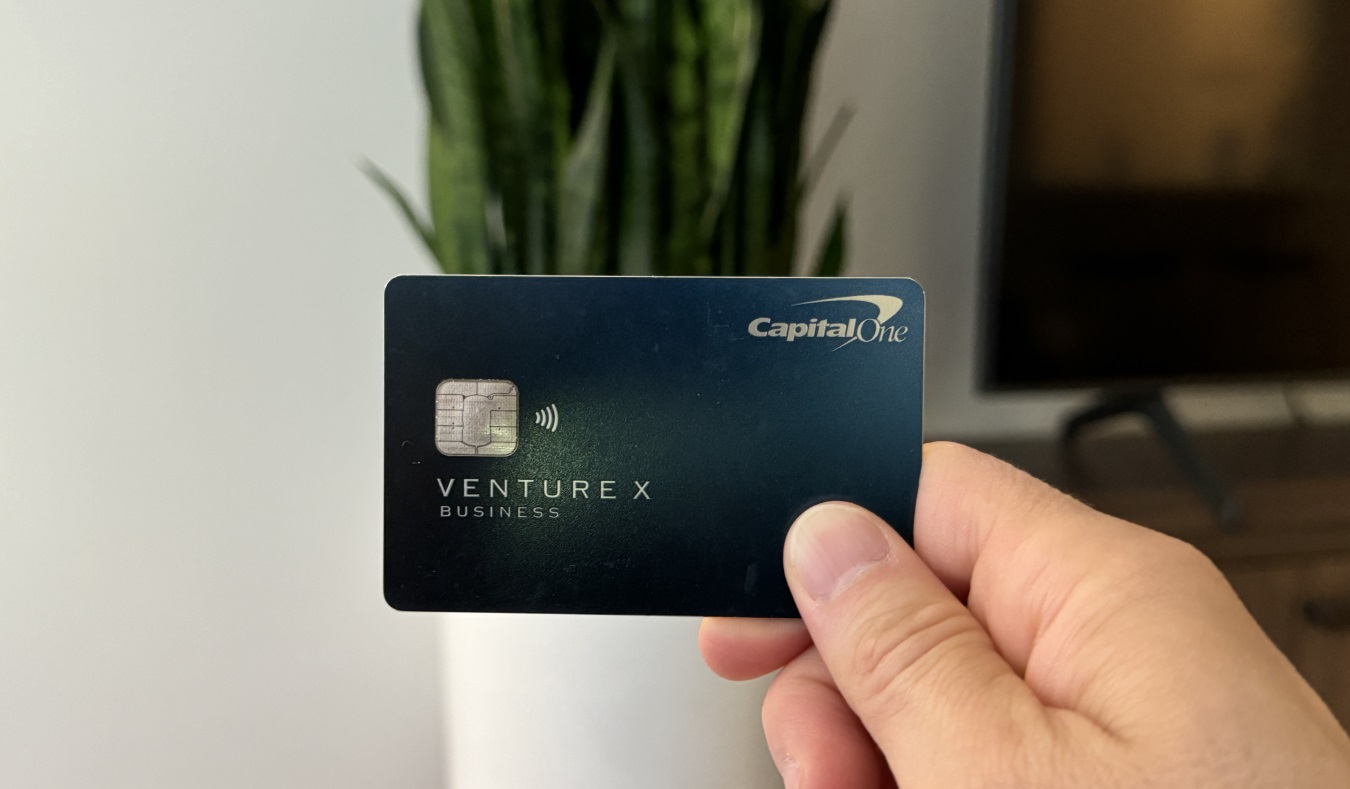
The financial services sector has witnessed a significant shift in the premium business credit card market, characterized by an increasingly competitive landscape where traditional banking institutions are vying for the loyalty of small-to-medium enterprise (SME) owners. At the center of this evolution is the Capital One Venture X Business Credit Card, a product designed to bridge the gap between high-end travel perks and a streamlined, simplified reward structure. As businesses navigate a post-pandemic travel environment, the demand for cards that offer tangible value—specifically through airport lounge access, travel credits, and flexible redemption options—has reached a new zenith. This analysis explores the technical specifications, market impact, and strategic positioning of Capital One’s flagship business offering.
The Strategic Evolution of Capital One’s Premium Portfolio
To understand the current standing of the Venture X Business card, one must look at the chronology of Capital One’s entry into the luxury travel space. Historically, Capital One was recognized primarily for its "no-frills" Spark and Venture products, which focused on flat-rate rewards and ease of use. However, the 2021 launch of the personal Venture X card signaled a pivot toward the high-net-worth and high-spend consumer segment.
Following the success of the personal version, Capital One introduced the Venture X Business variant to capture corporate expenditures. This move was a direct challenge to established players like American Express and Chase. By setting an annual fee of $395—significantly lower than the $695 commanded by the American Express Business Platinum Card—Capital One positioned itself as a "premium-lite" alternative. This strategy targets business owners who require luxury benefits but are sensitive to the escalating costs of annual membership fees.
Financial Structure and Core Value Proposition
The Venture X Business card operates on a fee-and-credit model designed to appeal to frequent travelers. The $395 annual fee is mitigated by a series of built-in credits that, if utilized, can effectively reduce the out-of-pocket cost of the card to a negligible amount.
- Annual Travel Credit: Cardholders receive a $300 annual credit for bookings made through Capital One Travel. This portal, powered by the travel-tech company Hopper, utilizes predictive algorithms to suggest optimal booking times for flights, hotels, and car rentals.
- Anniversary Bonus: Upon each account anniversary, the institution grants 10,000 bonus miles. At a baseline valuation of one cent per mile for travel redemptions, this bonus represents a $100 value, which, when combined with the $300 travel credit, theoretically offsets the entirety of the annual fee.
- Global Entry or TSA PreCheck Credit: Similar to other premium products, the card offers up to a $100 credit every four years to cover application fees for expedited security programs, a staple for professional travelers.
The earning structure is notably simplified compared to competitors that utilize tiered categories. The Venture X Business offers a flat 2x miles on all eligible purchases, regardless of the category. This "universal" earning rate is supplemented by accelerated tiers within the Capital One Travel portal: 10x miles on hotels and rental cars and 5x miles on flights. This structure is intended to capture the "everything else" spend of a business—legal fees, inventory, and utilities—that often falls into the 1x category on other reward cards.
The Mechanics of the Rewards Ecosystem
A critical component of the card’s utility lies in the Capital One miles ecosystem. Financial analysts categorize rewards into two types: fixed-value and transferable. Capital One miles serve as a hybrid of both.
For businesses seeking simplicity, the "Travel Eraser" feature allows miles to be redeemed at a fixed rate of one cent per mile as a statement credit against any travel purchase made within the last 90 days. This removes the friction of navigating airline-specific blackout dates or limited award inventory. However, for those seeking maximized ROI, the ability to transfer miles to over 15 airline and hotel partners is the primary draw.
Current transfer partners include a diverse range of international carriers such as Aeromexico, Air Canada (Aeroplan), Air France-KLM (Flying Blue), Avianca, British Airways, Emirates, and Singapore Airlines. By transferring miles to these programs, business owners can often secure business-class or first-class international travel at a value significantly higher than the standard one-cent-per-mile baseline. This flexibility is a cornerstone of Capital One’s attempt to compete with the American Express Membership Rewards and Chase Ultimate Rewards ecosystems.
Infrastructure and Lounge Access: The "Lounge Wars"
In recent years, the quality of airport lounge access has become a primary differentiator in the credit card industry. Capital One has aggressively invested in physical infrastructure to support its premium cardholders. The Venture X Business provides unlimited access to the growing network of Capital One Lounges, which have been lauded by industry critics for their modern design, high-quality culinary offerings, and wellness amenities like relaxation rooms and Peloton bikes.
Beyond its proprietary lounges, the card includes a full Priority Pass Select membership, granting access to more than 1,300 airport lounges and experiences globally. This dual-access model ensures that business travelers have options regardless of whether they are flying out of a major U.S. hub or a smaller international airport. The inclusion of lounge access for authorized users (often at no additional cost) further enhances the card’s value for businesses with multiple traveling employees.
Market Comparison and Competitive Benchmarking
When benchmarked against its peers, the Venture X Business card occupies a unique niche. The American Express Business Platinum Card offers a wider array of statement credits (such as Dell, Adobe, and wireless credits) and access to the prestigious Centurion Lounge network, but its $695 fee and complex "coupon book" style of benefits can be cumbersome for smaller operations.
The Chase Ink Business Premier, another competitor, offers a high cash-back rate on large purchases but lacks the ability to transfer points to travel partners in the same way the Venture X Business does. Furthermore, the Venture X Business is a "pay-in-full" charge card with no preset spending limit, which provides businesses with greater purchasing power for large inventory buys or tax payments, provided they maintain the liquidity to settle the balance each month.
Operational Requirements and Implementation
While the benefits are extensive, the card is not without its barriers to entry. The primary hurdle for many small businesses is the high spending requirement to earn the initial welcome offer. Capital One typically requires a substantial amount of spend—often in the range of $30,000 within the first three months—to trigger the introductory bonus miles. This requirement effectively filters the card’s user base toward businesses with significant monthly overhead or planned capital expenditures.
Furthermore, to maximize the $300 travel credit, businesses must be willing to use the Capital One Travel portal. While the portal is highly functional, some corporate travelers prefer booking directly with airlines to maintain elite status benefits or to have more direct control over their reservations in the event of cancellations.
Broader Impact on the SME Financial Landscape
The proliferation of cards like the Venture X Business has broader implications for the small business economy. By democratizing access to premium travel perks that were once reserved for C-suite executives at large corporations, Capital One is enabling SME owners to reinvest their rewards back into their businesses. The "2x on everything" model simplifies accounting for business owners who do not have the time to track rotating categories or complex point valuations.
Industry experts suggest that Capital One’s aggressive stance is forcing other issuers to re-evaluate their fee structures and benefit packages. As more businesses adopt these high-value cards, the pressure on airport infrastructure increases, leading to the overcrowding issues currently seen in many domestic lounges—a challenge that Capital One is attempting to solve through its expansion of proprietary lounge locations.
Conclusion and Future Outlook
The Capital One Venture X Business Credit Card represents a calculated effort to dominate the mid-tier premium business market. By combining a high-value earning rate with premium perks like lounge access and an effective annual fee that is lower than its primary competitors, it appeals to a broad demographic of business owners.
As the travel industry continues to evolve, the success of this product will likely depend on Capital One’s ability to continue expanding its lounge network and maintaining its list of high-value transfer partners. For the modern business owner, the card offers a compelling mix of simplicity and luxury, reflecting a broader trend in financial services toward products that provide high utility without unnecessary complexity. In the high-stakes world of business travel, the Venture X Business has established itself as a formidable tool for fiscal efficiency and travel comfort.



 Chandra Hamzah
 Gabriela Annisa
 Tatiana Tantri Indah Sari
 Budi Mulyono
 Anjar Salim