
 Anjar Salim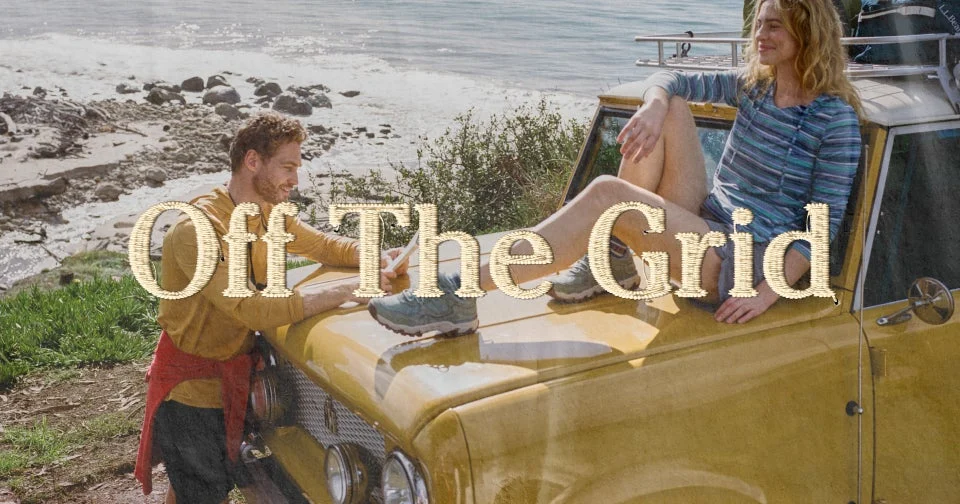
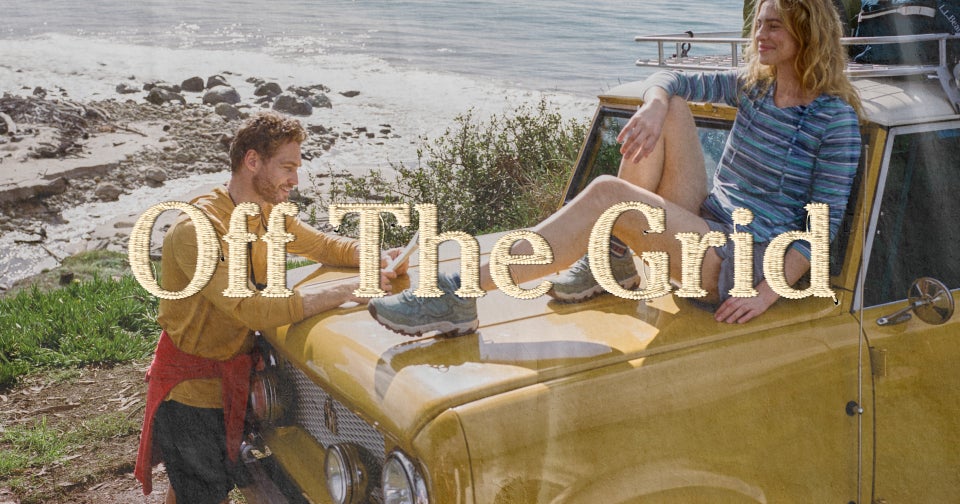
In an era defined by perpetual digital connectivity and rising rates of psychological distress, Shawn Gorman, the chairman of L.L. Bean and great-grandson of the company’s founder Leon Leonwood Bean, has issued a public call for a societal return to "analog" outdoor experiences. This advocacy comes as part of the company’s multiyear "Off the Grid" initiative, a strategic campaign launched in 2022 that coincides with Mental Health Month every May. Gorman’s recent statements highlight a growing concern among corporate leaders and public health experts regarding the detrimental effects of screen-heavy lifestyles on the mental well-being of all generations, particularly Gen Z and Gen Alpha. By pausing its social media presence and investing heavily in mental health partnerships, L.L. Bean is positioning itself at the intersection of retail commerce and public health advocacy, suggesting that the "restorative power" of nature is no longer a luxury but a clinical necessity for the modern age.
The Evolution of Outdoor Leisure and the Digital Shift
The transition from "organic" outdoor play to "structured" nature engagement represents a significant shift in American sociology over the last five decades. Gorman, who grew up in the 1970s, notes that for previous generations, time spent outdoors was a default state of being. During that era, recreational activities—ranging from backyard play to week-long camping trips—did not require the level of intentionality or "protection" from digital noise that is required today. For Gen X and older Millennials, the shift to an "always-on" digital environment was a gradual creep, allowing for a foundational memory of life before the smartphone.
However, for Gen Z and Gen Alpha, the digital landscape is the only environment they have ever known. This total immersion in technology has created a paradigm where content is consumed instantaneously, and the concept of being "unreachable" is virtually non-existent. Gorman suggests that society is only beginning to grasp the downstream impacts of this shift. As a result, the act of going outdoors has transformed from a casual pastime into a necessary form of digital detox—a planned intervention designed to shield the mind from the relentless flow of social media feeds and work-related demands that fail to shut off at the end of the day.
Mental Health Crisis and the Science of Nature
The urgency of Gorman’s message is supported by increasingly grim data regarding the state of global mental health. A recent Gallup study indicated that 25% of adults now report some form of mental health issue, with the prevalence significantly higher among younger adults under the age of 29. Furthermore, research increasingly shows that digital natives are experiencing a "paradox of connectivity," where high levels of digital interaction correlate with increased feelings of isolation and anxiety.
The biological argument for spending time in nature, often referred to as the Biophilia Hypothesis, suggests that humans possess an innate tendency to seek connections with nature and other forms of life. Scientific studies have demonstrated that even brief periods of outdoor exposure can alter body chemistry. Specifically, time in green spaces is linked to lower levels of cortisol (the stress hormone), reduced blood pressure, and improved cognitive function. Gorman emphasizes that when individuals connect with the natural world, their perspective shifts, allowing them to move past the "mean and petty things" that dominate high-stress, tech-driven environments.

The Off the Grid Initiative: A Strategic Timeline
L.L. Bean’s commitment to this cause is not merely rhetorical; it is backed by a sustained financial and operational strategy. Since the inception of the "Off the Grid" program in 2022, the company has undertaken several high-profile actions to demonstrate its commitment to mental health:
- Social Media Blackouts: For the month of May, L.L. Bean systematically "wipes" its social media channels. Rather than using these platforms for marketing products, the company leaves behind resources, tips, and tools for mental well-being, effectively forcing its audience to look elsewhere for engagement.
- Mental Health America (MHA) Partnership: The company has invested $800,000 into a multiyear charitable partnership with MHA. This funding is designed to power outdoor programs that foster community connectedness and reinforce the link between well-being and nature.
- Community Mini-Grants: A significant portion of the MHA funding ($390,000) has been distributed through 18 mini-grants to local affiliates across the United States. These grants support grassroots initiatives that use the outdoors as a tool for clinical and social mental health support.
- Product Integration: To facilitate the "analog" lifestyle, the company has released limited-edition "Off the Grid" inspired Boat & Totes. These products are marketed not just as gear, but as tools to help consumers carry low-tech items—such as journals, film cameras, or puzzles—into the wilderness.
The "Analoging" Trend and Gen Z Hobbies
A notable cultural shift mentioned by Gorman is the rise of "analoging." This trend involves digital natives intentionally seeking out low-tech activities to escape the "doomscrolling" cycle. Activities such as film photography, which requires a physical development process and delayed gratification, have seen a resurgence. Similarly, hobbies like journaling and traditional puzzles are being utilized as grounding techniques to combat digital fatigue.
Gorman argues that while these indoor analog hobbies are beneficial, the ultimate solution lies in combining low-tech activities with the physical environment of the outdoors. The "Off the Grid" campaign encourages consumers to take these hobbies outside, leveraging the dual benefits of tactile activity and natural surroundings. This approach reflects a broader trend in "ecotherapy," a growing field of mental health treatment that uses outdoor activities to improve patient outcomes.

Historical Context and the Legacy of L.L. Bean
The current corporate strategy is a modern evolution of the philosophy established by Leon Leonwood Bean in 1912. When L.L. Bean founded the company with the creation of the Maine Hunting Shoe, his goal was to provide equipment that allowed people to endure and enjoy the wilderness. His original ethos centered on the idea that hunting and fishing served as a "big lure" to take people into open spaces, helping them forget the stressors of daily life.
Shawn Gorman, serving as chairman since 2013, has sought to translate this century-old philosophy into a 21st-century context. While his great-grandfather was solving the problem of wet feet and physical discomfort in the woods, Gorman is addressing the problem of mental fatigue and digital saturation. The company’s pivot toward mental health advocacy represents a recognition that the modern "wilderness" is not just a physical space, but a mental sanctuary required for survival in a high-tech world.
Broader Corporate and Societal Implications
L.L. Bean’s decision to go "off the grid" carries significant implications for the retail industry and corporate social responsibility (CSR). In a competitive market where social media engagement is typically viewed as the lifeblood of sales, voluntarily withdrawing from these platforms for an entire month is a bold move. It suggests that the brand is prioritizing long-term consumer health and brand loyalty over short-term digital metrics.

Furthermore, this initiative reflects a broader movement where corporations are expected to take a stand on public health issues. By partnering with Mental Health America, L.L. Bean is legitimizing the outdoor industry’s role in the national mental health conversation. Industry analysts suggest that this "wellness-first" branding resonates deeply with Millennials and Gen Z, who increasingly prefer to support companies that align with their personal values regarding mental health and work-life balance.
Conclusion and Future Outlook
As Mental Health Month continues, the message from the L.L. Bean leadership is clear: the "great big analog world" offers a necessary corrective to the pressures of modern life. Gorman’s advocacy for a digital disconnect is not an indictment of technology itself, which he acknowledges has a vital place in society, but rather a warning against its total dominance over the human experience.
The success of the "Off the Grid" initiative will likely be measured not just in tote bag sales or social media impressions—which the company has intentionally forfeited—but in the broader cultural shift toward valuing "unplugged" time. As more data emerges on the link between nature and mental resilience, it is expected that other outdoor-focused corporations may follow L.L. Bean’s lead, integrating public health advocacy into their core business models. For now, the focus remains on the individual: putting down the device, picking up a tote, and reconnecting with the restorative power of the outdoors.




 Chandra Hamzah
 Tatiana Tantri Indah Sari
 Budi Mulyono
 Lukman Taruna Persada Ramadan