
 Anjar Salim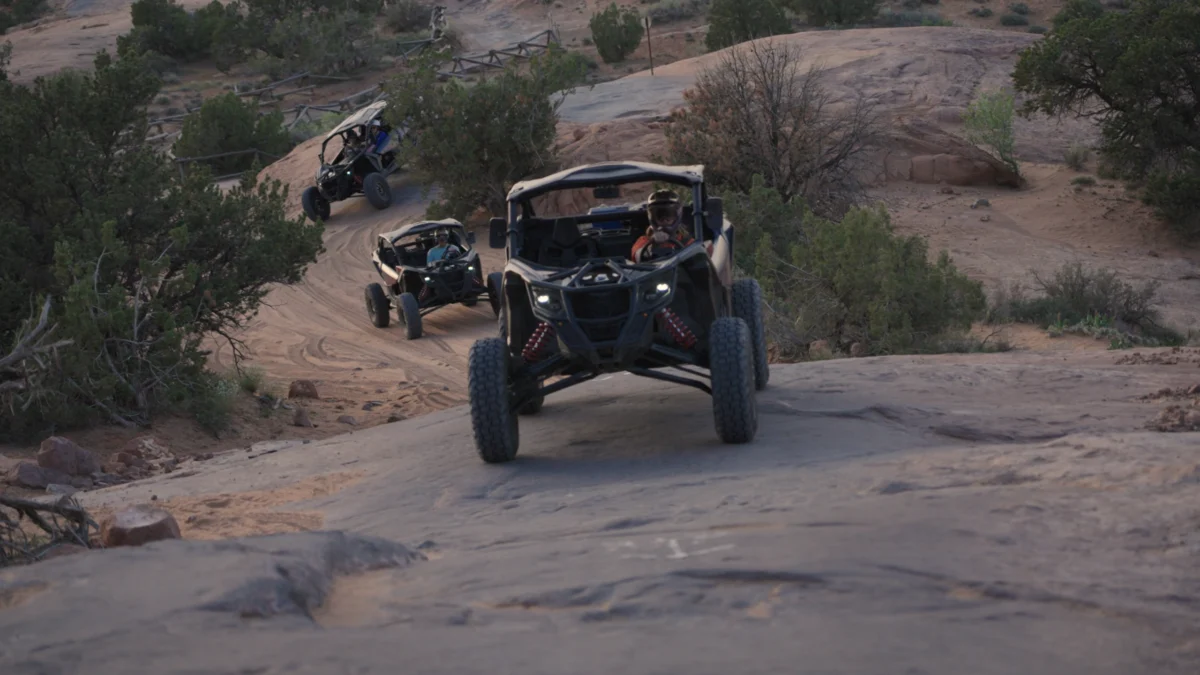
The 2026 outdoor recreation season in Moab, Utah, marks a significant turning point for one of the world’s most recognized adventure destinations, characterized by a strategic shift in visitor management and a substantial expansion of trail accessibility. As of May 2026, the region has transitioned away from the pilot reservation systems that defined the post-pandemic era, opting instead for a model that emphasizes early-arrival incentives and dispersed recreation across its nearly 1.8 million acres of public land. This evolution comes as Moab continues to balance its dual identity as a high-volume tourist destination and a fragile high-desert ecosystem, offering a blueprint for how iconic landscapes can accommodate growing global interest while maintaining the integrity of the "Moab experience."
Strategic Management and the 2026 Access Model
A primary development for the current year is the suspension of the timed-entry reservation system at Arches National Park. After several years of testing various entry protocols to mitigate congestion at the park’s main gates, federal authorities have transitioned to a more fluid management style for 2026. Visitors are now permitted entry with standard park passes, though officials continue to recommend early morning arrivals—typically before 7:00 AM—to ensure parking availability at high-traffic trailheads such as the Windows Section and the Devils Garden.
This shift is part of a broader "dispersed recreation" strategy encouraged by the National Park Service (NPS) and the Bureau of Land Management (BLM). By removing the barrier of advanced reservations, regional planners are leveraging the vastness of the surrounding backcountry to prevent bottlenecks. The 36-mile scenic drive through Arches remains the primary artery for tourism, but there is a renewed institutional push to direct visitors toward lesser-known assets, including the Park Avenue Trail and the various primitive loops that offer a more secluded experience of the park’s 2,000-plus natural stone arches.
A Chronology of Transformation: From Mining Outpost to Adventure Capital
The current state of Moab is the result of a century-long transformation that saw the region pivot through several distinct economic identities. To understand the 2026 landscape, one must look at the historical trajectory of Grand County:
- The Extraction Era (1950s–1970s): Moab was once the "Uranium Capital of the World" following Charlie Steen’s 1952 discovery of the Mi Vida mine. The infrastructure laid down by miners—rugged dirt roads and canyon access points—would eventually become the foundation for the region’s off-roading and mountain biking networks.
- The Mountain Biking Revolution (1980s–1990s): The discovery of the Slickrock Trail by motorcycle and later bicycle enthusiasts transformed Moab into a seasonal pilgrimage site. By the mid-90s, mountain biking had eclipsed extraction as the primary economic driver.
- The "Mighty 5" Era (2012–2020): The Utah Office of Tourism’s aggressive marketing campaign brought unprecedented international attention to Arches and Canyonlands. Annual visitation surged from roughly 1 million to over 1.5 million visitors per park.
- The Management Pivot (2021–2025): Faced with "overtourism," local and federal agencies implemented pilot reservation programs, trail permits, and expanded shuttle services to preserve the visitor experience.
- The 2026 Integration: The current season represents a "new normal," where infrastructure improvements, such as expanded parking and modernized trail markings, have allowed for the relaxation of some restrictive entry policies.
Expanded Accessibility: The 200-Mile E-Bike Milestone
Perhaps the most impactful technical change in 2026 is the formal opening of 200 miles of singletrack trails to Class I e-bikes. This policy shift, which followed extensive environmental impact studies and public comment periods, significantly expands the demographic of who can explore Moab’s rugged terrain. Class I e-bikes—defined as pedal-assist bicycles without throttles and a maximum assisted speed of 20 mph—are now integrated into major trail systems, including portions of the Navajo Rocks and the Sand Flats Recreation Area.

Proponents of the policy, including local guide services and accessibility advocates, argue that e-bike access allows older travelers and those with physical limitations to experience the "slickrock" terrain that was previously reserved for elite athletes. Data from the 2025 pilot program indicated that e-bike users tended to stay on marked trails more consistently than traditional mountain bikers, potentially reducing the impact on cryptobiotic soil crusts—a vital and fragile component of the desert ecology.
Economic Indicators and Supporting Data
The economic significance of Moab’s 2026 season cannot be overstated. According to regional tourism data, the outdoor recreation industry accounts for over 45% of Grand County’s private-sector employment.
- Visitation Volume: Combined visitation to Arches and Canyonlands National Parks is projected to reach 3.2 million in 2026.
- Guide Industry Growth: There are now over 70 licensed guide companies operating in the Moab area, specializing in everything from high-angle canyoneering at Morning Glory Arch to multi-day rafting expeditions through Cataract Canyon.
- Spending Patterns: Average visitor spending has increased by 12% year-over-year, driven by a growing demand for "high-touch" guided experiences and luxury "soft-landing" accommodations in the town of Moab.
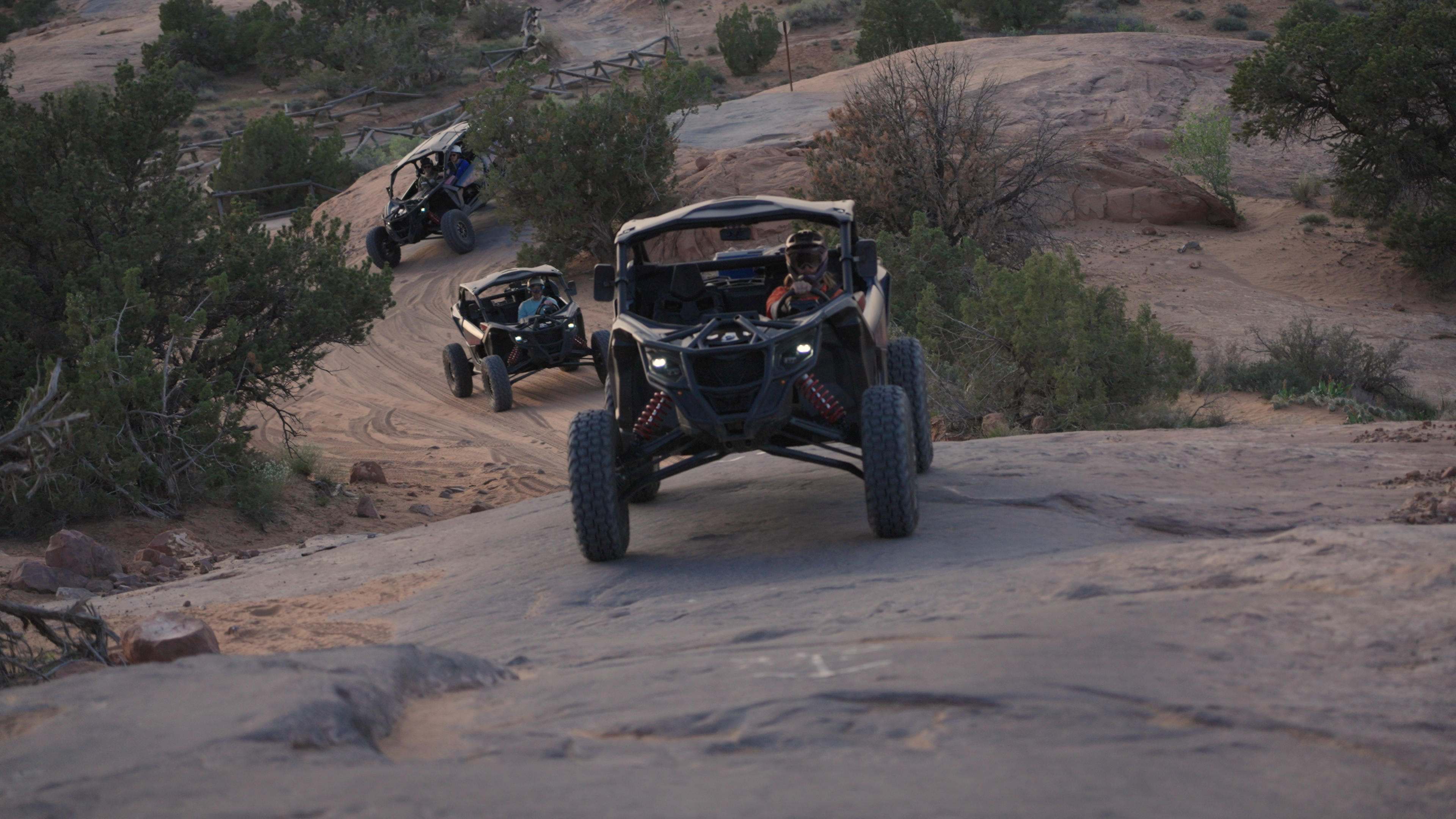
- Trail Infrastructure: The BLM now manages over 500 miles of dedicated mountain bike trails and 1,000 miles of 4×4 roads in the immediate vicinity of Moab, making it the highest density of adventure trails in the continental United States.
Official Responses and Environmental Stewardship
In response to the 2026 policy shifts, the "Discover Moab" tourism board and local conservation groups have emphasized a "Leave No Trace" ethos. Inferred statements from regional stakeholders suggest a cautious optimism. "The goal for 2026 is not just to host more people, but to host them more intelligently," a representative for the regional land management office might state. "By diversifying the trail options and opening up e-bike access, we are spreading the human footprint across a wider area, which reduces the acute stress on iconic landmarks like Delicate Arch."

The environmental community remains vigilant. Groups such as the Southern Utah Wilderness Alliance (SUWA) continue to monitor the impact of off-road vehicles and high-volume hiking on local wildlife, including desert bighorn sheep and peregrine falcons. The 2026 season includes increased funding for "Trail Ambassadors"—volunteers who station themselves at trailheads to educate visitors on the importance of staying on marked paths and preserving the silence of the backcountry.
Broader Impact and Global Implications
The management of Moab serves as a critical case study for global tourism. Destinations from the Swiss Alps to the fjords of Norway are looking at Moab’s 2026 model of "managed freedom" as an alternative to rigid permit systems. By utilizing data-driven dispersal and investing in robust guide economies, Moab is attempting to prove that a destination can remain "iconic" without becoming a museum.
Furthermore, the integration of technology—seen in the e-bike expansion and real-time trail congestion apps—suggests that the future of outdoor recreation lies in the marriage of raw nature and smart infrastructure. For the traveler, this means that while the landscape remains as wild as it was during the Jurassic period when its sandstone layers were formed, the means of exploring it have never been more sophisticated.

Conclusion: The Modern Frontier
As the 2026 season progresses, Moab remains the quintessential American frontier, though its challenges have shifted from survival to sustainability. Whether it is the 100-foot rappels in hidden red-rock canyons or the scenic drives that reveal the sheer scale of the Colorado River’s carving power, the region continues to provide a sensory-overload experience. The town of Moab itself has matured alongside its trails, offering a sophisticated hospitality sector that serves as a necessary counterpoint to the ruggedness of the surrounding desert.
For the modern adventurer, the message of 2026 is clear: the wonder of Moab is accessible, but it requires intention. With the removal of many administrative hurdles, the responsibility shifts back to the visitor to arrive early, choose their trails wisely, and respect the ancient landscape that makes these adventures possible. In the heart of the red-rock country, the edge of adventure is no longer just a physical boundary, but a commitment to preserving the very beauty that draws the world to Utah’s desert.




 Chandra Hamzah
 Tatiana Tantri Indah Sari
 Budi Mulyono
 Lukman Taruna Persada Ramadan