Anjar Salim
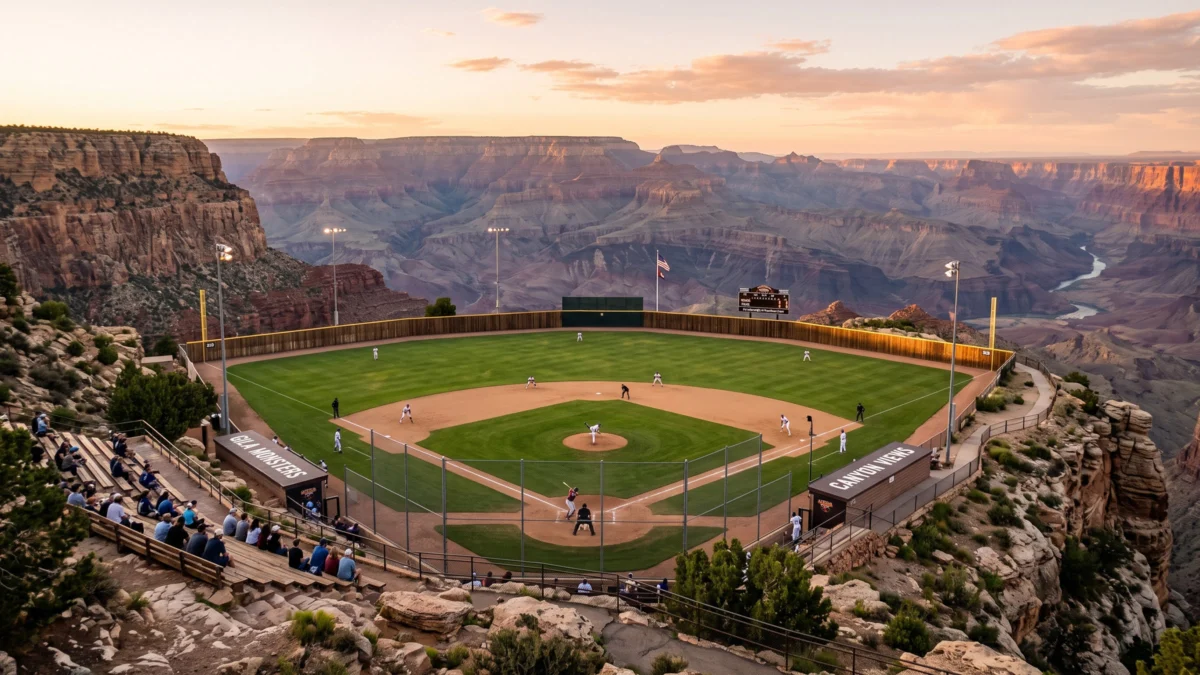
The intersection of American recreation and conservation faced an unexpected collision when reports surfaced that Major League Baseball (MLB) had approached the Trump administration regarding the feasibility of hosting a professional baseball game within the boundaries of a national park. The proposal, which envisions constructing a temporary stadium in a pristine natural environment akin to the league’s popular "Field of Dreams" events, has ignited a fierce debate among environmentalists, sports enthusiasts, and policy analysts over the commercialization and stewardship of United States public lands.
The initiative came to light on September 26, 2026, when Washington Post reporters Jake Spring and Stephanie Apstein broke the news that administration officials had recently scouted three potential sites within Wyoming’s Grand Teton National Park. According to the reporting, the exploratory phase involved evaluating terrain suitability for stadium infrastructure, seating, and broadcasting logistics.
While the concept draws immediate parallels to MLB’s successful cornfield-stadium games in Iowa—which celebrated cinematic nostalgia—the prospect of erecting temporary or permanent sports venues within a protected national park ecosystem raised immediate red flags among conservation organizations. Critics pointed to potential disruptions to fragile habitats, threats to endangered local wildlife, and the disturbance of areas carrying profound cultural and historical significance.
Chronology of the Proposal and Exploratory Phase
The trajectory of the proposal began months prior to its public disclosure, driven by discussions between league executives and federal entities seeking novel sports tourism concepts.
- Early 2026: Informal dialogues reportedly initiate between sports entertainment representatives and federal liaisons regarding unconventional venues for high-profile regular-season games.
- Mid-September 2026: Federal officials conduct on-the-ground scouting missions within Grand Teton National Park, examining three distinct zones for potential infrastructure development.
- September 26, 2026: The Washington Post publishes an investigative report detailing the administration’s active participation in evaluating the Wyoming park sites.
- Late September 2026: Following widespread media coverage and immediate pushback from environmental advocates, the administration issues formal clarifications distancing executive leadership from the project.
The swift public reaction highlighted sensitivities surrounding the current operational status of the National Park Service (NPS). Over the preceding two years, federal land management has faced intense public scrutiny regarding budget allocations, workforce retention, and conservation priorities.
Official Responses and Administrative Clarification
As public concern mounted over the potential precedent of utilizing national parks for commercial sporting spectacles, the federal government issued a clarifying statement to address the scope of involvement. Representatives for the administration emphasized that the exploratory scouting was not indicative of high-level policy prioritization.
"This is not a Presidential directive, nor is it being directed by the White House. It’s also not being driven by the Department of the Interior," the administration’s statement read. "Therefore, this is not a White House or Administration priority."
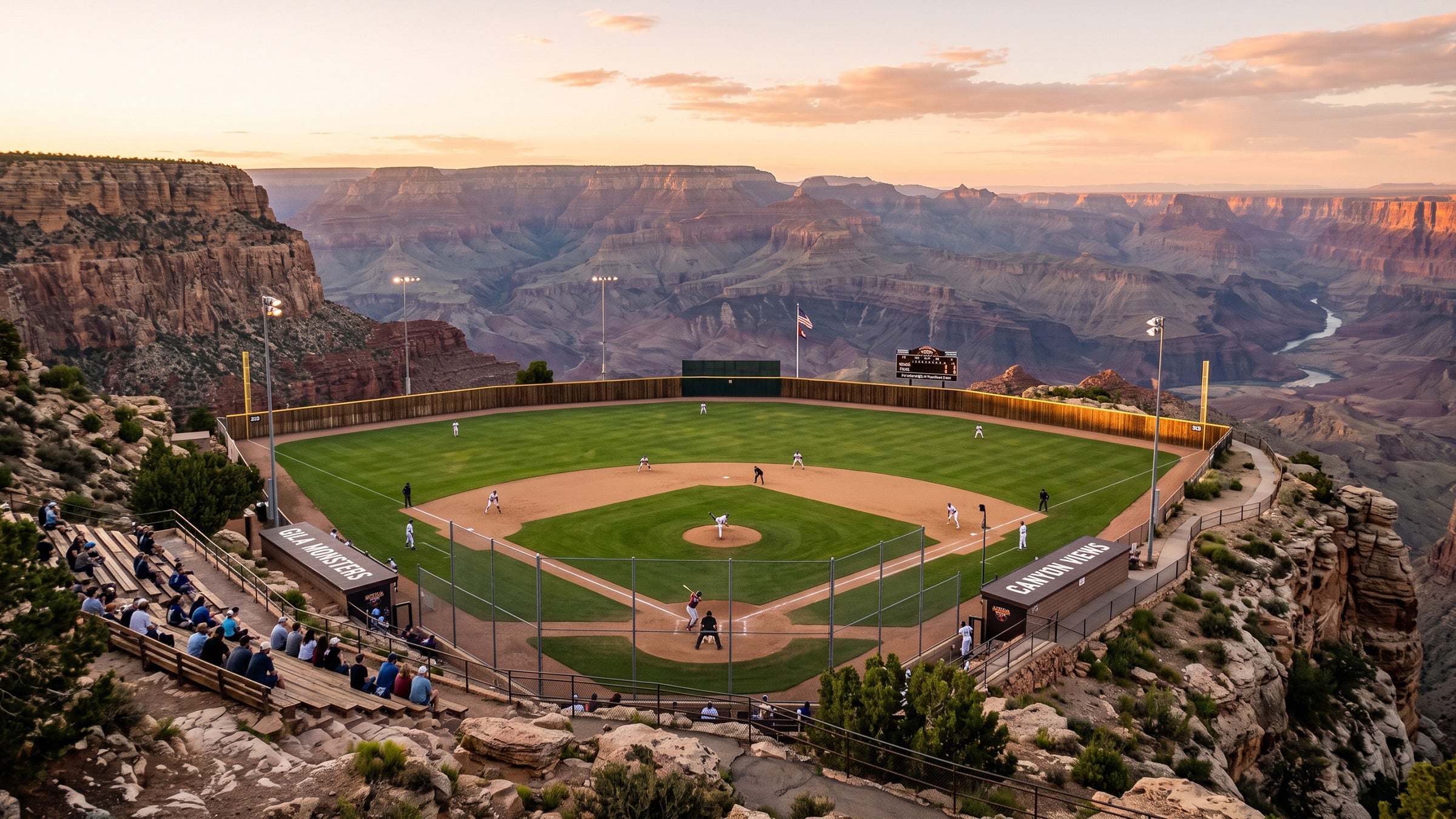
Despite this distancing, the confirmation that federal personnel participated in site evaluations indicates that the proposal progressed beyond mere hypothetical brainstorming. Sports industry analysts note that MLB has increasingly sought unique, picturesque backdrops to enhance broadcast ratings and fan engagement, following the commercial success of neutral-site games held at historic venues, military bases, and agricultural landmarks. However, expanding this strategy into federally protected wilderness areas crosses a regulatory and philosophical threshold that separates commercial entertainment from public land preservation mandates.
Broader Context: Challenges Facing the National Park Service
The Grand Teton stadium proposal emerges against a backdrop of systemic challenges within the National Park Service. Conservation groups and public land advocates have spent the past two years documenting what they describe as a compounding crisis of resource management across the federal park system.
Data compiled by environmental watchdogs highlight several key areas of administrative strain:
- Budgetary Constraints: Funding allocations have failed to keep pace with inflation and maintenance backlogs, leaving park superintendents struggling to maintain basic infrastructure.
- Staffing Shortages: Retention issues and hiring freezes have reduced the number of active rangers, leading to diminished visitor assistance and reduced enforcement of environmental protection regulations.
- Overcrowding and Infrastructure Wear: Popular destinations such as Yosemite, Zion, and Grand Teton continue to record near-record visitation numbers, straining roads, waste management systems, and emergency services.
- Policy Controversies: Recent administrative actions—including proposed land swaps, diverted entrance and recreational fees, and altered park signage guidelines—have intensified friction between traditional conservationists and federal land managers.
These compounding pressures have transformed public discussions about the national parks into sensitive political terrain. Critics of the MLB proposal argue that devoting federal resources, even administrative time, to scouting a commercial sporting venue misaligns with the core mission of the NPS: to preserve natural and cultural resources unimpaired for the enjoyment of future generations.
Implications for Public Land Policy and Sports Entertainment
The intersection of professional sports and public lands leaves lasting implications for how federal spaces are perceived and utilized. While proponents of unconventional venue staging argue that such events generate significant economic activity, national tourism revenue, and cultural visibility, opponents maintain that national parks must remain sanctuaries free from commercial exploitation.
The episode underscores a broader tension in modern land management: balancing the public’s desire for accessible recreation and entertainment with the rigorous demands of ecological preservation. Even though the Grand Teton baseball game currently lacks official administrative backing, the discussions signal a growing willingness among commercial entities to eye protected federal lands for high-impact events.
As the National Park Service navigates ongoing fiscal and operational hurdles, the public debate ignited by the MLB scouting reports serves as a barometer for how fiercely citizens and conservationists guard the integrity of America’s public lands against non-conservation uses.



 Gabriela Annisa

 Lukman Taruna Persada Ramadan

 Tatiana Tantri Indah Sari

 Budi Mulyono