Anjar Salim

Solo travel remains one of the fastest-growing sectors in the global tourism industry, yet it continues to present complex safety challenges, particularly for women. While independent exploration offers profound personal growth and cultural immersion, recent high-profile incidents involving violent crime, wildlife encounters, and sudden disappearances have reignited public discourse regarding traveler safety. Balancing the inherent hazards of remote exploration with the fundamental human desire for discovery requires a structured approach to risk assessment, personal defense, and psychological resilience.
Main Facts and Current Landscape of Solo Travel Safety
The modern solo travel ecosystem is defined by a dichotomy between empowerment and vulnerability. Industry analytics indicate that women make up the vast majority of solo travelers globally. However, this demographic shift occurs against a backdrop of persistent safety concerns.
Recent statistical analyses from tourism safety boards and outdoor recreation authorities show that while the vast majority of trips conclude without incident, solo travelers face distinct statistical probabilities regarding opportunistic crime, wildlife encounters, and medical emergencies in isolated regions. High-profile incidents—such as the August 2026 assault of a 27-year-old hiker on the Havasupai Trail near Grand Canyon National Park, concurrent bear attacks in Alaska, and the mysterious disappearance of 26-year-old Australian tourist Sally Grace Contarino in Las Vegas—have brought these vulnerabilities into sharp focus.
These events highlight the varied nature of risks faced by travelers, ranging from geopolitical instability and urban crime to wildlife encounters in remote national parks. Consequently, security experts and seasoned travelers emphasize that preparation must extend beyond basic itinerary planning to encompass active risk mitigation and situational awareness.

Chronology and Historical Context of Solo Exploration
The phenomenon of solo exploration is deeply rooted in history, predating modern safety infrastructure and telecommunications. Historical records document individuals venturing into the unknown centuries ago out of necessity or profound curiosity. For instance, the biblical account of Hagar details a solitary journey into the wilderness, while 19th-century globetrotter Isabella Bird traversed 800 miles of the Canadian Rockies by horseback in winter 1873, surviving subzero temperatures, carnivores, and hostile human encounters.
In the contemporary era, the timeline of solo travel safety has evolved alongside technological advancements. The advent of satellite messengers, personal locator beacons (PLBs), and global cellular coverage has drastically reduced search-and-rescue response times. However, technology has not eliminated the foundational human element of risk.
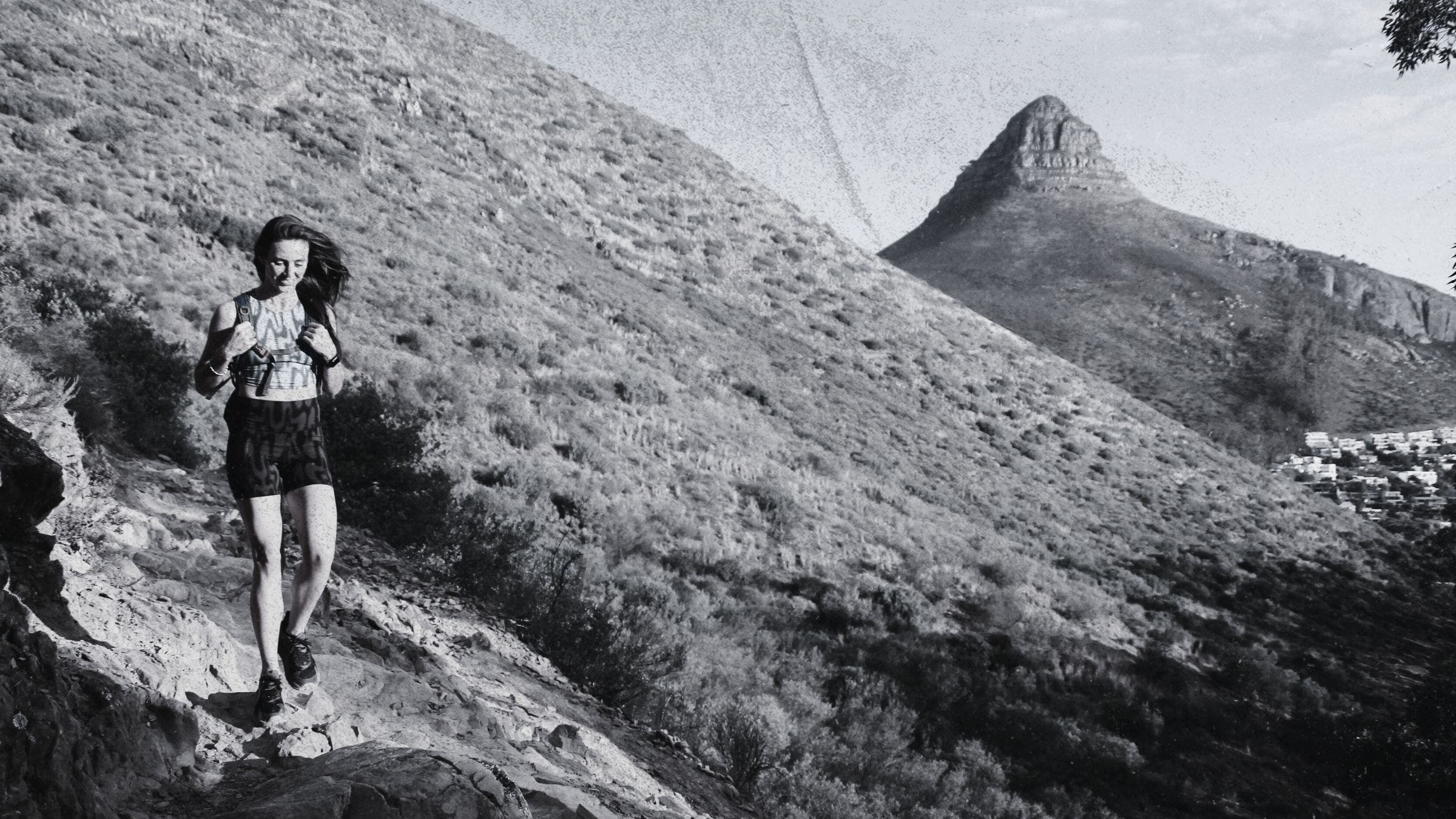
In recent years, seasoned travelers have noted a distinct shift in how risk is managed. Incidents such as high-stakes wildlife charges in Montana or knife attacks in South Africa’s Table Mountain National Park demonstrate that even experienced adventurers can encounter unexpected perils. The recovery timeline following such traumatic events typically involves extensive physical rehabilitation, psychological therapy, and a fundamental recalibration of one’s relationship with risk. Rather than abandoning travel entirely, many survivors adopt rigorous preparatory frameworks to safely resume their journeys.
Supporting Data and Risk Mitigation Strategies
Mitigating travel risk requires a systematic reallocation of financial and logistical resources. Seasoned solo travelers frequently advocate for prioritizing security over non-essential expenses, such as souvenirs or luxury amenities.
Data compiled from travel advisory organizations underscores several core risk-mitigation strategies:
- Accommodation Security: Selecting highly rated lodgings with 24-hour security personnel and controlled access, even at a higher financial cost, significantly reduces exposure to property theft and assault.
- Private Logistics: Utilizing verified private guides and drivers in regions with elevated crime advisories minimizes reliance on unpredictable public transportation systems.
- Technological Preparedness: Maintaining charged communication devices, utilizing real-time location-sharing applications with trusted contacts, and carrying SOS-capable smartwatches ensure rapid emergency response capabilities.
- Environmental Awareness: Adhering to daylight travel schedules, carrying appropriate wildlife deterrents (such as dual canisters of bear spray in designated habitats), and utilizing TSA-friendly personal alarms provide immediate layers of physical defense.
Conversely, historical data reveals that common oversights—such as leaving valuables unattended in rental vehicles, swimming in unpatrolled waters with severe rip currents, or relying on outdated vehicular transport in remote mountain passes—exponentially increase the likelihood of emergency intervention.
Official Responses and Expert Perspectives
Security professionals, wilderness survival experts, and mental health clinicians emphasize that managing travel risk is as much a psychological discipline as it is a physical one.
Nicole Snell, CEO of Girls Fight Back and creator of the Outdoor Defense series, stresses the importance of intuition and empowerment-based self-defense training. According to Snell, trusting one’s internal warnings—commonly referred to as intuition or "Spidey sense"—is critical when assessing potentially hazardous encounters. While catastrophic crimes remain statistically rare relative to the millions of trips taken annually, possessing tangible self-defense skills provides a necessary baseline of confidence.
From a psychological perspective, licensed clinical professional counselor Katie d’Autremont highlights the distinction between possibility and probability. Comparing travel risk to everyday scenarios—such as the remote possibility of falling into a swimming pool—d’Autremont notes that anxiety often exaggerates low-probability events.

"There can be something really empowering about trusting yourself to navigate uncertainty rather than waiting until the world feels completely safe," d’Autremont observes, noting that a completely risk-free environment is an impossibility. Consequently, travelers must establish their own personalized risk thresholds based on empirical data, regional advisories, and self-assessment.
Broader Impact and Implications for the Tourism Industry
The ongoing dialogue surrounding solo travel safety carries significant implications for the global tourism sector, local economies, and adventure outfitters. As awareness of gender-based safety disparities grows, destinations and hospitality providers are under increasing pressure to enhance security infrastructure.
Tourism boards in regions known for outdoor recreation are investing more heavily in trail monitoring, cellular infrastructure in remote national parks, and public safety campaigns. Meanwhile, travel insurance providers have seen an uptick in demand for policies offering emergency evacuation and comprehensive medical coverage tailored to adventure travelers.
Ultimately, the evolving narrative of solo travel emphasizes that risk cannot be entirely eradicated, nor should it dictate the boundaries of personal exploration. By acknowledging objective hazards, implementing rigorous safety protocols, and respecting intuitive warnings, modern solo travelers continue to pursue global exploration, proving that the rewards of cultural discovery and personal independence continue to outweigh the inherent uncertainties of the world.


 Lukman Taruna Persada Ramadan

 Tatiana Tantri Indah Sari

 Budi Mulyono