
 Diana Nuri Rohmawati
The intersection of shifting economic realities in major American metropolitan centers and the allure of European lifestyle standards has precipitated a notable trend in trans-Atlantic migration, particularly toward the French Republic. As professionals in the digital and creative sectors face the dual pressures of rising domestic living costs and the disruptive influence of artificial intelligence on traditional career paths, France has emerged as a primary destination for those seeking a "lifestyle arbitrage." This movement is exemplified by the recent relocation of prominent travel industry figures who are trading the high-intensity environment of New York City for the cultural and logistical advantages of Paris. However, the transition from a short-term visitor to a long-term resident involves navigating a complex bureaucratic framework that requires a nuanced understanding of French immigration law and the specific requirements of various visa classifications.
The Socio-Economic Catalysts for Trans-Atlantic Relocation
The decision to relocate from the United States to France is often driven by a combination of "push" and "pull" factors. In major hubs such as New York City, the escalating cost of living—encompassing housing, healthcare, and basic services—has reached a threshold where even high-earning professionals find their discretionary income significantly curtailed. Simultaneously, the creative industry is undergoing a paradigm shift. The rapid advancement of generative AI has introduced a layer of professional uncertainty for content creators, authors, and digital entrepreneurs, prompting many to seek environments that foster creativity through a change in scenery and a lower financial "burn rate."
Paris, by contrast, offers a compelling value proposition. Despite its reputation as an expensive global capital, data suggests that the cost of living in Paris is approximately 25% to 30% lower than in Manhattan when accounting for rent, groceries, and dining. Furthermore, the city serves as a strategic logistical base for exploring the broader European continent, providing high-speed rail access and extensive flight networks. For many American expatriates, the move is not merely a sabbatical but a strategic career pivot intended to facilitate the production of new intellectual property, such as literature or specialized digital content, within a more sustainable economic framework.
A Chronology of the French Immigration Journey
The path to French residency is rarely a sudden impulse; it is typically the culmination of long-term engagement with the country’s culture and geography. For many, the process begins with initial exposure to regional centers like Bordeaux, followed by a deepening appreciation for the administrative and social heart of the nation, Paris.
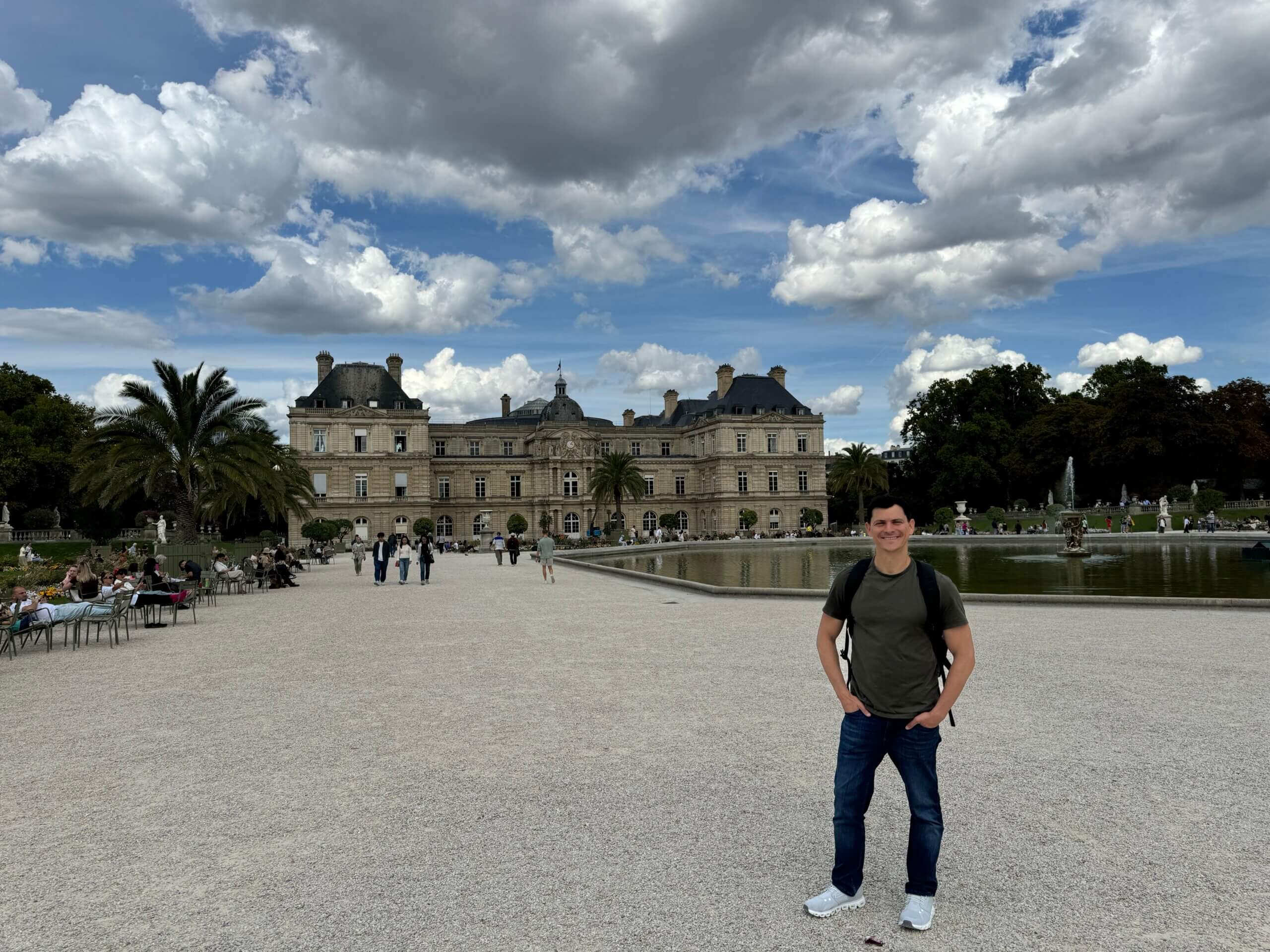
The typical timeline for a transition to long-term residency often spans several years of intermittent visits. A common trajectory involves:
- Initial Cultural Immersion: Short-term travel under the Schengen Area’s 90-day visa-free allowance for "developed" nation passport holders.
- Short-Term Residency: Trial periods of two to three months to assess the viability of local life and infrastructure.
- Formal Application: The decision to seek a Long-Stay Visa (Visa de Long Séjour) after identifying a specific need for professional or personal renewal.
- Administrative Processing: A multi-stage application involving the French government’s digital portal, third-party processing centers such as TLScontact, and biometric data collection.
- Validation: Post-arrival registration with the French Office of Immigration and Integration (OFII) within 90 days of entry.
Structural Analysis of French Long-Stay Visa Categories
France does not currently offer a dedicated "Digital Nomad Visa," a policy gap that distinguishes it from neighbors like Spain, Portugal, or Italy. Consequently, foreign nationals must align their residency goals with one of four primary visa categories, each carrying distinct obligations and privileges.
The Student Visa (VLS-TS Etudiant)
The student visa remains one of the most accessible pathways for those willing to commit to formal education. Requirements include enrollment in a full-time university program or an intensive language course at an accredited institution. Applicants must demonstrate financial self-sufficiency, typically defined as a minimum of €615 per month. A significant advantage of this category is the authorization to work part-time (up to 964 hours per year), providing a secondary income stream. Furthermore, successful completion of a degree program can lead to a "job seeker" visa extension, facilitating a permanent transition into the French labor market.
The Entrepreneur Visa (Profession Libérale)
This category is designed for individuals intending to establish a business or work as independent contractors within France. The application is notoriously rigorous, requiring a comprehensive business plan, proof of professional viability, and evidence that the enterprise will generate income at least equivalent to the French minimum wage (SMIC), which currently stands at approximately €1,766.92 gross per month. Entrepreneurs are subject to the French tax regime and must register with the relevant social security and professional bodies, a process involving significant administrative overhead.
The Talent Passport (Passeport Talent)
The Talent Passport is a multi-year residency permit aimed at high-level professionals, researchers, and artists who can demonstrate significant expertise or international acclaim. While it offers a four-year stay and the right to work, it requires verifiable accreditations and accolades. For those in the arts, the applicant must prove their contribution to the "cultural rayonnement" (influence) of France. This visa is often the preferred choice for those seeking long-term stability without the annual renewal requirements of other categories.

The Long-Term Visitor Visa (VLS-TS Visiteur)
For the majority of retirees and remote workers, the VLS-TS Visiteur is the most practical option. This visa allows for a stay of up to 12 months and is renewable within France. However, it carries a strict prohibition on "physical" work within the French territory. Applicants must prove they have sufficient passive income or savings to support themselves without accessing the French social welfare system. This visa is frequently utilized by Americans who maintain their primary income sources in the United States while residing in France.
The Legal Ambiguity of Remote Work
A critical point of contention for modern migrants is the definition of "work" under the Visitor Visa. French immigration law traditionally defines work as an activity that competes with the local labor market or involves a French employer. For digital nomads—bloggers, authors, and remote consultants—the legal landscape exists in a gray area.
In July 2023, the French tax authorities issued an opinion suggesting that remote work performed on French soil should be considered taxable income. However, this opinion has not yet been codified into formal legislation for "Visitors." Because the VLS-TS Visiteur does not automatically issue a tax identification number (numéro fiscal), many residents find it structurally impossible to pay French income tax on foreign-sourced earnings during their initial year.
Legal experts, including prominent Paris-based immigration attorneys like Daniel Tostado, advise that while the "Visitor" status prohibits local employment (e.g., working in a café or conducting local tours), the act of maintaining a foreign-based digital business or writing a book for a foreign publisher generally falls outside the scope of prohibited activities, provided the individual does not become a "burden" on the French state.
Data-Driven Documentation and Application Protocols
The success of a French visa application is heavily dependent on the meticulous preparation of documentation. The French consulate prioritizes two primary factors: financial solvency and housing stability.

Required Documentation Checklist:
- Financial Proof: At least three to six months of bank statements showing a balance that meets or exceeds the equivalent of the annual French minimum wage (approximately €21,000 to €25,000 for a single person).
- Housing Verification: A lease agreement or a "letter of accommodation" (attestation d’hébergement) covering at least the first three months of the stay.
- Health Insurance: A comprehensive policy with zero deductible and at least €30,000 in coverage, specifically valid for the duration of the visa.
- Professional Evidence: For remote workers, tax returns (1040s) and W-2s or 1099s serve as supplementary proof of income stability.
The processing time for these visas is remarkably efficient compared to other European nations, with most applicants receiving a verdict within five to fifteen business days. However, the period between the appointment and the return of the passport is often cited as the most stressful phase, as the consulate does not disclose the approval status until the passport is physically retrieved.
Broader Implications for Global Mobility
The migration of American professionals to France reflects a broader shift in global mobility. As traditional employment structures dissolve in favor of remote and asynchronous work, "developed" nations are increasingly forced to reconcile antiquated immigration laws with the realities of a digital economy. France’s current reliance on the "Visitor" visa for remote workers suggests a cautious approach to integration, prioritizing financial independence over labor market expansion.
For the individual, the move represents a calculated risk. While the administrative hurdles are significant, the potential for personal and creative growth—facilitated by the lower cost of living and the rich cultural environment of cities like Paris—remains a powerful motivator. As AI continues to reshape the economic landscape, the ability to relocate to more sustainable and inspiring environments may become a defining characteristic of the modern professional class.
The French experience serves as a case study in the complexities of 21st-century residency. It highlights the necessity of expert legal counsel, the importance of financial preparedness, and the enduring appeal of the European "art de vivre" in an increasingly volatile global market. For those who successfully navigate the bureaucracy, the reward is more than just a change of address; it is the opportunity to participate in a storied culture while building a more resilient and creatively fulfilling future.



 Chandra Hamzah
 Tatiana Tantri Indah Sari
 Budi Mulyono
 Anjar Salim

