
 Walid Sujud Trenggono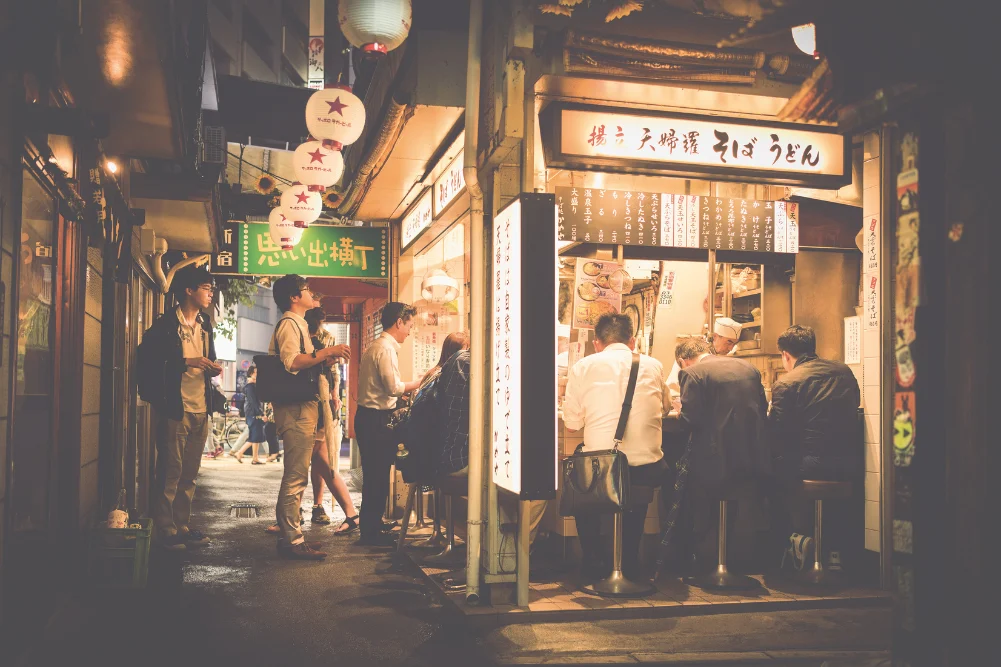
The journey of an expatriate returning to Japan serves as a profound case study in the intersection of personal resilience, cultural adaptation, and the inherent risks associated with solo mountaineering in the Japanese wilderness. For many who grew up in the international transit hubs of the late 20th century, the return to a formative childhood landscape is more than a nostalgic exercise; it is a testing ground for the limits of independence. This narrative follows the trajectory of a woman whose life was shaped by the trans-Pacific corridors of the 1980s and 1990s, culminating in a near-disaster on the slopes of Mount Fuji and an encounter with the legendary "Forbidden Forest" of Aokigahara.
A Chronology of the Expatriate Experience
The subject’s history with Japan began in the early 1980s, an era defined by Japan’s "Economic Miracle" and its emergence as a global financial powerhouse. During this period, the influx of foreign professionals—referred to in Japanese as gaijin (literally "outside person")—created a unique subculture of "Third Culture Kids." These children were raised in a world of long-haul flights, international schools, and a hybrid identity that was neither fully Western nor fully Eastern.
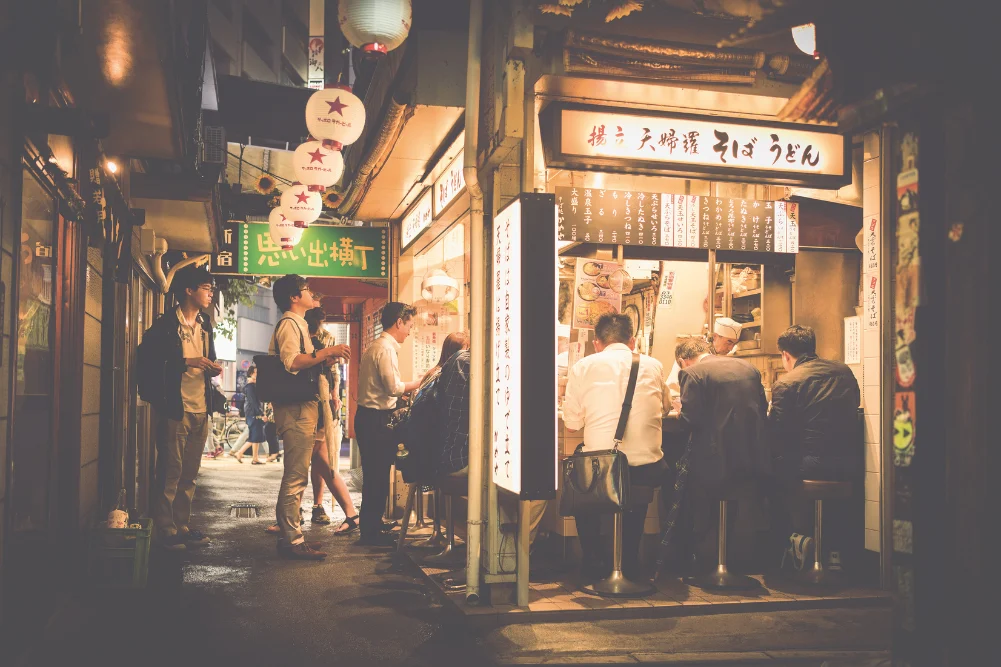
In approximately 1982, the subject relocated to Tokyo, experiencing the sensory overload of the city: the smell of yakitori carts, the dense concrete infrastructure, and the rhythmic efficiency of the metropolitan circulatory system. This early immersion planted the seeds for a lifelong pursuit of adventure, predicated on the discomfort of being an outsider.
By the mid-1990s, the subject returned to Japan independently for a senior project. This period marked a significant shift in travel demographics. Historically, international travel was a male-dominated endeavor. Data from the mid-19th century indicates that 95 percent of passports were issued to men, with women typically traveling under their husband’s protection. By the 1990s, however, solo female travel was becoming a symbol of autonomy. The subject’s return to Tokyo, staying in a family friend’s apartment and navigating the narrow streets of the city alone, represented a personal "Declaration of Independence."
The final pivotal chapter occurred in the late 1990s. As a law student interning at a multinational corporation in Tokyo, the subject moved beyond the "Hello Kitty" nostalgia of childhood into the rigorous world of Japanese business etiquette. This involved mastering the nuances of meishi (business card exchange), the depths of formal bowing, and the subtle art of "saving face" in high-stakes negotiations.
The Mount Fuji Expedition and the Geography of Risk
During the summer of her internship, the subject and a contemporary, identified as Kate, attempted a one-day summit of Mount Fuji (Fuji-san). Mount Fuji, a UNESCO World Heritage site and an active stratovolcano, stands at 3,776 meters (12,389 feet). While it is a popular destination for hikers, its terrain is notoriously unforgiving, characterized by steep volcanic scree and rapidly changing weather patterns.
The duo began their ascent from the 5th Station, a common starting point for the "Subashiri" or "Yoshida" trails. Despite their lack of technical mountaineering gear—relying instead on running shoes and plastic rain ponchos—they followed the tradition of purchasing wooden walking sticks to be branded at various mountain stations.
The ascent was initially successful, marked by the "joy and wonder" of the "Sea of Clouds" (unkai). However, the descent proved treacherous. As daylight faded and a dense fog—reminiscent of the "San Francisco fog"—settled over the slopes, the climbers lost their bearings. They inadvertently drifted toward the base of the mountain near the Aokigahara forest, often referred to in local lore and warnings as the "Forbidden Forest."
Contextualizing the Forbidden Forest: Aokigahara Jukai
The "Forbidden Forest," or Aokigahara Jukai (The Sea of Trees), is a 35-square-kilometer forest that lies at the northwest base of Mount Fuji. It is situated on a hardened bed of lava from the massive eruption of 864 CE. The forest is dense, with porous volcanic rock absorbing sound and creating an eerie sense of isolation.
Geologically, Aokigahara is known for its magnetic iron deposits in the volcanic soil. This presence can interfere with traditional compasses, making it exceptionally easy for hikers to become disoriented if they veer off the marked trails. Local authorities and work colleagues had repeatedly warned the subject about this specific area, citing its reputation for those who enter and never return.
For the subject and her companion, the "Forbidden Forest" became a metaphorical and literal reality. Disoriented, with "untrained knees" in agony and no visibility, the pair faced the prospect of an overnight stay in a region known for its inhospitable terrain and sub-zero temperatures at higher elevations.
Emergency Response and the Role of Local Hospitality
The resolution of the crisis came not through official search and rescue channels, but through the intervention of local residents. In the late 1990s, mobile phone technology was not yet a ubiquitous safety net for hikers. The pair resorted to shouting for help into the darkness.
They were eventually discovered by a local man equipped with a flashlight. He escorted the disoriented hikers to his home, where his family provided them with food and warmth—a practice consistent with the Japanese concept of omotenashi, or wholehearted hospitality. Despite a language barrier, the universal language of care and safety prevailed. The hikers were eventually placed on a late-night bus back to Tokyo, having survived a situation that could have easily resulted in a missing persons report or a fatality.
Statistical and Safety Analysis of Mount Fuji Climbing
The risks taken by the subject are mirrored in annual statistics provided by the Shizuoka and Yamanashi Prefectural Police. Each year, dozens of incidents are reported on Mount Fuji, ranging from altitude sickness and exhaustion to hikers becoming lost after dark.
- Climbing Volume: During the peak summer season (July and August), Mount Fuji attracts upwards of 200,000 to 300,000 climbers.
- Rescue Statistics: According to data from the Japanese National Police Agency, mountain distress incidents in Japan have seen a steady increase since the 1990s. In recent years, approximately 3,000 people per year require rescue nationwide, with a significant percentage being "ill-equipped" or "inexperienced" hikers.
- The "Bullet Climbing" Risk: The subject’s attempt at a "one-day climb" is often discouraged by officials today. Known as "bullet climbing" (dangan tozan), the practice of rushing to the summit without proper rest increases the risk of altitude sickness and physical failure during the descent.
Broader Impact and Psychological Implications
The subject’s experience serves as a narrative on the psychological development of the solo traveler. The transition from the "back seat" of life to the "driver’s seat" is often catalyzed by crisis. In the silence of the Aokigahara vicinity, the subject reported a shift in internal dialogue—from panic and self-doubt to a focused, step-by-step resolve.
This "trust in one’s own compass" is a recurring theme in the literature of solo travel. It highlights the importance of:
- Intuition and Senses: The heightened awareness required when external tools (like maps or light) fail.
- Cultural Humility: Recognizing that being a gaijin involves an inherent vulnerability that can only be mitigated by respecting local warnings and accepting local help.
- Resilience through Discomfort: The "seedling of adventure" mentioned in the subject’s early memories requires the "stalk of discomfort" to grow.
Conclusion: The Enduring Lessons of the Descent
The story of the expat’s return to Japan and her subsequent trial on Mount Fuji underscores a fundamental truth about international exploration: the most significant landscapes we navigate are often internal. While the physical "Forbidden Forest" remains a place of caution on the maps of Shizuoka Prefecture, the metaphorical forest represents the challenges that feel impossible until they are surmounted.
The subject’s journey from a ten-year-old observing Tokyo’s efficiency to a law intern finding grace in a stranger’s home reflects the evolving relationship between Japan and its foreign residents. It is a relationship built on a foundation of mutual respect, the occasional misstep, and the enduring power of human connection in the face of nature’s raw force. For the modern traveler, the directive remains clear: move forward one step at a time, for the needle of the compass ultimately points back to the strength of the individual.



 Anjar Salim
 Chandra Hamzah
 Tatiana Tantri Indah Sari
 Budi Mulyono
 Lukman Taruna Persada Ramadan
