Chandra Hamzah
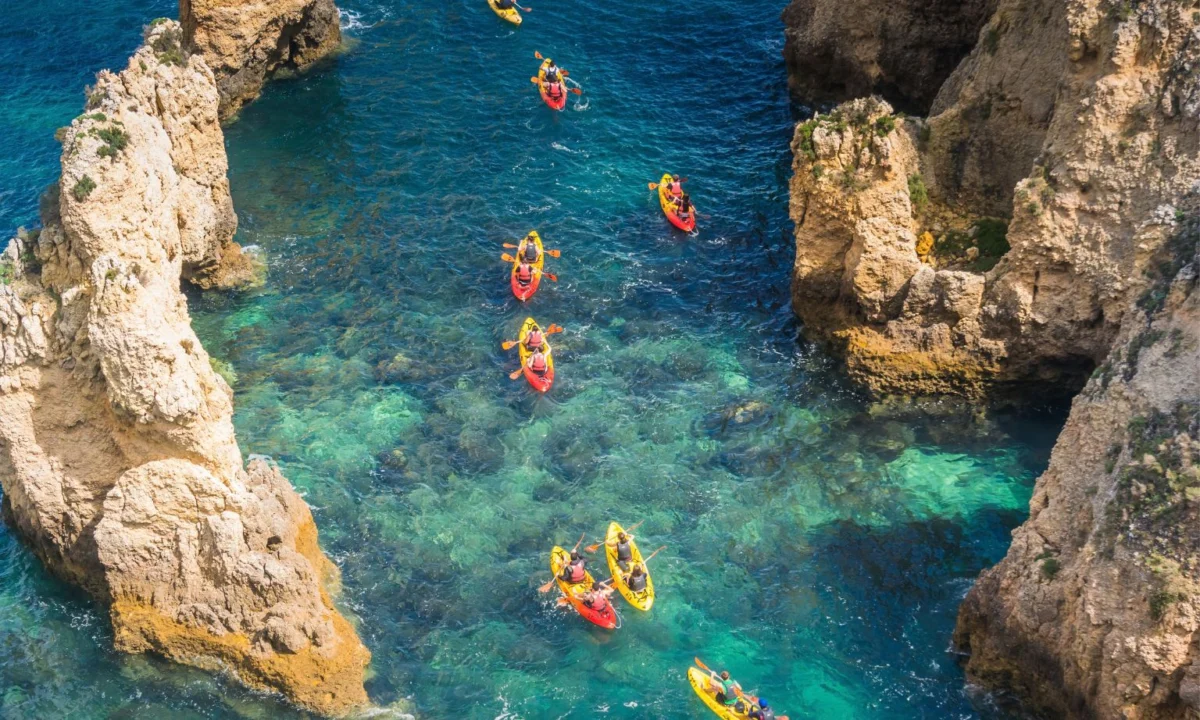
The phenomenon of overtourism has reached a critical juncture across Europe, transforming once-pristine coastal havens and historic urban centers into congested, unsustainable environments. From the litter-strewn shores of the Maltese island of Comino to the protest-marked streets of Barcelona and Mallorca, the strain on local infrastructure and resident quality of life has prompted a reevaluation of European travel patterns. As local authorities implement increasingly stringent measures—ranging from entry fees and rental restrictions to outright discouragement of short-term tourism—travelers are increasingly seeking "dupe" destinations: locations that offer the cultural, aesthetic, or geographical appeal of famous hubs without the associated logistical burdens.
The Evolution of European Overtourism
The surge in post-pandemic travel, coupled with the rise of social media-driven tourism, has created a "monoculture" of popular destinations. According to data from the European Travel Commission, the volume of international arrivals in 2024 surpassed 2019 levels, placing immense pressure on Mediterranean cities. The implications are multifaceted: soaring real estate prices, the erosion of local artisan shops in favor of souvenir kiosks, and environmental degradation of fragile ecosystems.

Chronologically, the escalation began in the mid-2010s, but the 2023-2024 period marked a turning point in public sentiment. In cities like Venice, the implementation of a day-tripper entry fee signaled a shift from passive tolerance to active management. Similarly, the 2024 "stay home" campaign in Mallorca, led by local civic groups, underscored a growing resistance to the traditional tourism-led economic model.
Italy: Beyond the Canals and Cliffside Trails
Venice’s struggle with mass tourism is well-documented, with the city recently experimenting with a five-euro entry fee for day visitors during peak dates. The objective is to mitigate the daily influx that often exceeds 100,000 people. As a viable, authentic alternative, Treviso offers the quintessential Venetian experience without the crushing density. Featuring a network of canals, frescoed churches, and medieval architecture, Treviso maintains a functional, local economy. The city’s "cicchetti" culture—the practice of enjoying small snacks with local wine—mirrors the Venetian experience but at a pace conducive to genuine exploration.
Simultaneously, the Cinque Terre has struggled with physical capacity constraints. The five-village coastal trek, a UNESCO World Heritage site, has been forced to implement one-way traffic flow and strict safety protocols to prevent overcrowding. For those seeking a similar maritime, rugged aesthetic, the Aeolian Islands—a volcanic archipelago off the coast of Sicily—provide a superior alternative. Islands like Salina and Filicudi offer Bronze Age history, vine-draped hills, and hiking trails that remain largely untouched by the mass-market cruise industry.

The Greek Islands: Managing the Popularity Gap
Mykonos has become synonymous with high-end, high-density tourism, with annual visitor numbers reaching approximately two million. This saturation has driven prices to unsustainable levels and shifted the island’s character toward exclusivity. Conversely, Tinos, located a short ferry ride away, offers a more nuanced Greek experience. Tinos has historically been a center for pilgrimage and traditional craftsmanship, particularly marble carving. While Mykonos excels in high-octane nightlife, Tinos provides a serene landscape of mountain hiking, indigenous viticulture, and white-washed villages that are free from the pressures of commercial overdevelopment.
Iberian Peninsula: Addressing Resident Friction
In Barcelona and Mallorca, the relationship between residents and visitors has become increasingly fraught. Barcelona, which saw over 15 million overnight stays in 2024, witnessed public protests involving the use of water pistols to signal dissatisfaction with the influx. The economic reality is that while tourism drives revenue, it also displaces long-term residents.
For those traveling to Catalonia, Girona serves as a sophisticated alternative. Located 40 minutes by train from Barcelona, Girona provides the medieval charm of the Jewish Quarter and the vibrant culinary scene of the Onyar riverfront, but with a pedestrian-friendly layout that encourages slower travel. Similarly, in Portugal, Lisbon’s infrastructure is currently overwhelmed by the demand for its iconic trams and historic sites. Faro, often dismissed as a mere transit point for the Algarve, boasts a quiet, preserved Old Town and serves as a gateway to the Ria Formosa islands, offering natural beauty without the urban congestion of the capital.

The Azores and the Canary Islands: Remote Alternatives
The shift away from traditional hubs extends to the Atlantic archipelagos. Ibiza, once the sanctuary for the 1960s counter-culture movement, has pivoted toward a high-net-worth commercial model that has alienated many traditional visitors. In contrast, La Graciosa in the Canary Islands offers a glimpse into a simpler past. With no paved roads and a commitment to low-impact tourism, the island provides a quietude that is increasingly rare in the region.
Likewise, the island of Santa Maria in the Azores offers an alternative to the intense tourist cycles of the Balearics. As the sunniest of the Azorean islands, Santa Maria provides a temperate, sustainable environment where tourism is secondary to the local agricultural and fishing rhythms.
The Case of Malta and the Mediterranean
The recent reports of Comino becoming a "litter-strewn disaster zone" have served as a wake-up call for Mediterranean tourism management. The environmental impact of high-density tourism on small islands is irreversible if not managed through rigorous caps. In response, destinations like Lampedusa, Italy, have adopted strict booking systems for their most sensitive beaches, such as Spiaggia dei Conigli. By regulating access, authorities can protect local biodiversity—such as the loggerhead turtle nesting grounds—while ensuring that the visitor experience remains high-quality rather than purely transactional.

Analysis of Future Travel Implications
The trend toward "second-city" or "alternative-destination" travel is likely to persist as long as major tourist hubs struggle with infrastructure capacity. The economic implications for these secondary locations are significant; as they receive more investment and interest, they must balance the benefits of tourism revenue with the need to avoid the same pitfalls that have plagued their more popular counterparts.
From an administrative perspective, the future of European tourism lies in dispersion. By promoting lesser-known regions, tourism boards hope to extend the "season" and reduce the pressure on historic city centers. However, this requires significant investment in transport connectivity and local services. For the modern traveler, the shift away from "bucket-list" locations toward lesser-known alternatives represents more than just a search for peace; it is a move toward more ethical and sustainable tourism.
As the continent enters the 2025 travel season, the message from residents and officials is clear: the era of unchecked growth is over. The success of the next decade of European travel will depend on the ability of tourists to seek out the quiet corners, the smaller villages, and the emerging destinations that define the true diversity of the European landscape. Whether it is the frescoed walls of Treviso or the rugged cliffs of the Aeolian Islands, the alternatives exist—they simply require a willingness to look beyond the most marketed paths.


 Lukman Taruna Persada Ramadan
 Tatiana Tantri Indah Sari
 Anjar Salim

 Budi Mulyono