
 Budi Mulyono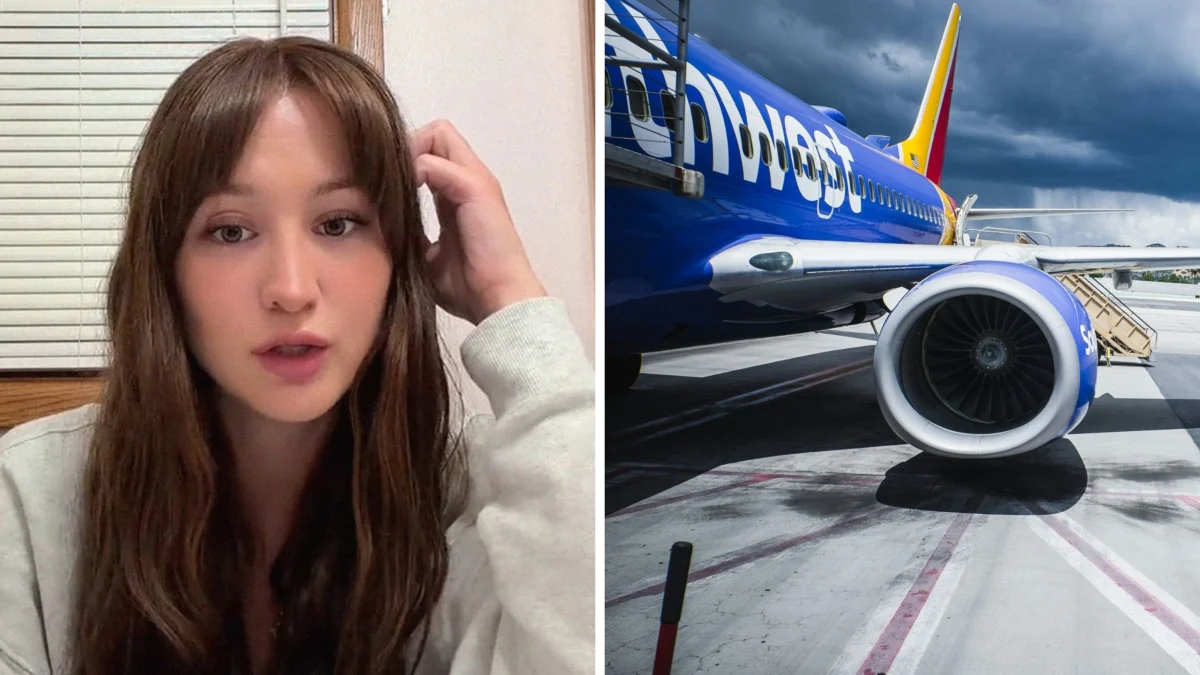
A family traveling from Orlando to Chicago has voiced significant grievances against Southwest Airlines following a medical emergency involving their young daughter, who lives with Type 1 Diabetes (T1D). The incident, which occurred on Flight 1571, has ignited a complex discussion regarding the responsibilities of airline crews, the unpredictability of chronic medical conditions during air travel, and the protocols governing priority deplaning during health crises. The family’s account, shared via social media, suggests a breakdown in communication and empathy that they claim led to a traumatic and hazardous situation for their child.
The event gained national attention after Micaela Wire, the child’s mother, posted a video to TikTok documenting the aftermath of the flight. The footage, which has since surpassed 426,000 views, depicts a chaotic scene at the arrival gate, showing Wire’s husband carrying their daughter through the terminal while both were covered in vomit. According to Wire, the physical distress was a direct result of a "diabetic low"—a state of hypoglycemia—that escalated because the flight crew allegedly failed to take their requests for assistance seriously.
A Detailed Chronology of Flight 1571
The flight, departing from Orlando International Airport (MCO) and bound for Chicago Midway International Airport (MDW), proceeded normally until the final stages of the journey. Wire reported that her daughter was napping during the descent when her continuous glucose monitor or physical symptoms indicated a rapid drop in blood sugar levels.
In the management of Type 1 Diabetes, a "low" occurs when there is too much insulin and not enough glucose in the bloodstream. If not treated immediately with fast-acting carbohydrates, it can lead to confusion, loss of consciousness, or seizures. Wire noted that because her daughter was groggy and tired from her nap, she was unable to chew the solid snacks the family had brought as a precaution. Seeking a liquid alternative, Wire’s husband approached a flight attendant to request apple juice.
The family alleges that the initial interaction was fraught with unnecessary friction. According to Wire’s account, the flight attendant insisted on providing orange juice instead of apple juice, despite the parents’ preference for the latter based on their child’s specific treatment history. The attendant reportedly made "smart remarks," questioning the family’s insistence on apple juice and suggesting that orange juice was the standard protocol for the airline. While the family eventually received the apple juice, they claim the delay and the attendant’s "attitude" added undue stress to an already critical window for treatment.
As the plane landed and began taxiing toward the gate, the situation worsened. Despite consuming several syringes of juice, the child’s blood sugar levels remained dangerously low. Recognizing that the situation was on the verge of becoming a full-scale medical crisis, the father informed the crew that they were experiencing a medical emergency and requested that they be allowed to deplane first once the boarding bridge was connected.
The response from the crew, as described by Wire, was dismissive. She claims the attendant appeared to fake a phone call to ground staff and then used the aircraft’s intercom system to issue a stern warning to all passengers. The announcement allegedly stated that if any passenger stood up before the aircraft reached a complete stop, the pilot would halt the plane, adding that passengers should remain seated unless there was a "real" emergency. Wire interpreted this as a direct rebuke of her family’s plea for help.
The Escalation at the Gate
Upon reaching the gate, the standard deplaning process began. In the "open seating" environment of Southwest Airlines, passengers often congregate in the aisles quickly to retrieve overhead luggage. Stuck behind rows of passengers, the family watched as their daughter’s condition deteriorated. Wire noted that no crew members checked on the child during this period.
Approximately ten minutes into the deplaning process, the child’s body reached a breaking point. The severe hypoglycemia, combined with the stress of the situation, triggered violent vomiting. Wire described the scene as "scary" and "traumatizing," noting that the child vomited on herself, her parents, and the surrounding cabin area. It was only at this point, Wire claims, that other passengers realized the gravity of the situation and cleared a path, allowing the family to rush off the aircraft to seek professional medical aid at the terminal.
Medical Context: The Risks of Hypoglycemia in Aviation
To understand the family’s frustration, it is necessary to examine the physiological demands of Type 1 Diabetes. Unlike Type 2 Diabetes, T1D is an autoimmune condition where the pancreas produces little to no insulin. Management requires constant monitoring and precise balancing of insulin, food, and activity.
Air travel introduces several variables that can complicate this balance. Changes in cabin pressure can occasionally affect insulin pump delivery, and the stress of travel or changes in meal timing can cause blood sugar fluctuations. A "diabetic low" is considered a medical emergency because the brain requires glucose to function. If levels drop too low, the body’s autonomic nervous system triggers a "fight or flight" response, which can cause the nausea and vomiting experienced by the child in this incident.
Vomiting is particularly dangerous for a diabetic in a hypoglycemic state because it prevents the oral intake of sugar, often necessitating a glucagon injection or intravenous glucose—treatments that are more invasive and require higher levels of medical intervention.
Regulatory Standards and Airline Responsibility
The incident raises questions about the legal and ethical obligations of air carriers during medical events. In the United States, airline operations are governed by the Federal Aviation Administration (FAA). Under 14 CFR Part 121.803, passenger aircraft must be equipped with Emergency Medical Kits (EMK) and First Aid Kits.
While these kits are required to contain items like antihistamines, aspirin, and CPR masks, the FAA does not explicitly mandate that airlines carry specific types of juice. However, guidelines from health organizations like Johns Hopkins Medicine suggest that any first-aid kit for a diabetic should include glucose or a concentrated sugar solution.
Furthermore, the Centers for Disease Control and Prevention (CDC) provides guidance for cabin crews on responding to in-flight medical emergencies. These recommendations include:
- Communicating the patient’s condition clearly to the flight deck (the pilots).
- Seeking assistance from any medical professionals on board.
- Moving the ill passenger to a more private or accessible area if possible.
- Coordinating with ground-based medical consultants (such as Stat-MD) to determine the severity of the issue.
In this case, the family’s primary complaint is not a lack of supplies, but a lack of procedural urgency. While flight attendants are trained in basic first aid, they are also responsible for cabin safety and federal compliance, which includes ensuring passengers remain seated while the aircraft is in motion. This often creates a conflict between individual medical needs and broad safety mandates.
Public Reaction and the Debate Over Preparedness
The digital response to Wire’s video has been polarized, reflecting broader societal views on parental responsibility and corporate accountability.
One segment of the audience criticized the parents, arguing that as caregivers of a child with a chronic condition, they should have been better prepared. Comments on the video suggested that the family should have carried glucose tabs, gels, or their own supply of juice to avoid relying on airline catering. "As the parent, you should be prepared," one user wrote, while others noted that they always travel with sugar packets or candy for similar emergencies.
Conversely, many others, including former flight attendants, defended the family. They argued that once a passenger declares a medical emergency, the crew’s priority should shift to triage and assistance. A former flight attendant commented that the crew could have easily made a polite announcement asking passengers to remain seated to allow a family with a medical emergency to deplane first—a common courtesy often extended to those with tight connections or physical disabilities.
The debate highlights the "invisible" nature of many disabilities. Because the child did not appear outwardly ill until she began vomiting, the crew may have underestimated the severity of the situation, highlighting a potential need for better training regarding "invisible" chronic illnesses like T1D.
Broader Implications for the Airline Industry
This incident comes at a time when Southwest Airlines and the broader aviation industry are under intense scrutiny regarding customer service and operational reliability. For Southwest, an airline that prides itself on "Heart" and a people-centric culture, allegations of "smart remarks" and dismissive behavior toward a sick child are damaging to the brand’s reputation.
From a policy perspective, this event may prompt a review of how crews are trained to distinguish between "passenger non-compliance" and "emergency-driven movement." If a passenger stands up during taxiing because of a medical crisis, the standard response of threatening to stop the plane may be counterproductive, as it further delays the arrival of medical help.
As of the latest reports, the child involved in the incident has recovered and is in good health. Southwest Airlines has not released a detailed public statement regarding the specific actions of the crew on Flight 1571, though the family has indicated they wish for a formal acknowledgment of the lapse in care.
The case serves as a poignant reminder of the complexities of modern air travel, where the rigid enforcement of safety protocols can sometimes clash with the unpredictable realities of human health. It underscores the necessity for both passenger preparedness and airline empathy, ensuring that the skies remain safe for even the most vulnerable travelers.




 Anjar Salim
 Chandra Hamzah
 Tatiana Tantri Indah Sari
 Lukman Taruna Persada Ramadan
