
 Budi Mulyono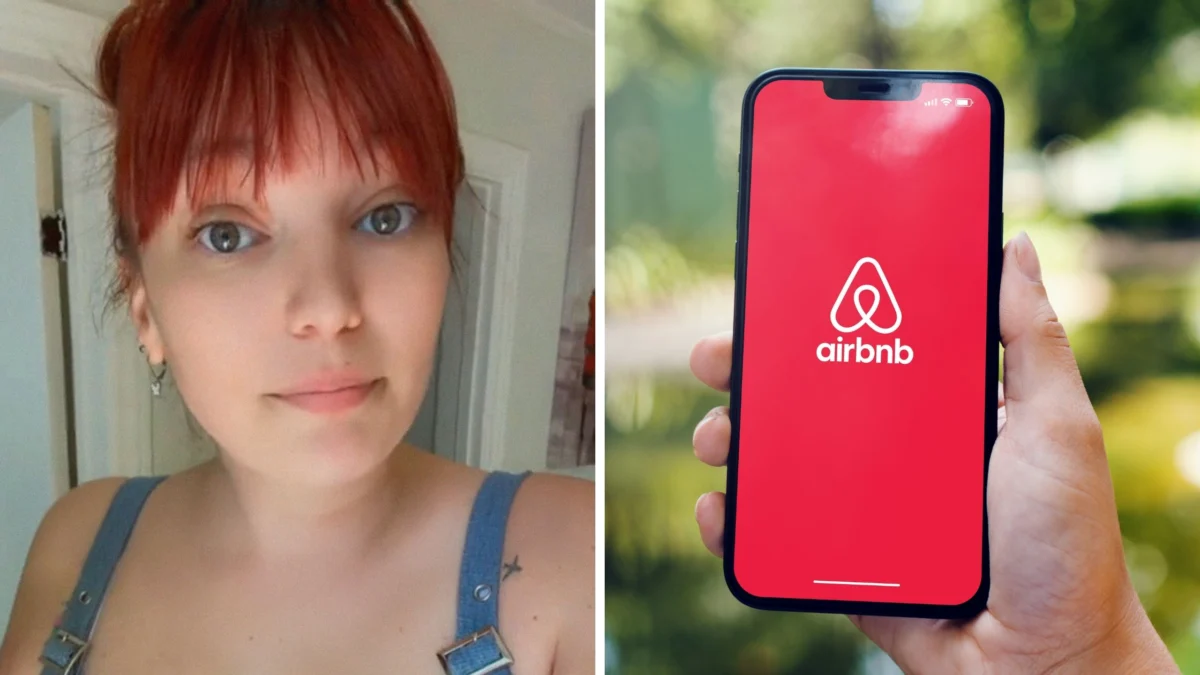
The sanctity of the private home has increasingly come into conflict with the sprawling digital marketplace of short-term rentals, as evidenced by a recent high-profile incident involving a TikTok creator and a bewildered traveler. Alyshia Clark, known digitally as @lyshaface, recently detailed an unsettling encounter that highlights a growing systemic failure within the peer-to-peer lodging industry: the "ghost listing" scam. While travelers frequently worry about substandard accommodations or unresponsive hosts, a more invasive phenomenon is emerging where private residences, never intended for the rental market, are being advertised by third-party scammers.
The incident occurred during a significant family milestone at Clark’s residence. While her eldest daughter and friends were downstairs preparing for their high school prom, a friend alerted Clark to an unusual sight in the driveway. A woman had arrived with an extensive amount of luggage and a dog, appearing prepared for a long-term stay. Upon investigation, Clark discovered that the woman believed she had legally booked the property through Airbnb. The traveler presented a listing that featured high-quality, fully furnished interior photos of Clark’s home—images that Clark recognized as old marketing photos from when she had previously rented the property as a tenant.
A Detailed Chronology of the Confrontation
The timeline of the event illustrates the immediate confusion and subsequent administrative hurdles faced by both the homeowner and the defrauded guest. According to Clark’s testimony, the encounter began with a direct confrontation in the driveway. When Clark informed the guest that the property was a private residence and not an Airbnb, the guest produced her booking confirmation. The listing was an exact match for Clark’s address.
Recognizing the gravity of the situation, Clark immediately contacted her landlord to ascertain if the property had been listed without her knowledge. The landlord confirmed they had no involvement with Airbnb and did not even possess the application. This confirmed that a third party had likely "scraped" old real estate photos from the internet to create a fraudulent profile, a tactic common in digital real estate scams where high-quality images are used to lure victims into paying for non-existent or unavailable services.
The situation then shifted to a lengthy mediation process with Airbnb’s customer service department. The traveler, now stranded with her belongings and a pet, spent several hours attempting to resolve the issue with the platform. Clark noted that the initial response from the Airbnb representative was dismissive, reportedly asking the guest if she simply "wanted to cancel the listing." The guest had to clarify repeatedly that the listing was not merely a "bad" rental, but a fraudulent use of a private citizen’s home.
After hours of negotiation, Airbnb eventually issued a full refund to the guest. However, the corporate response was criticized by Clark and her viewers as inadequate; the guest was reportedly offered a $35 credit for the inconvenience and a list of alternative properties. Demonstrating a high degree of empathy, Clark eventually drove the guest to her new accommodation to assist with the logistics of her luggage.
The Recurring Nature of Property Hijacking
Perhaps the most concerning aspect of Clark’s report is that this was not an isolated event. She revealed that a similar incident had occurred on December 26, when an unidentified man was discovered walking around her property and peering through her windows. At the time, Clark assumed it was a one-off error that would be corrected by the platform. The recurrence of the issue suggests that once a property’s data is entered into a scammer’s database, it can be difficult to purge from the digital ecosystem.
In follow-up communications, Clark indicated that she sought assistance from local law enforcement, though she reported receiving little substantive support. She also noted a lack of urgency from her landlord in addressing the security breach. While Airbnb eventually contacted Clark to state they were investigating the matter, the delay between the first and second incidents highlights a significant gap in the platform’s proactive monitoring of fraudulent listings.
Systemic Vulnerabilities: The Mechanics of the Ghost Listing Scam
The "ghost listing" or "bait-and-switch" scam is a multifaceted problem for the short-term rental industry. Industry analysts point to several factors that allow these scams to proliferate:
- Image Scraping: Scammers use automated tools to harvest photos from Zillow, Redfin, or former rental listings. These photos are then used to create a professional-looking profile that bypasses the initial visual scrutiny of most travelers.
- Address Manipulation: In some cases, scammers list a property at a "verified" address but then message the guest at the last minute to claim there is a "plumbing issue," redirecting them to an inferior property. In Clark’s case, the scam was a "pure ghost" listing, where the scammer likely hoped to collect the booking fee and disappear before the guest arrived.
- Delayed Verification: While Airbnb has introduced more robust verification measures in recent years, many listings remain active before the verification process is complete.
According to data from consumer protection agencies, fraudulent listings are a significant portion of reported travel scams. In 2023, the Federal Trade Commission (FTC) reported that consumers lost hundreds of millions of dollars to travel-related fraud, with a notable increase in scams involving peer-to-peer platforms. While Airbnb claims that its "AirCover" policy protects guests, it does little to protect the homeowners whose privacy is violated when strangers show up at their doors.
Broader Industry Data and Platform Responsibility
Airbnb’s official stance, as stated on their help center, is that guests "shouldn’t have to worry that a listing is fake." The company has touted its "Location Verification" program, which uses a combination of GPS data and host documentation to ensure the accuracy of a listing. However, the company also admits that this verification is often optional or phased in by region. In late 2023, Airbnb announced a major initiative to verify 1.5 million listings in the US, Canada, UK, France, and Australia, yet incidents like Clark’s suggest that the system remains porous.
The reaction from the online community reflects a growing "Airbnb fatigue" among both travelers and residents. Comments on Clark’s video included anecdotes from other homeowners who had experienced similar trespassing incidents due to "neighbor errors" or malicious fraud. One user noted that their neighbor had accidentally entered the wrong house number on their listing, leading to months of strangers attempting to enter their home.
From a journalistic and analytical perspective, these events raise questions about the liability of tech platforms. In many jurisdictions, Section 230 of the Communications Decency Act in the United States protects platforms from being held liable for content posted by third parties. However, as these platforms move closer to being "service providers" rather than just "bulletin boards," the legal pressure to ensure the physical safety of both guests and the public is mounting.
Legal and Privacy Implications for Homeowners
For the homeowner, a fraudulent listing is more than an inconvenience; it is a security threat. The presence of strangers on a private property, particularly those who believe they have a legal right to be there, creates a high-risk environment for potential altercations. Furthermore, the psychological impact of having one’s private living space broadcast to millions of potential "customers" cannot be overstated.
Legal experts suggest that homeowners in Clark’s position should take several steps:
- Cease and Desist: Send a formal notice to the platform demanding the immediate removal of the listing and the blacklisting of the associated host account.
- Digital Monitoring: Set up "Google Alerts" for your home address to be notified if it appears on new websites or rental platforms.
- Police Documentation: Even if local police are unable to arrest a digital scammer, a filed police report provides a paper trail that can be used to pressure platforms into taking action.
Conclusion: The Path Toward Platform Accountability
The incident involving Alyshia Clark serves as a cautionary tale for the modern era of the sharing economy. It highlights a disconnect between the rapid expansion of digital marketplaces and the physical realities of property rights and personal safety. While Airbnb and its competitors have revolutionized travel, the burden of security and verification continues to fall disproportionately on the users and, in this case, innocent bystanders.
As the short-term rental market matures, the demand for mandatory, pre-listing verification is likely to increase. Until platforms can guarantee that a listed home is actually authorized for rent by its legal occupant, the risk of "ghost listings" will continue to haunt both the travelers seeking a place to stay and the homeowners simply trying to live in peace. For now, the "cheers to new friends" shared by Clark and her unintended guest remains a rare moment of grace in a situation defined by corporate and digital failure.




 Anjar Salim
 Chandra Hamzah
 Tatiana Tantri Indah Sari
 Lukman Taruna Persada Ramadan
