
 Walid Sujud Trenggono
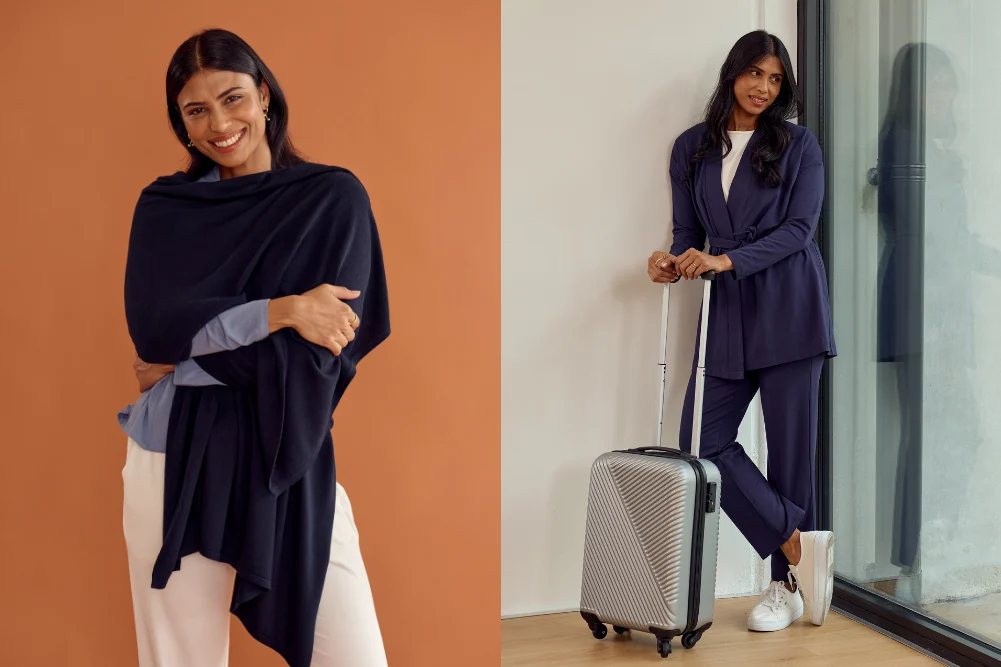
The secret to arriving at your destination feeling refreshed and ready to engage begins long before departure, anchored fundamentally in the intentional selection of a travel wardrobe. Anyone who has stepped off a fourteen-hour intercontinental flight feeling physically stiff, uncomfortably chilled, and completely dishevelled understands the acute importance of a well-engineered travel ensemble. Sartorial choices made ahead of boarding day carry significant weight, influencing not merely immediate physical comfort at 35,000 feet, but psychological well-being and physiological recovery upon arrival.
Addressing this universal travel dilemma requires moving beyond casual fashion choices into the realm of functional ergonomics. Whether navigating an ultra-long-haul flight, embarking on an oceanic cruise, or undertaking an extensive cross-country road trip, optimizing one’s travel attire dramatically eases the friction inherent in modern transit. For nearly two decades, the Australian apparel enterprise Bamboo Body has specialized in crafting soft, highly breathable garments derived from bamboo fibres, emerging as a prominent voice in the discourse surrounding functional transit wear.
The Evolutionary Shift in Travel Attire: From Formal Wear to Functional Ergonomics
Historically, air travel was regarded as an exclusive, formal occasion where passengers routinely donned tailored suits, stiff collars, and restrictive footwear. Throughout the mid-twentieth century, commercial aviation prioritized a polished, status-driven aesthetic over physiological ease. However, the mass democratization of air travel, combined with the introduction of ultra-long-haul routes exceeding fifteen hours of continuous flight time, catalyzed a profound shift in consumer priorities.
By the early 2000s, the medical and wellness communities began actively warning against the physiological hazards associated with prolonged immobility and restrictive clothing at high altitudes. Deep vein thrombosis (DVT), circulatory sluggishness, and severe thermal fluctuations inside pressurized aircraft cabins forced a cultural re-evaluation of airport style. The contemporary traveller no longer measures journey success by sartorial formality, but by the ability to disembark without physical compromise. This paradigm shift opened a commercial space for specialized travel wear designed to merge aesthetic composure with athletic-level comfort, prioritizing natural textiles capable of adapting to erratic micro-climates.
Taking the Guesswork Out of Getting Dressed: The Rise of the Coordinated Travel Set
One of the most persistent psychological burdens of modern transit is decision fatigue, frequently triggered during the packing process. To streamline this experience, coordinated travel sets have emerged as a cornerstone of efficient travel preparation. Matching separates engineered in soft, breathable fabrics eliminate the cognitive friction of mixing and matching garments under time constraints, ensuring a polished, unified appearance after hours confined to airplane seating.
Industry specialists emphasize that effective travel sets incorporate key structural elements: high elasticity waistbands that accommodate abdominal expansion caused by cabin pressure changes, relaxed silhouettes that prevent friction against sensitive skin, and classic tailoring that bridges the gap between casual lounging and professional presentation. Such versatility allows travellers to transition seamlessly from airport security checkpoints and executive lounges directly to ground transportation and initial destination itineraries without requiring an immediate wardrobe change.
Market research indicates a growing consumer preference for adaptable neutral tones alongside muted earth colours, providing flexibility for varied travel itineraries. This modular approach to packing reduces overall luggage weight, aligning with broader consumer trends favouring minimalist, capsule-wardrobe methodologies.
Mitigating Cabin Climate Volatility Through Advanced Textiles
Navigating the erratic thermal environment of a modern commercial airliner remains one of the primary challenges of long-distance transit. Commercial aircraft cabins are notoriously difficult to thermally regulate, frequently transitioning from uncomfortably warm during the boarding process on the tarmac to freezing within hours of reaching cruising altitude. Passengers relying solely on thin, synthetic airline-provided blankets frequently experience cold stress, which impairs sleep quality and compromises immune response.
To counter these unpredictable temperature drops, seasoned travellers increasingly rely on generously proportioned travel wraps crafted from advanced material blends, such as bamboo fibres combined with recycled cashmere. These garments function as multi-tier thermal systems: operating initially as a protective scarf through bustling airport terminals, serving as a structured shawl over the shoulders during flight service, and transforming into a functional lightweight blanket during sleep cycles.
Material scientists note that the integration of recycled cashmere with bamboo viscose offers a unique equilibrium between thermal retention and lightweight breathability. Unlike heavy wools or dense synthetics that trap perspiration and cause overheating, sustainable luxury blends regulate localized micro-climates around the body, insulating against drafty air conditioning vents while preventing thermal shock upon disembarking into warmer destination climates.
The Science of Layering for Dynamic Environmental Shifts
Modern journeys inherently expose travellers to rapid, extreme shifts in ambient temperature and humidity. A typical transit day might involve navigating the high summer heat of an outdoor parking facility, transitioning into aggressively air-conditioned terminal buildings, boarding a climate-fluctuating aircraft cabin, and finally arriving in a completely different geographic and meteorological zone. Managing this sequence without carrying excessive luggage requires a strategic layering methodology.
Physiological comfort in dynamic environments is best achieved through a three-tier garment structure: a moisture-wicking base layer, an insulating mid-layer, and a protective outer wrap. The foundation of this system begins directly against the skin with a fitted singlet, lightweight tee, or long-sleeve base layer.
Bamboo fabric has gained significant traction in this sector due to its inherent biological properties. Unlike conventional cotton, which absorbs and retains moisture, bamboo-derived textiles are naturally moisture-wicking, pulling perspiration away from the skin surface to evaporate rapidly. Furthermore, bamboo exhibits natural thermoregulating characteristics, expanding fibres to release heat when ambient temperatures rise and contracting to trap warmth when conditions cool. This dynamic adaptability prevents the damp, clammy sensation often experienced during prolonged periods of transit, eliminating the bulk and stiffness traditionally associated with heavy winter wear.
Micro-Comforts: The Underrated Impact of Specialized Footwear and Accessories
While major garments dictate overall thermal regulation, micro-comfort accessories frequently determine whether a journey concludes in physical ease or chronic irritation. Among these, the selection of hosiery is frequently underestimated by infrequent travellers. Once footwear is removed during long-haul flights to accommodate natural foot swelling caused by reduced atmospheric pressure and immobility, cold and stiff feet can become a significant source of distraction and discomfort.
Industry experts advocate for the inclusion of specialized bamboo socks designed with non-restrictive cuffs. Standard socks often feature tight elastic bands that impede peripheral circulation, exacerbating swelling and increasing the risk of circulatory issues during long periods of seated immobility. Conversely, high-quality bamboo hosiery provides gentle, graduated support, exceptional breathability, and natural antimicrobial properties that control odour during extended wear. These minor additions to a packing list yield disproportionate returns in overall physical well-being by the time the aircraft touches down.
Economic and Lifestyle Implications of Sustainable Transit Wear
The broader adoption of specialized, sustainable travel wear reflects a wider transformation in consumer behaviour. As global travel rebounds and expands following years of pandemic-related disruption, consumers are increasingly scrutinizing the lifecycle and utility of their purchases. Fast-fashion garments designed exclusively for photographic aesthetics are rapidly being displaced by durable, multi-functional apparel that prioritizes health, comfort, and environmental sustainability.
Textile analysts note that the production of bamboo viscose utilizes significantly less water than conventional cotton cultivation and requires no chemical pesticides, positioning it favourably among eco-conscious consumers. When manufacturers incorporate recycled cashmere and ethical supply chain practices, the resulting travel garments appeal directly to the modern demographic of conscious travellers who refuse to compromise personal comfort for ecological responsibility.
Ultimately, the optimization of a travel wardrobe is an investment in personal energy and transit efficiency. By curating a selection of breathable, thermoregulating, and versatile garments—ranging from coordinated travel sets and adaptable wraps to moisture-wicking base layers and supportive hosiery—travellers can effectively insulate themselves from the physiological stresses of modern mobility. Arriving at a destination feeling entirely like oneself is no longer a matter of fortunate coincidence, but the predictable outcome of deliberate, science-backed sartorial planning.




 Tatiana Tantri Indah Sari

 Dwi Wanna

 Anjar Salim
 Lukman Taruna Persada Ramadan


 Budi Mulyono
