
 Cholid Fahmi Thalib
Travel, for many, is a pursuit driven by a desire for new experiences, cultural immersion, and personal growth. Yet, amidst the grand vistas and historical marvels, it is often the sensory tapestry of food that weaves the most enduring memories. A meticulously planned meal, savored in an authentic setting, can offer a more profound understanding of a destination than hours spent on traditional sightseeing. By placing culinary exploration at the heart of an itinerary, travelers gain a practical pathway to genuine cultural connection, enable more intentional time management, and circumvent the common anxieties of last-minute decisions. This approach shifts the focus from chasing generic recommendations to actively designing an experience that resonates with a traveler’s authentic desire to engage with a place through its flavors, daily routines, and everyday dining habits.
The Foundation: Researching Local Food Culture
The cornerstone of any successful culinary itinerary lies in a deep dive into the local food culture. Understanding what residents eat, when they eat it, and how these patterns influence daily life is paramount. For instance, recognizing that dinner in Madrid typically commences late, or that Florentine markets reach their zenith in the early morning, allows for a more harmonious integration of personal plans with the city’s natural rhythm. This proactive research transcends superficial dining and fosters an appreciation for the socio-culinary fabric of a place.
Leveraging resources such as local food blogs, online culinary forums, and even regional-specific search engines—accessed potentially through a VPN extension to bypass geographical restrictions—can unlock a wealth of authentic dining opportunities. This diligent effort is instrumental in steering clear of overwhelmingly tourist-centric establishments, guiding travelers toward venues where quality and value are calibrated to local expectations, thereby ensuring a more genuine and rewarding gastronomic experience. Data from the World Food Travel Association consistently highlights that travelers increasingly prioritize authentic local food experiences, with a significant percentage reporting that food is a primary driver for choosing a destination. This trend underscores the economic impact of culinary tourism, with studies indicating that food-focused travelers tend to spend more on average than general tourists.
Balancing the Planned with the Spontaneous
While a curated list of renowned restaurants or iconic dishes is an inevitable part of many travel plans, over-scheduling every meal can lead to a rigid and less adaptable journey. A strategic approach involves reserving specific, high-priority culinary experiences—such as a tasting menu at a Michelin-starred establishment or a visit to a historic café steeped in local lore—while deliberately leaving interstitial periods open for serendipitous discoveries.
This deliberate inclusion of flexibility allows travelers to readily embrace spontaneous recommendations from locals encountered during their explorations or to be drawn into the vibrant atmosphere of a bustling neighborhood eatery that unexpectedly captures their attention. This balanced methodology not only alleviates the pressure of a tightly packed schedule but also significantly enhances the probability of encountering genuinely authentic meals, often surpassing those discoverable through conventional online searches. Such unplanned encounters frequently yield the most cherished and memorable culinary moments, fostering a deeper, more intimate connection with the destination. According to a recent survey by the Global Travel Association, 65% of travelers reported that their most memorable travel experiences were unplanned moments, a statistic that resonates strongly within the realm of culinary exploration.
Structuring the Day Around Culinary Anchors
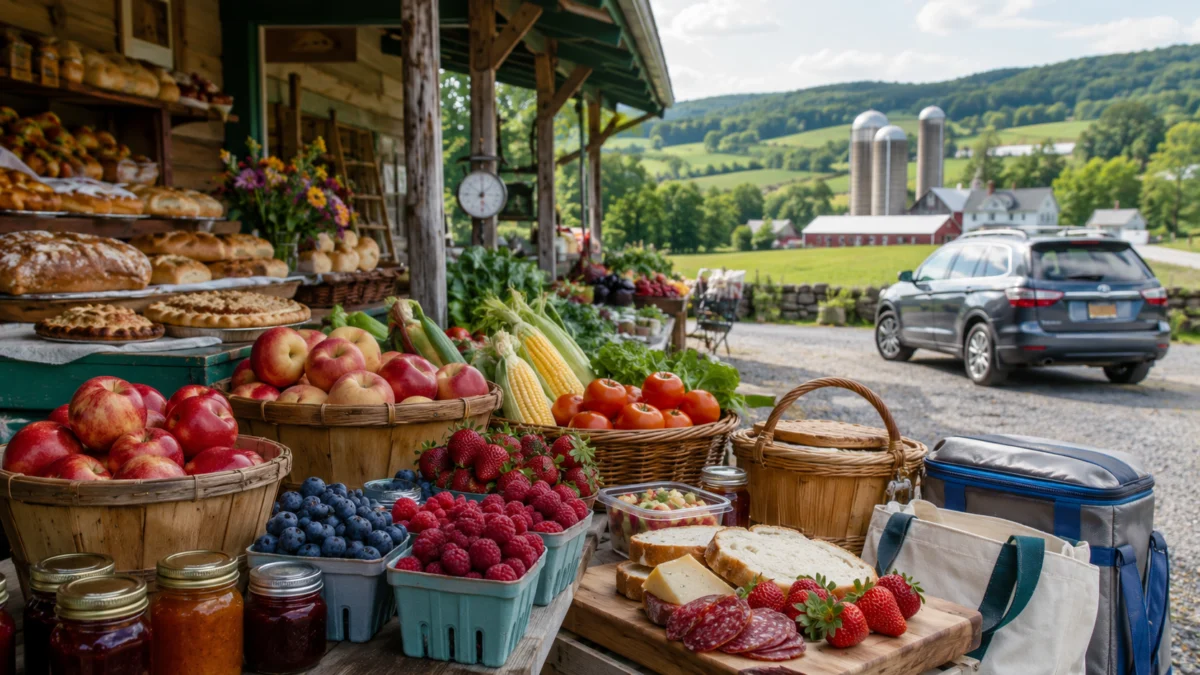
To cultivate a sense of structure without succumbing to an overwhelming itinerary, it is beneficial to anchor each day around a singular, meaningful food-related experience. This could involve dedicating a morning to exploring a vibrant local market, followed by a relaxed, casual lunch at a nearby establishment. The afternoon might then be reserved for sightseeing, culminating in a pre-booked dinner reservation.
This strategic sequencing minimizes unnecessary travel across the city, conserves traveler energy, and cultivates a more focused and enjoyable experience. When meals serve as navigational anchors, travelers are naturally guided through neighborhoods, allowing for a more profound exploration of local life and culture, rather than merely hopping between disconnected attractions. This methodical yet flexible approach ensures that the essence of a destination’s culinary landscape is explored in depth, contributing to a richer and more immersive travel narrative. Research indicates that travelers who plan their trips around specific interests, such as food, report higher levels of satisfaction and a greater perceived value for their travel investment.
Harnessing Digital Tools for Seamless Organization
In the contemporary travel landscape, digital tools serve as indispensable allies in simplifying planning and maintaining accessibility to essential information while navigating between diverse locations. The strategic utilization of map applications to save restaurant pins, the consolidation of all booking confirmations within a single digital folder, and the maintenance of detailed notes on desired dishes or culinary experiences can streamline the entire process.
When all pertinent information is centrally located and readily accessible, travelers can significantly reduce the time spent on logistical searches and dedicate more attention to immersing themselves in their surroundings. This efficiency is particularly invaluable when unexpected shifts in plans necessitate quick adjustments. The widespread adoption of travel apps reflects this trend, with platforms offering integrated itinerary management, restaurant discovery, and booking services seeing substantial user growth year over year. Such tools empower travelers to remain agile and informed, enhancing the overall travel experience.
The Imperative of Continuous Review and Adaptation
The efficacy of any travel itinerary, particularly one centered on culinary exploration, is best realized through a process of ongoing review and dynamic adjustment. Each day presents an opportunity to assess what aspects of the plan are functioning optimally and which elements feel restrictive or incongruent with the evolving travel experience.
For instance, if a leisurely, extended lunch leaves one feeling overly satiated for an intended dinner, a prudent adjustment might involve opting for lighter fare the following day or exploring an entirely different neighborhood to reset the palate and energy levels. This commitment to continuous refinement ensures that the journey remains aligned with the traveler’s appetite, energy, and overarching desires, fostering an experience that feels organic and responsive rather than rigidly over-planned. This adaptive approach is crucial for maximizing enjoyment and minimizing the potential for dissatisfaction, allowing the traveler to truly savor each moment and discovery. The concept of "slow travel," which emphasizes deeper engagement with a destination over a longer period, often incorporates such iterative planning, recognizing that authentic experiences unfold organically.
The Broader Implications of Culinary Itinerary Planning
The deliberate construction of a culinary itinerary extends beyond mere meal planning; it represents a fundamental shift in how one engages with a destination. By prioritizing food, travelers are compelled to interact with local communities in authentic settings, fostering connections that transcend superficial tourism. This focus can also have significant economic implications for local businesses, directing patronage towards smaller, independent establishments that often embody the true culinary spirit of a region.
Furthermore, this approach encourages a more mindful and intentional travel experience. Instead of passively consuming a destination, travelers actively participate in its daily rhythms and traditions. This can lead to a more profound appreciation for the nuances of local culture, from agricultural practices and food preparation techniques to the social significance of communal dining. The rise of culinary tourism as a major sector within the global travel industry, projected to continue its upward trajectory, is a testament to the enduring appeal of this immersive approach. As the world becomes increasingly interconnected, the desire to experience authentic local flavors and traditions serves as a powerful motivator for travel, shaping both individual journeys and the broader landscape of global tourism. The ability to craft a personalized culinary journey not only enhances individual travel experiences but also contributes to the sustainable growth and preservation of diverse cultural foodways worldwide.


 Anjar Salim
 Dwi Wanna
 Budi Mulyono
 Lukman Taruna Persada Ramadan
 Chandra Hamzah
 Gabriela Annisa