
 Cholid Fahmi Thalib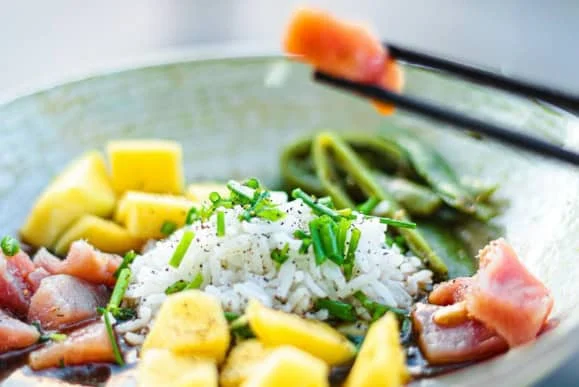
Islands are some of the most unique and captivating destinations on earth. From their isolated charm to the thriving ecosystems they boast, each island offers something special and for food lovers, they’re often the perfect place to indulge in local, fresh cuisine. From the beaches of the Caribbean to the Pacific Islands, there’s no shortage of exceptional dining experiences that reflect the culture and natural abundance of these isolated spots. If you’re a foodie flashpacker with a passion for exploring the flavors of the world, these island destinations should be on your radar. Whether you’re looking for fresh seafood, tropical fruits, or traditional recipes passed down through generations, these islands offer memorable meals that will have you coming back for more.
The allure of island destinations extends far beyond their picturesque landscapes and pristine beaches. For the growing demographic of culinary travelers, islands represent unparalleled opportunities to explore distinct food cultures shaped by unique geographies, historical influences, and abundant natural resources. A recent surge in food tourism, with projections indicating continued growth in the global culinary tourism market—valued at over $600 billion in 2023 and anticipated to expand at a compound annual growth rate (CAGR) of approximately 11% through 2030—underscores the significant economic and cultural impact of food on travel choices. Islands, by their very nature, often foster self-contained culinary ecosystems, making them prime destinations for those seeking authentic, locally sourced gastronomic experiences. This article delves into a selection of island regions that exemplify this phenomenon, showcasing their diverse flavors, culinary traditions, and the unique stories behind their celebrated cuisines.
Caribbean Delights: A Symphony of Spices and Seafood
The Caribbean islands are globally renowned for their vibrant and multifaceted cuisine, a rich tapestry woven from the threads of African, Indigenous, and European culinary traditions. This historical confluence has given rise to a distinct gastronomic identity characterized by bold flavors, aromatic spices, and an emphasis on the bounty of the sea and tropical flora. From the fiery zest of Jamaica’s iconic jerk chicken, a dish originating from the Maroons who used pimento wood to smoke and preserve meat, to the savory succulence of the Bahamas’ conch fritters, a testament to the region’s abundant marine life, and the comforting depth of Barbados’ curry goat, a legacy of indentured Indian laborers, Caribbean food offers an exhilarating exploration of bold and complex tastes. These flavors are a direct reflection of the region’s colorful and often tumultuous history, where trade routes, migrations, and colonial legacies have all contributed to a unique culinary heritage.
What truly sets Caribbean cuisine apart is its unwavering reliance on the freshest, most readily available local ingredients. Seafood, in particular, plays a starring role. Many establishments pride themselves on serving fish and shellfish caught just hours before, often prepared using time-honored methods that highlight their natural sweetness. These oceanic treasures are typically accompanied by staple tropical sides such as fluffy rice and peas, a fragrant dish simmered with coconut milk and herbs, or the sweet, caramelized notes of fried plantains. In destinations like Jamaica and the Turks and Caicos, diners can experience the unparalleled delight of ocean-fresh lobster, succulent snapper, and plump shrimp, all prepared in authentic local styles that masterfully balance potent spices and aromatic herbs. The pervasive use of ingredients like Scotch bonnet peppers, allspice, thyme, and ginger not only provides a characteristic heat but also an aromatic depth that defines the soul of Caribbean cooking.
Mediterranean Islands: Sun-Kissed Flavors of Southern Europe
The Mediterranean islands, including culinary titans like Sicily, Sardinia, and Crete, present a gastronomic journey steeped in the principles of the Mediterranean diet, a lifestyle recognized by UNESCO as an Intangible Cultural Heritage of Humanity. This cuisine is characterized by its profound emphasis on fresh produce, abundant seafood, and the foundational staples of olives, cheese, and wine. The resulting culinary creations are often deceptively simple, yet bursting with inherent flavor, a direct testament to the region’s remarkable agricultural richness and a millennia-long history of cross-cultural exchange that has shaped its culinary landscape.
Sicilian cuisine, for instance, is celebrated for its iconic dishes that showcase the island’s fertile volcanic soil. Pasta alla Norma, a beloved classic, exemplifies this with its harmonious blend of local eggplants, ripe tomatoes, fragrant basil, and the sharp, salty finish of ricotta salata. Sardinia, with its rugged interior and coastal bounty, is renowned for its hearty meat dishes, such as the slow-cooked culurgiones (stuffed pasta), and its distinct, piquant pecorino cheese, a staple in many of its robust preparations. On the Greek islands, like Crete, the tradition of mezze platters reigns supreme. These small, shareable dishes offer a delightful introduction to the island’s flavors, featuring creamy tzatziki, succulent grilled lamb skewers, and a vibrant array of seasonal vegetables, all drizzled with locally pressed olive oil. The overarching philosophy of Mediterranean island food is centered on the use of high-quality, seasonal ingredients, employing straightforward cooking methods that allow the natural flavors of the land and sea to shine through, celebrating the essence of Mediterranean life.
Southeast Asian Islands: An Exquisite Fusion of Tropical Aromas and Exotic Spices
Island destinations across Southeast Asia, including the famed shores of Bali, Phuket, and the archipelagos of the Philippines, are veritable treasure troves of delicious, tropical flavors and exotic spices. The culinary heritage here is a fascinating melting pot, where indigenous traditions have blended seamlessly with the influences of various colonial powers and trade routes, resulting in a vibrant and complex array of dishes that are rich in both taste and cultural narrative.
Bali’s signature dish, Babi Guling, or suckling pig, is an absolute must-try for any adventurous eater. This elaborate preparation involves roasting a whole pig over an open fire, often after being marinated with a potent blend of turmeric, coriander, lemongrass, garlic, and chili. It is traditionally served with steamed rice, a medley of flavorful spices, and—most importantly—exceptionally crispy skin that offers an addictive textural contrast. Thailand’s numerous islands present an unparalleled opportunity to savor world-renowned dishes such as Pad Thai, a stir-fried rice noodle dish that balances sweet, sour, and savory notes, or the aromatic Tom Yum soup, a hot and sour broth infused with lemongrass, galangal, and lime leaves. Fresh seafood curries, rich with the creamy sweetness of coconut milk, the pungent fragrance of lemongrass, and the fiery kick of chili, are also a highlight. In the Philippines, the national dish, Adobo, stands out—a deeply flavorful stew of chicken or pork slow-cooked in vinegar, soy sauce, garlic, and peppercorns, creating a uniquely tangy and savory profile. Complementing this are fresh Lumpia, delicate spring rolls filled with a savory mixture of vegetables and sometimes meat, offering a lighter, yet equally satisfying, culinary experience. The islands of Southeast Asia unequivocally stand as a paradise for food lovers, offering a dazzling spectrum of vibrant dishes and a truly unforgettable dining adventure.
The Galapagos Islands: Sustainable Gastronomy in an Untamed Paradise
While the Galapagos Islands are globally celebrated for their otherworldly volcanic landscapes and unparalleled biodiversity, they are also emerging as a compelling destination for exceptional island dining. The archipelago’s remote location and its unwavering commitment to sustainable tourism have fostered the development of a vibrant, eco-conscious food scene. This dedication is evident in the pervasive emphasis on incredibly fresh seafood and the utilization of locally sourced ingredients, reflecting a deep respect for the delicate balance of the islands’ unique ecosystem.
A particularly noteworthy experience is dining at a Galapagos restaurant that champions an "ocean-to-table" philosophy. Here, guests can indulge in dishes that showcase the pristine quality of the local catch, such as succulent lobster, zesty ceviche prepared with freshly squeezed lime, and perfectly seared tuna, all while being immersed in the breathtaking panoramic views of the Pacific Ocean and the surrounding islands. The rigorous sustainable practices implemented across the Galapagos ensure that all fish and seafood served are responsibly sourced, providing diners with the unique opportunity to savor authentic local cuisine while actively supporting the vital conservation efforts that preserve the islands’ extraordinary natural heritage. This conscientious approach not only enhances the dining experience but also underscores the interconnectedness of tourism, food, and environmental stewardship in this remarkable destination. The fusion of fresh, sustainably harvested ingredients with the islands’ extraordinary biodiversity creates a food culture that is as delicious as it is environmentally responsible, offering a profound connection to the place with every bite.
Pacific Islands: A Culinary Tapestry from Polynesia to New Zealand
The Pacific Islands, often synonymous with pristine beaches and breathtaking natural beauty, are also custodians of deeply rooted and incredibly diverse culinary traditions. From the vibrant cultures of Fiji and Tahiti to the more temperate landscapes of New Zealand, these islands offer a rich array of traditional dishes that are intrinsically linked to local customs and have been refined over centuries of practice.
In Fiji, a standout dish is Kokoda, a refreshing raw fish salad. This delightful preparation involves locally caught fish, typically marinating in fresh citrus juices until "cooked," then blended with creamy coconut milk, diced onions, and sometimes a hint of chili, creating a perfect interplay of fresh, tangy, and creamy flavors. New Zealand, with its strong agricultural heritage, features lamb dishes as a cornerstone of its cuisine. Often slow-cooked to tender perfection, these preparations highlight the quality of the local produce. For a truly authentic taste of indigenous Maori culture, the traditional Hangi is an experience not to be missed. This ancient cooking method involves burying marinated meats and root vegetables in a pit oven lined with heated stones, allowing the food to slow-cook for hours, imbuing it with a unique, earthy, and smoky flavor profile. Across these diverse Pacific islands, food transcends mere sustenance; it is an integral part of the cultural fabric, serving as a powerful connector to the land, the sea, and the enduring heritage of island life. The emphasis on fresh seafood, hearty root vegetables, and an abundance of tropical fruits ensures that dining in the Pacific is a flavorful journey into the heart of island living.
Hawaiian Islands: A Melting Pot of Flavors and Aloha Spirit
The cuisine of the Hawaiian Islands is a vibrant testament to its unique history as a crossroads of cultures. It represents a dynamic fusion of Polynesian, American, Asian, and European influences, creating a food scene that is both eclectic and unmistakably Hawaiian. This rich culinary tapestry is expressed through iconic dishes that have become beloved both locally and internationally.
Among the most popular and emblematic dishes is poke, a celebrated raw fish salad. Traditionally prepared with diced, sushi-grade tuna, poke is masterfully seasoned with soy sauce, sesame oil, and often accented with seaweed, onions, and a variety of other flavorful additions. It has evolved from a simple fisherman’s snack into a global culinary phenomenon, with countless variations available. Loco Moco, a quintessential comfort food, offers a hearty and satisfying meal: a generous bed of steamed rice, topped with a juicy hamburger patty, a perfectly fried egg, and all enveloped in a rich, savory gravy. Hawaiian barbecue is another essential culinary experience, characterized by tender, succulent meats—often pork or chicken—marinated in a distinctive blend of sweet and savory sauces, then grilled to smoky perfection. Beyond these savory delights, the islands also offer simple yet delightful treats like shave ice, a refreshing dessert of finely shaved ice doused in colorful fruit-flavored syrups, providing a sweet respite from the tropical heat. Hawaiian cuisine is more than just a collection of dishes; it is an island blend of flavors, a reflection of the diverse cultures that have converged here, creating something truly unique and special. Whether one is indulging in a plate of poke or savoring the rich flavors of a traditional Hawaiian feast, the food embodies the spirit of aloha—a spirit of warmth, hospitality, and interconnectedness.
Conclusion: Islands as Culinary Frontiers
Island destinations consistently emerge as premier global culinary experiences, offering a captivating blend of unique flavors, fresh ingredients, and rich cultural heritage. From the bold, spicy profiles of the Caribbean, shaped by centuries of trade and migration, to the meticulously sustainable and ocean-centric dining of the Galapagos, these isolated havens provide an unparalleled opportunity for gastronomic exploration. The Mediterranean islands enchant with their sun-kissed produce and time-honored recipes, while Southeast Asian islands offer an explosion of tropical fruits and exotic spices. The Pacific Islands, in turn, present a spectrum of traditions, from the coconut-infused freshness of Fiji to the hearty, earth-cooked fare of New Zealand. And the Hawaiian Islands stand as a testament to cultural fusion, offering a delightful array of dishes that embody the spirit of aloha.
Whether one is a seasoned foodie adventurer or a traveler seeking to deepen their connection to a destination through its cuisine, island dining offers an unforgettable dimension to any journey. The emphasis on locally sourced ingredients, often dictated by the island’s specific ecosystem, combined with the distinct historical and cultural influences, results in culinary creations that are both authentic and deeply rooted in place. Therefore, as travelers plan their next escape, whether a luxurious retreat or a budget-conscious backpacking adventure, incorporating these island food experiences into their travel itineraries is highly recommended. The world’s most memorable meals are frequently discovered on islands, where the confluence of fresh ingredients, vibrant local flavors, and unique cultural traditions culminates in something truly extraordinary, leaving an indelible mark on the palate and the soul.



 Anjar Salim
 Dwi Wanna
 Budi Mulyono
 Lukman Taruna Persada Ramadan
 Chandra Hamzah
 Gabriela Annisa