
 Anjar Salim
The global apparel market is currently witnessing a transformative shift as the boundaries between athletic performance gear and traditional sleepwear continue to dissolve. This evolution has ushered in what industry analysts describe as a "golden age" of active casual apparel, a category where technical fabrics once reserved for high-intensity training are being repurposed for rest and recovery. The fundamental argument driving this trend is that the very attributes required for a high-performance workout—moisture management, thermal regulation, and multi-directional stretch—are the exact qualities necessary for optimizing sleep quality. Consequently, a new class of "technical pajamas" has emerged, designed to transition seamlessly from the mattress to the morning coffee run or a mid-day gym session without compromising on either aesthetic or function.
The Evolution of Hybrid Performance Apparel
Historically, the textile industry treated sleepwear and activewear as distinct silos. Traditional pajamas relied heavily on cotton or silk, materials that, while soft, often fail to manage moisture effectively for "hot sleepers" or those who experience nocturnal thermoregulation issues. Conversely, early performance gear often lacked the tactile softness required for skin-contact comfort over an eight-hour sleep cycle.
The current market trajectory, however, suggests a convergence. According to recent consumer data, the premium loungewear and "athleisure" sectors have seen consistent year-over-year growth, with men increasingly seeking garments that provide a "double duty" value proposition. This shift is particularly evident in the rise of brands like Vuori, On, and Reigning Champ, which have invested heavily in proprietary fabric blends that mimic the hand-feel of natural fibers while maintaining the durability and wicking properties of synthetics.
Comprehensive Testing Methodology and Chronology
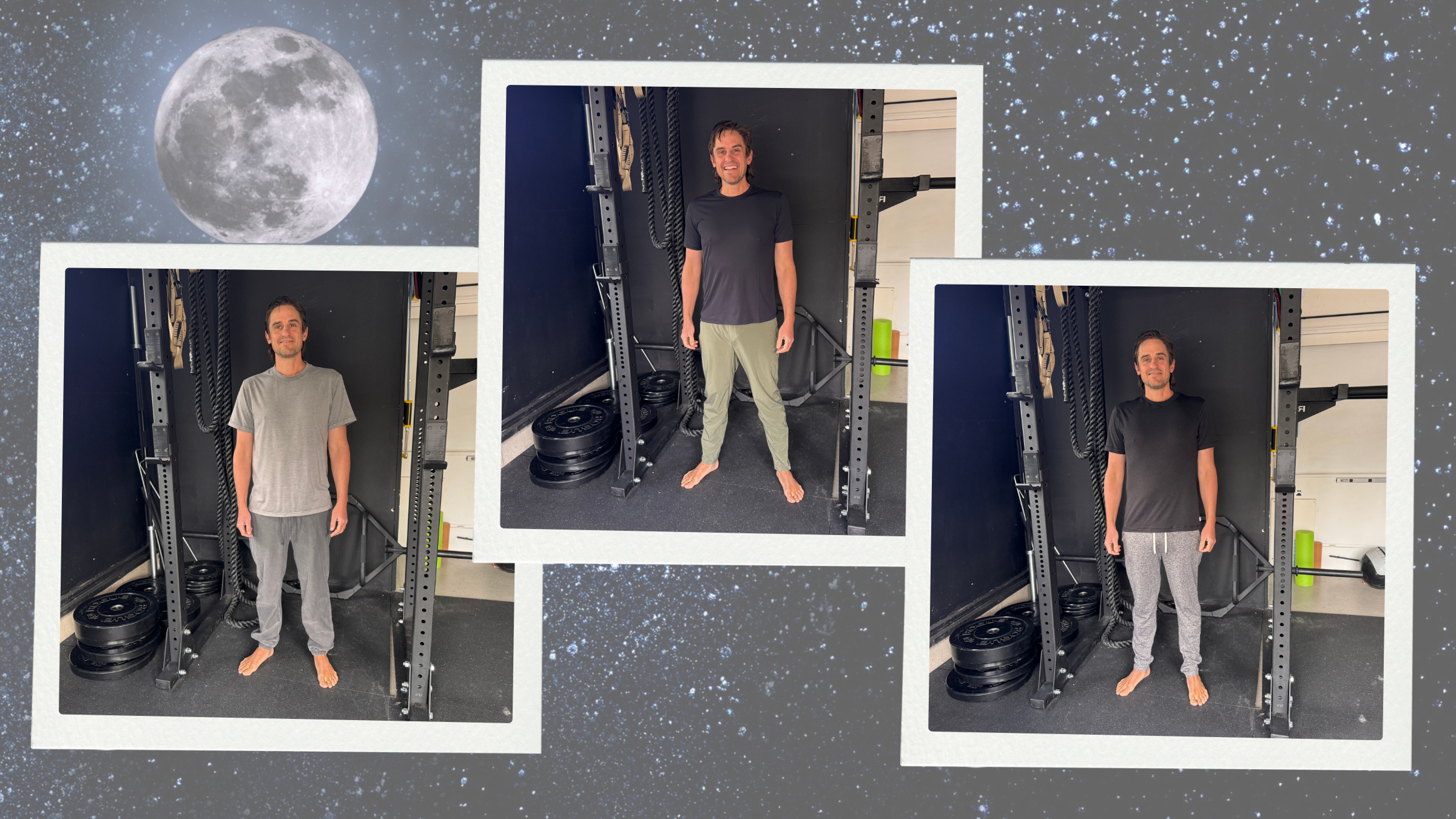
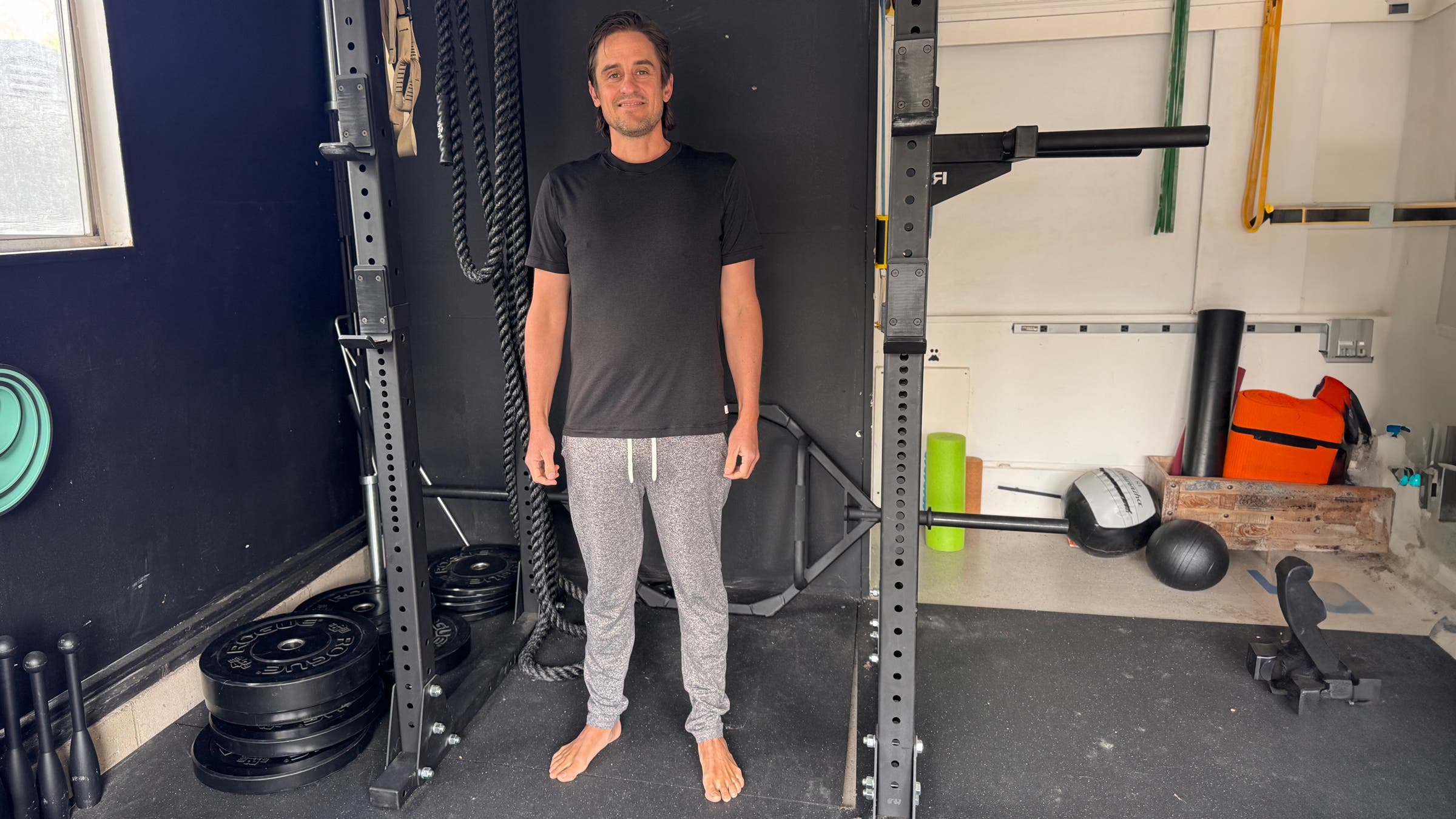
To identify the leading contenders in this hybrid category, a rigorous multi-week testing phase was conducted in early 2026. The evaluation focused on seven complete sets of performance sleepwear, each comprising a short-sleeve top and a casual-leaning bottom. The selection criteria prioritized brands that utilize advanced textile engineering to bridge the gap between aesthetics and utility.
The testing protocol was designed to simulate a full 24-hour cycle of use. Each kit underwent a four-stage evaluation process:
- Nocturnal Performance: Assessing temperature regulation, moisture buildup, and freedom of movement during sleep.
- Physical Activity: Testing the gear during two-to-three-mile runs and high-intensity interval training (HIIT) sessions in home gym environments.
- Extended Wear: Evaluating the comfort and "shelf-life" of the garments during a full day of office work or household errands.
- Social Acceptance: Gauging the aesthetic versatility of the kits based on peer feedback and visual presentation in public settings.
The testing concluded in April 2026, revealing that while many products claim versatility, only a select few successfully navigate the physiological demands of both heavy perspiration and deep-sleep recovery.
Technical Analysis of Market Leaders
Vuori: The Standard for Material Innovation
The Vuori Ponto Performance series, featuring the proprietary DreamKnit fabric, emerged as a top-tier performer during the 2026 trials. Composed of 89% polyester and 11% elastane, the fabric utilizes a brushed jersey finish to achieve a suede-like texture. Unlike traditional synthetic blends that can feel "slick" or artificial, DreamKnit provides a matte, natural sensation against the skin.
From a physiological standpoint, the fabric’s cooling properties were a primary highlight. For individuals classified as "hot sleepers," the material’s ability to pull moisture away from the body prevents the dampness that often leads to sleep interruptions. Furthermore, the high elastane content ensures that the garment moves with the wearer, eliminating the bunching and tugging common with traditional cotton pajama pants.
On: Precision Tailoring and Crossover Appeal
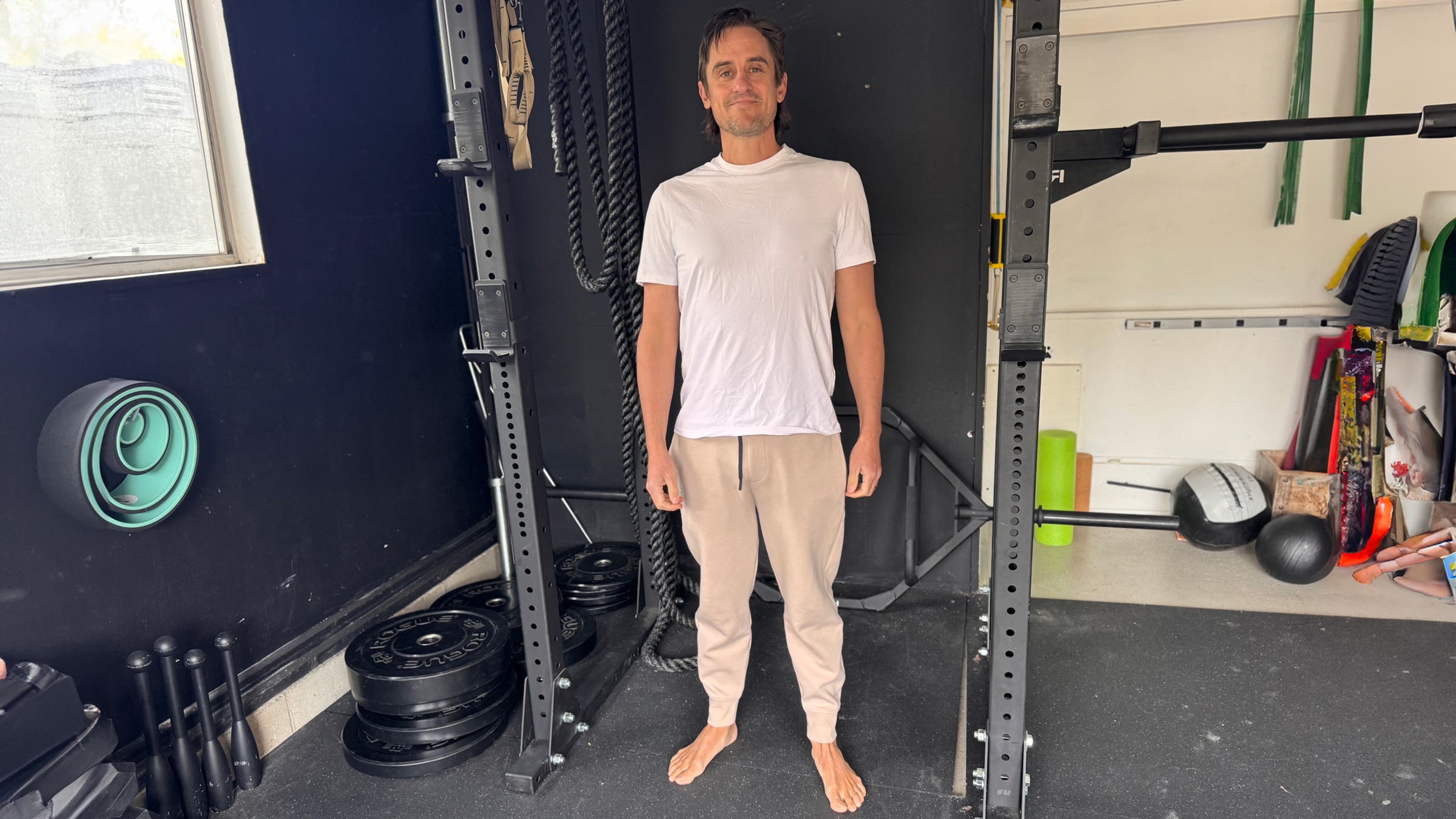
The On Focus Tech Sweatpants and Focus-T represent a shift toward "fitness-to-fashion" integration. On, a brand primarily known for its footwear, has applied Swiss-inspired engineering to its apparel line. The Focus-T utilizes a lightweight polyester-elastane blend that focuses on rapid moisture distribution. During outdoor testing in 80-degree temperatures, the fabric demonstrated a high evaporation rate, preventing the garment from becoming heavy or clammy.
The aesthetic impact of the On kit was also noted as a significant differentiator. The tapered cut and structured knit of the sweatpants—described by testers as having a "plush yet firm" density—allow the wearer to maintain a professional silhouette in casual settings. This makes the kit an ideal choice for the modern professional who may transition directly from a morning workout to a virtual meeting or a public outing.
The North Face: Engineered for High-Output Recovery
For the "mountain jock" demographic, The North Face (TNF) Mountain Athletics line offers a more rugged approach to sleepwear. The inclusion of ventilated panels at the calves of the Fleece Pants acts as a passive cooling system. This material mapping is a direct carry-over from mountaineering gear, where heat dissipation in specific zones is critical for maintaining core temperature.
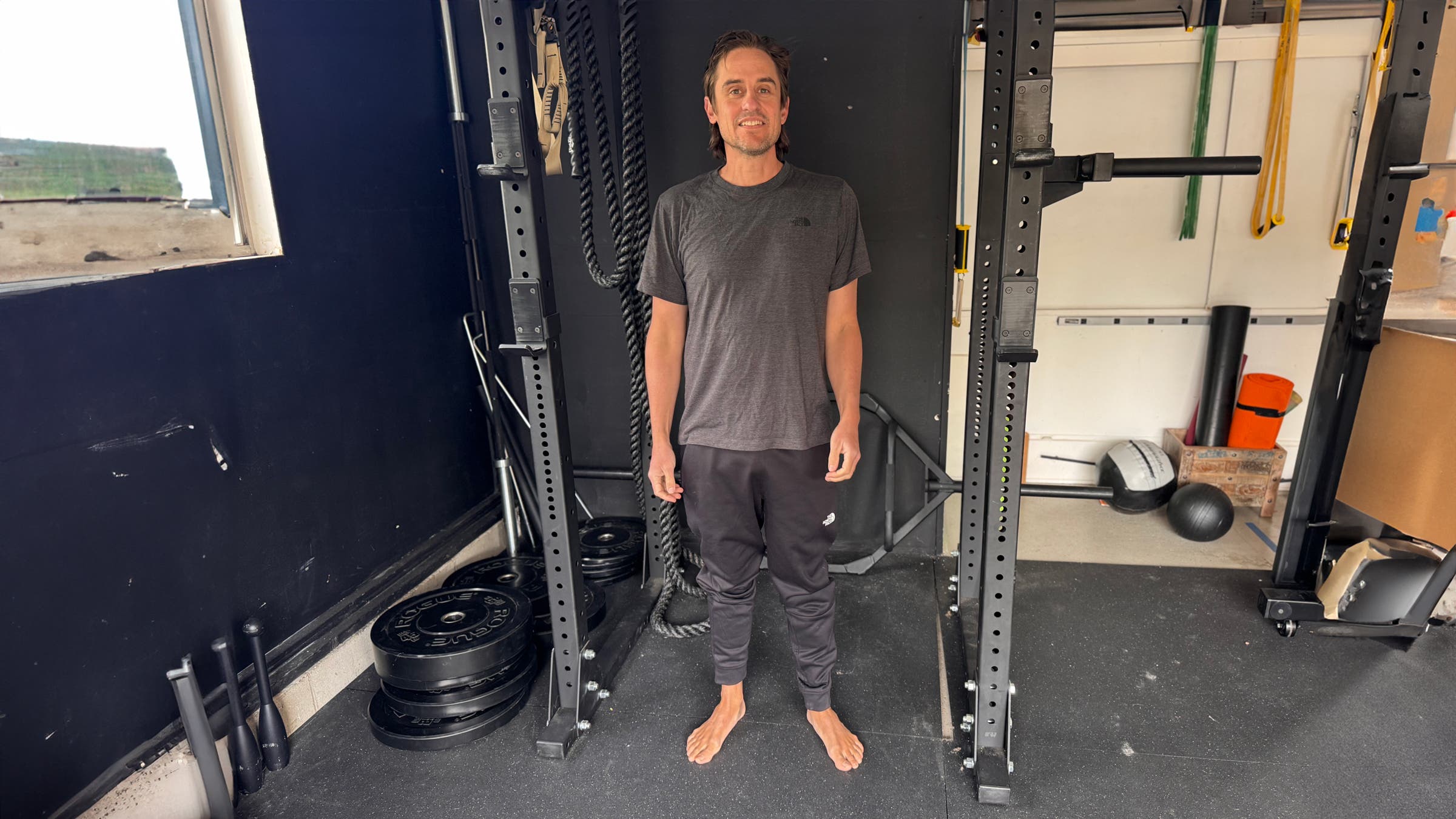
The TNF kit utilizes a tri-blend tee (polyester, cotton, and rayon), which balances synthetic performance with the "broken-in" feel of a favorite cotton shirt. This hybrid construction proved effective for those who prefer a more substantial feel in their sleepwear but require the moisture-wicking capabilities of a gym kit.
Supporting Data: The Science of Sleep and Fabric
The efficacy of performance sleepwear is rooted in the science of thermoregulation. Research indicates that the human body must drop its core temperature by approximately two to three degrees Fahrenheit to initiate and maintain deep sleep. Fabrics that trap heat or moisture can interfere with this natural process, leading to fragmented sleep patterns.
Data from the 2026 tests showed a correlation between fabric breathability and sleep duration. Brands like Ten Thousand, which utilize ultra-lightweight perforated weaves in their Session series, provided the highest levels of airflow. While the Ten Thousand kit was noted for being "highly revealing" due to its thinness, its performance in preventing heat-related wakeups was unmatched, supporting the hypothesis that "coolness creates longer sleep."
Versatility and the "Hard Clothes" Dichotomy
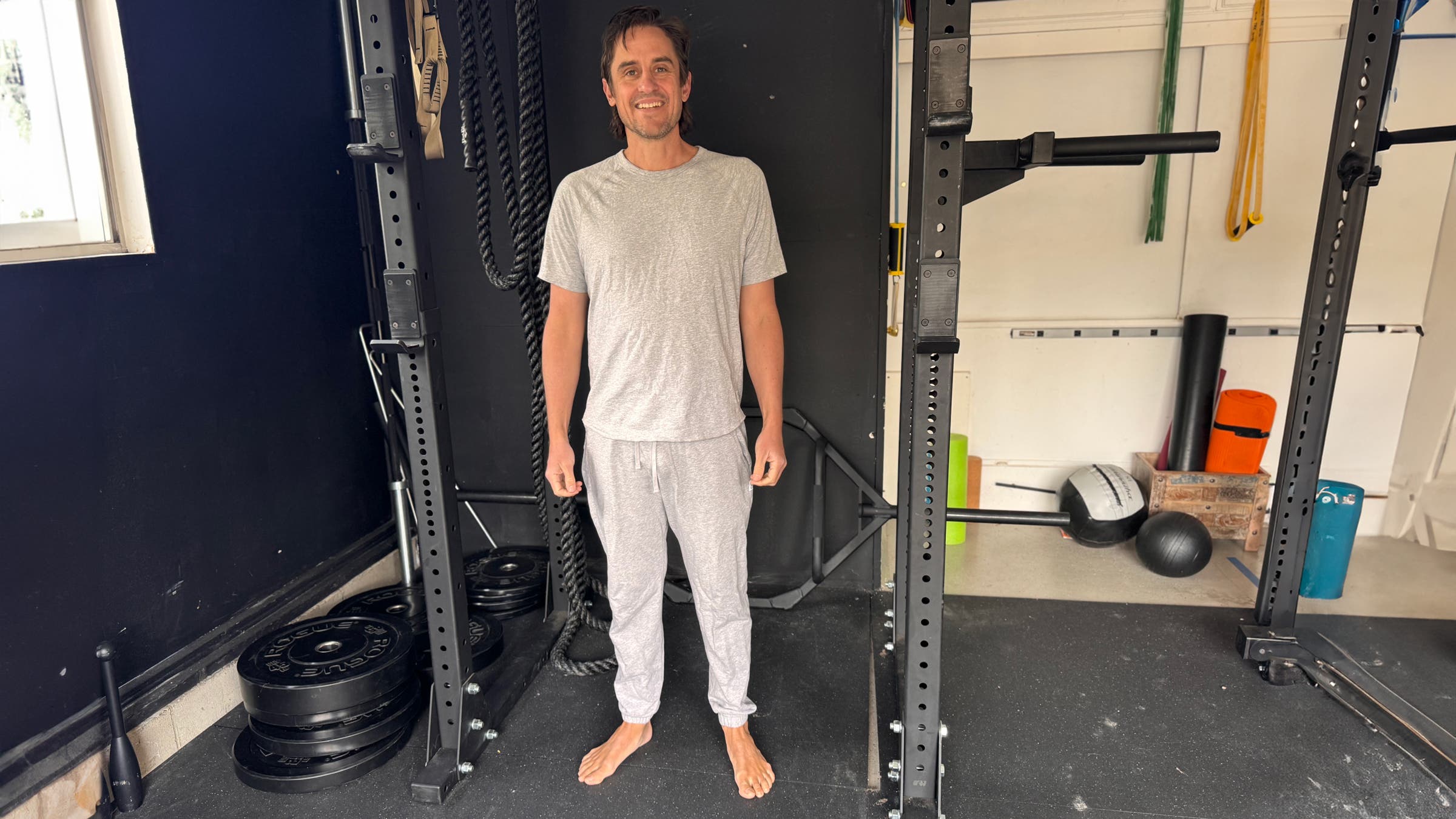
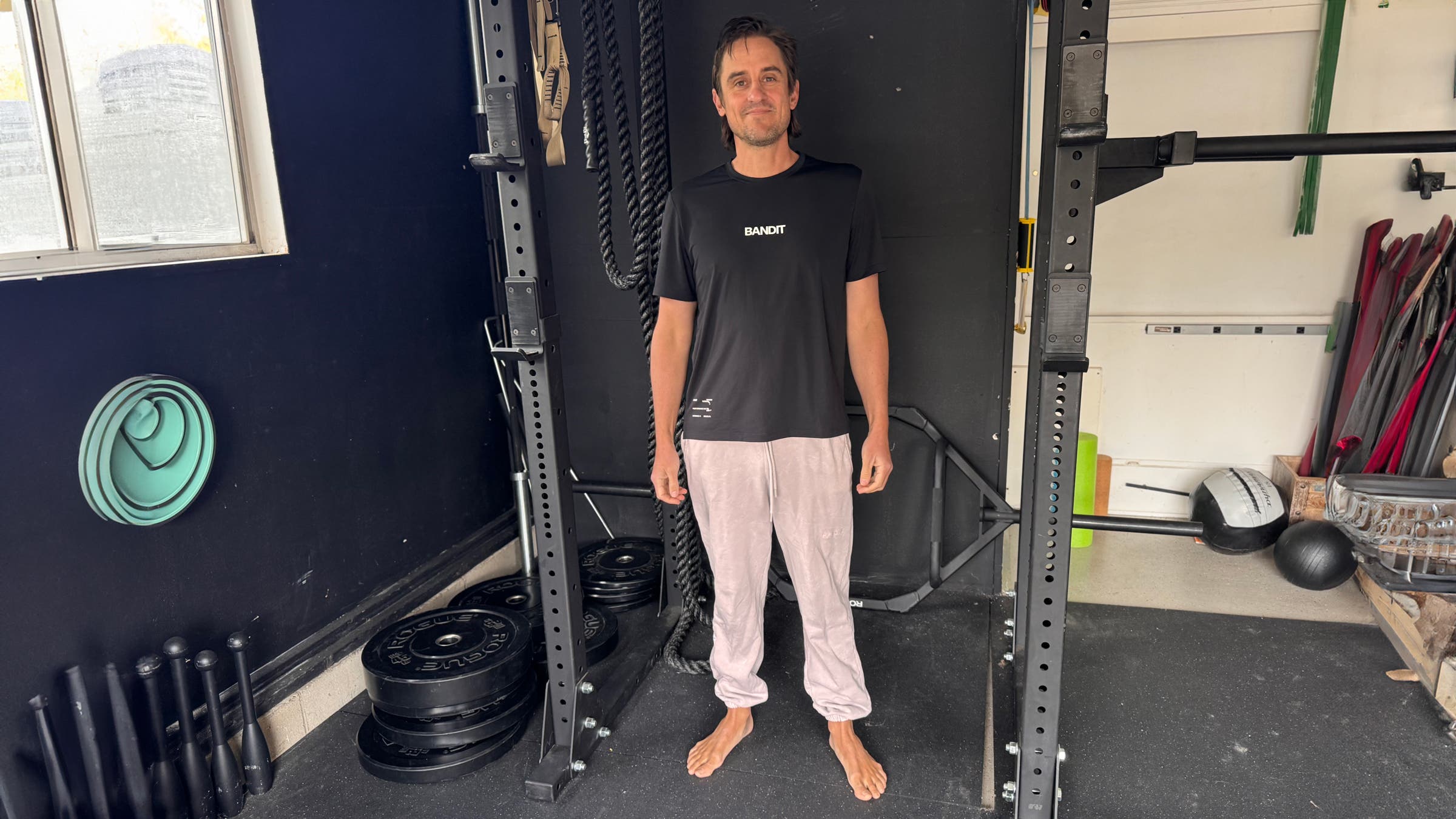
A significant portion of the testing focused on the sociological aspect of modern apparel—specifically the distinction between "hard clothes" (formal/business attire) and "soft clothes" (loungewear). The PROOF Patina Tech series stood out as the only kit capable of crossing the threshold into "hard clothes" territory.
The Patina Tech fabric (a blend of recycled polyester, lyocell, and spandex) is designed to develop a unique character over time, similar to natural denim or heavy cotton, yet it retains the technical properties of a performance synthetic. This allows the wearer to attend meetings or social events in a garment that, for all intents and purposes, feels like high-end pajamas but looks like designer casual wear.
Broader Impact and Industry Implications
The rise of performance sleepwear is more than a fleeting fashion trend; it represents a fundamental change in consumer behavior. As the "work-from-home" and "hybrid-work" models become permanent fixtures of the global economy, the demand for multifunctional wardrobes has intensified. Consumers are increasingly unwilling to purchase "single-use" garments that only serve one environment.
Furthermore, the environmental impact of this shift is noteworthy. Brands like PROOF are increasingly utilizing recycled polyesters and sustainable lyocell fibers. By creating garments that replace both a workout kit and a pajama set, these companies are effectively encouraging a "minimalist" wardrobe approach, which may lead to a reduction in overall textile waste over time.
Conclusion
The 2026 performance sleepwear evaluations confirm that the intersection of the gym and the bedroom is a fertile ground for textile innovation. Whether it is the luxury feel of Vuori’s DreamKnit, the precision tailoring of On, or the extreme breathability of Ten Thousand, the modern man now has access to gear that optimizes recovery without sacrificing style. As material science continues to advance, the distinction between what we wear to push our physical limits and what we wear to recover from them will likely disappear entirely, leading to a more streamlined and efficient approach to the daily wardrobe.



 Chandra Hamzah
 Tatiana Tantri Indah Sari
 Budi Mulyono
