
 Anjar Salim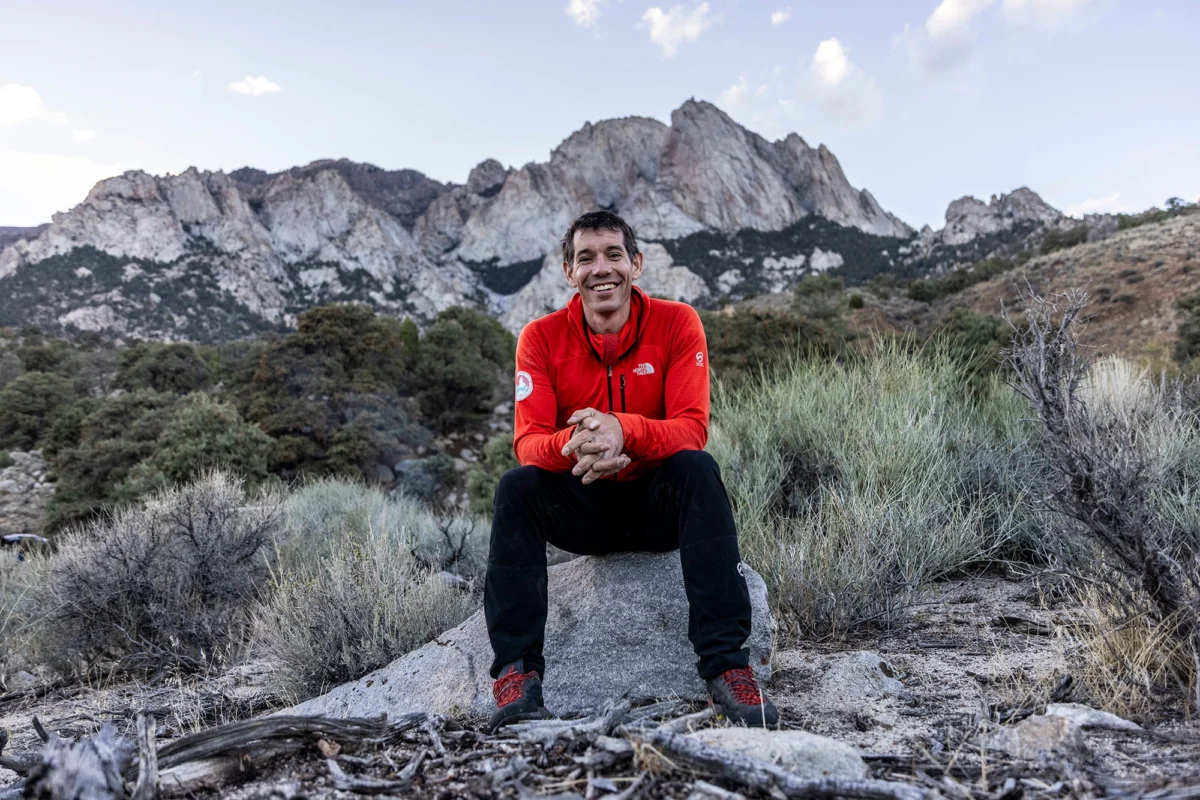
Professional climber Alex Honnold, internationally recognized for his historic free solo ascent of El Capitan, has shifted his focus toward the vast and often overlooked wilderness of his home state in a new five-part travel series. Titled "Get a Little Out There with Alex Honnold," the series serves as a collaborative production between Outside Interactive, Inc. and Travel Nevada, aiming to highlight the intersection of world-class outdoor recreation and the peculiar cultural landmarks that define the Silver State. In the second installment of the series, Honnold is joined by his long-time climbing partner and fellow elite alpinist Tommy Caldwell to explore the Wild Granites, a remote climbing destination in central Nevada, alongside several of the state’s most distinctive roadside attractions.
The series comes at a time when Nevada is aggressively diversifying its tourism portfolio, moving beyond the neon-lit corridors of the Las Vegas Strip to promote its expansive public lands and rural "living ghost towns." For Honnold, who has resided in Las Vegas for several years, the project represents a personal mission to document the "wildness and wackiness" that exists within the state’s interior. The episode highlights a journey that spans from high-altitude granite walls to the depths of the Mojave Desert, showcasing a landscape that is as geologically diverse as it is culturally eccentric.
The Wild Granites: A New Frontier for Multi-Pitch Climbing
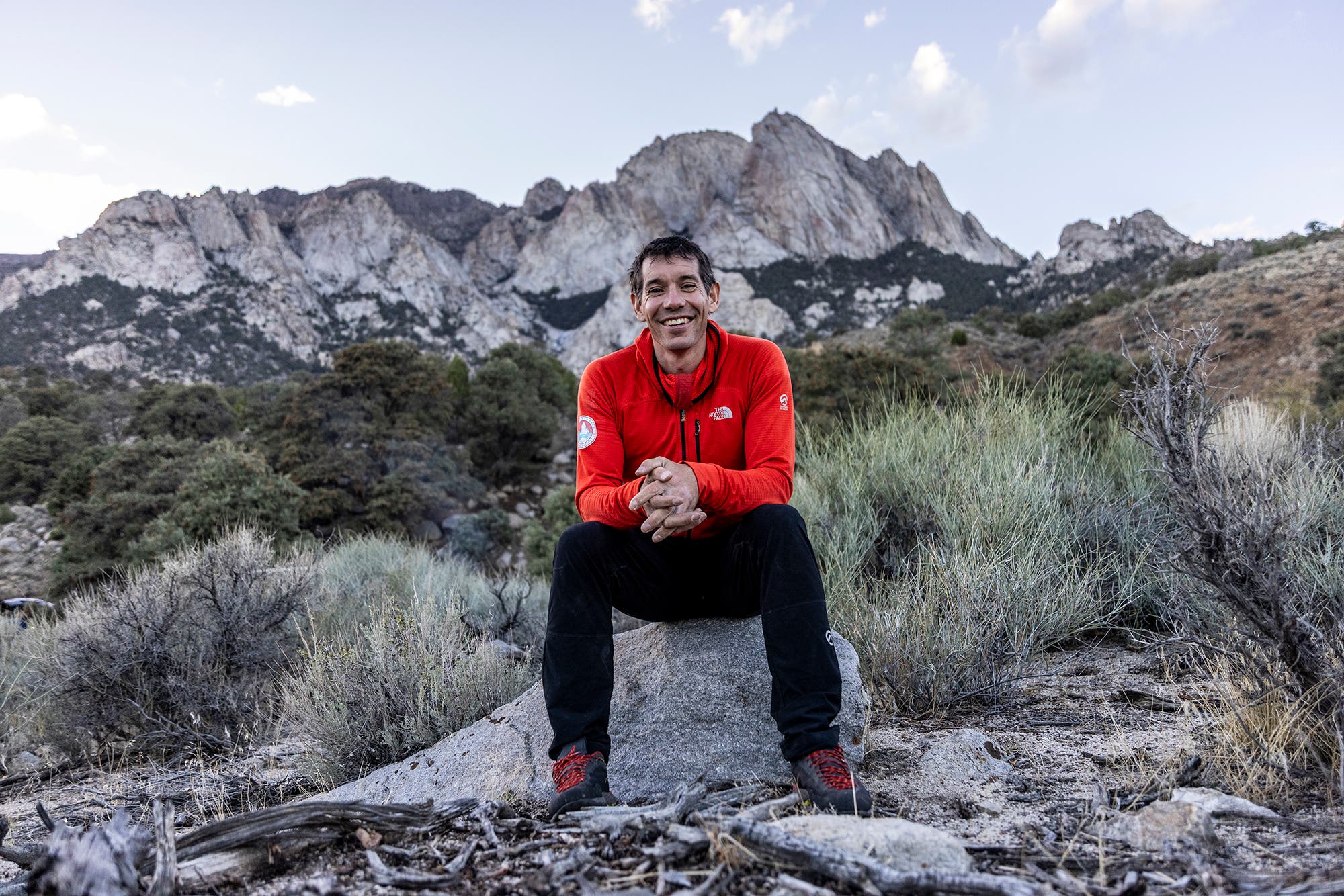
The centerpiece of the expedition is the Wild Granites, located on the southern flank of the Toiyabe Range Peak in central Nevada. While Nevada is well-known in the climbing community for the sandstone of Red Rock Canyon, the Wild Granites represent a different geological character altogether. This area is characterized by massive igneous outcrops that offer multi-pitch traditional (trad) climbing on high-quality rock.
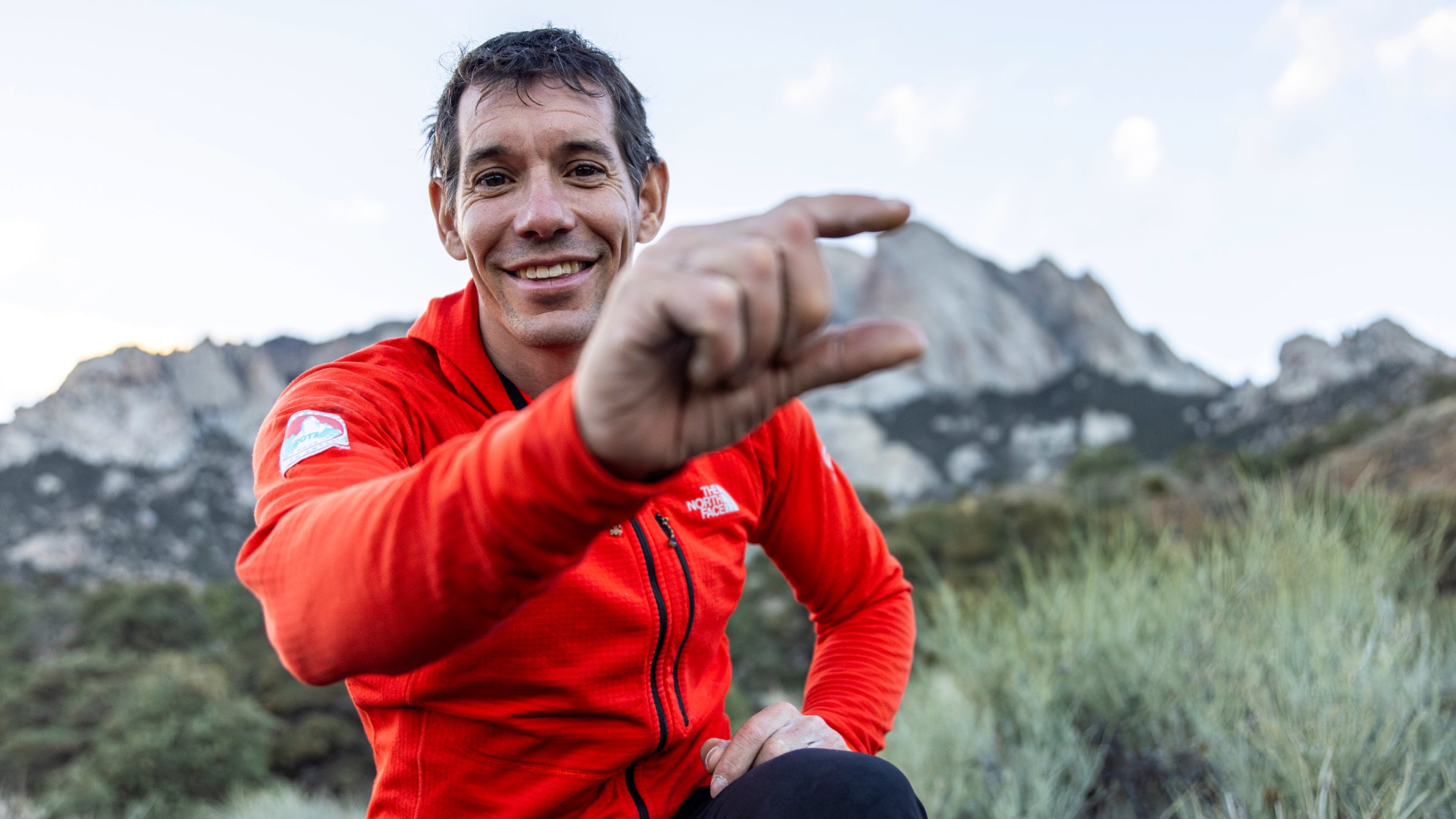
The Wild Granites remain largely under the radar of the mainstream climbing community, currently existing in a state of active development. According to technical data from the episode, the routes documented thus far are primarily expert-level, ranging from 5.10 to 5.12c on the Yosemite Decimal System. These climbs require a sophisticated skillset, including the ability to place traditional protection and navigate complex, high-alpine environments. The Toiyabe Range itself is part of the Great Basin National Heritage Area, a region defined by its "basin and range" topography, where dramatic mountain peaks are separated by wide, arid valleys. For climbers like Honnold and Caldwell, the appeal of the Wild Granites lies in the solitude and the "pioneer" aspect of climbing in a location where few others have set foot.
The Science and Mystery of the Amargosa Big Dune Recreation Area
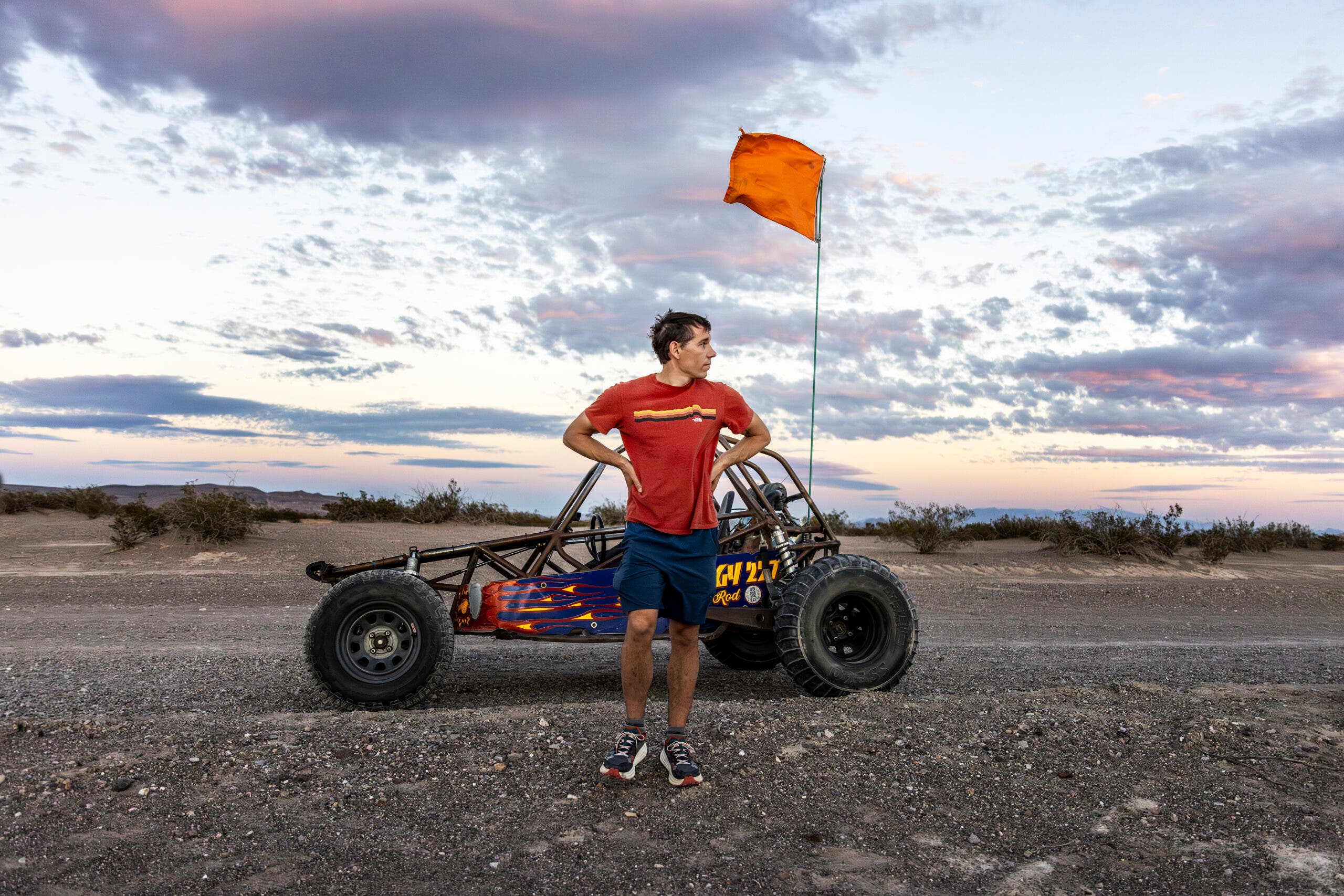
Moving south from the vertical walls of the Toiyabe Range, the expedition transitioned to the Amargosa Big Dune Recreation Area. Managed by the Bureau of Land Management (BLM), this five-square-mile field of sand dunes in the Mojave Desert is a popular destination for off-road vehicle enthusiasts. However, the series focuses on a rarer attribute of the site: the phenomenon of "singing sand."
Singing sands, also known as "booming dunes," occur in only about 35 desert locations worldwide. The sound is produced when sand grains of a specific size and shape slide against one another, creating friction that resonates at a low frequency. In the Amargosa Dunes, this can manifest as a low hum, a vibration felt in the feet, or a thunderous boom that can be heard from miles away. Scientific analysis of this phenomenon suggests that the sand must be extremely dry and contain a high silica content for the acoustic effect to occur. The inclusion of the dunes in the series underscores Nevada’s reputation as a repository for rare natural wonders that challenge conventional sensory experiences.
The Free-Range Art Highway and the International Car Forest
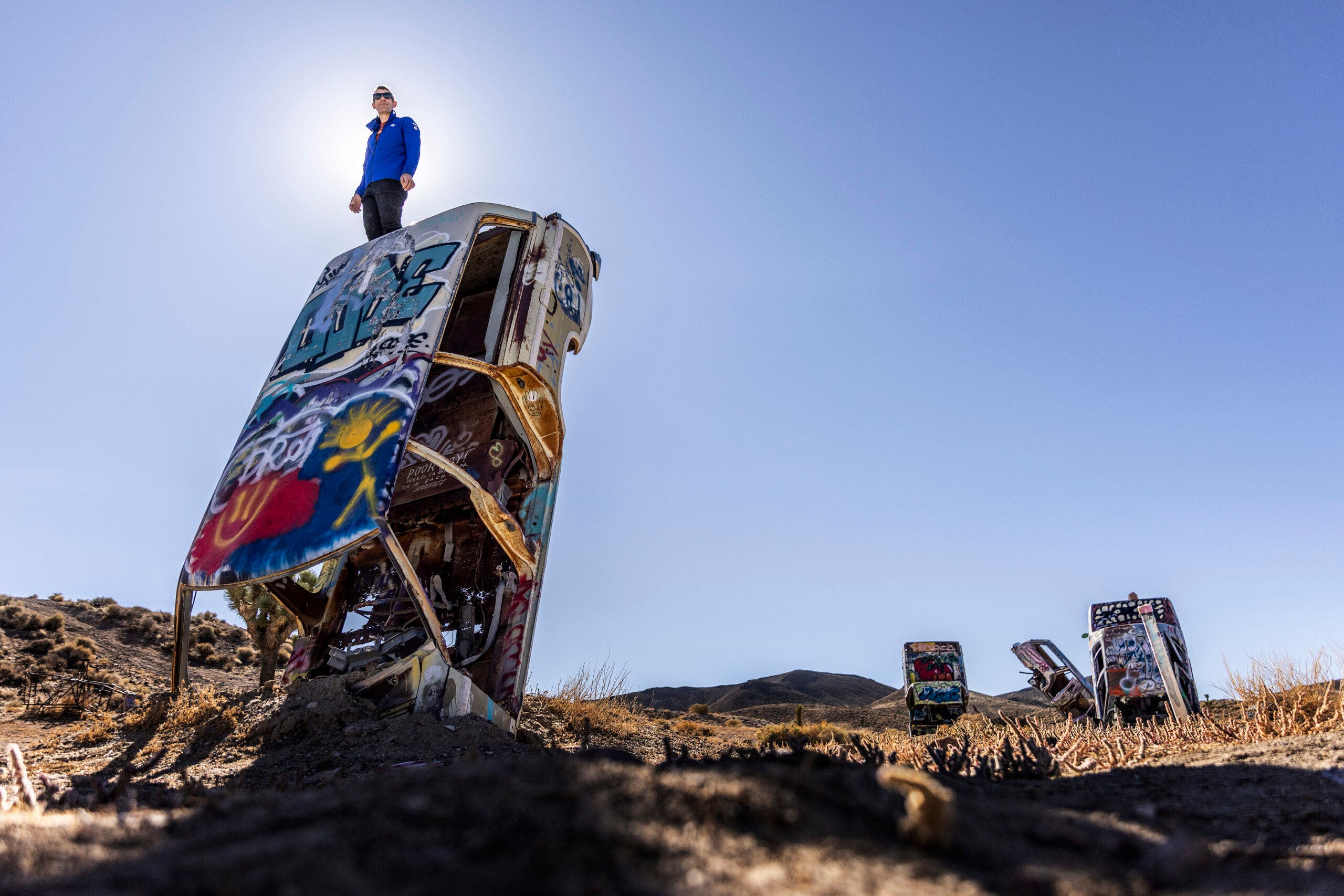
The journey also traverses a portion of the "Free-Range Art Highway," a 500-mile stretch of U.S. Route 95 between Reno and Las Vegas. This corridor is famous for its open-air art installations that reflect the state’s rugged individualism and creative eccentricity. One of the primary stops in the episode is the International Car Forest of the Last Church, located near the town of Goldfield.
Created by artists Mark Rippie and Chad Sorg, the Car Forest is the largest installation of its kind in the United States. It consists of approximately 40 vehicles—including trucks, buses, and sedans—that have been driven into the ground at vertical angles or balanced precariously on top of one another. Each vehicle serves as a canvas for intricate murals and graffiti. Unlike traditional art galleries, the Car Forest is open to the public 24 hours a day and encourages a tactile, immersive experience. For Honnold, the site serves as a visual metaphor for the Nevada desert: a place where the discarded and the extraordinary coexist in a harsh, beautiful environment.
Historical Context: Goldfield and the Santa Fe Saloon
The expedition’s cultural deep dive continues in Goldfield, a town that serves as a preserved artifact of Nevada’s mining history. In the early 20th century, Goldfield was the largest and most prosperous city in Nevada, following a massive gold discovery in 1902. By 1906, the town produced $11 million in gold and boasted a population of nearly 20,000 people.
Today, Goldfield is home to fewer than 300 residents, but it retains much of its historic character. The Santa Fe Saloon, featured in the episode, has been in continuous operation since 1905. It stands as one of the oldest businesses in the state, surviving the fires and economic busts that leveled much of the surrounding area. The saloon is also home to Honey the Burro, a local mascot born in 2023. The presence of burros in the region is a direct link to the state’s mining past, as the animals were originally brought in by prospectors to haul ore and supplies through the desert.
Strategic Implications for Nevada’s Tourism Industry
The production of "Get a Little Out There" is part of a broader strategic initiative by Travel Nevada to redefine the state’s brand. Historically, Nevada’s tourism economy has been heavily reliant on the gaming and hospitality sectors of Las Vegas and Reno. However, recent data suggests a shift in consumer preference toward outdoor recreation and "authentic" rural experiences.
According to the U.S. Bureau of Economic Analysis (BEA), outdoor recreation accounts for approximately 2.2% of Nevada’s GDP, contributing billions of dollars to the state’s economy annually. By leveraging the global profile of Alex Honnold, Travel Nevada is positioning the state as a premier destination for "adventure tourism." This strategy aims to distribute tourist spending more equitably across rural counties, which often struggle with the boom-and-bust cycles of the mining and ranching industries.
Industry analysts suggest that featuring elite athletes like Honnold and Caldwell lends a degree of "adventure credibility" to the state. This attracts a demographic of high-spending travelers who are interested in climbing, mountain biking, and backcountry exploration. Furthermore, the emphasis on "oddball" art and historic saloons appeals to the growing "road trip" market, which seeks unique, Instagram-compatible landmarks that cannot be found elsewhere.
Broader Impact and Environmental Stewardship
As the series brings increased attention to remote areas like the Wild Granites and the Amargosa Dunes, it also raises questions regarding environmental stewardship and the management of public lands. The influx of visitors to "hidden" spots can lead to habitat degradation and increased pressure on local infrastructure.
In response, Travel Nevada and its partners have emphasized the importance of "Leave No Trace" principles. The series is designed to encourage responsible exploration, reminding visitors that many of these locations are fragile ecosystems or historic sites that require preservation. For the climbing community, the development of the Wild Granites represents a responsibility to maintain access through sustainable trail building and respect for local regulations.
The "Get a Little Out There" series ultimately serves as a testament to the complexity of the Nevada landscape. It suggests that the state’s true identity is found not in the controlled environment of a casino, but in the unpredictable terrain of its mountains and the unconventional spirit of its rural communities. By documenting his journey, Honnold provides a roadmap for a new generation of explorers to discover a Nevada that is, as the series title suggests, just a little bit out there.




 Chandra Hamzah
 Tatiana Tantri Indah Sari
 Budi Mulyono
 Lukman Taruna Persada Ramadan