Susilo Edi Turonggo
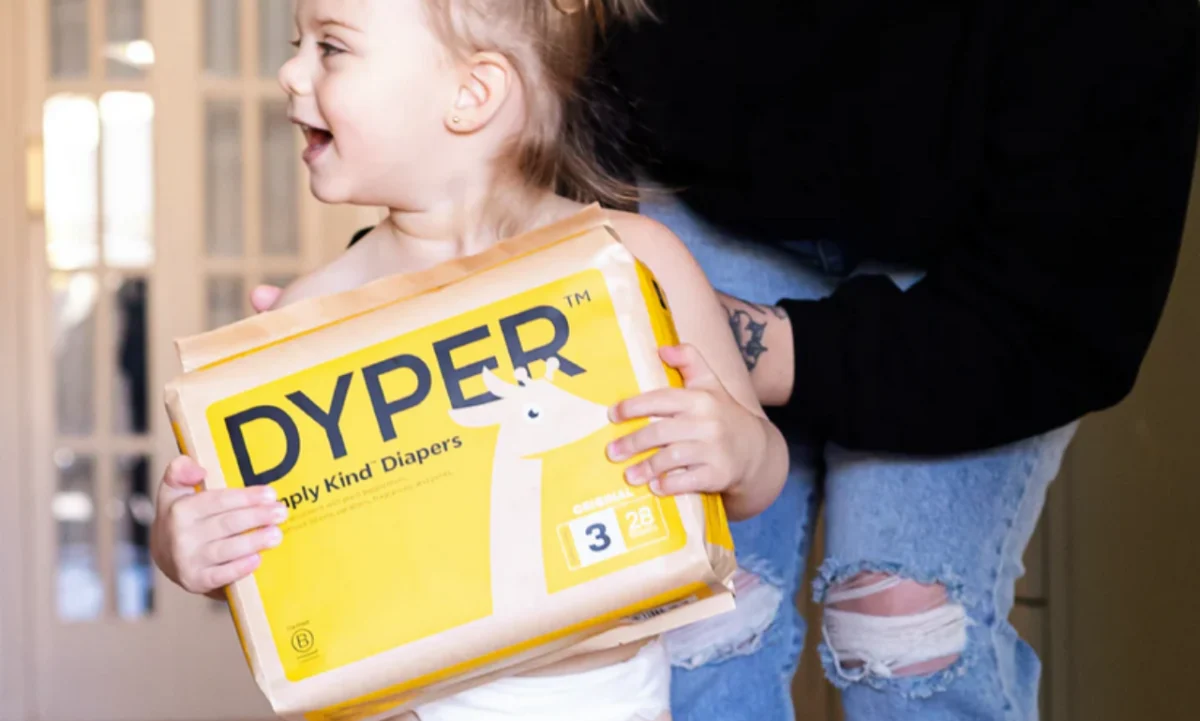
The modern parenting experience is marked by a persistent, often overlooked environmental footprint: the sheer volume of single-use waste generated during a child’s infancy. Statistics from waste management studies indicate that the average infant will utilize approximately 6,000 diapers within their first 24 months of life. In the United States alone, this equates to billions of disposable diapers entering the municipal solid waste stream annually. While reusable cloth diapers have long been marketed as the primary alternative, they often prove impractical for families balancing the rigorous demands of professional and personal life. This gap in the market—between the convenience of disposables and the necessity of sustainability—has catalyzed a significant shift in the consumer goods sector toward plant-based, compostable alternatives.
The genesis of this shift can be traced to a growing realization among manufacturers and parents alike that the "standard" disposable diaper is a product of complex, synthetic engineering that carries potential health risks. Unlike menstrual hygiene products or other medical disposables, the regulatory framework governing baby diapers in the United States is surprisingly thin. The Consumer Product Safety Commission mandates testing primarily for lead content, yet there is no federal requirement for the comprehensive disclosure of chemical ingredients, fragrances, or plastics used in these products. This lack of transparency has raised concerns regarding the presence of endocrine-disrupting chemicals, carcinogens, and synthetic irritants, which have been linked in various academic studies to skin sensitivity, reproductive health concerns, and other long-term medical issues.
The Engineering of a Sustainable Solution
The story of Dyper, a prominent player in the eco-conscious diaper market, began with an observation of the domestic waste cycle. Founder Tony Patron, an engineer by training and a new father, identified the incongruity between the necessity of diapering and the environmental cost of traditional, plastic-heavy products. Recognizing that standard diapers occupy a significant percentage of household landfill contributions, Patron sought to bridge the gap between high-performance utility and environmental stewardship.
The company’s evolution involved a deliberate pivot toward material science. By merging with existing innovators in the compostable sector, the brand established a mandate to replace synthetic, petroleum-based plastics with biodegradable alternatives. This process required a rigorous approach to supply chain management, opting for FSC-certified bamboo and eucalyptus fibers. These plant-based materials are chosen not only for their lower environmental impact but for their inherent breathability and softness, which serve as a natural barrier against the skin irritation commonly associated with synthetic diaper materials.
Chronology of Industry Disruption
The movement toward sustainable diapering has unfolded in three distinct phases over the last decade. The first phase was characterized by the introduction of "eco-friendly" marketing, where major legacy brands began offering "natural" or "fragrance-free" tiers of their products. However, these often failed to address the underlying issue of non-biodegradable plastic construction.

The second phase, beginning roughly five years ago, saw the rise of direct-to-consumer (DTC) models like Dyper. These companies prioritized transparency, moving beyond marketing jargon to provide granular detail regarding the composition of each layer of the diaper. By achieving third-party certifications—such as USDA BioPreferred ratings and Oeko-Tex Standard 100 compliance—these brands sought to establish a new gold standard for transparency.
The third and current phase involves the integration of end-of-life logistics. Recognizing that a product is only as sustainable as its disposal method, the industry has begun experimenting with closed-loop systems. This includes the development of regional composting partnerships, where used products are diverted from traditional landfills to industrial facilities capable of breaking down cellulose-based materials.
Data-Driven Insights and Health Implications
The implications of transitioning away from conventional disposables are multifaceted. From a health perspective, the removal of phthalates, parabens, and synthetic fragrances is a primary goal for pediatric health advocates. Research published in journals such as the International Journal of Environmental Research and Public Health has frequently highlighted the prevalence of volatile organic compounds (VOCs) in consumer products and the potential for transdermal absorption in infants. The shift toward materials certified by organizations like DermaTest—which evaluate for skin compatibility—represents a formalization of parental concern regarding chemical exposure.
The environmental impact, meanwhile, is quantifiable. Traditional diapers are primarily composed of super-absorbent polymers (SAPs) and polypropylene, which can take centuries to decompose in a landfill environment. Conversely, plant-based fibers are designed to break down significantly faster in industrial composting conditions. Programs like REDYPER have already demonstrated the feasibility of large-scale diversion, claiming to have removed over 14 million pounds of waste from the landfill stream. This data serves as a compelling case study for the scalability of circular economy principles in the baby care sector.
Official Standards and Regulatory Context
To maintain trust with an increasingly informed consumer base, manufacturers are leaning heavily on third-party verification. The USDA BioPreferred program is a critical metric here, requiring a specific percentage of the product’s mass to be derived from renewable biological sources. For instance, achieving a 55% BioPreferred rating for diapers and a 95% rating for wipes necessitates a sophisticated reliance on bamboo viscose and other plant-derived components.
Furthermore, the industry is navigating the challenges of technological limitations. As noted by engineers in the sector, while the main chassis of a diaper can be made from compostable bamboo, auxiliary components—such as the elasticized leg cuffs and the adhesive tabs—remain difficult to manufacture from plant-based materials without sacrificing functional performance. The current industry standard, therefore, is one of continuous improvement: maximizing the percentage of biodegradable content while ensuring the product remains leak-proof and absorbent enough to meet the practical needs of parents.
The Broader Economic and Environmental Impact
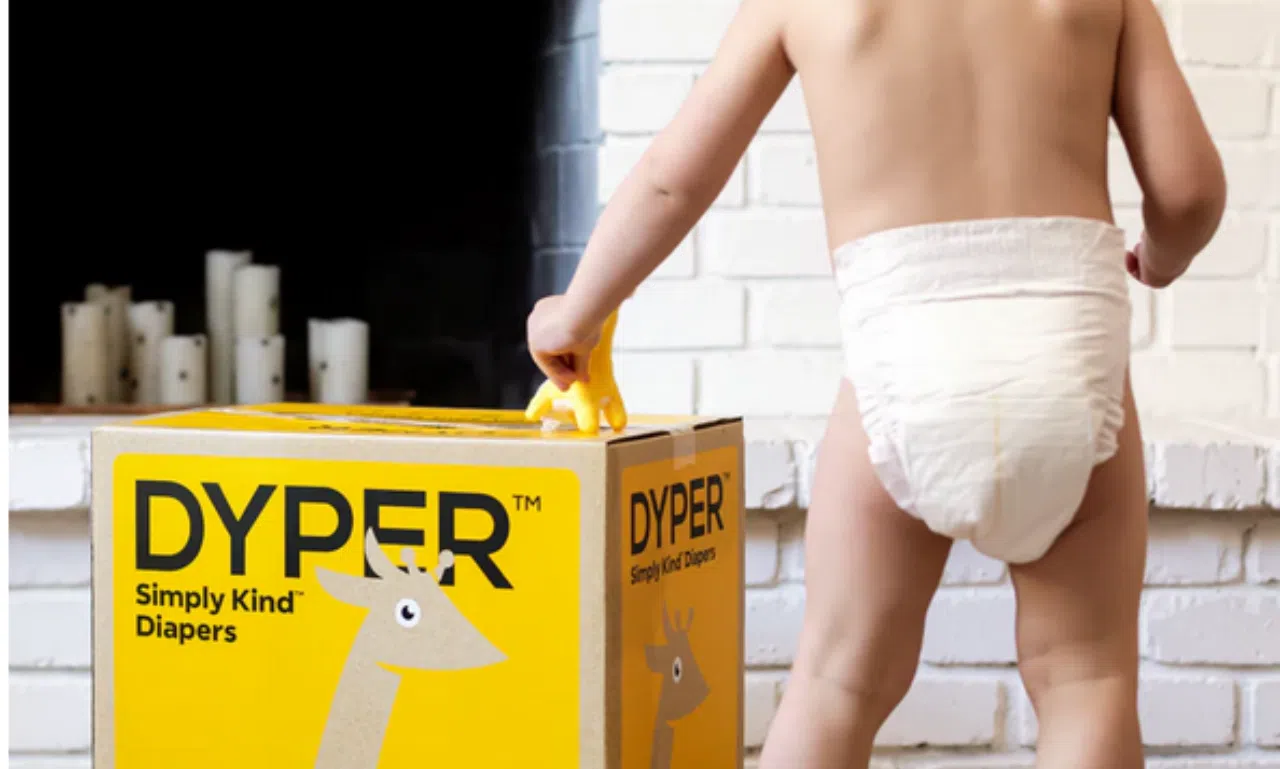
The shift toward sustainable diapers is not merely a niche consumer trend; it represents a broader realignment of household economics with environmental responsibility. For the average family, the decision to opt for sustainable products involves a cost-benefit analysis that balances the premium pricing of high-end, plant-based materials against the long-term environmental and health benefits.
Market analysts observe that as supply chains for bamboo and eucalyptus become more robust, the price gap between conventional and sustainable diapers is expected to narrow. Furthermore, the integration of subscription-based, direct-to-consumer models provides a logistical advantage. By automating the supply chain, these companies reduce the friction associated with switching brands, allowing for a steady, reliable flow of eco-friendly products that traditional retail models struggle to match.
The implications for municipal waste management are also noteworthy. As cities and counties look for ways to meet aggressive climate goals, reducing the volume of solid waste becomes paramount. Diapers represent a high-density waste stream that is notoriously difficult to process. If a significant percentage of the population were to transition to compostable, industrial-grade products, the burden on municipal landfills could be substantially reduced, potentially lowering the long-term infrastructure costs for waste processing and methane mitigation.
Future Outlook and Conclusion
The intersection of engineering, consumer demand, and environmental advocacy has fundamentally altered the diaper landscape. What was once an afterthought in household waste management has become a focal point for innovation. The emphasis on "plants over plastic" is no longer just a slogan but a blueprint for a more responsible manufacturing philosophy.
As the industry continues to evolve, the focus will likely remain on three core pillars: complete ingredient transparency, the expansion of industrial composting infrastructure, and the iterative improvement of material science to address the remaining non-biodegradable components. For parents, the availability of these options provides a mechanism to align their daily childcare routines with their broader environmental values. As regulatory oversight continues to lag behind private-sector innovation, these companies are effectively self-regulating through rigorous third-party testing and transparency initiatives, setting a precedent that may eventually influence broader federal standards for all infant-related consumer goods.
In the final analysis, the transition to sustainable diapering is a testament to the power of consumer-led change. By opting for products that prioritize health and ecological impact, families are not only protecting their children but are also driving a necessary shift in how modern society manages the waste generated by its youngest members. The progress made by firms in this sector serves as a reminder that even the most mundane household products are ripe for reinvention when the environmental and health stakes are sufficiently understood.



 Gabriela Annisa

 Lukman Taruna Persada Ramadan

 Tatiana Tantri Indah Sari

 Anjar Salim

 Budi Mulyono