Susilo Edi Turonggo
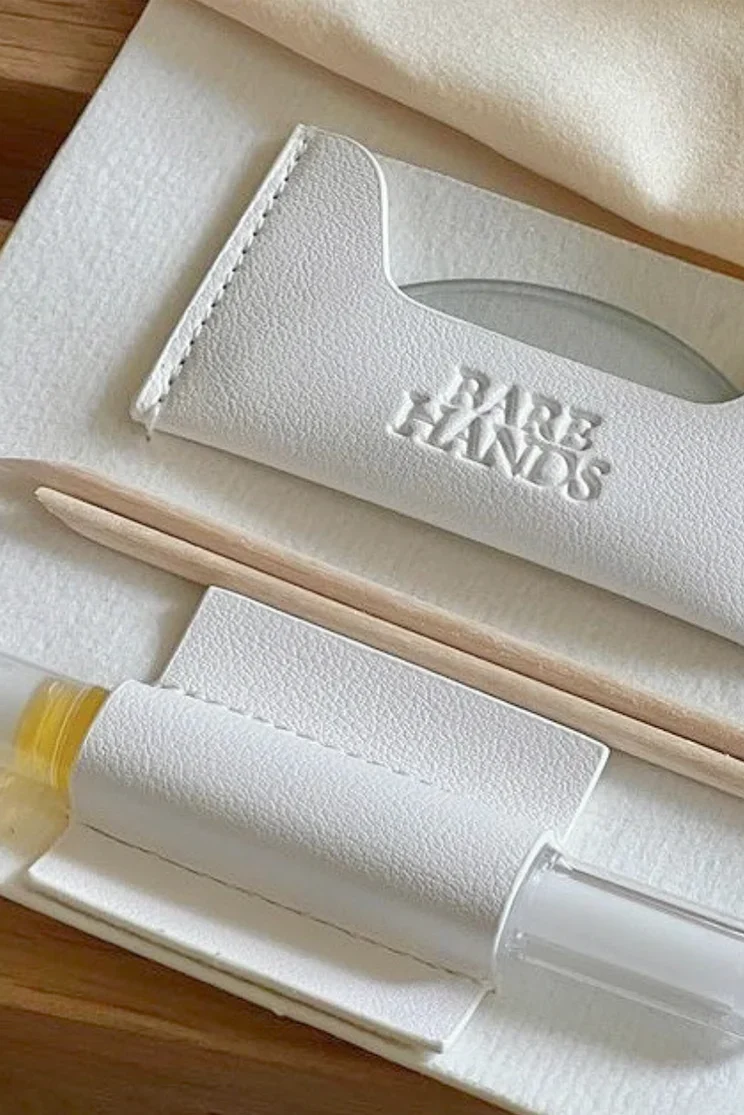
As winter temperatures plummet and the skin loses its natural moisture barrier, consumer interest in at-home wellness rituals has surged, driven in part by a broader economic shift toward mindful spending. With inflation impacting household budgets, many individuals are re-evaluating the necessity of high-cost professional spa services, turning instead to curated home-care routines. This transition is not merely a cost-saving measure; it reflects a growing preference for transparency, sustainability, and non-toxic formulations in the multi-billion dollar beauty industry.
Market research indicates that the clean beauty sector is projected to maintain a compound annual growth rate (CAGR) of over 10% through 2030. Consumers are increasingly scrutinizing labels, moving away from conventional products containing parabens, phthalates, and synthetic fragrances. This shift is substantiated by reports from the Environmental Working Group (EWG), which has consistently highlighted the potential health risks associated with endocrine-disrupting chemicals frequently found in legacy personal care items.
The Foundation of Holistic Wellness
Before investing in specialized kits, wellness experts emphasize that the most effective skin and hair care regimens begin with fundamental lifestyle factors. Clinical studies consistently correlate sleep quality, hydration, and stress management with dermatological health. Chronic stress, for instance, elevates cortisol levels, which can trigger inflammatory responses such as acne, eczema, and premature aging.
For those seeking to maintain a routine on a limited budget, common household items remain the gold standard. Ingredients such as Epsom salts—rich in magnesium—facilitate muscle recovery and relaxation through transdermal absorption. Similarly, bentonite clay, such as the widely recognized Aztec Healing Clay, acts as a potent adsorbent for sebum and environmental pollutants. Even basic fats like unrefined coconut oil offer significant emollient properties for hair and body maintenance, proving that efficacy does not always necessitate a premium price point.
Industry Evolution and Sustainability Standards
The rise of the "conscious consumer" has forced legacy beauty brands and independent startups alike to overhaul their supply chains. Modern transparency standards now include the vetting of ingredient sourcing, ethical labor practices, and the reduction of single-use plastics.
Brands like Grown Alchemist have pioneered this model by integrating refillable packaging and sourcing ingredients through audited supply chains. This shift addresses a critical environmental concern: the beauty industry produces over 120 billion units of packaging annually, a significant portion of which ends up in landfills. By prioritizing circular economy principles, companies are aligning their business objectives with the global imperative to reduce waste.
Curating a Non-Toxic At-Home Spa Experience
For individuals seeking to elevate their routine, several brands have gained prominence for their commitment to ingredient safety and ecological responsibility.

Skincare and Therapeutic Treatments
- OSEA Malibu: By utilizing sustainably harvested seaweed, OSEA has tapped into the bioactive potential of marine botany. Their products exclude a lengthy list of recognized harmful synthetics, focusing instead on vegan, bioavailable nutrients.
- MyChelle Dermaceuticals: Serving the mid-market segment, MyChelle demonstrates that clean, clinically-backed skincare can remain accessible. Their focus on excluding GMOs and artificial additives has made them a staple in the clean-beauty space.
- 100% Pure: This brand exemplifies the intersection of green energy and product purity. Operating from a solar-powered headquarters in San Jose, the company demonstrates that low-waste manufacturing is viable at scale.
- Tata Harper Skincare: Representing the luxury tier of the clean beauty market, Tata Harper emphasizes the "farm-to-face" philosophy. By sourcing ingredients from over 68 countries and maintaining a strict ban on synthetic fillers, the brand provides a blueprint for high-performance, non-toxic skincare.
- Surreal Skincare: A notable example of the industry’s inclusivity and innovation, this trans-owned company leverages tree resin extracts to create active, high-potency treatments. Their "cheating death" product lines utilize natural compounds to mimic the effects of more invasive professional dermatological procedures.
Advanced Rituals: Gua Sha and Lymphatic Health
The resurgence of traditional practices, such as Gua Sha, represents a move toward holistic health. These techniques, rooted in ancient healing traditions, are increasingly supported by modern physiological understandings of lymphatic drainage. By utilizing tools crafted from jade or rose quartz, users can facilitate the removal of metabolic waste and reduce fluid retention, providing a non-invasive alternative to cosmetic fillers or chemical-based firming treatments.
Innovations in Hair Care and Coloration
Perhaps the most significant disruption in the home-care market is occurring in the hair color sector. Historically, at-home hair dyes were associated with harsh ammonia and peroxide formulations. Newer iterations, however, focus on restoration rather than just color deposition.
- Hairprint: Utilizing a unique protein-based technology, this system restores the natural pigment of graying hair rather than masking it with opaque dyes. By mimicking the hair’s natural melanin, the process strengthens the hair shaft, offering a structural benefit beyond mere aesthetic change.
- Desert Shadow and Surya Brasil: These brands have successfully utilized henna and other botanical pigments to offer safer alternatives. By eliminating palm oil and synthetic chemicals, these companies have addressed the dual concerns of scalp health and environmental degradation.
The Role of Holistic Wellbeing
A comprehensive spa routine extends beyond topical applications to include internal and environmental wellness. The integration of CBD (cannabidiol) into beauty and wellness rituals—as seen with brands like Prima—reflects a broader trend of utilizing hemp-derived cannabinoids for their anti-inflammatory properties.
Furthermore, the focus on sensory environments—through the use of soy-based candles, essential oils, and herbal teas—highlights a shift toward "total wellness." Retailers like BLK + GRN have played a pivotal role in this space, curating products from Black-owned businesses that prioritize holistic, plant-based health. This approach recognizes that the efficacy of a treatment is heightened when the surrounding environment actively reduces cortisol levels.
Implications and Future Outlook
The transition toward sustainable, at-home beauty is not a fleeting trend but a fundamental recalibration of consumer behavior. As the global economy continues to face inflationary pressures, the demand for "multi-functional" beauty—products that serve both aesthetic and therapeutic purposes—is expected to grow.
The implications for the beauty industry are clear: companies that fail to adopt transparent, non-toxic, and environmentally sound practices risk losing their competitive edge. Regulatory bodies, including the FDA in the United States and the European Chemicals Agency (ECHA), are facing increased pressure to tighten regulations surrounding cosmetic ingredients. As these standards evolve, the early adopters of "clean beauty" will be well-positioned to lead the market.
Ultimately, the democratization of spa-quality care allows individuals to take agency over their own health. By combining time-tested, budget-friendly staples like Epsom salts and clay with advanced, ethically produced skincare and hair treatments, consumers can achieve significant results. Whether through a simple DIY ritual or the investment in high-quality, sustainable brands, the emphasis has shifted firmly toward self-care that is as beneficial for the planet as it is for the individual. As we move forward, the convergence of technology, botany, and ethical business practices will undoubtedly define the next generation of the beauty and wellness sector.



 Lukman Taruna Persada Ramadan

 Tatiana Tantri Indah Sari

 Anjar Salim

 Budi Mulyono