
 Diana Nuri Rohmawati
The tourism landscape in Tokyo has undergone a significant paradigm shift over the last decade, transitioning from traditional landmark-based sightseeing to a model defined by specialized experiential travel. As Japan’s capital continues to record unprecedented numbers of international arrivals—exceeding 25 million visitors annually according to the Japan National Tourism Organization (JNTO)—the demand for "hyper-local" engagement has surged. This trend is characterized by a move away from mass-market bus tours in favor of intimate, expert-led sessions that focus on the city’s culinary arts, historical preservation, and contemporary subcultures. Market data indicates that the "experience economy" now represents a substantial portion of inbound tourism spending, as travelers prioritize skill-based learning and authentic social interaction over passive observation.
The Strategic Rise of the Experience Economy in Japan
The diversification of Tokyo’s tourism offerings is largely facilitated by digital platforms that connect residents with international visitors. While traditional travel agencies have historically focused on major sites such as the Tokyo Skytree or Senso-ji Temple, modern experiential platforms have empowered local artisans, historians, and hospitality experts to offer niche perspectives. This decentralization of tourism has led to an economic boon for smaller neighborhoods like Yanaka, Jimbocho, and Nezu, which were previously overlooked by the mainstream itinerary.
Industry analysts suggest that this shift is a response to the "over-tourism" observed in Kyoto and certain parts of Tokyo. By distributing visitors across a wider array of activities—ranging from organic tea ceremonies to street art explorations—the city manages to preserve its cultural integrity while maintaining a robust tourism economy. Furthermore, these experiences provide a platform for the "shokunin" (craftsman) spirit, allowing professionals in sushi-making and sake brewing to share their heritage directly with a global audience.
Culinary Specialization: From Omakase to Ramen Science
Gastronomy remains the primary driver of Tokyo’s tourism appeal. Recent data from the Ministry of Agriculture, Forestry, and Fisheries indicates that over 70% of tourists cite Japanese food as their primary motivation for visiting. However, the nature of culinary tourism is evolving from mere consumption to technical education.
Technical Sushi Instruction
In the competitive landscape of Tokyo’s culinary schools, high-end "omakase" (chef’s choice) restaurants have begun opening their doors to daytime educational sessions. These programs, often led by trained sushi masters or their senior apprentices, go beyond basic rice-shaping. Participants are instructed in the nuances of Edomae-style sushi, which involves specific curing and aging techniques for fish, and the precise calibration of vinegar-to-rice ratios. This level of professional immersion provides a stark contrast to amateur cooking classes, offering insight into the discipline required to maintain a Michelin-standard kitchen.
The Regional Diversity of Ramen
Ramen has transcended its origins as a quick meal for laborers to become a subject of intense academic and culinary study. Specialized ramen tours now focus on the "Ramen Map" of Japan, explaining the geographical origins of tonkotsu (pork bone), shoyu (soy sauce), and miso-based broths. These tours often visit multiple micro-districts, allowing travelers to analyze noodle alkalinity and broth emulsification. The growth of this sector reflects a broader trend where tourists seek to understand the "why" behind the dish, rather than just the taste.
The Izakaya and the Social Fabric of Tokyo Nightlife
The "izakaya"—a traditional Japanese gastropub—serves as the cornerstone of Tokyo’s social architecture. In districts like Shibuya and Shinjuku, the izakaya culture is being leveraged to bridge the gap between locals and tourists.
Shibuya and Shinjuku: Case Studies in Nightlife Navigation
Shibuya and Shinjuku represent two distinct pillars of Tokyo’s evening economy. Shibuya is increasingly becoming a hub for "unlimited" tasting experiences that focus on high-volume, high-energy social interaction. Conversely, the narrow "yokocho" (alleys) of Shinjuku offer a more intimate look at the post-work drinking culture of the Japanese "salaryman."
Professional guides, often certified sake sommeliers, play a crucial role in these environments. They act as cultural translators, explaining the unspoken etiquette of the izakaya, such as the "Otoshi" (compulsory appetizer) and the ritual of pouring drinks for others. This educational layer mitigates the "foreigner barrier" that once made these small establishments intimidating to non-Japanese speakers.
The Professionalization of Sake and Whiskey Education
The global rise in Japanese whiskey and sake exports has led to a demand for formal tasting sessions within Tokyo. Educational experiences led by experts focus on the "Koji" mold fermentation process in sake and the unique peat and barrel-aging profiles of Japanese whiskey. These sessions are often conducted in small groups of six or fewer to ensure a personalized educational environment, reflecting a broader move toward high-value, low-volume tourism.
Historical Preservation and the "Old City" Narrative
While Tokyo is often synonymous with neon lights and futuristic technology, there is a growing interest in the Edo-period roots of the city. Historical walking tours led by academics and lecturers are becoming increasingly popular among travelers seeking a sophisticated understanding of Japan’s modernization.
The Yanaka and Nezu Corridor
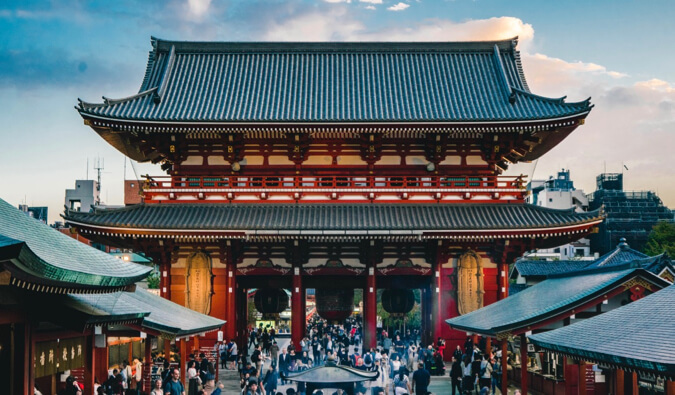
Neighborhoods like Yanaka and Nezu are frequently cited as the "last remaining pieces of old Tokyo." Having largely escaped the destruction of World War II, these areas provide a physical timeline of the Meiji Restoration and the Edo period. Tours in these districts often visit Nezu Shrine—noted for its 1,900-year history—and the Yanaka Reien cemetery. By focusing on the transition of the samurai class into the modern bureaucracy, these tours provide the necessary context to understand Tokyo’s current social structures.
Contemporary Subcultures: Coffee, Matcha, and Street Art
Tokyo’s ability to refine and perfect imported concepts is perhaps most visible in its coffee and street art scenes. These subcultures represent the "New Tokyo," where tradition meets global influence.
The "Third Wave" Coffee Movement
Japan’s coffee culture has evolved from the traditional "kissaten" (old-school coffee houses) to a world-leading specialty coffee scene. In neighborhoods like Jimbocho and Kanda, tourism now focuses on the "Third Wave" movement—a focus on high-quality beans, transparent supply chains, and meticulous brewing methods like the pour-over. These tours often highlight the synergy between traditional Japanese sweets (wagashi) and modern coffee flavor profiles, illustrating the city’s penchant for cultural synthesis.
The Underground Street Art Scene
Street art in Tokyo exists in a complex legal gray area. Unlike the sprawling murals of Berlin or New York, Tokyo’s street art is often hidden, small-scale, and transient. Tours through Harajuku and Shibuya now offer a look into this underground world, explaining how artists navigate Japan’s strict anti-graffiti laws. This represents a form of "counter-tourism" that appeals to younger, more urban-focused travelers.
Economic Impact and Broader Implications
The shift toward specialized experiences has profound implications for Tokyo’s urban development and economic health. By empowering residents to act as micro-entrepreneurs, the city is creating a more resilient tourism model that is less dependent on large-scale infrastructure.
Supporting Local Small Businesses
Traditional tours often funnel money into large hotel chains and transportation conglomerates. In contrast, experiential tourism directs capital toward independent restaurant owners, local guides, and neighborhood artisans. This "trickle-down" tourism ensures that the economic benefits of Japan’s travel boom are felt at the community level.
The Role of Technology in Cultural Exchange
The success of these experiences is inextricably linked to the digital platforms that host them. These interfaces provide a layer of trust, through reviews and verified profiles, that allows for deeper cultural exchange. As AI-driven translation and booking tools become more sophisticated, the barriers to entry for local experts are expected to lower further, leading to even more specialized offerings.
Logistical Considerations for the Modern Traveler
For those looking to engage with Tokyo’s experiential offerings, logistical planning has become more data-driven. The use of flight aggregators and specialized accommodation platforms allows travelers to reallocate their budgets toward these high-value experiences.
Transportation and Accessibility
The Japan Rail (JR) Pass remains a critical tool for those exploring the country, though recent price adjustments have prompted travelers to be more strategic with their itineraries. Within Tokyo, the efficiency of the metropolitan subway system allows for a high density of experiences within a single day—for example, a morning sushi class in Tsukiji followed by an afternoon historical walk in Yanaka and an evening izakaya tour in Shinjuku.
Accommodation Trends
The rise of experiential travel has also influenced where tourists stay. While luxury hotels remain popular, there is a significant trend toward "lifestyle hostels" and boutique guesthouses in residential neighborhoods. These accommodations often act as hubs for local information, further reinforcing the traveler’s connection to the local community.
Conclusion: The Future of the Tokyo Travel Experience
As Tokyo continues to refine its identity as a global tourism powerhouse, the emphasis on depth over breadth is likely to intensify. The city’s ability to offer professional-grade instruction in traditional arts, combined with a sophisticated exploration of modern subcultures, sets a new standard for urban travel. For the visitor, this means that Tokyo is no longer a city to be "seen," but a city to be "learned." Whether through the precision of a sushi knife or the historical narrative of a quiet shrine, the true value of Tokyo tourism now lies in the expertise of its people and the stories they choose to share.




 Chandra Hamzah
 Tatiana Tantri Indah Sari
 Budi Mulyono
 Anjar Salim

