
 Walid Sujud Trenggono
The global travel industry has witnessed a significant shift in consumer behavior over the last three years, moving away from high-intensity sightseeing toward what industry analysts categorize as "slow tourism" or "wellness-centric exploration." Within the Australian and Oceanian markets, this trend has manifested most prominently in the resurgence of South Pacific cruise itineraries. These journeys, once marketed primarily for their entertainment and social density, are increasingly being repositioned as essential psychological resets for a workforce grappling with unprecedented levels of burnout and digital fatigue. By leveraging the natural isolation of maritime travel and the biological benefits of marine environments, cruise lines like Carnival are transforming the traditional holiday into a structured environment for mental and physical rejuvenation.
The Strategic Shift Toward Wellness and Slow Tourism
The concept of "slowing down" is no longer a luxury but a strategic priority for a growing demographic of travelers. Market data from the Cruise Lines International Association (CLIA) suggests that a significant percentage of passengers now prioritize "rest and relaxation" over "adventure and nightlife." This shift is driving a redesign of the cruise experience. The South Pacific, with its vast maritime horizons and low-density island destinations, provides a unique geographical advantage for this purpose. Unlike land-based resorts that may still feel tethered to the pace of urban life, a vessel in the middle of the Pacific Ocean creates a physical and psychological barrier against the stressors of the modern world.
The architectural and operational layout of modern cruise ships is evolving to support this need for tranquility. From the "Serenity Adult-Only Retreats" to the expansion of spa facilities and the inclusion of mindfulness programming such as sunrise yoga and meditation, the infrastructure of the ship is being optimized to facilitate a "flow state." This state, characterized by total immersion in the present moment, is facilitated by the rhythmic nature of life at sea—the consistent sound of waves, the lack of traditional traffic, and the removal of logistical burdens such as meal planning and navigation.
Scientific Context: The Blue Mind Theory and Maritime Recovery
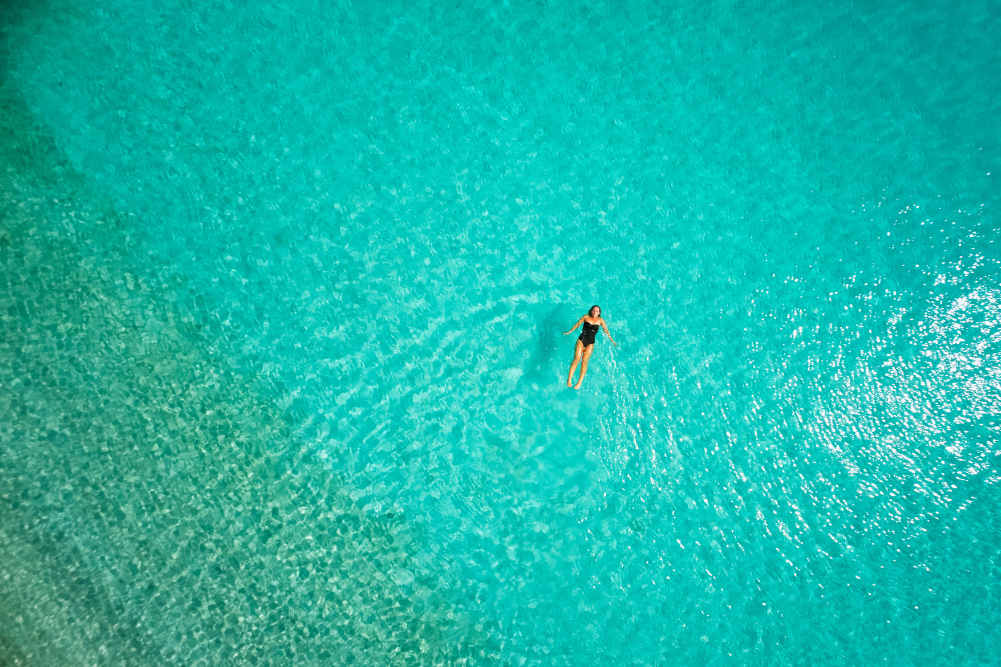
The efficacy of a South Pacific cruise in reducing stress is supported by the "Blue Mind" theory, a term coined by marine biologist Dr. Wallace J. Nichols. This theory posits that being near, in, or under water can lower cortisol levels and increase the production of neurotransmitters associated with happiness, such as dopamine and serotonin. The South Pacific environment, characterized by its high water clarity and biodiversity, maximizes these benefits.
When passengers engage with the water—whether through observing the horizon from the deck or snorkeling in a lagoon in Vanuatu or New Caledonia—they are engaging in a form of sensory therapy. The visual input of the blue horizon is neurologically calming, as the brain requires less energy to process the simple, vast view of the sea compared to the complex, cluttered visual environments of a city. This reduction in cognitive load is a primary driver behind the "reset" feeling reported by many travelers returning from maritime voyages.

A Chronology of the Modern Rejuvenation Itinerary
The typical wellness-focused voyage through the South Pacific follows a deliberate chronological progression designed to maximize psychological recovery.
- Phase One: The Decompression (Days 1-2): The initial 48 hours are characterized by a transition from the "busy-ness" of shore life to the rhythm of the sea. Passengers are encouraged to utilize onboard amenities such as quiet lounges and spa facilities to shed the immediate residue of work-related stress.
- Phase Two: Immersion and Presence (Days 3-5): As the vessel reaches the tropical latitudes, the focus shifts to environmental immersion. This period typically involves the first island stops, where the emphasis is on nature-based activities—walking through tropical gardens or swimming in clear lagoons. The goal is to reconnect with the physical world through sensory experiences.
- Phase Three: Cultural and Purposeful Exploration (Days 6-8): During the middle of the voyage, passengers often engage in shore excursions that offer more than just sightseeing. Guided walks through local villages and participation in traditional cooking classes provide a sense of perspective and community connection, which are vital components of long-term mental well-being.
- Phase Four: Reflection and Re-Entry (Final 48 Hours): The return leg of the journey is dedicated to reflection. With the logistics of the trip managed by the cruise line, the final days at sea allow travelers to process their experiences and consolidate the benefits of the rest they have received before returning to their daily routines.
Economic Impact and Local Community Integration
The shift toward more purposeful and slower exploration has significant implications for the island nations of the South Pacific. Historically, cruise tourism was sometimes criticized for its "touch-and-go" nature. However, the modern emphasis on "meaningful connection" is fostering deeper engagement with local communities. Shore excursions are increasingly designed to be educational and mutually beneficial.
When travelers participate in a cooking class sharing island flavors or a guided walk through a village, they are contributing to a sustainable tourism model that values cultural exchange. For the communities in places like Port Vila or Nouméa, this translates to a more stable and respectful form of economic support. According to regional tourism boards, there has been a notable increase in the demand for excursions that highlight indigenous traditions and environmental conservation, such as coral reef restoration projects. This alignment of traveler values with local needs creates a more resilient tourism ecosystem.
Industry Perspectives and Operational Responses
Industry leaders have noted that the "wellness" of a cruise is not just about the amenities but about the removal of "decision fatigue." A spokesperson for the cruise industry recently noted that the value proposition of a modern cruise lies in its ability to automate the "boring parts" of a holiday. By taking care of all planning, transportation, and dining, the cruise line allows the traveler to devote 100% of their cognitive energy to relaxation and personal reflection.
Furthermore, the integration of "play" as a form of stress relief is becoming more sophisticated. Onboard activities are no longer just about entertainment; they are viewed as essential tools for breaking the cycle of sedentary, screen-based living. Whether it is an outdoor game on the top deck or a casual class learning a new skill, these activities encourage movement and social interaction in a low-pressure environment.
The Role of Carnival in the Australian Market
As Australia’s leading cruise line, Carnival has been at the forefront of adapting to these changing consumer needs. By providing a balance between high-energy activities and quiet retreats, the line caters to a broad demographic seeking various forms of rejuvenation. The "Serenity" areas and the "Cloud 9 Spa" are specific examples of how the company has invested in the "rest" component of the "rest and play" balance.
Operational data suggests that the South Pacific remains the most popular destination for Australian-based vessels, largely due to the proximity and the stark contrast it offers to the Australian urban landscape. The ability to depart from major hubs like Sydney or Brisbane and be in a completely different ecological and cultural environment within days is a major draw for those seeking a quick but effective mental health break.
Future Outlook and Broader Implications
The trajectory of the cruise industry in the South Pacific points toward an even greater integration of health and wellness. We can expect to see more specialized itineraries focusing on specific wellness goals, such as digital detoxes, nutritional education, and environmental stewardship. The broader implication for the travel industry is clear: the modern traveler is looking for more than just a change of location; they are looking for a change of state.
The South Pacific cruise model serves as a blueprint for how the tourism sector can address the needs of a modern population. By combining the natural healing properties of the ocean with structured opportunities for rest, play, and cultural connection, these voyages provide a comprehensive solution to the challenges of modern life. As travelers return home feeling rested and clear-headed, the value of the "slow cruise" is solidified not just as a holiday choice, but as a vital tool for personal maintenance in an increasingly fast-paced world.
The long-term success of this model will depend on the continued balance of environmental sustainability and cultural respect. As more people turn to the sea for rejuvenation, the industry must ensure that the very environments providing this healing—the coral reefs, the quiet beaches, and the vibrant island communities—are protected for future generations of seekers. Through purposeful exploration and a commitment to slowing down, the South Pacific cruise remains a cornerstone of the global wellness tourism landscape.



 Chandra Hamzah
 Tatiana Tantri Indah Sari
 Budi Mulyono
 Anjar Salim

