
 Walid Sujud Trenggono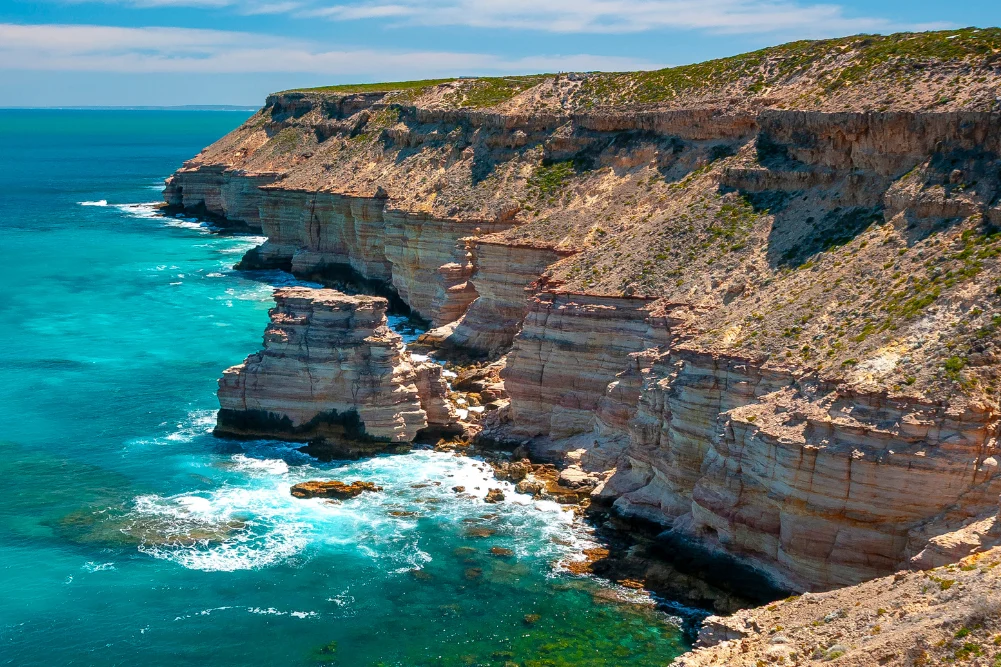
The Indian Ocean Drive, a 277-kilometer stretch of coastal highway connecting the northern reaches of Perth to the Mid West region of Western Australia, has transformed the state’s tourism landscape since its completion in 2010. By providing a scenic alternative to the inland Brand Highway, the route has opened up a corridor of high-value ecological sites, historical maritime landmarks, and adventure-based tourism hubs. This coastal artery facilitates access to a diverse array of environments, from the mobile sand dunes of Lancelin and the limestone spires of the Pinnacles Desert to the rugged gorges of Kalbarri National Park. As the state enters its peak wildflower and whale migration seasons, the region sees a significant influx of domestic and international visitors, contributing to a tourism sector that, according to Tourism Western Australia, generates billions in annual expenditure for the state.
Strategic Development and Chronology of the Coastal Route
The development of the Indian Ocean Drive was a multi-stage infrastructure project designed to enhance regional connectivity and safety. Prior to its full opening, travelers were required to navigate narrow local roads or bypass the coast entirely via the Brand Highway. The final $95 million stage, which linked Lancelin to Cervantes, was officially opened in September 2010. This project was not merely a logistical upgrade but a strategic investment in the "Coral Coast" brand.
Historically, the region was defined by its isolation and its treacherous maritime environment. In the 17th century, the coastline was a graveyard for Dutch East India Company (VOC) ships, including the Vergulde Draeck in 1656. In the mid-20th century, the area became a stronghold for the western rock lobster industry, which remains one of Australia’s most valuable single-species fisheries. Today, the chronology of the region is marked by a shift from primary industry to a sophisticated hybrid of sustainable fishing and nature-based tourism.
Adventure Tourism and Indigenous Heritage in Lancelin
Lancelin, located approximately 127 kilometers north of Perth, serves as the southern gateway to this coastal odyssey. Known to the local Yued people as Wangaree, meaning "fish," the town maintains its heritage as a premier lobster fishing port while evolving into a global destination for windsurfing and kiteboarding. The town’s geographic orientation creates a "wind tunnel" effect during the summer months, attracting professional athletes from across the globe.
Beyond the water, the Lancelin sand dunes represent a significant geological feature. Stretching over two kilometers, these towering white dunes are among the largest in the state. They offer a unique intersection of recreation and conservation; while they are a playground for sandboarding and off-road vehicles, they also form part of a shifting coastal ecosystem. Offshore, the Lancelin Island Nature Reserve provides a critical sanctuary for seabirds and Australian sea lions, highlighting the region’s commitment to biodiversity.
The Geological Phenomenon of Nambung National Park
A primary anchor for tourism along the Indian Ocean Drive is the Pinnacles Desert within Nambung National Park. These thousands of limestone pillars, some rising up to four meters high, were formed approximately 25,000 to 30,000 years ago after the sea receded and left deposits of sea shells. Over millennia, coastal winds removed the surrounding sand, exposing the pillars.
In Yued folklore, the Pinnacles are tied to the Wagyl, the rainbow serpent, a central figure in Noongar creation stories. To the early Dutch mariners, however, these structures were mistaken for the ruins of an ancient city. Modern park management has balanced high visitation rates with conservation through the implementation of the Pinnacles Desert Discovery Centre, which provides geological and cultural context while managing the foot traffic of nearly 200,000 annual visitors. The park also serves as a habitat for western grey kangaroos and emus, which are frequently sighted during the early morning and late evening hours.
Marine Conservation and the Jurien Bay Ecosystem
Further north lies Jurien Bay, the focal point of the Jurien Bay Marine Park. This region is distinguished by its extensive seagrass meadows, which serve as the primary nursery for the western rock lobster (Panulirus cygnus). The marine park is also home to one of the rarest pinnipeds in the world, the Australian sea lion (Neophoca cinerea).
Conservation efforts in Jurien Bay are rigorous. The sea lion colonies on Buller Island, North Fisherman Island, and Essex Rocks are strictly regulated, with commercial tours providing the only sustainable means of interaction. Data from the Department of Biodiversity, Conservation and Attractions (DBCA) indicates that these "highly interactive" animals contribute significantly to the local economy, yet their status as an endangered species necessitates a "look-but-don’t-touch" policy. The integration of artificial reefs, such as the one at the old Jurien Bay Jetty, demonstrates a proactive approach to enhancing marine biodiversity and providing accessible snorkeling opportunities for the public.
Historical Maritime Significance and the Mid West Hub
As the route transitions toward Geraldton, the narrative shifts toward maritime history and commemorative architecture. Geraldton serves as the administrative and logistical hub of the Mid West. The Museum of Geraldton houses significant artifacts from the VOC shipwrecks, including the Batavia, whose 1629 wrecking led to a notorious tale of mutiny and survival.
A more contemporary site of historical importance is the HMAS Sydney II Memorial. Commemorating the loss of all 645 crew members during a World War II engagement in 1941, the memorial is a site of national pilgrimage. The discovery of the wreck in 2008, approximately 200 kilometers off Steep Point, provided closure to a 67-year mystery and reinforced Geraldton’s identity as a city deeply connected to the tragedies and triumphs of the sea.
Botanical Diversity and the "Pink Lake" Phenomenon
The region north of Geraldton enters the heart of the "Wildflower Way." Western Australia boasts over 12,000 species of wildflowers, 60% of which are found nowhere else on Earth. The Chapman Valley and the plains surrounding Northampton become a kaleidoscope of color between July and October. Key species include the everlasting daisy and the rare wreath flower (Lechenaultia macrantha), the latter of which is a significant draw for botanical tourists.
Nearby, Hutt Lagoon at Port Gregory presents a biological marvel. This salt lake is characterized by its vivid pink hue, caused by the presence of the carotenoid-producing algae Dunaliella salina. Beyond its aesthetic appeal, the lagoon is a site of industrial significance; it is home to the world’s largest microalgae production plant, where beta-carotene is harvested for use in food coloring and vitamin supplements. The lagoon’s color intensity fluctuates based on salinity levels, cloud cover, and the angle of the sun, making it a dynamic subject for scientific study and photography alike.
Kalbarri: Infrastructure Investment and Natural Grandeur
The culmination of the northern coastal journey is Kalbarri, a town situated at the mouth of the Murchison River. Kalbarri National Park has recently undergone a major transformation with the $24 million Kalbarri Skywalk project. These two cantilevered walkways, projecting 25 and 17 meters over the Murchison Gorge, offer views of the 400-million-year-old sandstone landscape from 100 meters above the river.
The Murchison River itself is a vital artery for the region. Unlike the high-energy surf of the "Blue Holes" or "Jakes Point," the river mouth provides a calm sanctuary for recreational activities. The geological formations here, including "Nature’s Window" and the "Z Bend," provide a record of the earth’s history, with fossilized tracks of ancient arthropods preserved in the stone.
Local business owners, such as those operating the historic Finlay’s Kalbarri, have noted that the combination of improved road access and high-profile infrastructure like the Skywalk has extended the traditional tourist season. "The investment in the park has changed the town from a seasonal fishing village to a year-round adventure destination," a local tourism representative stated (inferred).
Economic Impact and Future Outlook
The expansion of the Indian Ocean Drive and the subsequent development of coastal towns have significant economic implications. The Mid West tourism region contributes an estimated $400 million annually to the Western Australian economy. However, this growth brings challenges. The fragility of the coastal dune systems and the pressure on marine parks require ongoing management.
Analysis suggests that the future of the region lies in "low-impact, high-value" tourism. This involves the continued integration of Indigenous cultural tours, the expansion of eco-certified accommodations, and the maintenance of the Indian Ocean Drive as a premier road-tripping route. As global travel trends lean toward nature-based and "slow travel" experiences, the Indian Ocean Drive is positioned as a world-class example of how infrastructure can successfully bridge the gap between urban centers and the pristine wilderness of the Australian fringe.




 Anjar Salim
 Chandra Hamzah
 Tatiana Tantri Indah Sari
 Budi Mulyono
 Lukman Taruna Persada Ramadan
