
 Walid Sujud Trenggono
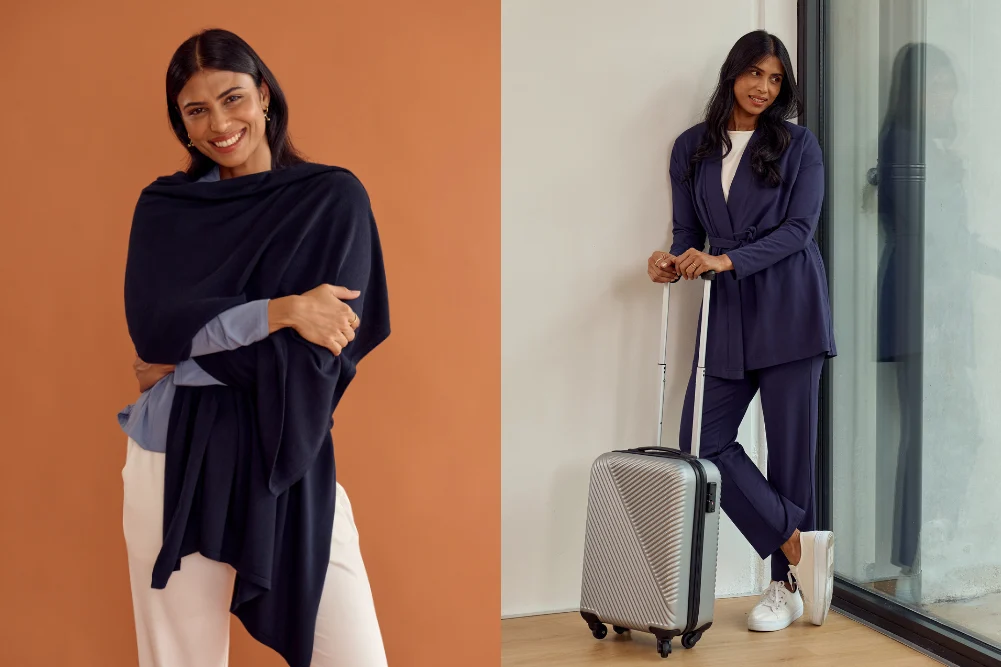
For decades, the standard aviation passenger experience has forced a compromise between aesthetic presentation and physical wellbeing. Stepping off a 14-hour long-haul flight feeling stiff, cold, and entirely disheveled remains a universal grievance for frequent flyers and vacationers alike. However, contemporary advancements in textile science and a broader cultural shift toward wellness-oriented travel have redefined the parameters of what one should wear at 35,000 feet. The sartorial decisions made before boarding an aircraft do not merely dictate personal comfort during transit; they fundamentally influence physical recovery rates, psychological readiness, and the overall physiological transition required when navigating multiple time zones.
As global mobility rebounds to pre-pandemic volumes, transit infrastructure faces unprecedented congestion, extended security queues, and tighter boarding schedules. In response, consumer behavior has shifted dramatically away from restrictive, formal travel attire toward functional, high-performance garments designed to endure rigorous conditions. Within this evolving landscape, sustainable textile innovations—particularly those utilizing organic bamboo fibers—have emerged as a premier solution for modern globetrotters seeking to bridge the gap between polished presentation and athletic-grade comfort.
The Physiology of Flight: Why Cabin Environments Demand Specialized Apparel
To understand the necessity of specialized travel wardrobes, one must examine the hostile microclimate of a modern commercial airliner. Cabin altitudes are typically pressurized to mimic an elevation of 6,000 to 8,000 feet above sea level. At this altitude, atmospheric pressure decreases, causing gases in the body to expand by up to 25 percent. Concurrently, the humidity inside a wide-body aircraft cabin plummets to between 10 and 20 percent—drier than the Sahara Desert, which averages roughly 25 percent humidity.
This extreme dryness accelerates bodily dehydration, leading to tightened skin, irritated mucous membranes, and sluggish circulation. Furthermore, prolonged periods of physical inactivity in cramped seating arrangements significantly elevate the risk of venous stasis, where blood pools in the lower extremities, heightening the potential for deep vein thrombosis (DVT).
Traditional travel wear, such as rigid denim jeans, non-stretch cotton trousers, and heavy polyester blends, exacerbate these physiological challenges. Denim restricts blood flow around the waist and thighs, compounding the natural swelling that occurs during extended periods of sitting. Synthetic polyester traps heat and moisture against the skin, failing to regulate body temperature as cabin air conditioning fluctuates between freezing mid-flight drafts and stuffy pre-takeoff ground delays.
Medical professionals and travel ergonomists increasingly advocate for loose-fitting, moisture-wicking, and temperature-regulating garments. Fabrics that exert even pressure without constricting blood vessels help maintain peripheral circulation, while breathable textiles mitigate the discomfort associated with cabin dehydration and fluctuating thermal zones.
The Rise of Sustainable Comfort: Two Decades of Textile Evolution
The commercial demand for intelligent transit apparel has catalyzed significant growth within the sustainable fashion sector. Australian-born apparel enterprise Bamboo Body has spent nearly twenty years pioneering the integration of bamboo viscose into everyday wardrobe staples, establishing a benchmark for travel-ready comfort. Founded on the principle that clothing should support the human form without compromising environmental integrity, the brand’s trajectory mirrors the broader consumer awakening toward conscious consumerism and functional luxury.
Bamboo fabric possesses unique structural properties that make it exceptionally well-suited for transit environments. Under a microscope, bamboo fibers feature microscopic gaps and perforations that grant the material superior breathability and moisture-wicking capabilities compared to traditional cotton or synthetic alternatives. This natural ventilation system pulls perspiration away from the skin at an accelerated rate, evaporating it into the surrounding air and helping the wearer maintain a stable core body temperature.
Moreover, bamboo textiles are inherently thermal-regulating, offering cooling properties in warmer climates and retaining localized body heat when ambient temperatures drop. This dual capability is invaluable for travelers navigating drastic climate transitions—such as stepping out of a humid equatorial airport into an aggressively air-conditioned terminal, only to board an unheated tarmac bus minutes later. Additionally, bamboo fibers possess natural antibacterial properties, significantly reducing odor retention during marathon travel days where laundering facilities remain entirely inaccessible.
Decoding the Modern Travel Wardrobe: Essential Components
Curating an effective transit ensemble requires a methodical approach to packing and styling. Industry experts and professional stylists recommend a modular framework focused on coordination, layering, and tactile comfort.
The Coordinated Travel Set: Eliminating Decision Fatigue
One of the most persistent stressors associated with international travel is the logistical burden of packing efficiently while maintaining a professional appearance upon arrival. The matching travel set has emerged as an indispensable tool for mitigating decision fatigue. By pairing coordinated tops and bottoms crafted from soft, flexible textiles, travelers achieve an effortlessly polished aesthetic without sacrificing the physical ease of loungewear.
Modern travel sets typically feature relaxed silhouettes, unrestrictive elasticized waistbands, and wrinkle-resistant weaves. These design characteristics ensure that the garments retain their structural integrity after hours of compression against airplane seats. When passengers disembark, their attire remains smooth and presentable, eliminating the immediate need for pressing or changing before heading to business meetings, hotel check-ins, or immediate sightseeing excursions. Furthermore, neutral color palettes combined with classic tailoring allow these sets to function seamlessly within both casual and semi-formal itineraries.
Strategic Layering for Volatile Microclimates
Airlines are notoriously unpredictable when it comes to cabin climate control. A red-eye flight that begins with stifling heat during boarding frequently transforms into a frigid environment once cruising altitude is reached. Relying on a single heavy jacket or a flimsy airline blanket is rarely sufficient.
The implementation of a multi-tiered layering system provides the necessary flexibility to adapt to shifting thermal conditions. A foundational layer consisting of a fitted bamboo singlet, lightweight tee, or long-sleeve base layer acts as the primary moisture-management shield. Over this base, travelers can add a medium-weight pullover or cardigan.
For ultimate versatility, a generously sized travel wrap constructed from a hybrid blend—such as bamboo and recycled cashmere—serves multiple functions throughout a journey. In the airport terminal, it operates as a chic scarf; during flight, it drapes over the shoulders to ward off aggressive air conditioning; and during rest periods, it functions as a lightweight, breathable blanket. This multifunctional approach optimizes carry-on space while ensuring absolute comfort regardless of external environmental shifts.
Footwear and Accessories: Addressing Peripheral Circulation
While upper-body comfort often dominates packing lists, the extremities frequently suffer the most during long-distance transit. As blood circulation slows down in seated positions, peripheral body temperatures drop, leaving feet cold and stiff.
The inclusion of specialized socks is a frequently overlooked detail that yields profound ergonomic benefits. Standard cotton socks tend to absorb moisture and lose their insulating properties, while synthetic blends can cause overheating and odor accumulation. Soft, breathable bamboo socks provide gentle arch support, exceptional moisture control, and non-restrictive ankle bands that prevent constriction. Once footwear is removed within the confines of a seat space, high-quality bamboo socks maintain optimal thermal equilibrium, ensuring feet remain warm, dry, and comfortable until landing.
Chronology of Travel Fashion: From Formal Attire to Functional Wellness
To fully appreciate current transit fashion trends, one must examine the historical evolution of air travel attire over the past century.
During the Golden Age of Aviation in the 1950s and 1960s, commercial flying was an exclusive, high-status luxury. Airlines enforced strict dress codes, requiring male passengers to wear suits and ties, while female travelers donned dresses, heels, and hats. Air travel was treated as a formal social event, where aesthetic presentation superseded physical comfort entirely.
As commercial aviation democratized in the 1970s and 1980s with the introduction of wide-body aircraft and more affordable fare structures, passenger demographics shifted dramatically. Comfort began to challenge formality. The subsequent decades saw a gradual degradation of transit standards, swinging pendulum-style toward excessive casualness, characterized by oversized athletic sweatpants, worn denim, and synthetic loungewear that often lacked structural decency or functional utility.
By the early 2020s, a new paradigm emerged: elevated functionalism. Driven by the post-pandemic resurgence in global travel and an intensified cultural focus on personal wellness, consumers began demanding apparel that bridges the gap between active lifestyle wear and sophisticated tailoring. Brands specializing in sustainable, tactile textiles capitalized on this transition, offering garments engineered specifically to support human biomechanics during transit without sacrificing visual refinement.
Economic and Environmental Implications of Sustainable Transit Wear
The surging popularity of performance travel apparel carries significant implications for both the global textile economy and environmental sustainability metrics. Traditional fast-fashion travel garments—often composed of virgin polyester, nylon, and conventional cotton—contribute heavily to microplastic pollution and excessive water consumption. Polyester garments shed thousands of microscopic plastic fibers during every wash cycle, which eventually infiltrate marine ecosystems through wastewater systems.
Conversely, bamboo viscose production presents a considerably more sustainable alternative when harvested and processed responsibly. Bamboo is a rapidly renewable resource that requires minimal irrigation, no chemical pesticides, and regenerates naturally from its root system without necessitating replanting. When integrated into durable, timeless travel collections, bamboo textiles offer consumers a longevity-driven purchasing model that discourages seasonal disposal and aligns with circular economy principles.
From an economic perspective, the demand for multifunctional travel wear reflects a broader shift in consumer spending toward experiential and utility-driven purchases. Travelers are increasingly willing to invest in premium, versatile wardrobe staples that reduce luggage weight, minimize baggage fees, and perform across diverse climates. This consumer preference incentivizes apparel manufacturers to prioritize material science innovation, focusing on fabrics that offer natural performance enhancements—such as UV protection, thermal regulation, and moisture management—without relying on chemical finishes.
Conclusion: Arriving Intact
Ultimately, the objective of selecting a dedicated travel outfit extends far beyond mere visual aesthetics. It is a proactive health and wellness strategy designed to mitigate the physical tolls of modern transit. By prioritizing breathable, sustainable, and ergonomically sound fabrics such as bamboo, travelers insulate themselves against the environmental indignities of cramped cabins and unpredictable microclimates.
As global mobility continues to expand, the intersection of textile engineering and travel psychology will remain a critical focal point for conscious consumers. Dressing for a journey is no longer an afterthought, but an integral component of the travel experience itself—ensuring that when passengers finally touch down at their destination, they arrive feeling not depleted by the miles, but fundamentally like themselves.




 Diana Nuri Rohmawati

 Tatiana Tantri Indah Sari

 Anjar Salim


 Gabriela Annisa

 Lukman Taruna Persada Ramadan
