Walid Sujud Trenggono
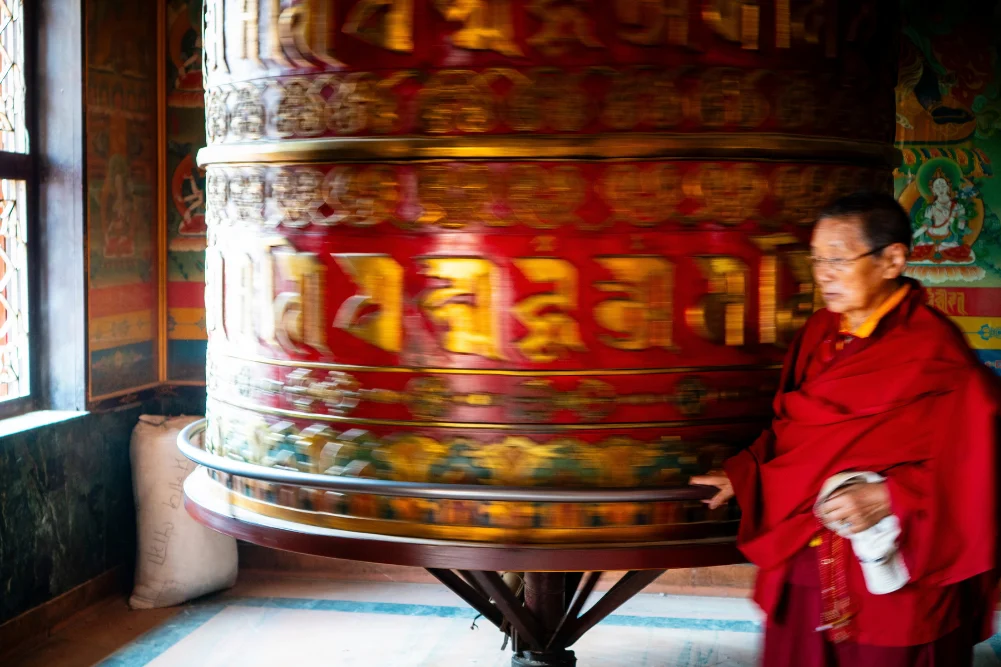
The ancient valley of Kathmandu, traditionally designed in the 10th century in the shape of a divine sword, reveals its profound spiritual layers through candlelit streets, ancient temple architecture, and a deeply rooted culture of daily veneration.
For travelers arriving from the rugged, isolated trails of the Himalayan foothills, the transition to Nepal’s bustling capital can initially present an environmental paradox. However, beneath the urban density and chaotic traffic lies a meticulously planned sacred landscape. Commissioned by King Gunakamadeva in the late 900s, Kathmandu was architecturally conceived in the configuration of Chandrahrasa—the legendary sword of the deity Manjushri. The city’s perimeter was historically secured by eight sacred gates, each presided over by an elemental goddess, establishing an energetic framework that continues to define the capital’s metaphysical identity.
This foundational layout heavily influences the contemporary intersection of urban life and spiritual practice. Modern urban planners and cultural historians note that Kathmandu’s dense concentration of sacred architecture—ranging from UNESCO-listed Durbar Squares to neighborhood shrines—creates an environment where the secular and the divine are entirely indistinguishable.
Chronology of the Festival of Lights: Tihar and the Goddess Laxmi
The spiritual inquiry into the city’s heartbeat often aligns with significant cultural milestones, most notably Tihar, the five-day Hindu Festival of Lights. The chronology of the festival dictates the rhythm of the streets:
- Day One and Two (Kaag Tihar and Kukur Tihar): Reverence is paid to crows and dogs, symbolizing the messengers of death and divine companionship.
- Day Three (Laxmi Puja): Considered the zenith of the festival, this evening involves welcoming Laxmi, the Goddess of Wealth. Households and businesses illuminate their thresholds with oil lamps, candles, and intricate colored-sand mandalas (Rangoli) designed to attract prosperity.
- Day Four and Five (Govardhan Puja and Bhai Tika): Celebrations focus on cattle worship and the strengthening of bonds between brothers and sisters through the application of multicolored forehead tikas.
During this period, historical analysis indicates a measurable surge in communal solidarity and civic goodwill. Anthropologists studying the region observe that the collective participation in intricate ritualistic art acts as a psychological anchor, reinforcing community ties and shared cultural memory amidst rapid modernization.
Architectural Preservation and Sacred Geography
Beyond the temporary installations of festival seasons, Kathmandu’s permanent structures bear witness to centuries of architectural evolution under the Licchavi and Malla dynasties. The city’s architectural crown jewels—including the Durbar Squares of Kathmandu, Patan, and Bhaktapur—function simultaneously as open-air museums and active places of worship.
The Patan Museum, housed within a restored 1734 palace complex that historically functioned atop a Buddhist monastery, exemplifies the delicate balance between historical preservation and spiritual continuity. According to institutional records from heritage conservation trusts, the museum houses approximately 1,100 rare religious artifacts, spanning centuries of Buddhist and Hindu craftsmanship.
Despite enduring severe structural damage during historical seismic events, including the devastating 2015 earthquakes, the physical restoration of these monuments has served as a testament to national resilience. Cultural economists point out that heritage tourism contributes significantly to the local economy, accounting for a substantial portion of urban employment while funding ongoing restoration projects supervised by international bodies such as UNESCO.
The Duality of Sacred Spaces: Swayambhunath
Perched atop a conical hill overlooking the Kathmandu Valley, the Swayambhunath complex—colloquially known as the Monkey Temple—demonstrates the unique syncretism of Buddhism and Hinduism in Nepal. Archaeological timelines place the origins of the stupa in the 5th century, making it one of the oldest and most venerated religious sites in the region.
The site is characterized by the all-seeing Buddha eyes painted on the central stupa, gazing out across the four cardinal directions, surrounded by a thriving ecosystem of resident rhesus macaques. While the presence of the primate population offers a distinct ecological dynamic, conservationists and temple authorities monitor the interaction between wildlife and the thousands of daily pilgrims and international tourists.
Sociological assessments of Swayambhunath highlight its role as a unifying space where doctrinal boundaries dissolve. Daily rituals involve practitioners of both major traditions circumambulating the structure clockwise, offering butter lamps and performing pujas for life milestones ranging from academic achievements to familial health.
Holistic Wellness and the Modern Healing Arts
In response to the growing global demand for wellness tourism, Kathmandu has increasingly integrated traditional contemplative practices into its hospitality and cultural sectors. Yoga and sound healing have transitioned from ascetic traditions into accessible therapeutic modalities within the urban center.
At venues such as the Kathmandu Guest House in the central Thamel district, dedicated wellness spaces operate on principles derived from traditional Himalayan philosophies. Master practitioners, such as yoga guide Kanchan Singh, utilize practices like Hatha yoga, Dhyana (meditation), and Tibetan singing bowl sound therapy to address the psychological fatigue often reported by long-distance trekkers and international visitors.
Medical and psychological researchers examining the efficacy of sound therapy and meditation note physiological markers of reduced cortisol levels and lowered blood pressure among participants. These traditional practices, when paired with modern hospitality frameworks, position Kathmandu as a burgeoning hub for integrative health tourism in South Asia.
Gastronomic Anthropology: Food as Cultural Heritage
Culinary traditions in Kathmandu offer a direct reflection of the valley’s geopolitical history at the crossroads of India, Tibet, and the broader Himalayan range. Food historians emphasize that regional cuisines—such as Newari, Thakali, and various indigenous ethnic preparations—serve as edible archives of migration, trade, and local ecology.
A comparative analysis of Kathmandu’s traditional gastronomy reveals distinct regional markers:
- Newari Cuisine: Characterized by complex fermented elements, beaten rice (chiura), and specialized preparations like Newa Samay, reflecting an urban agrarian society with roots in the ancient valley kingdoms.
- Thakali Cuisine: Originating from the Mustang region, this dietary tradition emphasizes warming spices, lentil dhal, locally sourced root vegetables, and nutrient-dense elements designed for high-altitude environments.
- Indigenous Himalayan Ingredients: Staples such as Himalayan nettle soup (Sisnu Ko Jhol) illustrate a deep historical reliance on foraged medicinal flora, utilized for their purported anti-inflammatory and circulatory benefits.
Culinary curators and nutritionists assert that the revival of heritage dining experiences in urban cultural spaces educates both foreign visitors and younger generations of Nepalis on the intrinsic medicinal properties embedded within ancestral diets.
Broader Implications and Socio-Economic Impact
The confluence of spirituality, heritage tourism, and holistic wellness in Kathmandu carries significant socio-economic implications for the Federal Democratic Republic of Nepal. Tourism data consistently demonstrates that cultural and adventure travelers contribute a vital share of foreign exchange earnings, supporting local artisans, museum curators, hospitality workers, and guides.
However, municipal authorities and urban planners face ongoing challenges regarding sustainable tourism management, air quality control, and the preservation of historical infrastructure against the pressures of rapid urbanization and vehicular traffic. Balancing the preservation of sacred soundscapes and architectural integrity with commercial development remains a primary objective for local governance and heritage protection agencies.
Ultimately, the enduring appeal of Kathmandu lies in its capacity to offer structured introspection within an environment of high sensory engagement. Whether navigating the sacred geometry of festival sand mandalas, scaling the staircases of ancient stupas, or engaging in contemplative dining experiences, the city functions as a multifaceted ecosystem where historical legacy and contemporary wellness converge into a singular, cohesive narrative.




 Lukman Taruna Persada Ramadan
 Tatiana Tantri Indah Sari
 Anjar Salim

 Budi Mulyono