
 Cholid Fahmi Thalib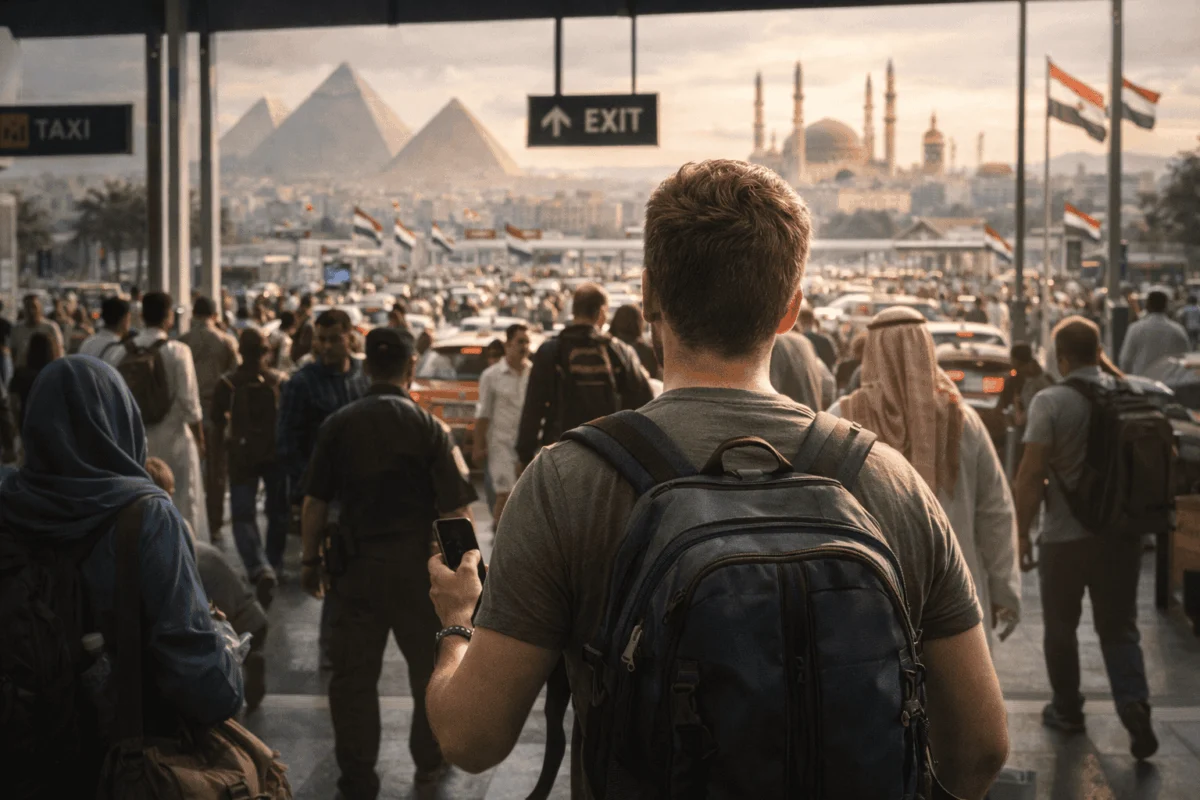
The initial approach to Egypt, a nation nestled within the vibrant continent of Africa, is often a journey undertaken with a considerable weight of preconceived notions. The ubiquitous presence of media narratives, coupled with well-intentioned warnings from friends and family, can foster a potent dichotomy of excitement and trepidation. This internal conflict is a common precursor for many, a testament to Egypt’s powerful global image. Yet, the most profound revelations often emerge not from the anticipation, but from the stark contrast between these pre-arrival expectations and the lived reality on the ground. This article delves into the authentic Egyptian experience, moving beyond the polished tourist brochures to explore the disorienting moments, unexpected warmth, and the prevalent sentiment among first-time visitors: "I didn’t expect this at all."
Navigating the Sensory Overload: The Initial Encounter
Upon disembarking, the Egyptian environment immediately engages all senses, often with an intensity that can be overwhelming. The auditory landscape is a symphony of car horns, animated conversations, and music emanating from open windows. The air itself feels palpably different, a complex blend of heat, dust, and ceaseless motion. This initial sensory assault can trigger a fleeting moment of doubt, a question of whether the chosen destination was indeed the right one.
However, this initial feeling of disorientation is typically short-lived. A closer observation reveals an underlying order within the apparent chaos. Despite the dynamic pace, people navigate their surroundings with purpose, and functional systems, though perhaps unfamiliar in their execution, are demonstrably in place. This realization often brings a subtle sense of calm, as the environment is not actively hostile but simply operating on its own distinct frequency. Egypt, in this initial encounter, is not attempting to deter visitors but is rather presenting its unvarnished self.
The First Day: An Immersion in a Different Rhythm
The inaugural day in Egypt can feel like a rapid immersion into a completely altered way of life. Fatigue from travel, coupled with the relentless stimulation, can make even simple tasks feel like significant undertakings. Crossing a busy street, for instance, can feel akin to participating in an extreme sport, where traffic regulations appear more as suggestions than strict mandates, and the concept of personal space operates on a different cultural continuum.
Yet, the human capacity for adaptation is remarkable. By the close of this first day, many travelers find themselves reflecting with amusement on their earlier anxieties. A nascent understanding of the local rhythm begins to emerge. The patterns of movement, the opportune moments for transit, and the nuances of interacting with local transport start to become discernible. While the initial experience may be uncomfortable, it is rarely unmanageable. This transition from initial shock to burgeoning familiarity often sparks a profound sense of curiosity, driving the exploration deeper into the country’s fabric.
Cultural Nuances: Subtle Shifts in Perception
The cultural shock experienced in Egypt is not typically characterized by monumental events but rather by a series of small, often unexpected observations. A notable difference is the directness of social interactions. Conversations often commence with ease, and strangers may inquire about one’s origins, travel plans, and overall impression of Egypt. While this openness might initially feel intrusive to some, it rapidly evolves into an appreciation for its inherent human connection.
The perception of time also operates differently. Plans are often fluid, and delays are common occurrences. The most effective approach to navigating this aspect of Egyptian culture is to embrace flexibility rather than resist it, thereby mitigating potential frustration.
Furthermore, assistance frequently materializes when least expected. A passerby might offer directions to the correct bus route, a shopkeeper might provide guidance without any expectation of a purchase, or a local family might extend an invitation for tea simply due to proximity. These acts of spontaneous kindness serve to soften the edges of the unfamiliar and foster a sense of welcome.
Navigating the Transportation Network: From Intimidation to Confidence
Transportation within Egypt is a significant concern for many first-time visitors. The visual impression of the roads can be chaotic, the trains may seem dated, and while ride-sharing applications are available, their functionality can be inconsistent. This often leads to an overabundance of caution regarding every travel decision: discerning safe taxis, negotiating fares, and verifying directions.
However, as travelers gain experience, a sense of confidence gradually emerges. The realization dawns that the majority of drivers are simply individuals performing their daily duties. An understanding of typical fare structures develops, and the initial panic associated with navigation apps rerouting frequently subsides. Many seasoned travelers advocate for consulting firsthand accounts of local transportation systems prior to arrival. Resources like Inside Egypt (inside-egypt.com) can provide invaluable insights into the day-to-day workings of the transportation network, transforming the initial days from a stressful exercise in guesswork to an engaging process of exploration.
Safety and Awareness: A Prudent Approach
The question of safety is paramount for any traveler considering Egypt. While the country’s environment differs from many Western destinations, this difference does not inherently equate to danger. Tourist areas often exhibit a visible security presence, and local populations frequently demonstrate a protective attitude towards visitors. Furthermore, the prevalence of serious incidents is often exaggerated in media portrayals.
Nonetheless, a healthy degree of common sense remains essential. Paying attention to one’s surroundings, refraining from displaying overt signs of wealth, and trusting one’s instincts are universal safety practices that apply equally in Egypt. The significant observation for many first-time visitors is how quickly initial apprehension transforms into a sense of comfort, familiarity, and ultimately, ease.
The Enduring Impact of Human Connection
While Egypt’s monumental ancient sites are undeniably awe-inspiring, it is often the people who leave the most indelible impression. Interactions are commonplace, occurring in taxis, cafes, and queues. Egyptians are generally curious, communicative, and genuinely interested in the experiences of visitors. Their discussions about their country often convey a palpable sense of pride, interwoven with an honest acknowledgment of its challenges.
Hospitality in Egypt is not a performative act but is demonstrated through simple gestures: an extra serving of food, an offered seat without prompting, or a stranger’s intervention to assist without seeking reward. These cumulative moments of human connection become enduring memories that shape the overall perception of the journey.
Beyond the Icons: A Living, Breathing Nation
The initial encounter with iconic landmarks such as the pyramids is a surreal experience. Their sheer scale and antiquity are often beyond immediate comprehension. Yet, what frequently surprises first-time visitors is how seamlessly these historical marvels are integrated into the fabric of contemporary Egyptian life. Bustling streets run parallel to ancient ruins, children play soccer in the shadows of millennia-old structures, and modern cafes operate adjacent to temples predating recorded history.
Egypt is not a static historical exhibit but a dynamic, complex, and modern nation. Recognizing this multifaceted nature transforms the country from a mere postcard image into a tangible, lived reality.
The Emotional Spectrum of Travel
The experience of traveling through Egypt can be emotionally demanding. Moments of being overwhelmed and exhausted can swiftly transition to serene contemplation in a beautiful setting, fostering a profound sense of gratitude. This emotional fluctuation can catch many first-time travelers by surprise. Egypt does not offer a gentle introduction; it demands attention, patience, and at times, humility. However, the rewards are equally significant, manifesting as awe, broadened perspectives, and stories that resonate for years to come.
Common Misconceptions Among First-Time Visitors
A prevalent error among first-time travelers to Egypt is the attempt to exert excessive control over their itinerary. This often involves over-scheduling, expecting strict adherence to timetables, and an assumption of predictable progression. Such an approach often proves counterproductive.
Egypt thrives on flexibility. It is a destination that rewards those who embrace delays, allow for spontaneous detours, and engage in unexpected conversations. Shifting focus from simply "checking off" sights to actively observing and engaging with the environment yields a far richer experience. Another common pitfall is attempting to evaluate Egypt through the lens of other travel destinations. The country possesses a unique identity that warrants appreciation on its own terms.
The Enduring Value of a First-Time Egyptian Journey
The ultimate worth of a first-time trip to Egypt is contingent upon an individual’s travel aspirations. For those who require predictability and a meticulously structured experience, Egypt may present significant challenges. However, for individuals open to navigating discomfort, embracing curiosity, and appreciating moments that defy rigid itineraries, Egypt offers an unforgettable adventure.
The inaugural visit is rarely flawless; it is often characterized by confusion, occasional exhaustion, and profound memorability. The expectation is not to comprehend every facet of the experience, but rather to immerse oneself in it. It is precisely this complexity and the resultant lasting impression that make Egypt so compelling. The nation does not strive for polite deference; instead, it engages travelers authentically, inviting a re-evaluation of their perspectives. For the vast majority of first-time visitors, the answer to the question of whether they would return is often known long before their flight home.




 Anjar Salim
 Dwi Wanna
 Budi Mulyono
 Lukman Taruna Persada Ramadan
 Chandra Hamzah
 Gabriela Annisa