Anjar Salim
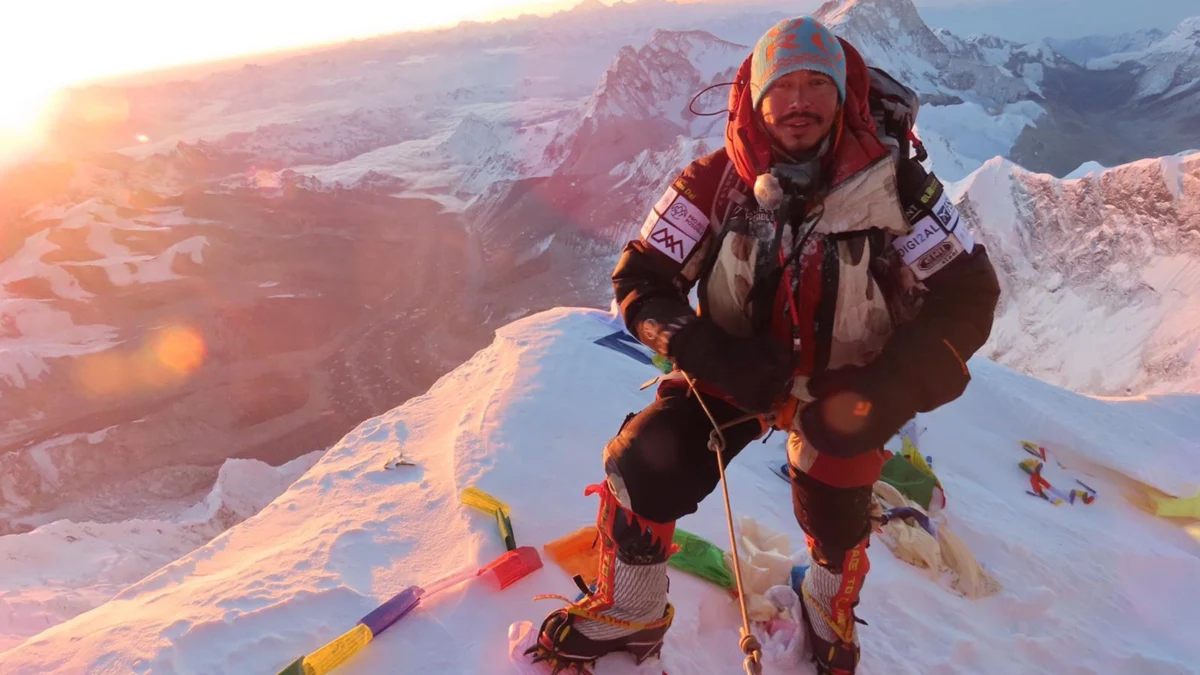
On July 30, 2026, a catastrophic avalanche swept down the slopes of Broad Peak in Pakistan, claiming the lives of ten climbers in one of the worst high-altitude mountaineering disasters of the decade. The wall of snow and ice struck without warning, burying victims beneath thousands of tons of debris at high elevation. In the wake of the disaster, a perilous recovery operation was launched to retrieve the fallen climbers. Detailed in a comprehensive feature by mountaineering expert Ben Ayers for the Outside Podcast, the event has reignited urgent conversations surrounding the escalating risks of commercial high-altitude climbing, the unpredictable nature of changing climate conditions in the Karakoram range, and the ethical dilemmas of body recoveries in the death zone.
The Anatomy of the Disaster: Main Facts and Location
Broad Peak, locally known as Falchan Kangri, stands at 26,414 feet (8,051 meters) above sea level, making it the twelfth-highest mountain in the world and one of the formidable 8,000-meter peaks located in the Gilgit-Baltistan region of Pakistan. Part of the Gasherbrum massif in the heart of the Karakoram, the mountain is notorious for its long, exposed summit ridge, unpredictable weather patterns, and treacherous snow conditions.
The catastrophe unfolded as a massive avalanche rumbled down the mountain’s upper flanks, blanketing the terrain in a suffocating cloud of snow, ice, and rock debris. The timing could not have been more catastrophic. The avalanche slammed directly into a group of ten climbers from multiple expeditions who were slowly ascending the steep route toward Camp III, situated at approximately 23,290 feet (7,100 meters).
The expedition party was comprised of an experienced mix of veteran Sherpa guides, international climbing clients, and prominent elite mountaineers. Among the casualties was Nirmal “Nimsdai” Purja, a towering figure in modern high-altitude mountaineering globally recognized for his record-breaking speed ascents and his star role in the documentary 14 Peaks: Nothing Is Impossible. Despite the vast experience and high-level conditioning of the team, the sheer kinetic force of the avalanche left zero survivors.
A Timeline of Events: From Ascent to Recovery
Understanding the trajectory of the July 30 disaster requires mapping out the days leading up to and following the catastrophe. According to reporting and logs pieced together through industry contacts, the timeline of events reflects the rapid transition from routine high-altitude progression to emergency response.
Phase One: The Push to Camp III (July 28–29, 2026)
Teams gathered at Base Camp after a brief window of favorable weather forecast by meteorologists. Climbers and support staff began their rotations up the mountain to acclimatize and establish higher camps. Nirmal Purja’s team, alongside independent international clients and local Pakistani high-altitude workers, moved from Camp II toward the designated sites of Camp III. Conditions appeared stable, though standard seasonal warming trends had begun softening snow bridges across the upper gullies.
Phase Two: The Strike (July 30, 2026)
At approximately mid-morning, a localized windslab fracture high on the mountain triggered an unannounced release. The slide gathered mass rapidly as it funneled down the primary climbing route. Observers from lower camps reported seeing a massive plume of white debris instantly obliterate the trail where the ten climbers were strung out in a rope team. Radio silence followed immediately. Search parties mobilized from Base Camp within hours, but visual assessments confirmed that the sheer volume of snow and ongoing instability made immediate search efforts impossible without heavy loss of additional rescue personnel.
Phase Three: Planning the Recovery (August 1–August 10, 2026)
Faced with international pressure and the profound grief of families, expedition operators coordinated with the Pakistan Alpine Club and local military authorities to plan a recovery mission. Bringing bodies down from the death zone—altitudes exceeding 23,000 feet—presents extreme physiological and technical hurdles. Helicopters are severely limited by thin air and updrafts at these elevations, meaning ground teams must shoulder the vast majority of the physical labor.
Phase Four: The Ground Operation (Mid-August 2026)
A specialized team of elite Sherpa guides and Pakistani high-altitude porters volunteered to ascend into the avalanche zone. Navigating secondary avalanches, crevasse fields, and freezing temperatures, the recovery team spent days probing the packed snowpack to locate and extract the remains of the ten climbers, successfully returning them to their families for repatriation.
Supporting Data and High-Altitude Risks
The Broad Peak disaster highlights a broader statistical trend in the Karakoram range. Over the past decade, peaks in Pakistan such as K2, Nanga Parbat, and Broad Peak have seen exponential increases in commercial climbing permits.
- Elevation Profile: The avalanche struck at roughly 23,290 feet, a zone where human physiological decline accelerates rapidly, limiting cognitive function, physical stamina, and reaction times.
- Fatality Rate: The loss of ten lives in a single incident makes this one of the single deadliest avalanches in modern Himalayan and Karakoram mountaineering history.
- Commercialization Factor: High-altitude experts note that increasing commercial traffic often forces climbers to adhere to tight weather windows, potentially increasing crowding on narrow technical routes and elevating exposure risk.
Official Responses and Industry Reactions
The mountaineering community reacted with profound shock and grief following the confirmation of the deaths. Condolences poured in from international climbing federations, governments, and elite mountaineers worldwide, who highlighted the immense contributions of the fallen guides and clients to the climbing community.
Nirmal Purja’s expedition company released formal statements acknowledging the tragedy and honoring the resilience of the local workforce. "Our brothers and sisters who work on these mountains embody the absolute pinnacle of courage," an industry representative noted in the wake of the accident. "The loss of Nimsdai and every member of this expedition leaves an irreplaceable void in our hearts and in the alpine world."
Local authorities in Gilgit-Baltistan praised the bravery of the rescue workers who undertook the recovery mission. Government officials emphasized that while tourism and high-altitude mountaineering are vital economic drivers for the region, safety protocols and meteorological monitoring systems must be continually evaluated to protect both international visitors and domestic mountain workers.
Broader Impact and Implications for Modern Mountaineering
The Broad Peak tragedy forces a sobering re-examination of the ethics, logistics, and safety standards governing 8,000-meter peaks. As climate change alters traditional weather patterns in the high mountains—leading to earlier snowmelt, unstable seracs, and unpredictable freeze-thaw cycles—the historical data used by climbers to predict safe windows is becoming increasingly unreliable.
Furthermore, the successful yet harrowing recovery mission brings attention to the hidden labor force of high-altitude mountaineering. While international media often focuses on celebrity climbers and summit records, disasters like the one on Broad Peak disproportionately impact the families of local Sherpas and Pakistani high-altitude porters who bear the highest risks during both guiding operations and subsequent body recoveries.
As detailed in Ben Ayers’s deep dive for the Outside Podcast, the legacy of the July 30 avalanche will likely serve as a watershed moment for the industry. It challenges outfitters, regulatory bodies, and individual mountaineers to balance the relentless pursuit of high-altitude summits with an uncompromising commitment to risk assessment, environmental awareness, and the safety of all personnel operating in the world’s most extreme environments.


 Gabriela Annisa
 Lukman Taruna Persada Ramadan
 Tatiana Tantri Indah Sari

 Budi Mulyono