
 Gabriela Annisa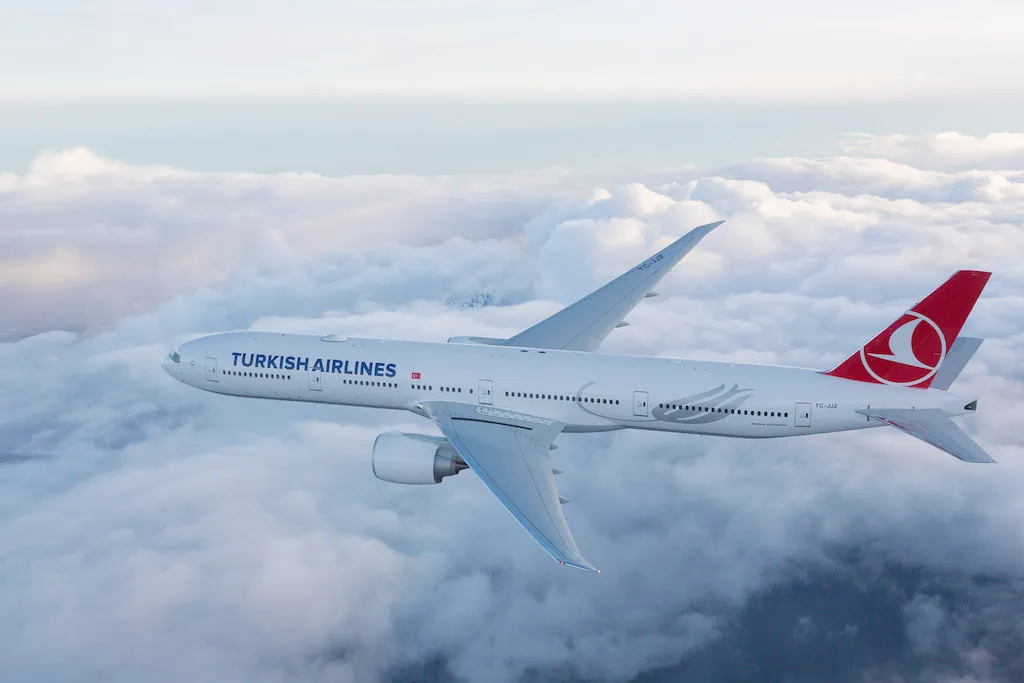
The global aviation landscape is currently undergoing a period of intense recalibration, characterized by fluctuating operational costs, shifting passenger demand, and significant consolidation efforts among mid-tier carriers. Recent disclosures from the second quarter of the fiscal year have underscored these complexities, particularly concerning Turkish Airlines, which faced a series of operational headwinds, and the U.S.-based Allegiant Air, which is embarking on a strategic partnership with Sun Country Airlines. These developments, analyzed in the latest episode of the Airline Weekly Lounge, highlight the divergent paths major carriers are taking to maintain profitability in an increasingly volatile market.
Turkish Airlines: Navigating a Complex Second Quarter
Turkish Airlines, long considered one of the most robust performers in the international aviation sector, experienced a mixed set of results during the second quarter. The airline has historically leveraged its unique geographic position in Istanbul to act as a global bridge, connecting markets across Europe, Asia, and Africa. However, the latest financial disclosures suggest that this growth trajectory is encountering resistance from macroeconomic pressures and industry-wide inflationary trends.
A significant factor in the airline’s recent performance is the rising cost of labor and fuel, which has placed considerable pressure on operating margins. Furthermore, Turkish Airlines has had to navigate regional geopolitical sensitivities that can disrupt flight paths and increase insurance and security-related expenditures. While the carrier’s passenger load factor remains relatively high compared to its regional peers, the yield per passenger—a critical indicator of profitability—has seen stagnation due to the intensification of competition on long-haul routes.
Despite these challenges, Turkish Airlines continues to aggressively expand its fleet. The carrier’s recent order book, which includes a substantial commitment to Airbus aircraft, signals a long-term confidence in its capacity to capture market share. Analysts note that while the second quarter results reflect a "turbulent" period, the underlying strength of the airline’s Istanbul hub remains a significant competitive advantage that few other carriers can replicate.
Allegiant Air and Sun Country: A Strategic Pivot
In the United States, the focus has shifted toward consolidation and tactical alliances. The announcement that Allegiant Air is "taking Sun Country under its wing" represents a noteworthy development in the domestic low-cost carrier (LCC) segment. This move is widely interpreted as a defensive and offensive measure to better compete against the "Big Four" U.S. carriers, which have increasingly utilized basic economy fares to encroach on the market share traditionally held by budget airlines.
Allegiant Air, known for its focus on secondary cities and point-to-point service, has traditionally operated with a lean business model that relies on high ancillary revenue. By aligning with Sun Country, which brings a different operational profile—including a robust cargo and charter business—Allegiant is diversifying its revenue streams. This synergy allows both airlines to leverage shared operational efficiencies while maintaining their respective brand identities.
The integration process, while not a full-scale merger in the traditional sense, suggests a deepening of operational ties. This could include code-sharing agreements, joint marketing initiatives, and the synchronization of flight schedules to better serve leisure-heavy markets. For Allegiant, this provides a buffer against the cyclical nature of its leisure-focused passenger base, while Sun Country benefits from Allegiant’s extensive distribution network and marketing prowess.
The Broader Context: The Skift Travel 200 and Market Performance
To understand the magnitude of these industry shifts, one must look toward the broader performance metrics encapsulated in the Skift Travel 200 (ST200). This index tracks nearly 200 travel companies globally, representing over a trillion dollars in market value. The ST200 serves as a vital barometer for investor sentiment regarding the health of the airline, cruise, and broader travel sectors.
Year-to-date performance data indicates that airline stocks have been highly sensitive to macroeconomic indicators, particularly interest rate fluctuations and inflationary data. While the post-pandemic recovery saw a massive surge in demand for travel, the current phase is defined by "normalization." As the initial surge of pent-up demand wanes, investors are placing a premium on operational efficiency, cost control, and debt management.
The airline sector’s representation within the ST200 highlights a clear divide between legacy network carriers and low-cost carriers. Legacy carriers are benefiting from the rebound in premium and business travel, whereas low-cost carriers like Allegiant are focusing on maximizing unit revenues in an environment where consumers are becoming increasingly price-sensitive.
Chronology of Recent Industry Developments
The current state of the aviation market is the result of several pivotal events occurring over the last 18 months:
- Early 2023: Airlines globally began reporting the impacts of the "revenge travel" phenomenon, with revenues hitting pre-pandemic levels.
- Late 2023: Rising fuel prices and maintenance backlogs began to weigh on profitability, leading to a focus on capacity discipline.
- Q1 2024: Major carriers began to warn of cooling demand in the U.S. domestic market, leading to a softening in stock valuations for budget airlines.
- Q2 2024: Turkish Airlines reported operational pressures due to capacity constraints and rising overhead, while Allegiant Air began exploring deeper collaborative models to hedge against market volatility.
Implications for the Future of Airline Operations
The implications of the current climate are twofold. First, for carriers like Turkish Airlines, the focus must remain on fleet optimization and managing the cost-per-available-seat-mile (CASM). As the carrier scales, the ability to maintain a lean operation while serving a massive, diverse network will be the defining factor in its long-term profitability.
Second, the trend toward consolidation among smaller, niche carriers in the U.S. is likely to accelerate. If the Allegiant-Sun Country arrangement yields the expected efficiencies, it could serve as a blueprint for other mid-sized carriers looking to scale without the prohibitive costs of a full merger. The regulatory environment, however, remains a wild card. The U.S. Department of Justice and the Department of Transportation have shown increased scrutiny toward airline partnerships, meaning that any collaboration must be carefully structured to avoid antitrust concerns.
Furthermore, the rise of "ultra-low-cost" competition and the aggressive pricing strategies of larger network airlines mean that the "middle market" of aviation is under siege. Airlines that fail to differentiate their service offering or achieve significant scale will find themselves increasingly vulnerable to acquisition or insolvency.
Official Perspectives and Market Sentiment
While formal statements from executive leadership at Turkish Airlines and Allegiant have focused on "operational resilience" and "long-term growth," market analysts remain cautious. Financial experts emphasize that the current quarter is a test of management’s ability to pivot.
"The airline industry is currently in a state of ‘controlled volatility,’" says one industry analyst. "Management teams are no longer just focused on capacity growth; they are focused on margin protection. Any airline that can show even incremental improvement in yield management in the current environment is being rewarded by the market."
The consensus among stakeholders is that while the demand for air travel remains structurally sound, the period of easy growth is over. Airlines must now compete on the basis of operational excellence and strategic positioning. The alignment of Allegiant and Sun Country is a recognition of this reality—that survival and success in the modern aviation market require scale, agility, and a clear understanding of one’s customer base.
Conclusion
The turbulence observed in the second quarter—ranging from the operational hurdles faced by Turkish Airlines to the tactical shifts by Allegiant Air—serves as a microcosm of the global aviation industry. As carriers navigate the remainder of the year, the focus will undoubtedly stay on managing costs, optimizing routes, and identifying strategic partnerships that provide a competitive edge. The Skift Travel 200 will continue to be a vital tool for observing these trends, offering a window into how these major players adapt to a market that demands nothing less than absolute precision. Whether these efforts will translate into sustained shareholder value remains to be seen, but the industry’s current trajectory suggests that consolidation and efficiency will be the primary themes of the next fiscal cycle.



 Anjar Salim
 Chandra Hamzah
 Tatiana Tantri Indah Sari
 Budi Mulyono
 Lukman Taruna Persada Ramadan
