Anjar Salim
The United States Forest Service (USFS), a cornerstone of federal land management for over a century, is undergoing its most significant organizational transformation since its inception in 1905. On March 31, 2026, the U.S. Department of Agriculture (USDA) officially announced a comprehensive restructuring plan that includes relocating the agency’s national headquarters from Washington, D.C., to Salt Lake City, Utah. The directive, issued under the Trump Administration, also mandates the dissolution of the agency’s long-standing regional office structure in favor of state-based leadership and the closure of a substantial portion of its specialized research division.
This move places the management of 193 million acres of public land—an area larger than the state of Texas—at the center of a heated national debate regarding federal authority, environmental conservation, and the economic utilization of natural resources. While the administration frames the realignment as a "common-sense" effort to decentralize bureaucracy and empower local communities, conservationists and former agency officials warn that the disruption could permanently weaken the agency’s ability to protect America’s national forests and grasslands.
A Fundamental Shift in Organizational Philosophy
The restructuring represents a departure from the centralized oversight model that has defined the Forest Service for decades. Under the new plan, the agency will abandon its ten regional offices, which previously served as intermediaries between the Washington headquarters and individual forest districts. These regions were designed to manage ecosystems that cross state lines, such as the Greater Yellowstone Ecosystem or the Appalachian mountain range.
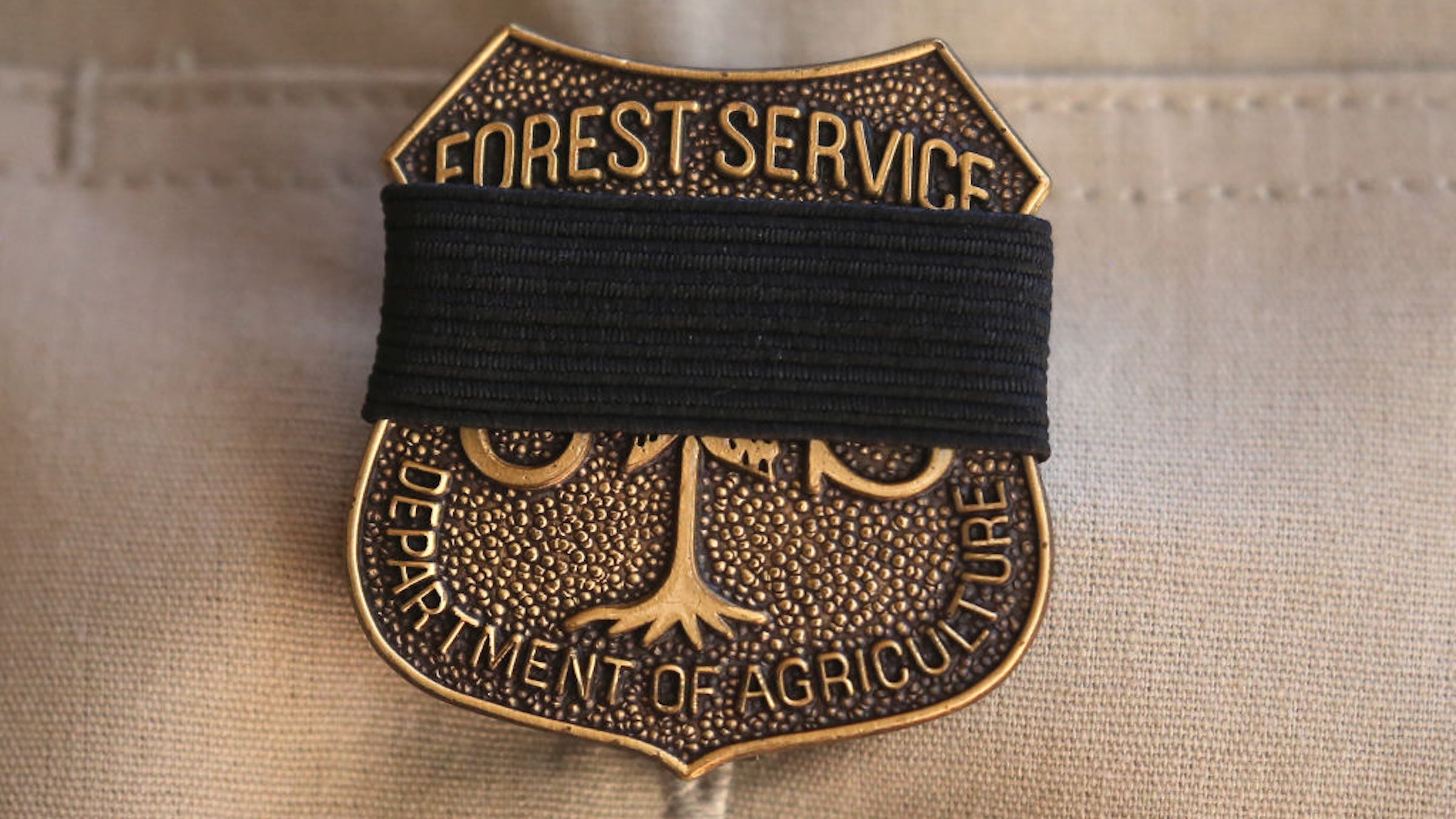
In their place, the agency will establish state-level offices. According to a memo released by the USFS, this shift is intended to give field leaders greater autonomy and allow for management strategies that are more closely aligned with state-level priorities. Forest Service Chief Tom Schultz characterized the move as a "structural reset" designed to improve mission delivery.
"Effective stewardship and active management are achieved on the ground, where forests and communities are found—not just behind a desk in the capital," Schultz stated in the official announcement. The administration argues that by moving the headquarters to Salt Lake City, the agency’s leadership will be physically closer to the vast majority of the lands it manages, which are predominantly located in the Western United States.
Chronology of Public Land Policy and Precedent
The current realignment does not exist in a vacuum but is the latest chapter in a long-running tension over federal land ownership. To understand the implications of the 2026 directive, it is necessary to examine the historical context of the USFS and recent administrative precedents.
1876–1905: The Formative Years
The federal government’s role in forestry began in 1876 when Congress created the office of Special Agent in the Department of Agriculture to assess the quality and condition of U.S. forests. This evolved into the Division of Forestry in 1881. The Forest Reserve Act of 1891 later authorized the President to set aside forest reserves. In 1905, President Theodore Roosevelt signed the Transfer Act, moving the forest reserves from the General Land Office to the Bureau of Forestry, officially creating the U.S. Forest Service with Gifford Pinchot as its first Chief.
1970s: The Sagebrush Rebellion
The choice of Salt Lake City as the new headquarters is deeply symbolic. In the late 1970s, Utah was the epicenter of the "Sagebrush Rebellion," a movement among Western politicians and land users who sought to have federal lands transferred to state or private control. The movement argued that federal management stifled local economies, particularly in sectors like grazing, mining, and timber.
2019: The BLM Relocation
The 2026 Forest Service move mirrors a similar action taken during the first Trump Administration. In 2019, the Bureau of Land Management (BLM) headquarters was moved from Washington, D.C., to Grand Junction, Colorado. Analysis following that move revealed that nearly 90% of the affected employees chose to resign or retire rather than relocate, resulting in a massive loss of institutional knowledge. The Biden Administration eventually reversed the move in 2021, though many experts argue the agency’s capacity took years to recover.
2025: Legislative Groundwork
Leading up to the March 2026 announcement, Utah Senator Mike Lee introduced legislative proposals aimed at reducing the federal footprint. His 2025 proposal suggested the sale of approximately 3 million acres of USFS and BLM land by 2030 to address housing and economic needs, a move that critics viewed as a precursor to the current agency dismantling.
Data and Scale: The 193-Million-Acre Mandate
The Forest Service is unique among federal agencies because of its "multi-use" mandate. Unlike the National Park Service, which focuses primarily on preservation and recreation, the USFS is legally required to balance five primary uses: outdoor recreation, range (grazing), timber, watershed health, and wildlife habitat.
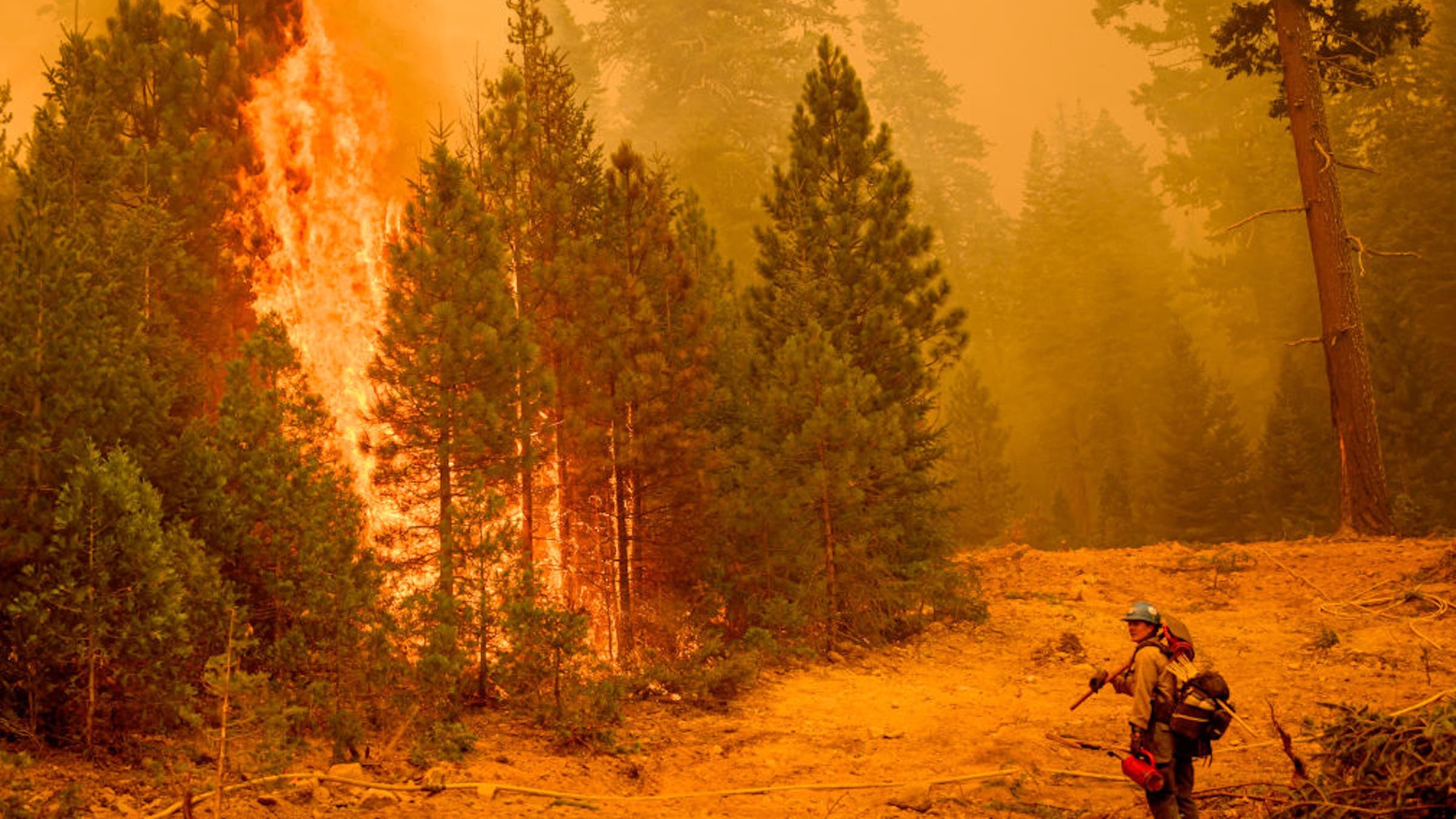
The scale of the agency’s responsibility is immense:
- Land Mass: 193 million acres across 154 national forests and 20 grasslands.
- Economic Impact: National forest recreation contributes more than $13 billion annually to the U.S. GDP and supports approximately 190,000 jobs.
- Resources: The USFS manages roughly 20% of the nation’s clean water supply, originating from headwaters on forest lands.
- Infrastructure: The agency maintains over 150,000 miles of trails and thousands of developed campgrounds.
Critics of the relocation argue that moving the headquarters and eliminating regional offices will prioritize extractive industries—such as logging and mining—over conservation and recreation. Tania Lown-Hecht of the Outdoor Alliance noted that a state-led structure often makes the agency more susceptible to local political pressure for development, which could lead to "clearcuts through favorite trails" and reduced access for the public.
The Scientific Impact: Closing the Research Stations
One of the most controversial aspects of the March 31 announcement is the plan to shutter a significant portion of the Forest Service’s research division. For over a century, the USFS has operated a network of research stations and experimental forests that provide data on everything from wildfire behavior to invasive species and carbon sequestration.
Chandra Rosenthal, an advocate with Public Employees for Environmental Responsibility (PEER), warned that closing approximately 60 specialized research stations from Alaska to Florida would cripple the nation’s ability to combat climate change. "Not all forests are the same," Rosenthal noted. "The Forest Service is weakening its ability to understand forest diversity by eliminating research looking at local forest conditions."
The loss of these stations could have immediate practical consequences. USFS researchers provide the data used to predict wildfire spread and intensity. Without localized science, critics argue that the agency will be forced into a "one-size-fits-all" approach that may not account for the unique ecological needs of the Florida Everglades versus the temperate rainforests of the Pacific Northwest.
Official Responses and Political Reactions
The reaction to the move has been sharply divided along partisan and ideological lines. Proponents of the move, including several Western governors and industry groups, have lauded the decision as a victory for "local control."
In a statement following the announcement, supporters argued that the Washington-based leadership had grown "out of touch" with the realities of Western land management, particularly regarding wildfire mitigation and timber harvesting. They contend that the state-based model will allow for faster decision-making and more effective partnerships with state forestry departments.
Conversely, conservation groups and former agency leaders have expressed alarm. Tracy Stone-Manning, the president of The Wilderness Society and former director of the BLM, told Outside that the move is a "strategic step toward shredding federal land protections."
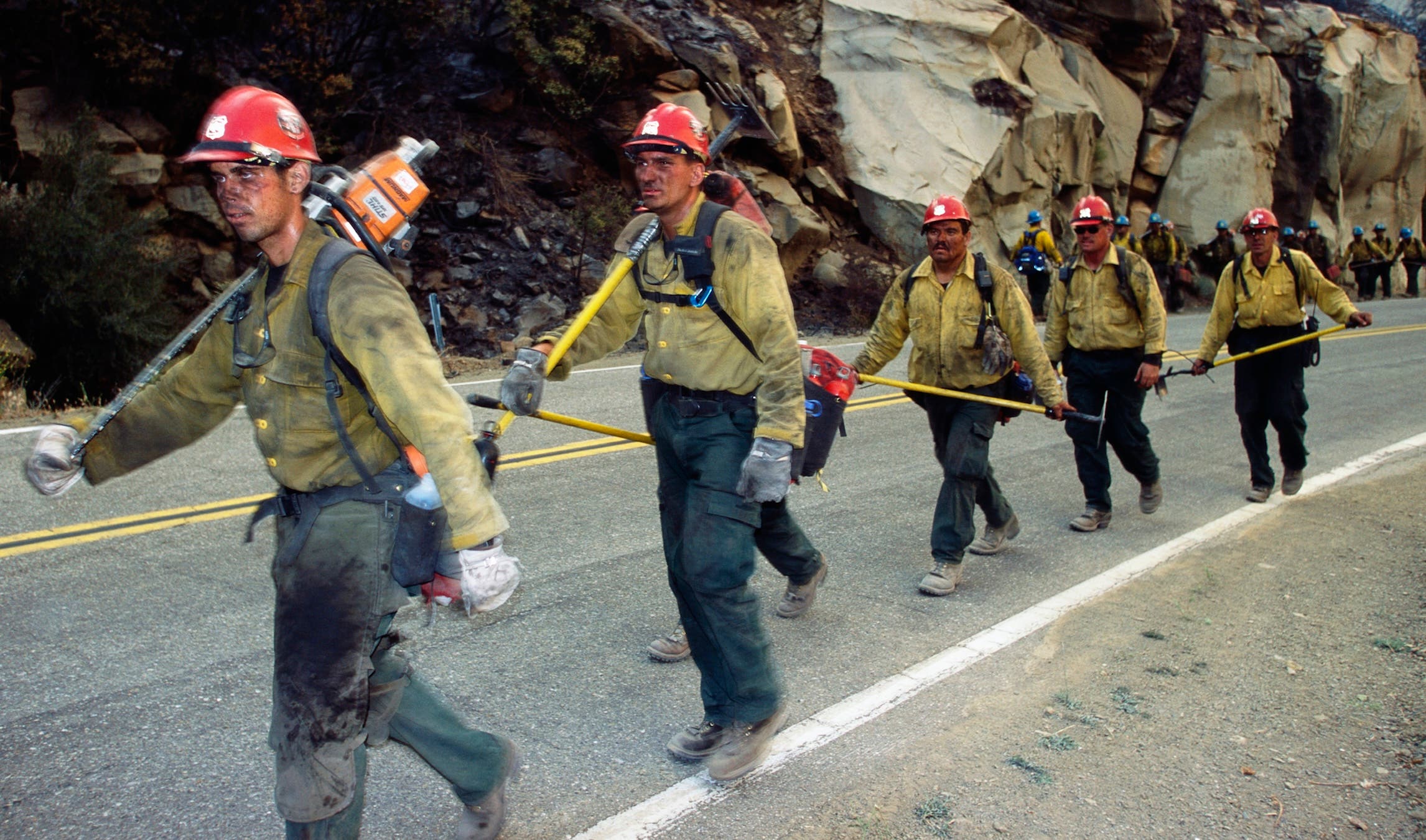
"When you drive out staff, disrupt leadership, and strip away expertise, you get less stewardship on the ground," Stone-Manning said. She emphasized that the timing is particularly precarious, as the agency should be preparing for a potentially record-breaking wildfire season rather than managing a cross-country relocation.
Broader Implications and Future Outlook
The relocation of the USFS headquarters to Salt Lake City and the shift to a state-centric model may signal a permanent change in how the American West is governed. Analysts suggest several potential long-term outcomes:
- Brain Drain: As seen with the 2019 BLM move, the Forest Service faces a high probability of losing senior specialists in policy, law, and science who are unable or unwilling to move to Utah.
- Increased Litigation: A move toward more extractive management could lead to a surge in lawsuits from environmental groups, potentially stalling forest projects for years.
- Wildfire Risk: With a disrupted chain of command and reduced research capacity, the agency’s ability to coordinate large-scale, multi-state wildfire responses may be compromised.
- Precedent for Other Agencies: If the USFS relocation is deemed successful by the administration, other agencies with significant Western holdings, such as the U.S. Fish and Wildlife Service, could face similar restructuring orders.
As the Forest Service begins its transition to Salt Lake City, the 193 million acres it oversees remain in a state of flux. For the millions of Americans who rely on these lands for their livelihoods, their water, and their recreation, the "structural reset" of 2026 represents a high-stakes gamble on the future of the American commons. Whether this move results in the "nimble and efficient" agency promised by Chief Schultz or the "failed agency" feared by conservationists will likely be determined by how many personnel—and how much expertise—survive the journey west.



 Chandra Hamzah
 Gabriela Annisa
 Tatiana Tantri Indah Sari
 Budi Mulyono