
 Anjar Salim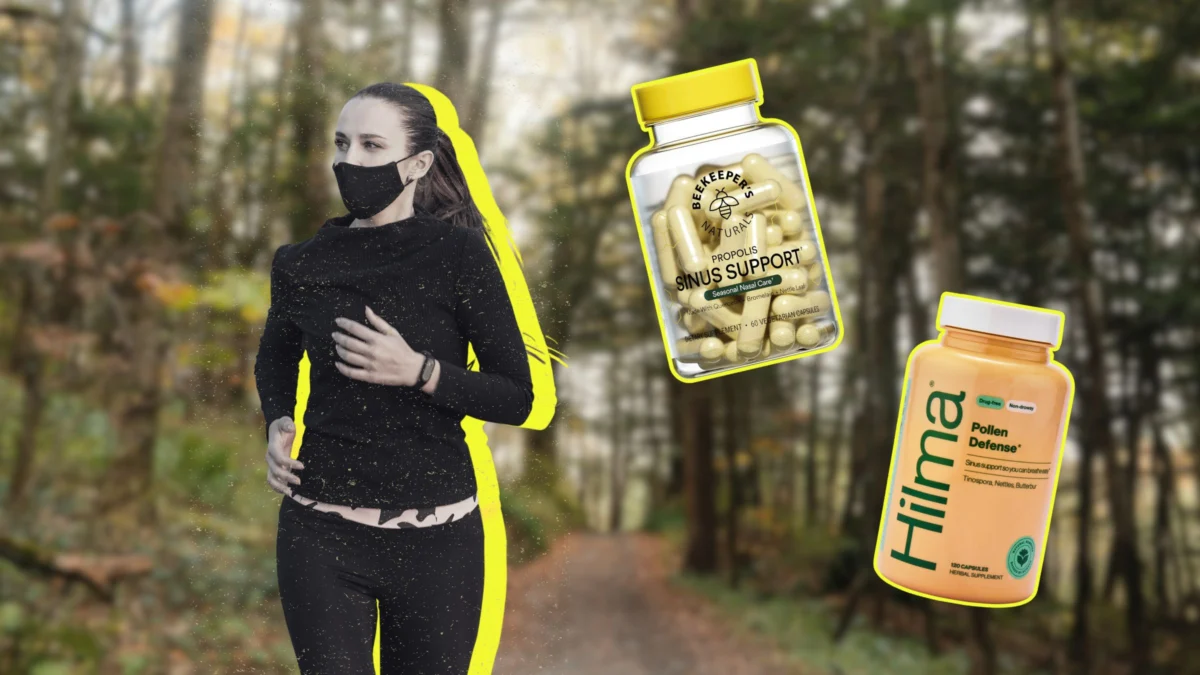
As the spring of 2026 brings record-breaking pollen counts across North America, millions of Americans are finding themselves caught in a cycle of respiratory distress, watery eyes, and persistent fatigue. For distance runners and outdoor enthusiasts, the challenge is particularly acute, as the physical demand of outdoor activity necessitates deep inhalation of air often saturated with environmental allergens. Recent data from the Centers for Disease Control and Prevention (CDC) indicates that more than one in four Americans—approximately 25.7 percent of the adult population—now suffer from seasonal allergies, a figure that has seen a steady incline over the last decade.
The intensification of allergy symptoms is not a localized phenomenon but a direct consequence of broader atmospheric changes. Research published in the Proceedings of the National Academy of Sciences (PNAS) highlights a troubling trend: between 1990 and 2018, the North American pollen season lengthened by approximately 20 days. Furthermore, pollen concentrations increased by about 21 percent during that same period. Scientists attribute this shift to rising atmospheric carbon dioxide (CO2) levels, which act as a fertilizer for many plants that trigger allergic reactions, such as ragweed and various grass species. As CO2 levels continue to climb due to climate change, plants are producing more pollen earlier in the year and maintaining production for longer durations, effectively trapping allergy sufferers in a state of chronic inflammation.
In response to this growing health crisis, a significant portion of the population has moved beyond traditional over-the-counter (OTC) medications. A 2025 YouGov survey revealed that while 38 percent of adults rely on standard pharmaceuticals, a burgeoning segment of the market is turning toward herbal supplements and "functional" remedies. This shift is often driven by a desire to avoid the side effects of traditional antihistamines—such as drowsiness or dry mouth—or by the perceived inadequacy of standard treatments like corticosteroid nasal sprays. However, this transition into the world of supplements introduces a complex landscape of unregulated products and unproven claims, as the Food and Drug Administration (FDA) does not regulate supplements with the same rigor as OTC or prescription drugs.
A Comparative Analysis of Four Leading Allergy Supplements
To understand the practical impact of alternative remedies, a month-long qualitative assessment was conducted involving four prominent supplements: Erha Herbal Rx for Allergies, Hilma Pollen Defense, Beekeeper’s Naturals Sinus Support, and Pure Encapsulations Aller-Essentials. This testing period coincided with high-pollen intervals, providing a rigorous environment for evaluating the efficacy of these products in a real-world setting.
Erha Herbal Rx for Allergies: The Functional Beverage Approach
The first week of testing focused on Erha’s Herbal Rx, a functional beverage marketed as a "supportive" tool for the body’s allergen response. The product utilizes a blend of acerola—a cherry-like fruit exceptionally high in Vitamin C—and quercetin, a plant-derived flavonoid known for its antioxidant and anti-inflammatory properties. Quercetin is frequently cited in preclinical studies for its ability to stabilize mast cells, which are responsible for releasing histamine during an allergic reaction.
The testing protocol involved daily consumption of an 8.4-ounce chilled can. On days of peak pollen counts, the supplement showed limited initial efficacy, with ocular symptoms persisting. However, as the week progressed and the supplement cumulative effect potentially took hold, there was a noticeable reduction in congestion. By the seventh day, symptoms were negligible despite moderate pollen levels. The findings suggest that while functional beverages may offer a convenient delivery system, their impact may be more gradual than immediate-acting pharmaceuticals.
Hilma Pollen Defense: Botanical Sinus Support
The second week introduced Hilma Pollen Defense, a capsule-based supplement featuring nettle, tinospora, and butterbur. Butterbur (Petasites hybridus) is one of the few herbal ingredients with some supporting evidence in clinical literature; some studies suggest it may be as effective as certain antihistamines for treating hay fever, though large-scale replication is lacking.
The administration of two large capsules daily yielded a slow start. For the first 72 hours, symptoms remained consistent with the baseline. However, a significant shift occurred on day four. Even during a high-pollen event, the subject reported a complete absence of symptoms, a state that persisted through the end of the week. One notable drawback identified during this phase was the lack of childproof packaging and a strong botanical odor, which may deter some consumers.
Beekeeper’s Naturals Sinus Support: Propolis and Histamine Regulation
Week three focused on Beekeeper’s Naturals, which leverages propolis—a resinous substance produced by bees—alongside bromelain and quercetin. Bromelain, an enzyme extracted from pineapples, is traditionally used to reduce swelling in the nasal passages.
The results for this supplement were consistent but partial. Throughout the seven-day period, the subject experienced a reduction in the severity of symptoms, but not a total elimination. A "baseline" of mild stuffiness and watery eyes remained. Interestingly, the subject reported feeling "good" consistently for all seven days, suggesting that while the supplement did not cure the allergy, it effectively managed the inflammatory "peak" often associated with outdoor activity.
Pure Encapsulations Aller-Essentials: The Comprehensive Formula
The final week tested Pure Encapsulations Aller-Essentials, a professional-grade supplement containing Vitamin C, tinospora, dried yeast, and hesperidin methyl chalcone. Hesperidin is a citrus bioflavonoid often used to support vascular health and reduce inflammation.
This supplement proved to be the most effective in terms of symptom suppression. Following an initial period of mild acid reflux—a potential side effect of the concentrated citrus extracts—the subject reported six consecutive days of being symptom-free. This occurred during a period of fluctuating pollen counts, indicating a robust level of protection.
The Medical Perspective: Skepticism and Safety Concerns
Despite the positive qualitative results from individual trials, the medical community remains largely cautious regarding the widespread adoption of allergy supplements. The primary concern among allergists and toxicologists is the lack of standardized, peer-reviewed clinical data.
Dr. Alan D. Workman, a sinus surgeon and assistant professor at Harvard Medical School, emphasizes that "natural" does not necessarily mean "proven." While he does not categorically object to patients using low-risk supplements, he stresses that they should be viewed as adjuncts to standard care rather than replacements. "Butterbur and spirulina each have a small randomized trial that shows symptom relief, but these small trials are often not replicated," Workman noted, highlighting the reproducibility crisis in supplement research.
Jamie Alan, an associate professor of pharmacology and toxicology at Michigan State University, echoes this sentiment. According to Alan, preclinical data—studies conducted in labs or on animal models—often do not translate to human efficacy. She maintains that until more rigorous clinical data is available, conventional treatments like antihistamines and corticosteroid nasal sprays remain the gold standard for safety and reliability.
Furthermore, there is the significant risk of drug-supplement interactions. Dr. Kelly Johnson-Arbor, a toxicologist at MedStar Health, warns that ingredients like quercetin and bromelain can interfere with the efficacy of blood thinners and other essential medications. Because the supplement industry is not subject to the same labeling requirements as pharmaceuticals, consumers may be unaware of these risks until an adverse event occurs.
The Regulatory Gap and Public Health Implications
The rise in supplement use highlights a significant regulatory gap in the United States. Under the Dietary Supplement Health and Education Act of 1994 (DSHEA), supplements are categorized more like food than drugs. This means manufacturers are not required to prove a product is safe or effective before it hits the market. The FDA only intervenes after a product is proven to be harmful, a reactive rather than proactive approach to public health.
As the "allergy season" effectively becomes an "allergy year" in many parts of the country, the demand for relief is expected to drive the supplement market to new heights. This creates a lucrative environment for manufacturers but a "buyer beware" situation for consumers. The 2025 YouGov data suggests that the public is increasingly willing to experiment with their health in the absence of affordable or side-effect-free medical solutions.
Chronology of the Modern Allergy Crisis
- 1990–2018: Research identifies a 21% increase in pollen concentrations across North America.
- 2021: A landmark study in PNAS links rising CO2 levels to the lengthening of the allergy season by approximately three weeks.
- 2024: The allergy supplement market sees a double-digit growth spurt as consumers seek alternatives to traditional antihistamines.
- 2025: A YouGov survey finds that 38% of Americans use medication for allergies, with a growing percentage incorporating unregulated supplements.
- 2026 (Present): Record-high pollen counts prompt a renewed debate over the efficacy of herbal remedies versus FDA-regulated pharmaceuticals.
Conclusion: Navigating a Pollen-Heavy Future
For the distance runner or the casual walker, the reality of 2026 is one of increased environmental sensitivity. While individual trials of supplements like Pure Encapsulations or Hilma Pollen Defense may yield promising results, they are not a panacea. The subjective nature of allergy relief—compounded by the potential for a placebo effect—makes it difficult to draw definitive conclusions without more robust scientific backing.
The consensus among health professionals is clear: while supplements may offer a supplemental layer of comfort, they should be approached with a critical eye and in consultation with a medical professional. As climate change continues to alter the botanical landscape, the search for effective allergy relief will likely remain a central focus of both public health policy and individual wellness strategies. For now, the most effective approach appears to be a combination of traditional medicine, environmental awareness, and a cautious exploration of alternative therapies.




 Chandra Hamzah
 Tatiana Tantri Indah Sari
 Budi Mulyono
 Lukman Taruna Persada Ramadan