Gabriela Annisa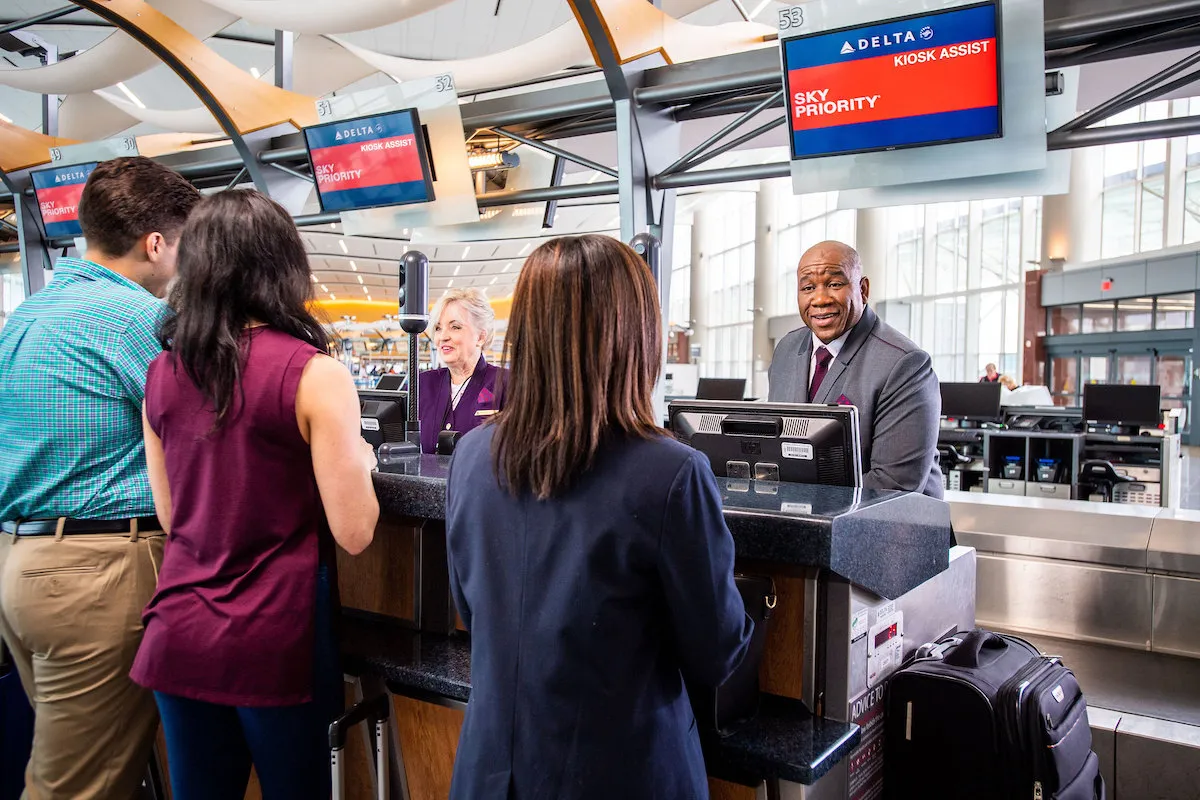
Atlanta-based Delta Air Lines has reported its first-quarter 2024 results, placing the spotlight squarely on the pervasive challenge of elevated fuel prices, a factor now reshaping strategic decisions across the aviation industry. Simultaneously, Southwest Airlines is navigating a profound transformation, moving away from its long-held unconventional model to align with evolving market demands and shareholder expectations. These developments underscore a pivotal moment for U.S. carriers, where robust consumer demand clashes with mounting operational costs and a renewed discussion around industry consolidation.
Delta Navigates Elevated Fuel Costs in Q1 2024
Delta Air Lines kicked off the earnings season for major U.S. carriers, presenting its January to March 2024 financial performance. The airline reported an operating margin of 5%, a figure that, while consistent with its performance in the same period over the last few years (also 5% in Q1 2023 and Q1 2022, and 4% in Q1 2021), belies the significant cost pressures encountered during the quarter. Delta announced operating revenue of $12.56 billion, an 8% increase year-over-year, with adjusted earnings per share reaching $0.45. However, the narrative was largely dominated by the dramatic surge in fuel costs, a volatile factor that intensified towards the latter part of the quarter.
Financial Highlights and Fuel Headwinds
The price of jet fuel, as tracked by the Airlines for America index, surged to an average of approximately $4.80 per gallon during the period. This represents a substantial increase compared to pre-spike averages, which were often below $3.00 per gallon in recent years. The geopolitical landscape, particularly conflicts in the Middle East, has injected considerable instability into global oil markets, leading to rapid price fluctuations. Delta’s management noted the extreme volatility, with CEO Ed Bastien remarking on the earnings call, "We woke up this morning with a very different set of fuel assumptions than when we went to bed," highlighting the unpredictable nature of the current environment.
Looking ahead, Delta anticipates that elevated fuel prices will continue to exert significant pressure on its profitability. The airline projects an additional $2 billion in fuel costs for the second quarter if current price levels hold. This is expected to depress its Q2 operating margin guidance to between 6% and 8%, a stark contrast to the 13% margin achieved in the second quarter of the previous year. This forecast underscores the profound impact of fuel expenditures on the airline’s bottom line, pushing it below historical norms for what is typically a strong travel season.
Resilient Demand and Premiumization Drive Revenue
Despite the cost headwinds, Delta’s leadership expressed a "decently positive" and "optimistic" tone regarding demand. A key theme emerging from the earnings call was the sustained strength of premium travel. Ed Bastien frequently referenced the "tippy top end of that K-shaped curve," noting that high-end consumers remain "immune to headlines" and continue to purchase tickets, fly business class, and plan international trips, particularly to Europe for the summer season. This demographic’s unwavering spending habits have been a crucial factor in propping up Delta’s revenue performance.
Beyond premium, the airline also reported an "inflection" in demand for its Main Cabin (economy) offerings, signaling a broader recovery across all segments. Revenue strength was observed across leisure and corporate travel, spanning various geographies, with the notable exceptions of Mexico Leisure and Europe point-of-sale markets, which have shown some weakness. Corporate travel, in particular, has seen a robust comeback, with key business hubs like New York, Los Angeles, Boston, and Seattle performing exceptionally well for the airline. This resurgence is attributed to strong corporate profits and continued business investment.
The broader U.S. economy, as analyzed by industry observers, is propelled by several powerful engines supporting consumer spending. These include massive AI investment by tech hyperscalers (estimated at $725 billion this year, up from $450 billion last year), a sustained wealth effect from appreciating asset prices (stocks and real estate), and substantial government deficit spending through military outlays, tax cuts, and infrastructure projects from the 2021 Infrastructure and Jobs Act. These macroeconomic tailwinds collectively contribute to the resilient travel demand observed by Delta.
Diversified Revenue Streams: TechOps and Refinery
Delta’s strategic advantages extend beyond passenger revenue. The airline highlighted the exceptional performance of its Maintenance, Repair, and Overhaul (MRO) division, Delta TechOps. This segment saw its revenue more than double year-over-year, accompanied by expanded margins. TechOps not only services Delta’s own fleet but also provides engineering and maintenance services to other operators, establishing itself as a powerful and growing profit engine that can provide stability during challenging times.
Furthermore, Delta’s ownership of an oil refinery, the Trainer refinery, offers a unique hedge against fuel price volatility. While the refinery pays market rates for crude oil, it also benefits from selling refined jet fuel and other products at elevated prices, potentially offsetting some of the increased costs. Although not a primary focus of the Q1 call, the refinery remains a strategic asset in Delta’s portfolio, contributing to its resilience in a volatile energy market.
The airline’s ongoing fleet modernization also plays into its premiumization strategy. New aircraft deliveries feature a significantly higher proportion of premium seats—up to 50% on some planes, compared to approximately 30% on older models they are replacing. This strategy allows Delta to capitalize on strong premium demand while simultaneously instilling capacity discipline, as premium cabins occupy more physical space, limiting the total number of seats per aircraft. This trend is consistent with other major carriers like United and American, who are also prioritizing premium offerings and exploring "basic business" fare options to segment their high-end customer base.
Industry-Wide Implications: The Specter of Consolidation
Ed Bastien’s reflections on the historical impact of high fuel prices served as a potent reminder of aviation’s cyclical nature. He asserted that "high fuel prices are the fastest catalytic factor for change at an industry level," leading to a critical juncture where airlines must either "improve, consolidate, or be eliminated." This statement, made during a period of intense cost pressure, reignited discussions about potential mergers and acquisitions within the U.S. airline sector.
M&A Landscape and Regulatory Shifts
The recent comments from Secretary of Transportation Pete Buttigieg, perceived as more favorable towards airline consolidation than previous administrations, have further fueled this speculation. While the Biden administration’s Department of Justice (DOJ) successfully blocked the JetBlue-Spirit merger, Secretary Buttigieg’s remarks suggest a nuanced approach, potentially indicating an openness to certain types of consolidation that could enhance competition or ensure airline viability in a high-cost environment. This shift is significant, as previous regulatory environments have often been cautious of further concentration among the "big four" carriers (American, Delta, United, Southwest), which collectively command a substantial majority of the domestic market share.
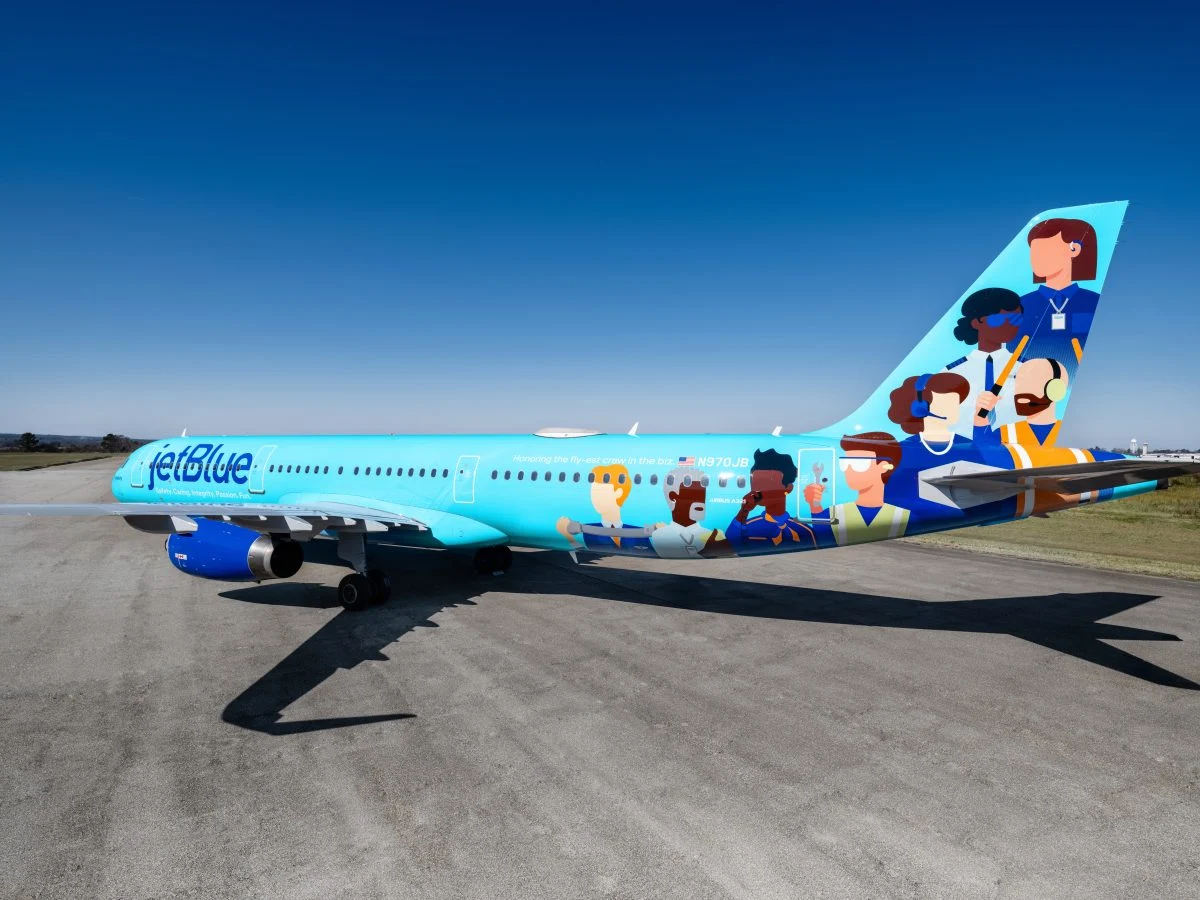
Industry analysts are now actively running scenarios for potential mergers, with JetBlue frequently cited as the most likely candidate for consolidation. JetBlue, having recently emerged from a period of strategic re-evaluation following its failed Spirit bid, is seen as vulnerable, having entered the current fuel crisis in a relatively distressed state compared to its larger rivals. Its strong presence in key Northeast markets like Boston and New York (JFK) makes it an attractive partner.
Historical Precedent and Future Outlook
The historical precedent for fuel-driven consolidation is compelling. The period between 2007 and 2008, marked by oil prices soaring above $100 a barrel, triggered a wave of mergers over the subsequent decade that reshaped the U.S. airline industry. The current environment, with jet fuel approaching $5 a gallon, presents a similar existential challenge, particularly for low-cost and ultra-low-cost carriers (ULCCs) like Spirit and Frontier, which operate on thinner margins and are more susceptible to cost shocks.
While a merger involving Delta itself is unlikely due to its already dominant market position and potential antitrust concerns, the airline stands to benefit from any industry-wide consolidation. As Bastien noted, Delta is entering this period of volatility from a position of strength, far removed from the weakened state of carriers during the COVID-19 pandemic, which he described as "a different animal."
The immediate future of airline M&A largely hinges on the sustained duration of elevated fuel prices. If high costs persist for an extended period, the economic pressure could become unbearable for some carriers, forcing them into bankruptcy, out of business, or into strategic partnerships. However, the resilience of consumer demand, particularly in the premium segment, provides a partial offset. The economy’s reduced oil intensity compared to the 2008 crisis also adds a layer of complexity, making predictions difficult.
Southwest’s Radical Reinvention: Balancing Heritage and Profitability
While Delta grapples with external economic forces, Southwest Airlines is undergoing an internal metamorphosis, embarking on what some observers are calling "Southwest 2.0." For decades, Southwest cultivated a unique identity as America’s "cult airline," known for its unconventional approach: open seating, a generous "two bags fly free" policy, and a direct-to-consumer sales model that shunned third-party distribution platforms. This model fostered intense customer loyalty but also limited its reach and appeal to certain segments of the flying public.
From "Cult" Status to Strategic Overhaul
The radical reinvention encompasses several significant departures from its long-standing traditions. Southwest is gradually implementing assigned boarding and assigned seats, moving away from the chaotic "cattle call" boarding process that defined its flights. The "two bags fly free" policy, a cornerstone of its customer-friendly image, has been subtly de-emphasized in certain fare classes, and perhaps most notably, Southwest fares are now available on major online travel agencies like Expedia and Google Flights, broadening its distribution network significantly.
These changes represent a fundamental shift in Southwest’s business model, aiming to enhance revenue generation and appeal to a wider customer base. The move to assigned seating, for instance, aligns the airline with industry norms, potentially reducing pre-boarding stress for many passengers.
Elliot Management’s Influence and Executive Shift
The primary catalyst for this dramatic overhaul has been the intervention of activist investor Elliot Management. Elliot’s involvement injected a sense of urgency into Southwest’s leadership, pushing for a strategic re-evaluation aimed at improving shareholder value and modernizing the airline’s approach. Prior to Elliot’s influence, Southwest executives, including CEO Bob Jordan, had often expressed hesitation about significant changes, with Jordan reportedly stating in 2023 that he viewed premium travel trends as cyclical rather than structural.
However, the activist pressure expedited the decision-making process, compelling the airline to "rip off the band-aid" and implement changes that might otherwise have been introduced more gradually, or not at all. Internally, this shift has undoubtedly presented cultural challenges for a company deeply rooted in the legacy of its founders, Herb Kelleher and Colleen Barrett, whose offices and tributes remain preserved at the Dallas headquarters. Despite this, the consensus among Southwest executives is that these changes are "necessary" for the airline’s long-term viability and competitiveness.
Customer Reception and Market Differentiation
Customer reactions to Southwest’s transformation have been, predictably, mixed. Long-time loyalists, who had mastered the intricacies of the old system (like setting alarms for check-in to secure good boarding groups), express feelings of alienation, questioning the value of their continued loyalty. Changes to the loyalty program and the introduction of a more restrictive "basic fare" (replacing the more generous "Wanna Get Away" fare) have been particular points of contention for these dedicated flyers.
Conversely, a significant portion of Southwest’s customer base, including new flyers and those who found the old system stressful, welcome the changes. Internal surveys conducted by Southwest reportedly indicate that 80% of customers favor assigned seating, suggesting a broader appetite for a more conventional flying experience. This polarization highlights the challenge Southwest faces in balancing its heritage with the demands of a diverse and evolving customer base.
Despite the changes, Southwest aims to retain its core differentiators. Executives emphasize the airline’s distinctive customer service and friendly corporate culture as unique strengths. Anecdotal evidence suggests Southwest flights still foster a more interactive and social environment among passengers. Furthermore, while some criticize the "extra legroom" seats for offering only marginal improvement, the standard economy seats are generally perceived as offering more space and comfort compared to many ULCCs.
Navigating the New Competitive Landscape
The question remains whether Southwest risks getting "stuck in the middle" between ultra-low-cost carriers and premium mainline airlines. However, Wall Street analysts currently project Southwest to be one of the carriers best positioned to weather the current economic uncertainties and high fuel prices, potentially even breaking even this year. This resilience is attributed to the positive impact of its recent changes on the carrier’s bottom line.
Southwest’s continued dominance in secondary airports like Dallas Love Field and Chicago Midway also provides a strategic advantage, allowing it to maintain strong market positions away from the direct competition of major hub airports. This unique network strategy, combined with its renowned operational efficiency and commitment to customer service, positions Southwest as an appealing option for travelers seeking a balance between affordability and a more pleasant flying experience, distinct from both the no-frills ULCCs and the higher-priced legacy carriers.
Broader Economic Currents and Airline Sector Resilience
The concurrent narratives of Delta’s cost management and Southwest’s strategic overhaul illustrate the dynamic and challenging environment for the airline industry. Strong consumer demand, particularly from affluent segments and a revitalized corporate travel market, continues to provide a robust revenue foundation. However, this demand is being tested by persistently high and volatile fuel prices, which are acting as a powerful inflationary force across the sector.
Macroeconomic Tailwinds
The underlying strength of the U.S. economy, fueled by significant investments in technology, sustained asset price appreciation, and substantial government spending, continues to drive consumer confidence and a willingness to spend on experiences like travel. This macroeconomic backdrop is crucial in explaining why airlines, despite facing unprecedented cost pressures, are still reporting strong revenue growth and generally positive outlooks for demand.
Looking Ahead
As the industry moves forward, the ability of airlines to effectively manage costs, adapt their business models, and innovate their product offerings will be paramount. The discussions around potential consolidation, driven by economic pressures and a shifting regulatory landscape, suggest that the U.S. airline industry may be on the cusp of another transformative period. Carriers like Delta, with diversified revenue streams and a strong premium focus, appear well-positioned, while others, particularly those with less robust financial footing, face a critical imperative to adapt or risk being left behind in a rapidly evolving market. The coming quarters will reveal the true extent of these shifts and the long-term implications for air travel.

 Chandra Hamzah
 Tatiana Tantri Indah Sari
 Budi Mulyono
 Anjar Salim