
 Chandra Hamzah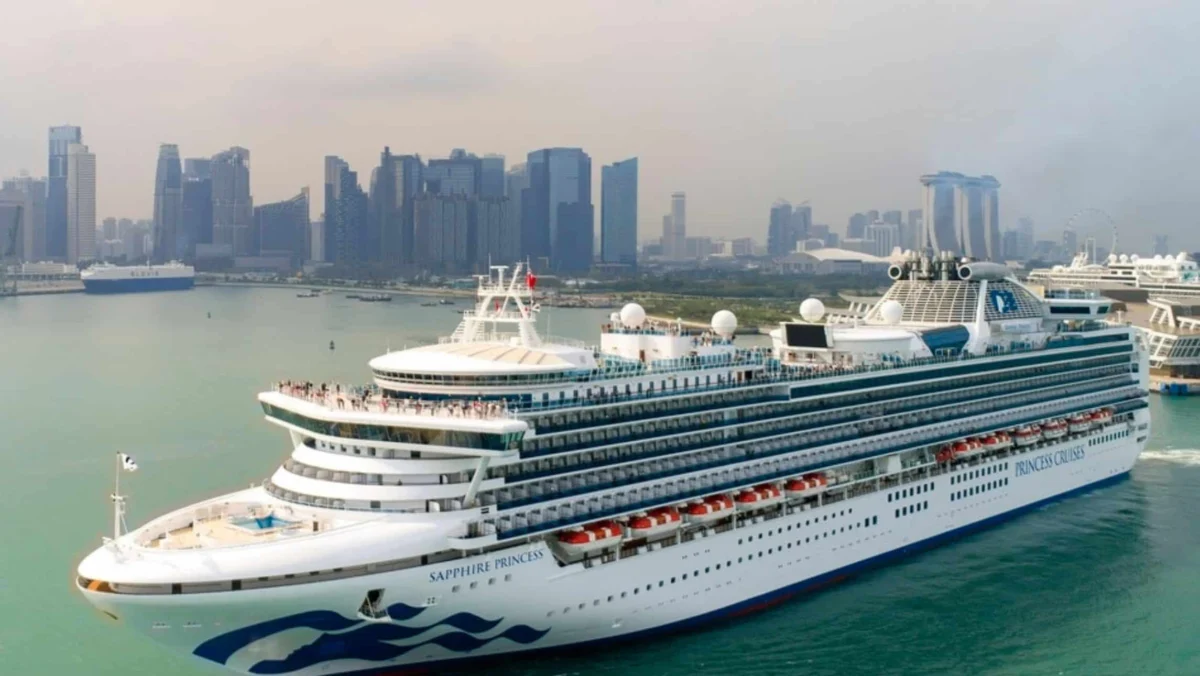
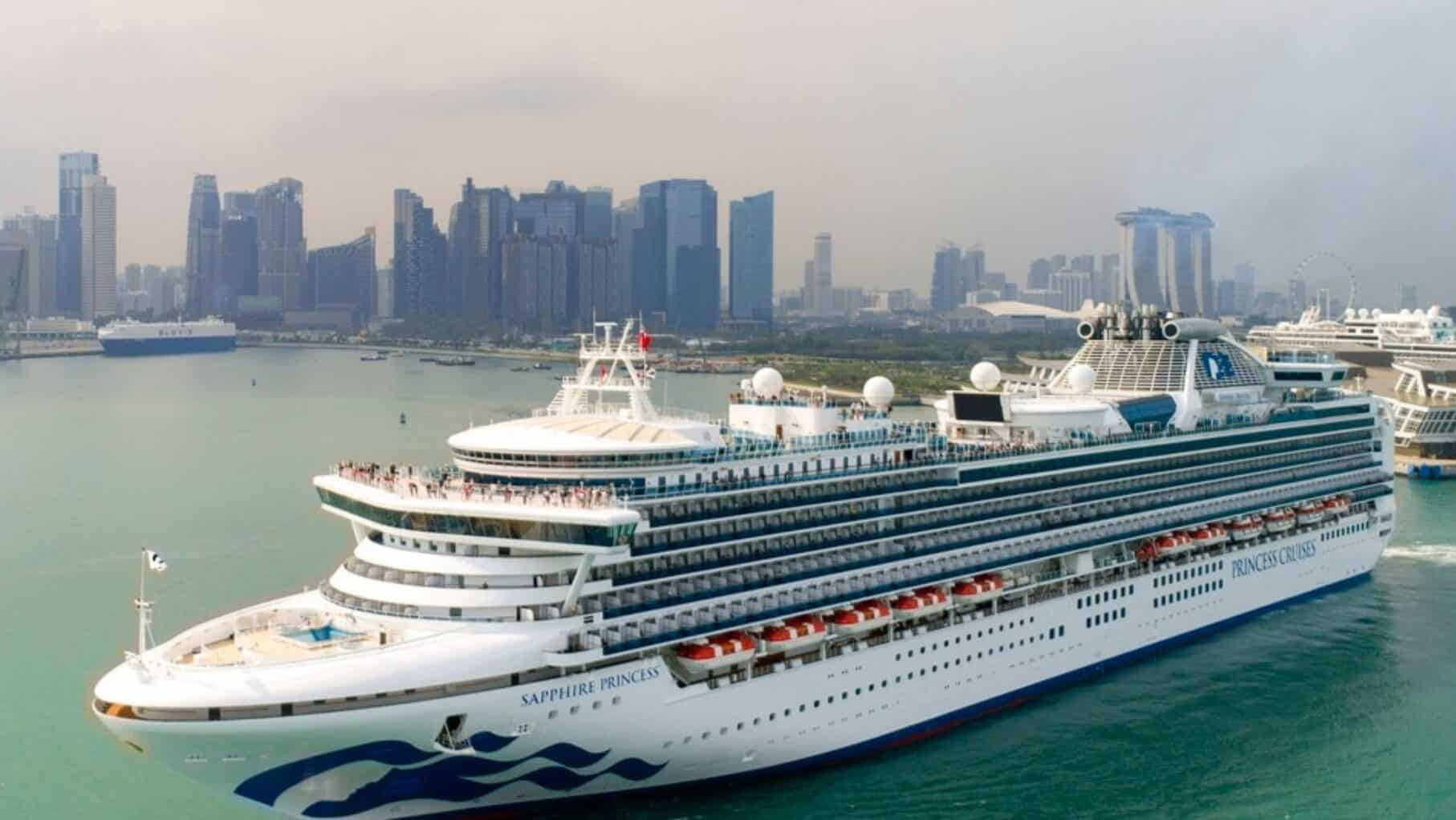
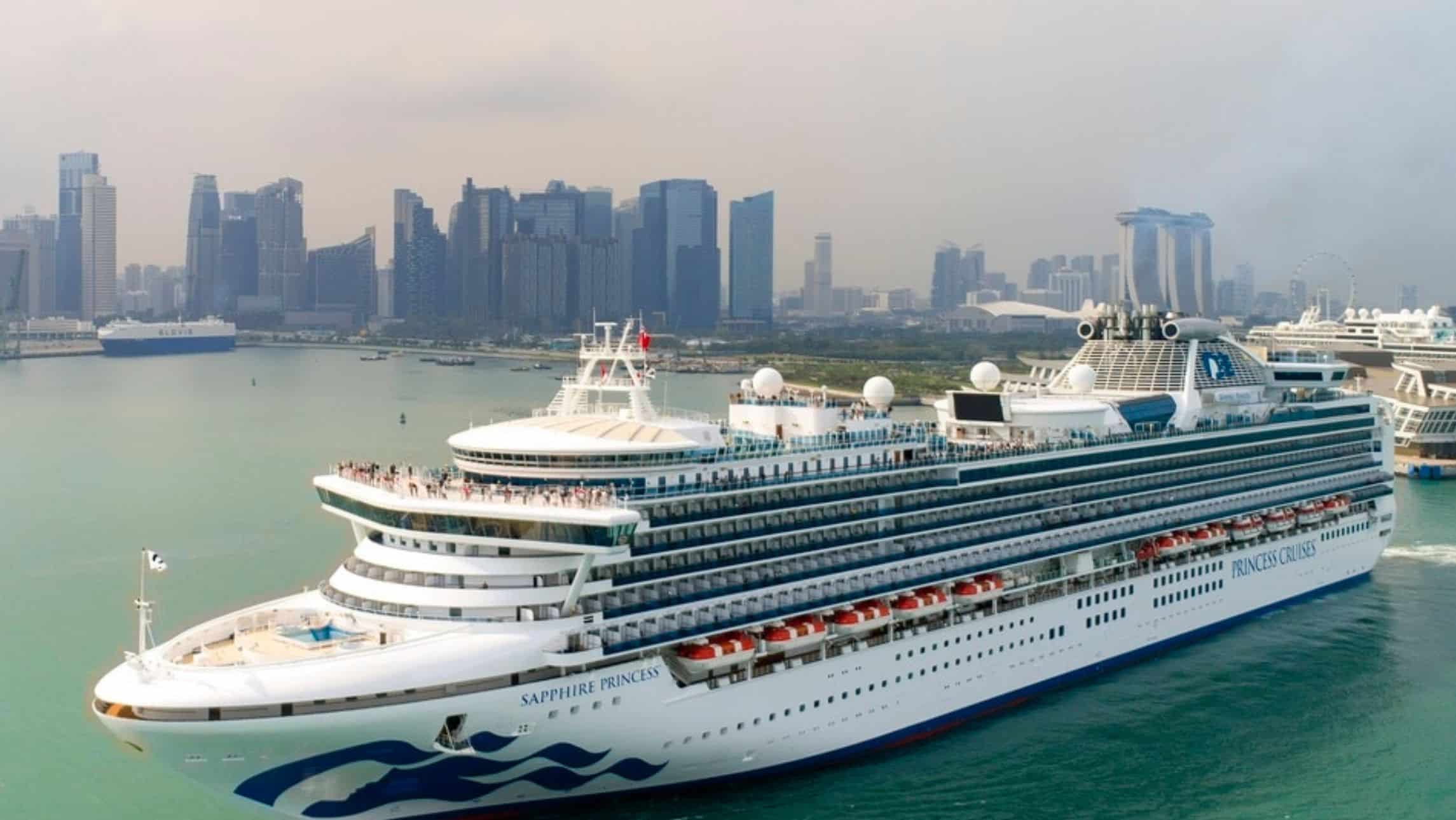
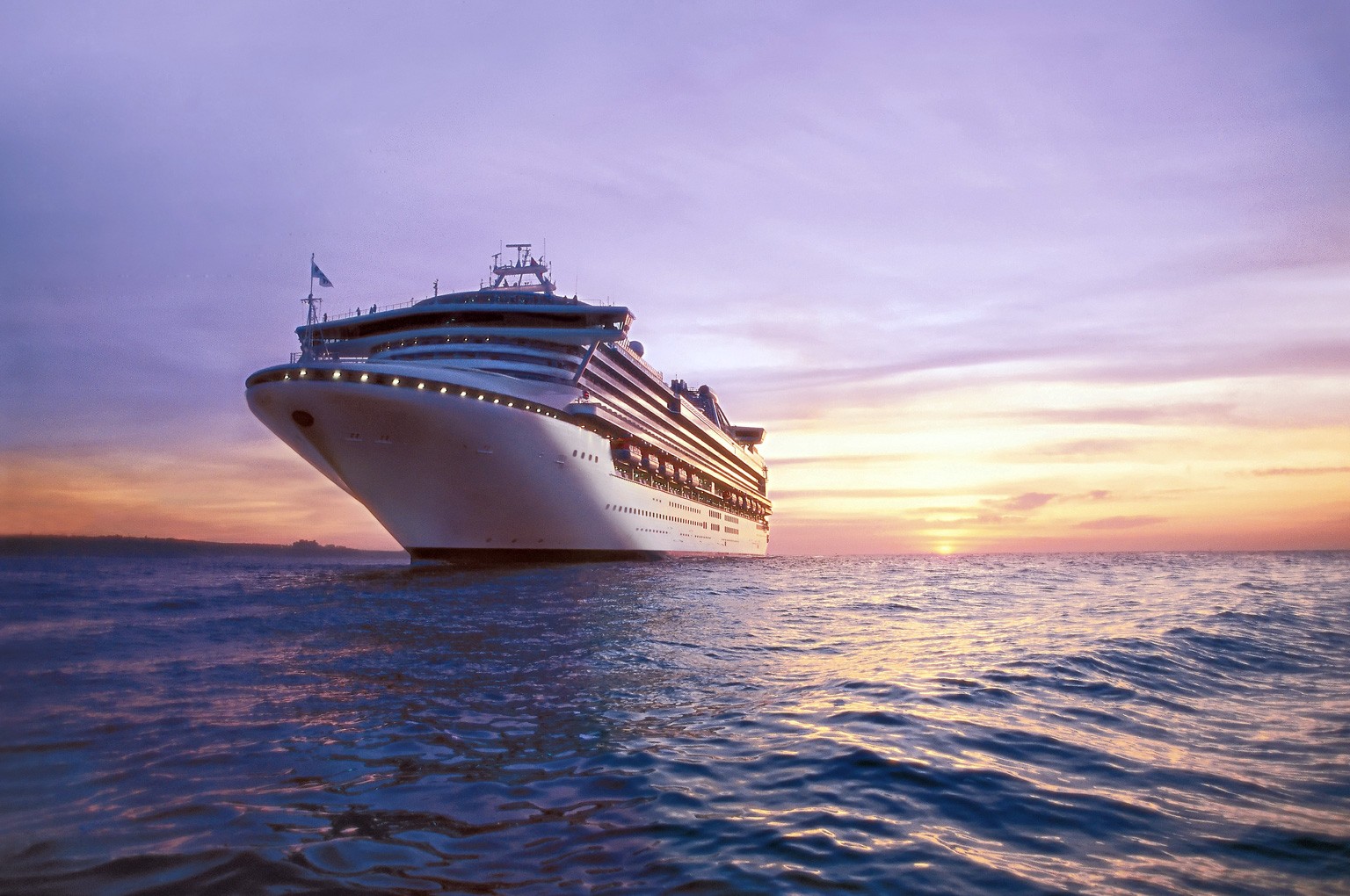
Since its maiden voyage in 2004, the Sapphire Princess has cemented its reputation as a cornerstone of the Princess Cruises fleet. Built by the esteemed Mitsubishi Heavy Industries in Nagasaki, Japan, the vessel represents a significant era of naval architecture, balancing traditional maritime grandeur with the evolving demands of 21st-century cruisers. With a gross tonnage of 115,875 and a capacity for 2,670 passengers, the ship has operated globally for over two decades, consistently maintaining a high standard of service and technical reliability. As the vessel prepares for a strategic redeployment to the Australian market for the 2027/2028 season, it remains a critical asset for Carnival Corporation & plc, reflecting the company’s long-term commitment to the Asia-Pacific region.
A Chronology of Maritime Service
The Sapphire Princess was commissioned at a cost of approximately USD 400 million, a massive investment at the time that yielded a vessel capable of reaching speeds of 22 knots. The ship’s christening, performed by Nancy Gore Murkowski, the former First Lady of Alaska, underscored its early focus on Northern Pacific and Alaskan itineraries. Over the following 22 years, the ship underwent several refits to ensure it met modern safety and environmental standards. The most recent refurbishment in 2025 served to modernize guest-facing amenities, ensuring that the ship remains competitive against newer, larger entrants in the cruise market. Its sister ship, the Diamond Princess, shares a similar lineage, both vessels having been designed to offer a classic, expansive layout that emphasizes passenger comfort and social flow.
Technical Specifications and Operational Data
The vessel is powered by a Wartsila engine suite delivering 75 MW of power, allowing for reliable long-haul transit across the Pacific and Mediterranean. Measuring 290 meters in length and 37 meters in width, the Sapphire Princess utilizes its 13 decks to accommodate 1,337 cabins. A notable feature of its design is the passenger-to-space ratio of 43, which remains a key metric for guest satisfaction. This figure ensures that despite a maximum occupancy exceeding 2,600, the ship rarely feels overcrowded, a critical factor for travelers seeking a more refined cruising experience. The vessel operates under the United Kingdom flag, with its home port registration in London, adhering to international maritime safety protocols enforced by the classification society and the flag state.

Strategic Redeployment: The Australian Market
The announcement that the Sapphire Princess will be homeporting out of Fremantle for the 2027/2028 season marks a significant shift in its operational geography. Industry analysts suggest that this move is a calculated effort by Princess Cruises to capture the growing demand for domestic and regional cruising in Western Australia. By positioning a ship of this stature in Fremantle, the operator aims to provide local travelers with access to high-end amenities that are typically reserved for international transit routes. This transition is expected to have a positive economic impact on local tourism, as the influx of passengers and crew necessitates increased port services, logistical support, and local supply chain engagement.
Culinary Infrastructure and Operational Efficiency
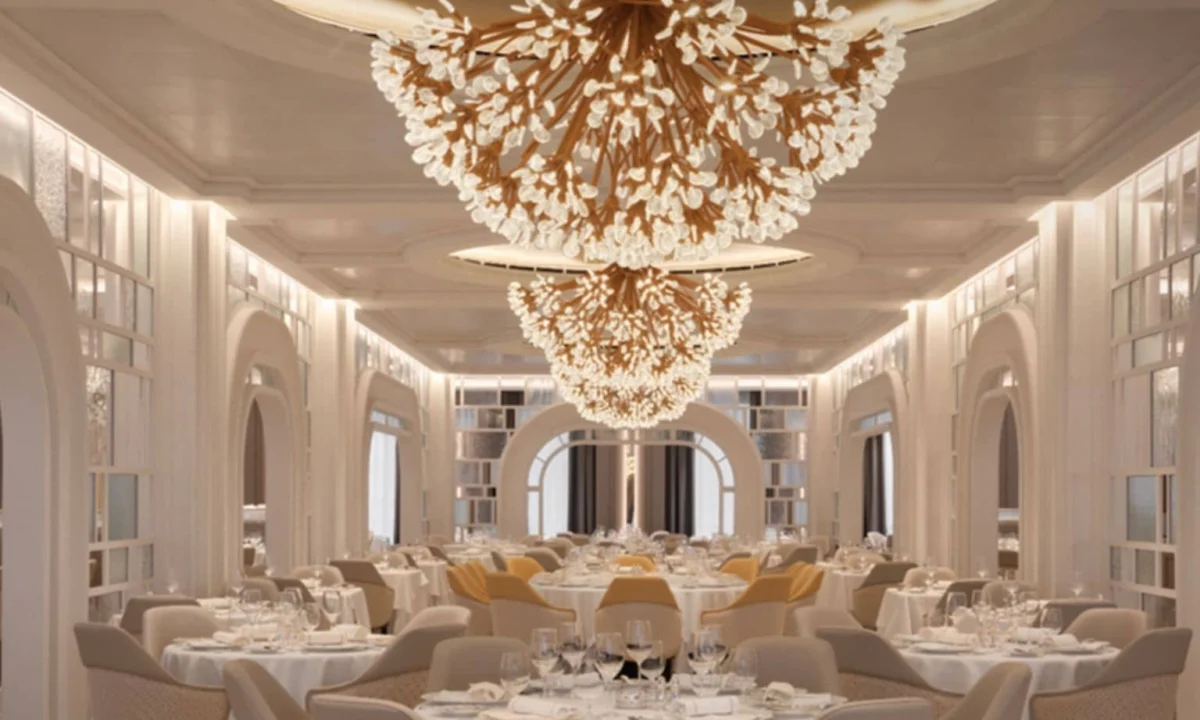
The onboard dining experience on the Sapphire Princess is designed to cater to diverse demographics, from families to long-term cruisers. The Main Dining Room remains the focal point of the ship’s culinary strategy, offering flexible, traditional, and walk-in dining options. The inclusion of the Reserve Collection Dining—a value-added tier for suite and mini-suite passengers—provides an exclusive, expedited service that mitigates the wait times often associated with large-scale ship operations.
Beyond the standard offerings, the integration of the World Fresh Marketplace and the Trident Grill reflects an operational model that prioritizes convenience without sacrificing quality. The recognition of Prego Pizzeria as providing the "Best Pizza at Sea" by various industry outlets highlights a commitment to specialized culinary branding, which functions as a key differentiator in a crowded market. The implementation of the OceanNow delivery system, which allows guests to order food and beverages to any location on the ship via a mobile app, demonstrates the vessel’s successful integration of digital technology to streamline service delivery and increase revenue through incidental sales.
Family and Lifestyle Programming
The ship’s programming is structured around three distinct age brackets, reflecting a comprehensive approach to family-friendly maritime travel. The "Just For Kids" programs, divided into 3-7 and 8-12 age groups, emphasize educational engagement through partnerships with the California Science Center, focusing on STEM-based activities such as rocket building and stargazing. For the 13-17 demographic, the focus shifts to social connectivity, with specialized lounges and curated activities that cater to the independence required by teenagers.
For the adult demographic, the ship offers a dichotomy of high-energy entertainment and serene relaxation. The Piazza, designed as a European-style central square, serves as the heart of the ship, hosting spontaneous performances and boutique shopping experiences. Conversely, the Sanctuary and the Lotus Spa provide high-margin, quiet-zone amenities that are essential for the modern luxury-oriented traveler. The "Best Spa on a Cruise Ship" designation for the Lotus Spa is not merely a marketing claim but a reflection of the intensive investment in health and wellness facilities, including thermal suites and advanced fitness programs like TRX suspension training.
Accommodations and Passenger Logistics
With 1,337 cabins, the Sapphire Princess provides a tiered lodging structure that addresses various budget requirements. The high percentage of balcony-equipped cabins—exceeding 700—is a deliberate design choice that aligns with current consumer trends favoring private, open-air space. The availability of connecting staterooms and two-bedroom family suites is a response to the growing segment of multi-generational travel, a market that has seen significant growth over the last decade.

The deck plan, which manages the movement of 2,670 guests and 1,100 crew, is optimized for efficiency. The placement of high-traffic areas such as the Princess Theater and the Casino is balanced against quieter zones like the Conservatory, ensuring that the ship’s internal flow minimizes congestion. This layout is a testament to the original engineering, which prioritized both operational utility and passenger experience.
Economic and Industry Implications
The continued operation of the Sapphire Princess into its third decade is evidence of the durability of mid-sized cruise vessels. While newer, mega-class ships dominate headlines with novel features, the Sapphire Princess remains a reliable performer for the Carnival Corporation. The cost of operating such a vessel is balanced by its established fan base and the efficiency of its proven systems. The decision to renovate rather than replace or retire the vessel suggests that Princess Cruises views the ship’s "easy elegance" as a unique selling point that appeals to traditionalists who may prefer a more intimate experience than that offered by newer, 5,000-passenger giants.

Furthermore, the ship’s ability to adapt to different itineraries—from the Mediterranean to the Asian market and, eventually, Australia—demonstrates operational versatility. By maintaining a high crew-to-passenger ratio, the ship ensures that service standards do not diminish with age. For prospective travelers, the Sapphire Princess represents a blend of proven reliability and modern luxury. As it prepares for its next chapter in Australian waters, the vessel remains a vital component of the global cruise fleet, reflecting a legacy of quality that continues to define the Princess Cruises brand. Whether for families, couples, or solo travelers, the ship offers a comprehensive suite of services that, while not all-inclusive, provides a customizable experience that remains at the forefront of the cruise industry.

 Gabriela Annisa
 Tatiana Tantri Indah Sari
 Walid Sujud Trenggono
 Budi Mulyono
 Lukman Taruna Persada Ramadan