
 Anjar Salim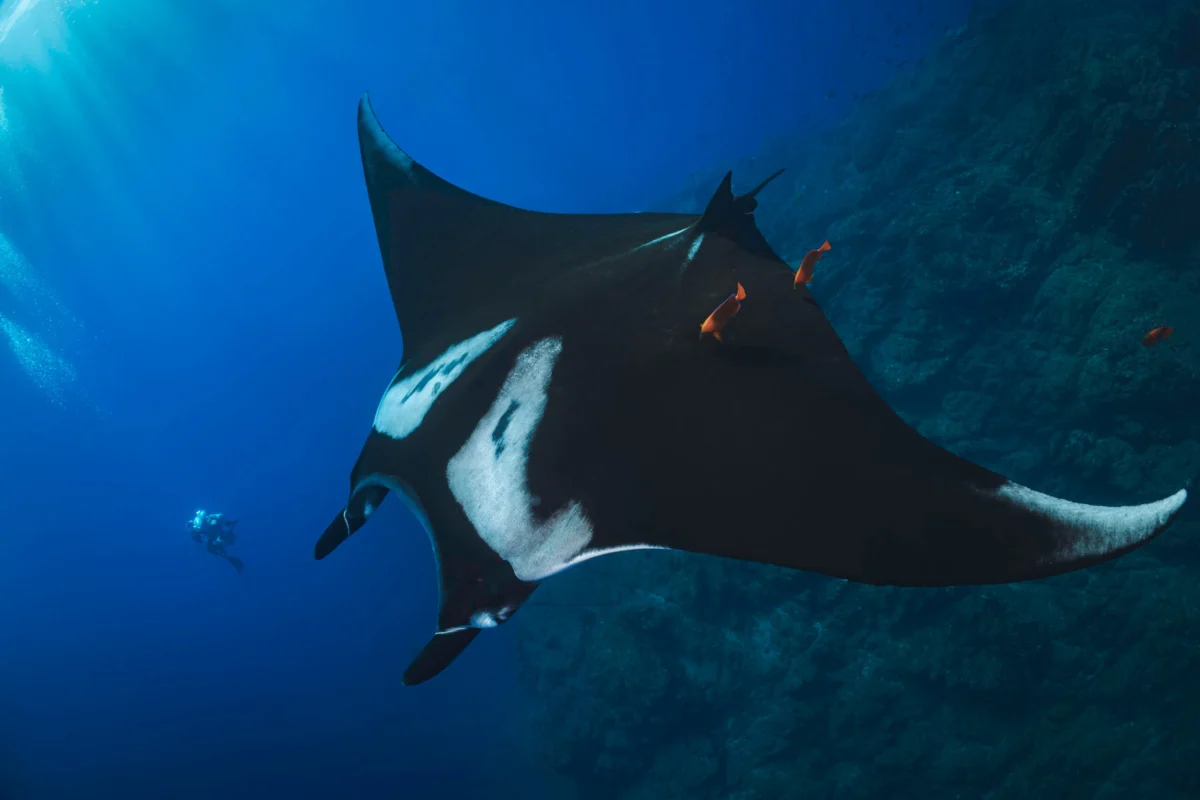
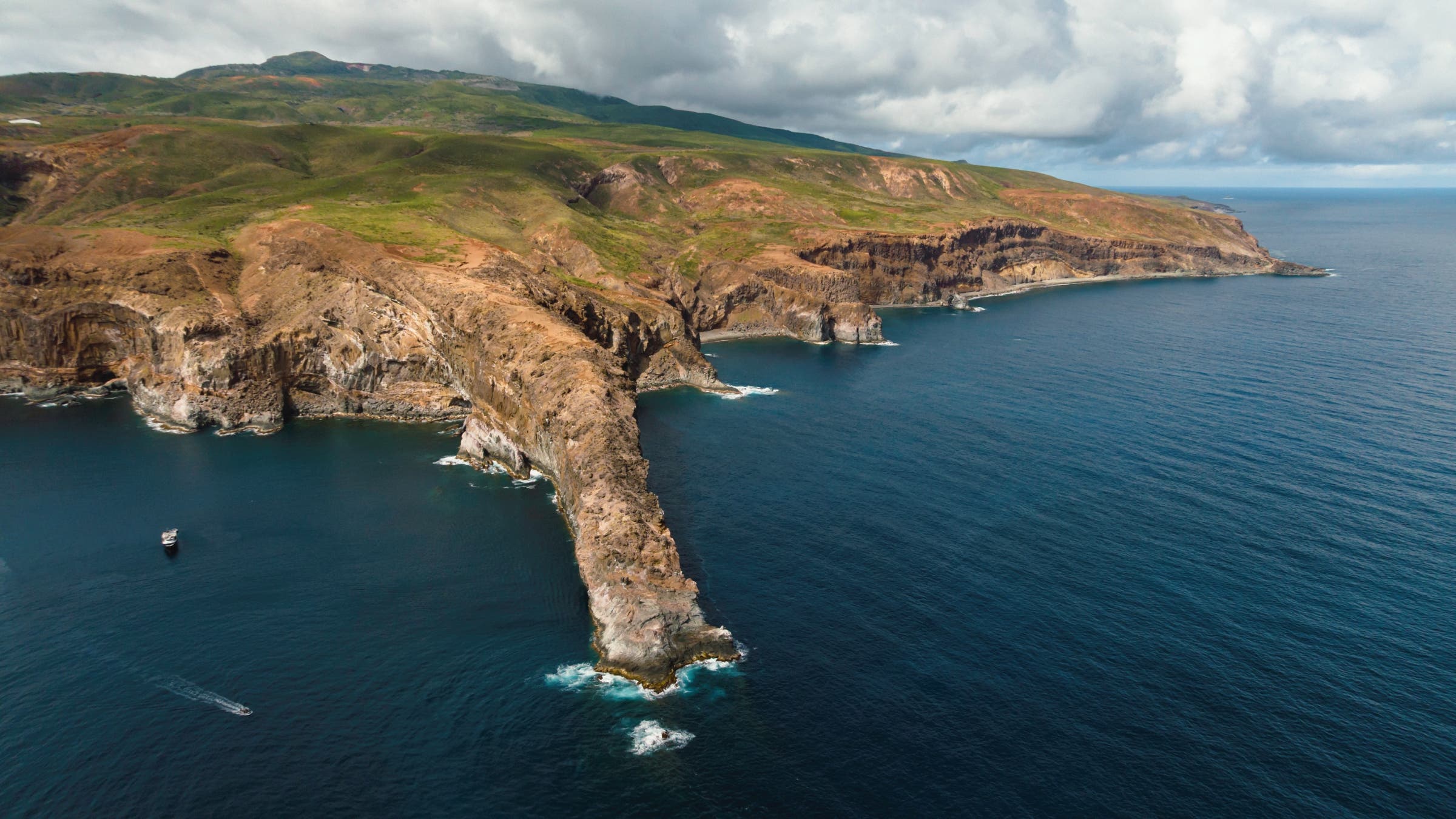
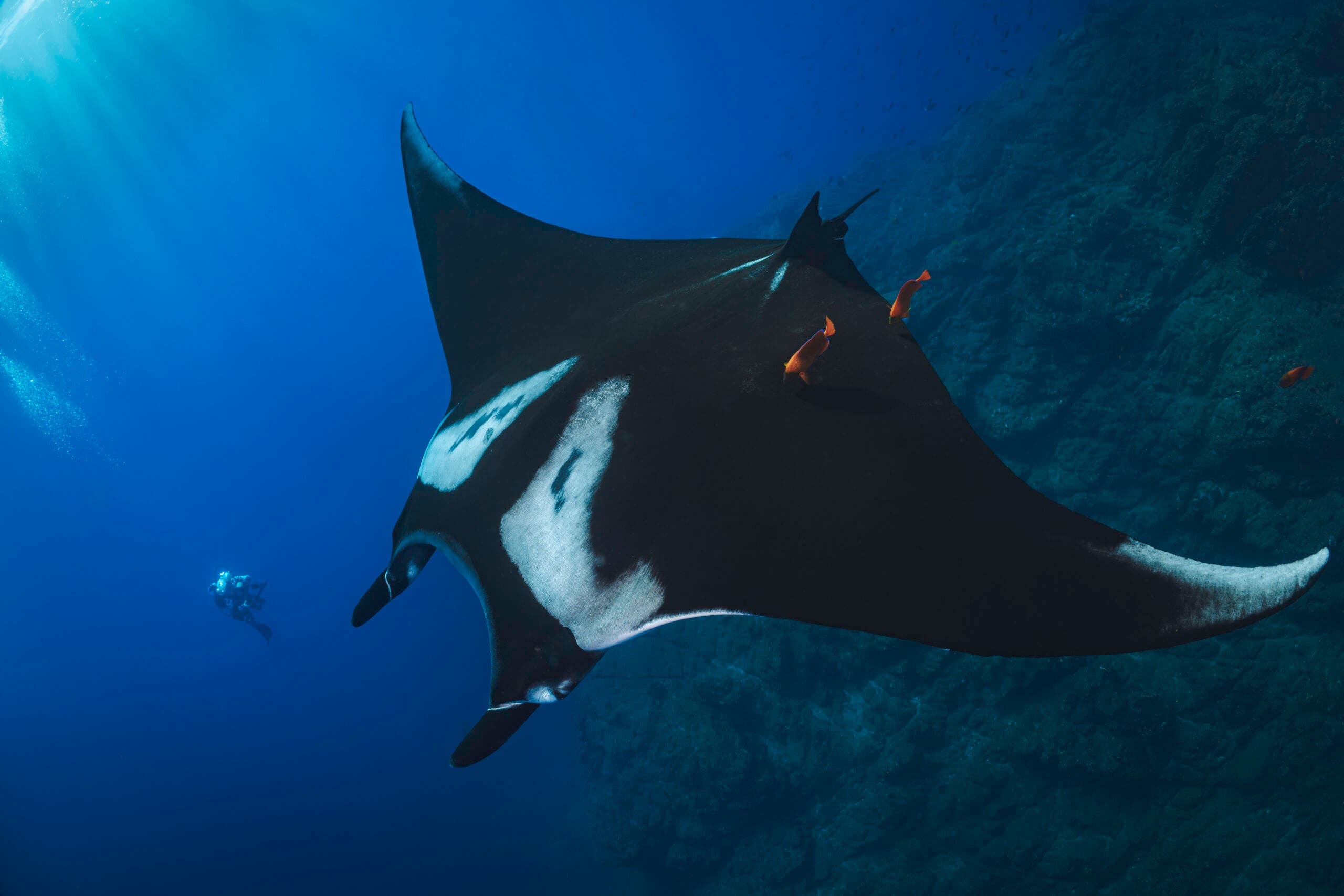
The Revillagigedo Archipelago, located 250 nautical miles south of the Baja California peninsula in Mexico, serves as one of the last true remote strongholds for pelagic marine life in the Pacific Ocean. Often designated by marine scientists as the "Galápagos of Mexico," this UNESCO World Heritage Site and North America’s largest fully protected marine reserve covers a vast expanse of ocean surrounding four volcanic islands: Socorro, Clarión, San Benedicto, and Roca Partida. Because the islands are entirely uninhabited by civilians—barring a small Mexican Navy base housing roughly 250 personnel and researchers—access is strictly limited to specialized liveaboard dive vessels. For travelers making the grueling 24-hour boat journey from Cabo San Lucas, the reward is an underwater ecosystem characterized by steep volcanic pinnacles, thriving hammerhead shark populations, migrating humpback whales, and a resident population of giant oceanic manta rays (Mobula birostris) renowned for their uniquely interactive behavior with human divers.
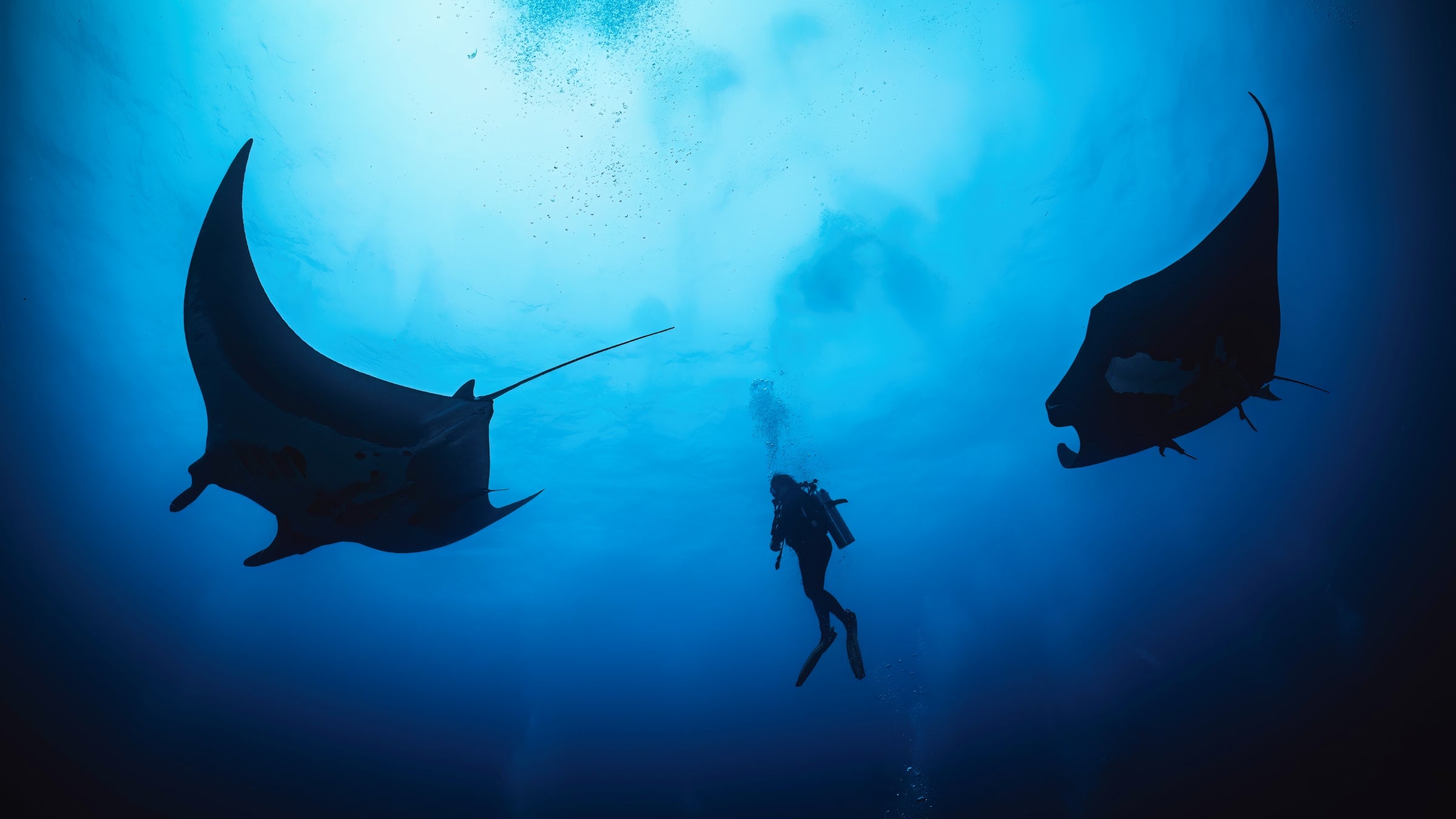
Recent expeditions to the archipelago highlight both the ecological significance of the protected area and the growing role of citizen science in tracking these vulnerable marine vertebrates. Diving deep into the nutrient-rich, plankton-dense waters of Socorro Island, visitors frequently encounter giant mantas sporting wingspans of up to 22 feet. Unlike marine wildlife in heavily fished or trafficked regions, the oceanic mantas of Revillagigedo routinely approach divers, hovering motionless for extended intervals and establishing direct, close-range eye contact. This distinct behavioral pattern has drawn researchers, conservationists, and underwater photographers from across the globe to study the intelligence and migratory habits of these majestic cartilaginous fish.
Research, Intelligence, and Citizen Science
Scientific literature confirms that Mobula birostris possesses the largest brain-to-body mass ratio of any fish species, alongside complex cognitive traits such as mirror self-recognition. Dr. Robert Rubin, a leading authority on Mexican oceanic mantas and founder of the Pacific Manta Research Group, has studied these animals in the region for over three decades, classifying them as sentient creatures worthy of rigorous international protection. Building on Dr. Rubin’s foundational research, expedition leaders like Jay Clue of Dive Ninja Expeditions have integrated citizen science directly into recreational dive itineraries.
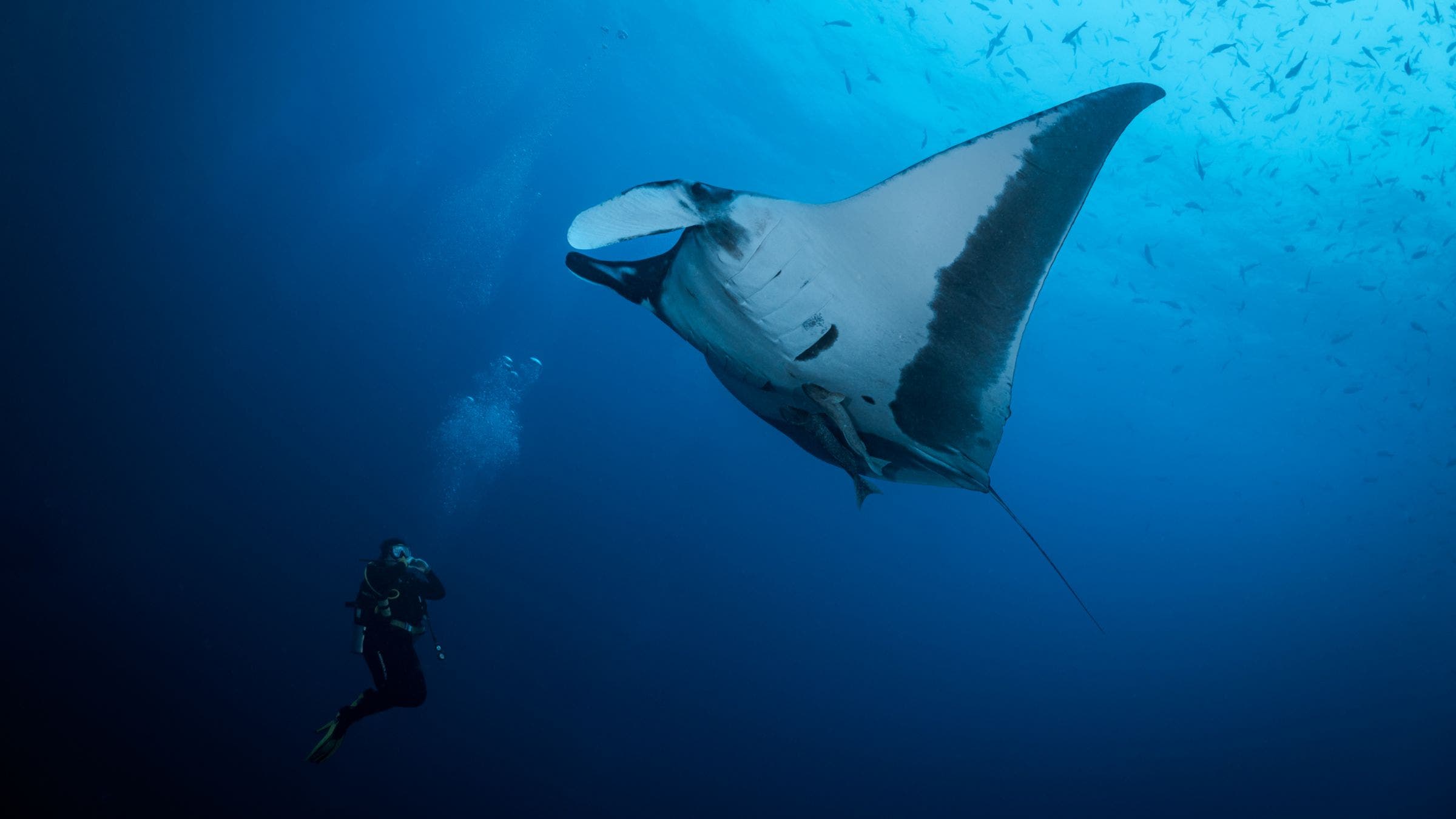
Participants on these liveaboard trips photograph the unique ventral (belly) spot patterns of the manta rays, which function like human fingerprints. These images are subsequently submitted to the Pacific Manta Research Group database. This crowdsourced data collection method allows marine biologists to monitor individual growth, track multi-decade migration paths, and catalogue population density. Long-term monitoring data indicates extraordinary site fidelity; photo-identification sets spanning up to 33 years show that roughly 95 percent of catalogued mantas make repeat appearances in the Revillagigedo waters across decades. Recent expeditions have successfully added dozens of new individual mantas to the active research registry, proving that recreational tourism, when properly managed, can actively advance marine conservation goals.
Economic Value, Conservation, and Policy Implications
The preservation of the Revillagigedo Archipelago as a marine protected area is inextricably linked to the economic engine of responsible ecotourism. Established as a UNESCO World Heritage Site in 2016 and expanded into North America’s largest fully protected marine reserve in 2017, the park prohibits commercial fishing and extraction across its expansive boundaries. However, conservationists emphasize that legal designations alone are insufficient without active enforcement and economic justification.
According to documentary filmmakers and conservation advocates, the establishment of the permanent fishing ban and subsequent naval enforcement along Revillagigedo gained significant political viability only after commercial liveaboard tourism demonstrated the long-term financial value of a living ecosystem. Filmmaker Cody Sheehy, director of the documentary The Last Dive, notes that the revenue and employment generated by dive tourism proved to the Mexican federal government that protecting the region’s pelagic species yielded greater sustainable economic returns than permitting commercial exploitation.
Despite the strict protections enforced within the national park boundaries, giant oceanic manta rays face persistent threats during their migratory journeys outside the reserve. Global pressures—including commercial longline fisheries, targeted harvesting in international waters, overtourism in mainland coastal regions, and fatal boat strikes—continue to threaten the species. The International Union for Conservation of Nature (IUCN) currently lists giant oceanic mantas as endangered, emphasizing the critical importance of marine corridors and expanded high-seas protections.
The Future of Remote Marine Sanctuaries
As global climate shifts alter ocean temperatures, plankton bloom distributions, and migratory pathways, monitoring programs within isolated reserves like Revillagigedo provide vital baseline data for marine ecologists. The integration of everyday divers into structured scientific data collection underscores a broader shift in modern marine conservation: bridging the gap between professional researchers and the public.
For the visitors who brave the challenging currents, deep descents, and lengthy sea voyages required to reach the archipelago, the experience transcends traditional wildlife tourism. Encounters with animals that actively seek out human interaction challenge conventional boundaries between human observers and wild marine life. Ultimately, the survival of the giant oceanic manta ray depends on the continued enforcement of stringent marine reserves, the expansion of international conservation treaties, and the sustained economic viability of responsible ecotourism models that prove these animals are exponentially more valuable alive than dead.


 Chandra Hamzah
 Gabriela Annisa
 Tatiana Tantri Indah Sari
 Walid Sujud Trenggono
 Budi Mulyono