
 Chandra Hamzah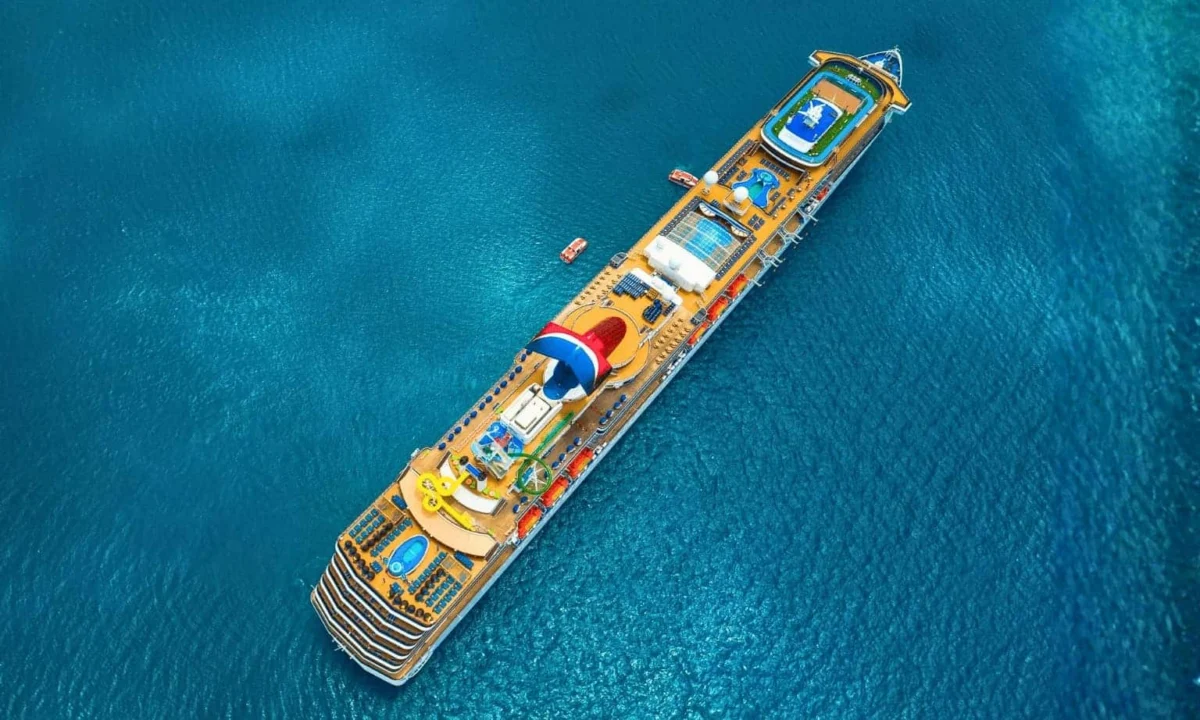
A distressing incident unfolded off the coast of Brisbane on Friday night as a passenger was reported overboard from the Carnival Splendor cruise ship. The man was declared missing around 2:00 AM, prompting an immediate search by authorities. The cruise line has since confirmed that the man apparently climbed over a safety railing and jumped. This somber event follows another tragedy earlier on the same day, when a Tasmanian woman died in a snorkeling accident near the shipwrecks at Moreton Island.
Timeline of Events and Initial Response
The events of Friday, October 27th, cast a dark shadow over the Carnival Splendor’s journey. The first reported incident involved a fatal snorkeling accident on Moreton Island. The Tasmanian woman was participating in an excursion when she encountered difficulties. Despite desperate attempts to revive her on the beach, medical personnel were unable to save her. Queensland Police were alerted to this incident at approximately 12:45 PM. A report is being prepared for the coroner to officially determine the cause of death.
Later that night, the cruise ship, sailing off the coast of Brisbane, was the scene of another critical incident. At around 2:00 AM, a male passenger was reported missing. Ship’s crew were alerted by the man’s traveling family, who had become concerned about his whereabouts. A subsequent review of the ship’s closed-circuit television (CCTV) footage provided a harrowing confirmation: the passenger had apparently climbed over the safety railing and intentionally jumped overboard.
Following the discovery, Carnival confirmed that all appropriate authorities were immediately notified. The ship’s crew initiated protocols for such emergencies, which typically involve a review of security footage, immediate notification of maritime rescue services, and the deployment of search and rescue assets if deemed necessary and feasible. However, as of reports, authorities have suspended their search for the man.
Carnival Corporation’s Official Statement and Support
Carnival Corporation, the parent company of Carnival Cruise Line, issued a statement acknowledging the incident. A spokesperson for Carnival stated, "The information we have so far is that the man apparently climbed over the safety railing and jumped overboard. The male guest was travelling with family, who alerted the ship’s crew of a possible missing person, and a review of the CCTV footage confirmed the guest’s action."
The cruise line emphasized its commitment to cooperating with the ongoing investigation. "All appropriate authorities have been alerted and Carnival will assist authorities in their investigation upon the ship’s return to Sydney on Sunday," the statement read.
In addition to cooperating with the investigation, Carnival highlighted its onboard support systems. "Carnival’s Care Team is supporting the guest’s family and our thoughts and prayers are with them and their loved one," the company added. Cruise lines typically have dedicated guest care teams trained to provide emotional and practical support to passengers and their families during difficult times, including medical emergencies, fatalities, or other distressing events.
Context of Cruise Ship Safety and Passenger Overboard Incidents
Incidents of passengers going overboard from cruise ships, while relatively rare given the vast number of voyages undertaken annually, are a serious concern within the maritime industry. Data from the Cruise Lines International Association (CLIA) indicates that such events are infrequent. However, each occurrence prompts a thorough review of safety protocols and contributing factors.
The vast majority of overboard incidents are classified as suicides, with a smaller percentage attributed to accidents or other causes. Cruise ships are equipped with extensive safety measures, including high railings, 24/7 surveillance in many public areas, and a vigilant crew trained to respond to emergencies. Despite these measures, the sheer scale of cruise ships, with their multiple decks and open spaces, presents ongoing challenges in preventing all such incidents.
When a passenger goes overboard, the response is immediate and multi-faceted. Ship’s crew are trained to initiate emergency procedures, which can include stopping the ship, deploying life rings, and conducting an immediate search in the vicinity. Simultaneously, maritime rescue coordination centers are notified, and depending on the location and conditions, aerial and sea-based search and rescue operations are launched by relevant authorities. The success of these searches is heavily dependent on factors such as visibility, sea state, time of day, and the speed at which the ship can be stopped and a search area established.
Broader Implications and Considerations
The dual tragedies underscore the inherent risks associated with travel, even in leisure settings. The snorkeling accident at Moreton Island highlights the dangers that can be present during shore excursions, particularly in environments with unpredictable marine conditions. Witness accounts suggesting challenging conditions near the shipwrecks point to the importance of thorough risk assessments and clear advisories for participants in water-based activities.
The overboard incident from the Carnival Splendor raises critical questions about mental health and passenger well-being at sea. Cruise lines are increasingly focusing on providing accessible resources and support for passengers who may be experiencing distress. The presence of a Care Team on board is a testament to this growing awareness.
The return of the Carnival Splendor to Sydney on Sunday will likely involve further engagement with authorities and potentially debriefings for crew and passengers who may have been affected by the events. The investigation into the overboard incident will aim to understand the full circumstances leading up to the passenger’s actions, which is crucial for informing future safety strategies and support mechanisms.
The maritime industry, including cruise operators, continuously reviews and enhances safety protocols in light of such incidents. This includes advancements in surveillance technology, improved crew training, and the implementation of best practices for passenger welfare. The focus remains on ensuring the safety and well-being of all individuals on board, while acknowledging the complexities and challenges inherent in maritime operations. The Carnival Splendor’s journey has been marked by profound sadness, serving as a stark reminder of the fragility of life and the importance of comprehensive safety and support systems in all travel environments.



 Anjar Salim
 Tatiana Tantri Indah Sari
 Budi Mulyono
 Lukman Taruna Persada Ramadan
