Cholid Fahmi Thalib

Nestled within the fertile expanses of Southern Oregon’s Rogue Valley, Medford has steadily emerged as a premier destination for culinary enthusiasts and agritourism travelers alike. Flanked by the dramatic topography of the Table Rocks and Mount McLoughlin, the region benefits from a Mediterranean microclimate that supports a thriving agricultural economy. In recent years, local restaurateurs, vintners, and artisans have leveraged this geographic advantage, transforming Medford into a dynamic epicurean hub. Regional tourism data indicates a steady year-over-year increase in visitors seeking farm-to-table dining experiences, estate-grown wines, and artisanal goods. This economic and cultural shift has positioned the city as a critical anchor in the broader Pacific Northwest food and beverage movement.
An Analysis of Regional Agritourism and Economic Impact
The growth of Medford’s culinary sector is intrinsically tied to the agricultural productivity of the Rogue Valley. According to recent economic impact studies commissioned by regional tourism boards, agritourism contributes millions of dollars annually to Jackson County’s economy, supporting hundreds of local farming, viticultural, and hospitality jobs. Local stakeholders attribute this success to collaborative networks among growers, chefs, and beverage producers.
Industry analysts observe that travelers increasingly prioritize authentic, place-based dining experiences over traditional itinerary-driven tourism. Medford’s culinary establishments have successfully capitalized on this trend by sourcing ingredients locally, collaborating with nearby dairy and produce farms, and integrating estate viticulture into their business models. Local chambers of commerce report that culinary tourism has lengthened the average visitor stay, driving higher occupancy rates for regional hotels and boosting ancillary retail spending.
Vineyards and Scenic Estates: Dos Mariposas and DANCIN
At the forefront of Medford’s beverage landscape are its estate vineyards, which harmonize viticulture with scenic agritourism. Among these, Dos Mariposas Vineyard and Lavender Farm, located on Bellinger Lane, offers a synthesis of wine tasting and agricultural heritage. Family-operated and situated against the backdrop of the valley’s prominent geological landmarks, the estate is renowned for its expansive lavender fields that reach peak bloom in June. Patrons frequent the property for guided tastings of estate-produced wines and ciders, frequently paired with artisanal charcuterie featuring regional meats and cheeses. Designed to accommodate families and pet owners, the venue exemplifies the casual yet refined hospitality characteristic of Southern Oregon wineries.
Similarly, DANCIN Vineyards, situated on South Stage Road along the forested foothills of the valley, has garnered acclaim for its award-winning cool-climate varietals, particularly Pinot Noir and Chardonnay. Established as a destination for both oenophiles and culinary travelers, the vineyard integrates its estate wines directly into its food program. The menu features wood-fired artisan pizzas and house-made specialties incorporating wine-infused reductions and creams. Industry observers note that establishments like DANCIN contribute significantly to the export profile of Rogue Valley wines, elevating the region’s profile on the national viticultural stage.
Downtown Gastronomy: Jefferson Spirits and Pomodori Osteria
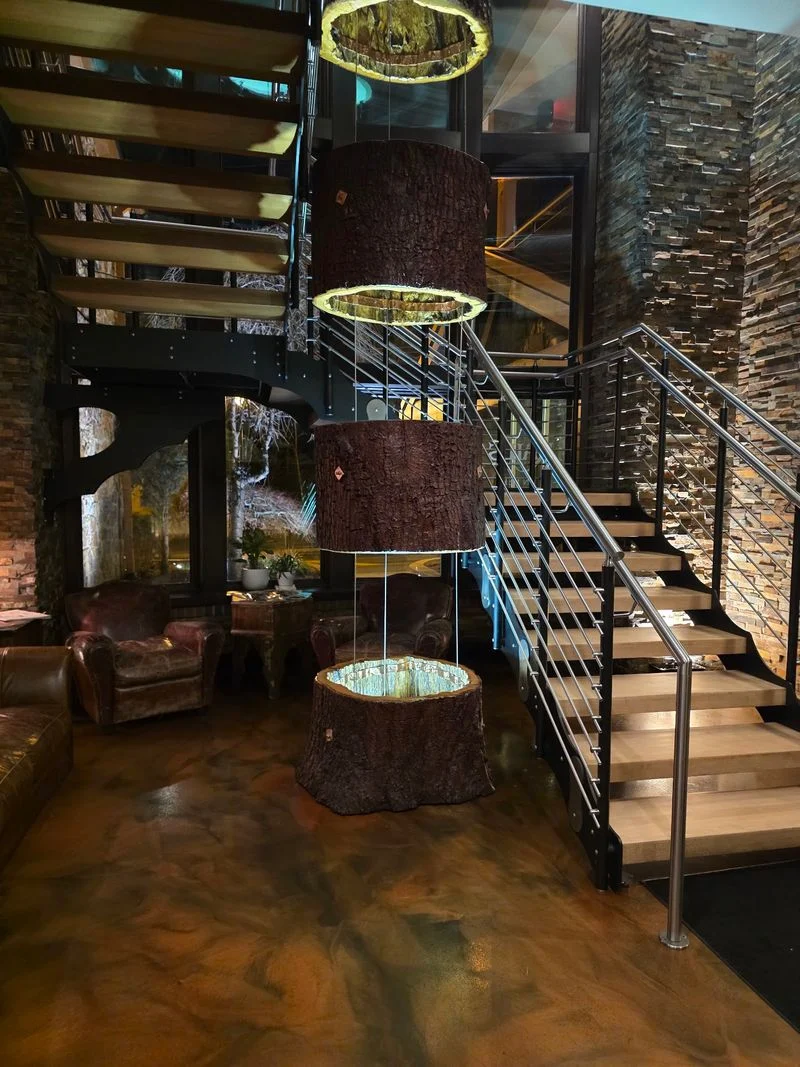
Transitioning from the rural foothills to the urban core, downtown Medford offers a dense concentration of sophisticated dining and nightlife options. Jefferson Spirits, located on East Main Street, bridges historical architecture with a modern cocktail culture. Operating in a dimly lit, vintage-inspired space, the establishment functions as a primary gathering place for evening socializing. Culinary offerings range from Asian fusion small plates to artisan paninis and house-made desserts featuring regional wild berries. City planners and downtown revitalization advocates frequently cite venues like Jefferson Spirits as vital components in generating evening pedestrian traffic and stimulating the local night-time economy.
Adjacent to the city’s historic center is Pomodori Osteria and Bar, which brings traditional Italian culinary methodologies to the Rogue Valley. Emphasizing from-scratch preparation, the restaurant utilizes local agricultural yields—most notably award-winning blue cheeses from the nearby Rogue Creamery—to elevate classic Italian dishes such as handmade pastas, wood-fired proteins, and regional salads. Food critics and culinary historians emphasize that the integration of local dairy products into traditional European recipes reflects a broader movement of regional fusion that respects both local terroir and culinary heritage.
Casual Fare and Morning Traditions: Ruby’s and Buttercloud Bakery
For morning and midday dining, Medford’s culinary scene offers robust, locally sourced options that cater to outdoor adventurers visiting nearby natural attractions such as Crater Lake National Park and the Rogue River. Ruby’s, situated on Genessee Street, has established a reputation for hearty breakfast preparations, including customizable breakfast burritos and eclectic lunch sandwiches. Operating daily from early morning through the evening, the establishment serves as a vital staging ground for recreational tourists preparing for whitewater rafting, hiking, and camping excursions in Jackson County.
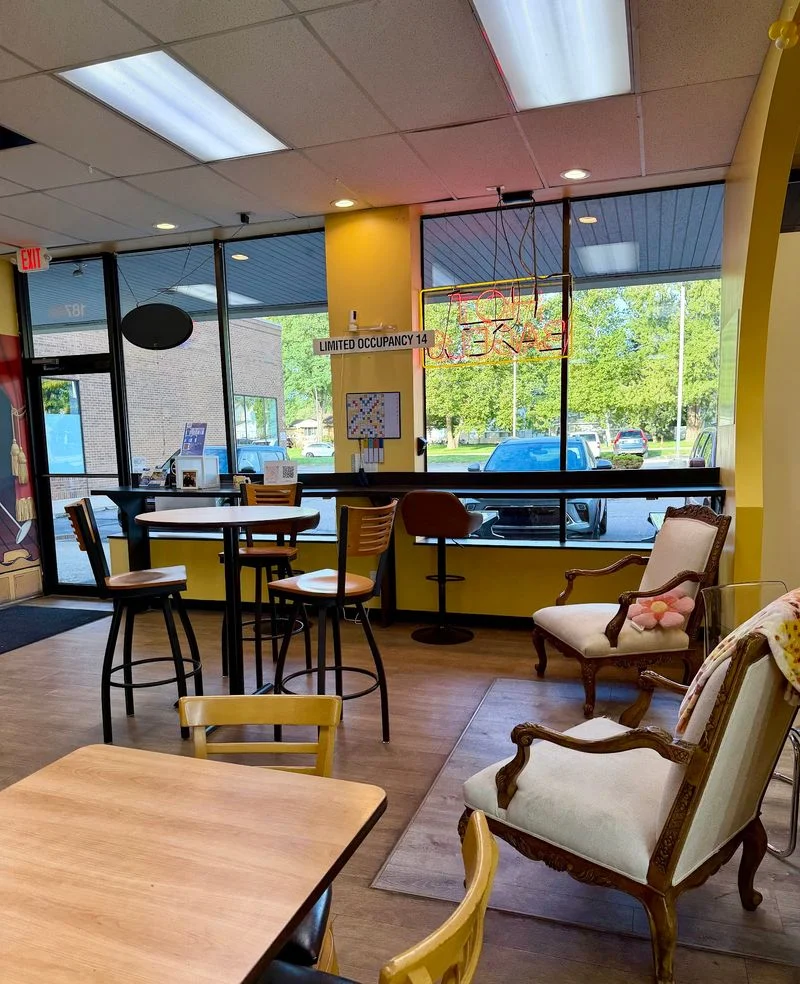
Complementing this casual morning trade is Buttercloud Bakery & Cafe on South Front Street. Known primarily for its scratch-made, flaky biscuits, the bakery supplies both sweet and savory breakfast sandwiches to an expanding clientele. Culinary researchers note that the elevation of traditional comfort foods through meticulous technique and locally sourced ingredients is a hallmark of contemporary Pacific Northwest cuisine. Buttercloud’s rotating monthly menu of seasonal pastries and scratch-baked goods demonstrates a commitment to culinary innovation while maintaining traditional baking standards.
Community Commerce: The Rogue Valley Growers Market
No examination of Medford’s food culture is complete without addressing the role of direct-to-consumer agriculture. The Rogue Valley Growers Market, operating seasonally at Hawthorne Park and across multiple regional locations, serves as a vital economic and social nexus for local farmers, crafters, and consumers. Recognized nationally by media outlets and agricultural associations as a premier farmers market in the United States, the institution hosts over 150 vendors offering organic produce, artisanal cheeses, fresh meats, and prepared street foods.
The market operates outdoors from March through November, transitioning to an indoor winter market from December through February to ensure continuous access to locally produced goods within a 200-mile radius of the Rogue Valley. Local agricultural economists emphasize that the market provides essential revenue stability for small-scale independent farmers, shielding them from the consolidation pressures of industrial agriculture. Furthermore, the market acts as an incubator for culinary entrepreneurs, many of whom transition from market stalls to brick-and-mortar restaurants within Medford and surrounding municipalities.
Official Responses and Strategic Tourism Initiatives
Regional tourism and municipal authorities have increasingly integrated culinary assets into their long-term economic development strategies. In official statements released by regional destination marketing organizations, leaders have emphasized that food and wine tourism acts as a recession-resilient sector, attracting high-value visitors who spend significantly more per capita than traditional sightseers.
To sustain this momentum, local economic development agencies have partnered with agricultural cooperatives and hospitality associations to launch marketing campaigns highlighting Medford’s farm-to-table identity. These initiatives include the establishment of designated wine trails, coordinated culinary festivals, and enhanced digital resources for travelers navigating the valley’s vast array of dining options. Urban planners note that these coordinated efforts have successfully diversified Medford’s economic base, reducing historical reliance on timber and traditional manufacturing by fostering a resilient, service-oriented tourism economy.
Broader Impact and Future Implications for Medford’s Food Scene
The rapid evolution of Medford’s culinary and agritourism sectors carries significant implications for the future of Southern Oregon. As land values in the Rogue Valley appreciate and consumer demand for hyper-local sourcing intensifies, local producers and restaurateurs face both opportunities and structural challenges. Industry analysts project that continued investment in sustainable agricultural practices and infrastructure will be critical to maintaining the quality and authenticity that currently define the region’s culinary brand.
Moreover, the influx of culinary travelers has spurred infrastructural improvements within the city, including enhanced pedestrian walkability, expanded boutique lodging options, and increased support for urban green spaces. These developments indicate that Medford is transitioning from a regional transit stop into a primary destination for cultural and culinary exploration. As regional stakeholders continue to refine their collaborative strategies, Medford stands poised to solidify its reputation as one of the Pacific Northwest’s most dynamic and innovative gastronomic centers.


 Lukman Taruna Persada Ramadan

 Tatiana Tantri Indah Sari

 Anjar Salim

 Budi Mulyono