
 Anjar Salim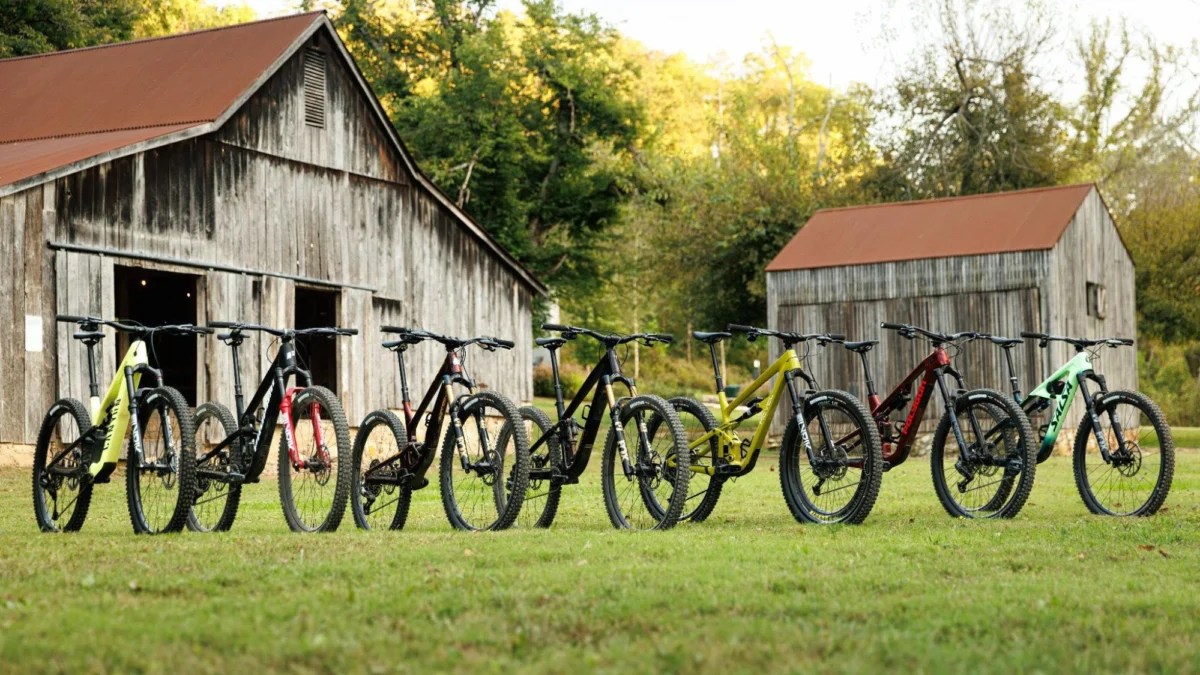
The 2026 Pinkbike Field Test has reached its definitive conclusion, marking the end of a rigorous week of comparative analysis for the latest generation of trail mountain bikes. This annual event, which has become a benchmark for the cycling industry, focuses on the real-world performance of high-end mountain bikes through a series of controlled yet demanding field trials. The most visually striking and technically revealing component of this testing cycle remains the "Huck to Flat," a standardized impact test designed to push the structural and mechanical limits of modern bicycle frames and suspension systems.
Held annually, the Field Test serves as a comprehensive evaluation of the year’s most significant releases in the mountain bike market. For the 2026 edition, the editorial team curated a selection of trail bikes—machines designed to balance climbing efficiency with downhill capability—to undergo back-to-back testing in a variety of terrain conditions. The process is designed to eliminate variables and provide a direct comparison of how different suspension designs, geometries, and carbon fiber layups respond to the same environmental stressors.
The Evolution of the Huck to Flat Methodology
The Huck to Flat test was introduced as a staple of the Field Test in 2018. Originally conceived as a way to provide entertaining slow-motion footage for viewers, it has evolved into a valuable diagnostic tool for engineers and consumers alike. While laboratory testing utilizes hydraulic presses and computer simulations to predict frame failure points, the Huck to Flat provides a dynamic look at how a fully assembled bicycle reacts to a sudden, high-force vertical load.
The premise is deceptively simple: a rider launches the bicycle off a standardized drop, landing on a completely flat surface. This maneuver bypasses the energy-dissipating benefits of a transition or landing ramp, forcing the bicycle’s components to absorb the entirety of the kinetic energy generated by the fall. By recording these landings at high frame rates—often exceeding 1,000 frames per second—testers can observe the minute flex of handlebars, the compression of tire casings, the progression of suspension linkages, and the momentary deformation of carbon and aluminum frames.
Technical Observations and Structural Dynamics
In the 2026 test, several key technical observations were noted that highlight the current state of bicycle engineering. As manufacturers move toward lighter weights without sacrificing durability, the Huck to Flat reveals where the limits of these materials reside.
One of the primary areas of interest during the 2026 evaluation was the interaction between electronic suspension systems and high-impact landings. With many of the tested bikes featuring automated compression damping adjustments, the Huck to Flat served to verify if these systems could react quickly enough to a sudden "bottom-out" scenario. Data suggests that while electronic valves can adjust in milliseconds, the mechanical limits of the suspension’s air spring or coil remain the final line of defense against structural damage.
Furthermore, the 2026 test highlighted the increasing importance of wheel and tire systems in energy management. Slow-motion analysis showed that modern wide-rim profiles and reinforced tire casings often absorb the first 20 to 30 millimeters of impact before the suspension even begins to cycle. This "rim-to-ground" contact is a critical point of failure; in previous years, this test has resulted in cracked rims and sheared tire beads.
Historical Context and Risk Assessment
The Huck to Flat is not without its casualties. The history of the event is marked by several high-profile mechanical failures that have occasionally led to significant redesigns by manufacturers. In past iterations, the test has resulted in snapped carbon fiber cranks and catastrophic frame failures at the head tube or seat stay junctions. These failures, while rare, provide the industry with data that is difficult to replicate in a controlled lab setting where the "human element" and the specific resonance of a landing are absent.
Because of the physical toll that repeated flat landings take on the human body, the Pinkbike team has historically rotated the "hucking" duties among staff members. The impact forces involved in a flat landing can exceed several G-forces, placing immense strain on the rider’s ankles, knees, and lower back.
For the 2026 cycle, a significant portion of the testing was performed by filmer Logan Patrick Nelson. Despite not being a primary bike tester, Nelson’s performance was noted for its consistency, which is vital for maintaining a controlled testing environment. Industry experts suggest that the ability of a rider to maintain a neutral body position during such impacts is essential for ensuring that the bike—not the rider’s legs—absorbs the majority of the force.
Chronology of the 2026 Field Test
The 2026 Field Test followed a strict seven-day protocol to ensure all data points were captured accurately:
- Days 1-2: Efficiency and Climbing Benchmarks. Each bike was subjected to timed climbs on both technical singletrack and fire roads to measure power transfer and anti-squat characteristics.
- Days 3-4: Descending and Kinematic Evaluation. Testers rode the bikes on standardized downhill laps, focusing on cornering stability, braking jack, and small-bump sensitivity.
- Day 5: Component Stress and Durability. Bikes were inspected for bolt-tightness, cable rattle, and any premature wear on the drivetrain or braking systems.
- Day 6: The Huck to Flat. The final mechanical stress test was performed, with each bike subjected to multiple drops of increasing height until full suspension bottom-out was achieved.
- Day 7: Final Debrief and Data Compilation. The editorial team met to compare notes and finalize the rankings for the "Trail Bike of the Year" award.
Industry Implications and Manufacturer Reactions
The results of the Huck to Flat are closely monitored by bicycle manufacturers. While some engineers argue that the test represents an "edge case"—a scenario that most trail riders should avoid—others acknowledge its value in proving the "over-built" nature of modern frames. A bike that can survive repeated flat landings without structural compromise offers a level of "insurance" for the consumer who may occasionally misjudge a jump or encounter an unexpected obstacle on the trail.
Informal reactions from industry insiders suggest that the "Pinkbike Effect" is a real phenomenon. A bike that performs poorly or suffers a failure during the Huck to Flat can see a measurable impact on its market reputation. Conversely, bikes that demonstrate exceptional poise and frame stiffness during the test often see a surge in consumer interest. This has led some brands to implement their own "flat-landing" protocols in their R&D facilities to ensure their products can withstand the public scrutiny of the Field Test.
Broader Impact on Mountain Bike Design
The ongoing legacy of the Huck to Flat is visible in the 2026 crop of trail bikes. There is a noticeable trend toward increased "end-stroke progression" in rear suspension designs—a direct response to the need for bikes to handle bottom-out events more gracefully. Additionally, the integration of "flip chips" and adjustable headsets allows riders to tune their bikes for different styles of riding, though the Huck to Flat remains the ultimate test of the "stock" configuration’s integrity.
As the mountain bike industry continues to push toward more aggressive "down-country" and "all-mountain" categories, the distinction between bike types is blurring. The 2026 Field Test demonstrates that even "trail" bikes, once reserved for moderate terrain, are now being engineered to handle the types of impacts that were once the exclusive domain of dedicated freeride and downhill machines.
The 2026 Huck to Flat serves as a reminder that while mountain biking is increasingly driven by data, sensors, and carbon fiber engineering, it remains a physical sport governed by the laws of gravity. The visual of a high-end machine flexing under the weight of a flat landing provides a visceral connection between the rider and the technology, ensuring that the Field Test remains a vital part of the cycling media landscape for years to come.




 Chandra Hamzah
 Tatiana Tantri Indah Sari
 Budi Mulyono

