Anjar Salim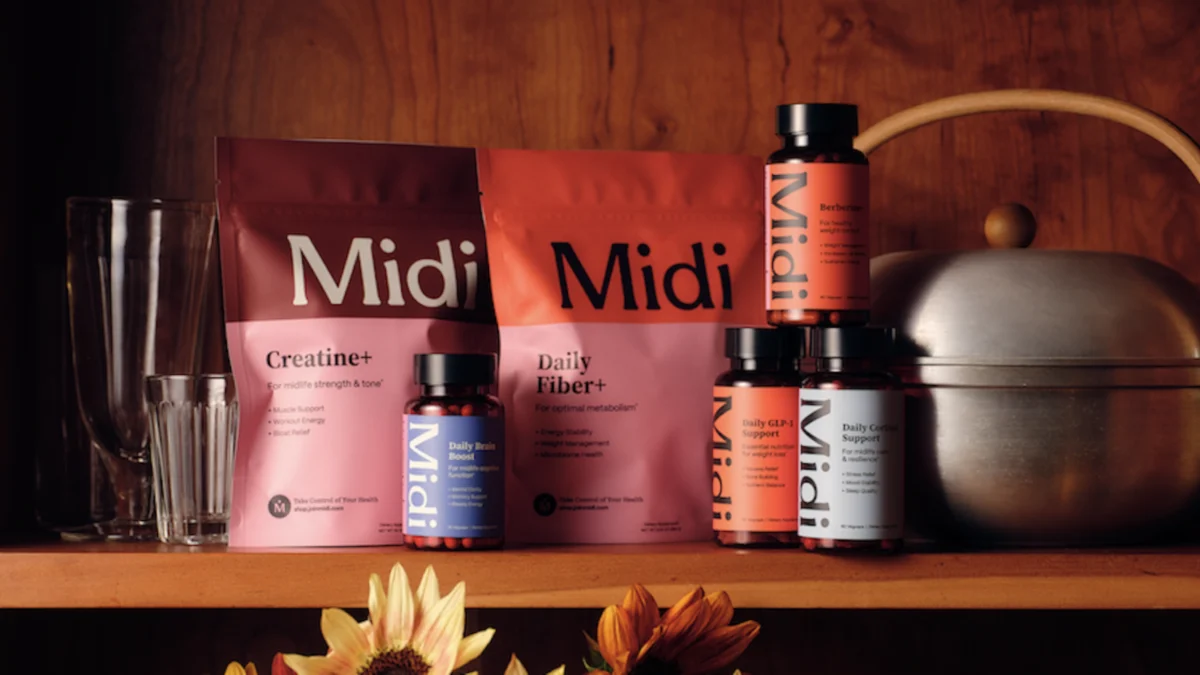
The biological transition into midlife represents one of the most significant physiological shifts in the female experience, yet it has historically remained one of the most underserved areas of clinical medicine. For women in their 30s, 40s, and 50s, the onset of perimenopause and menopause introduces a complex array of symptoms that often defy standard wellness protocols. While the foundational pillars of health—regular cardiovascular exercise, strength training, restorative sleep, and a nutrient-dense diet—remain essential, clinical data suggests that these habits alone are frequently insufficient to counteract the profound hormonal fluctuations associated with aging. As the medical community gains a deeper understanding of the endocrine system’s role in systemic health, a new category of targeted, science-backed interventions is emerging to address the specific metabolic and cognitive challenges of the "second act."
The challenges of this life stage are not merely anecdotal; they are rooted in the decline of estrogen and progesterone, which affects nearly every organ system in the body. Women frequently report a constellation of symptoms including perimenopausal brain fog, sudden weight gain despite no change in caloric intake, disrupted sleep cycles, and heightened anxiety. These issues represent more than just discomfort; they indicate a shift in metabolic efficiency and neurological resilience. In response to this gap in care, organizations like Midi Health have developed specialized supplementation protocols designed to work in tandem with lifestyle adjustments, providing a multi-layered approach to female longevity and hormonal health.
The Evolution of Women’s Midlife Healthcare
The historical context of menopause management is characterized by a significant research gap. Following the 2002 publication of the Women’s Health Initiative (WHI) study, which initially raised concerns regarding hormone replacement therapy (HRT), many women and clinicians moved away from hormonal interventions. This led to a "silent generation" of women navigating midlife symptoms with minimal medical support. However, subsequent re-analysis of WHI data and new longitudinal studies have clarified the safety profiles of various treatments, leading to a resurgence in integrative care that combines lifestyle medicine, non-hormonal supplements, and, when appropriate, hormone therapy.
Today, the focus has shifted toward "whole health" toolkits. This involves recognizing that the body’s requirements for micronutrients, amino acids, and botanical compounds change as metabolic flexibility decreases. The modern pharmaceutical and nutraceutical landscape is now prioritizing ingredients that support the "estrobolome"—the collection of gut bacteria capable of metabolizing and modulating the body’s circulating estrogen—and the mitochondrial health necessary for sustained cognitive function.
Targeted Metabolic Support and the Role of Berberine
One of the most significant hurdles in midlife health is metabolic slowing, often manifesting as insulin resistance and visceral fat accumulation. As estrogen levels drop, the body’s ability to process glucose efficiently is frequently compromised. This has led to increased clinical interest in Berberine, a bioactive alkaloid derived from several different plants.
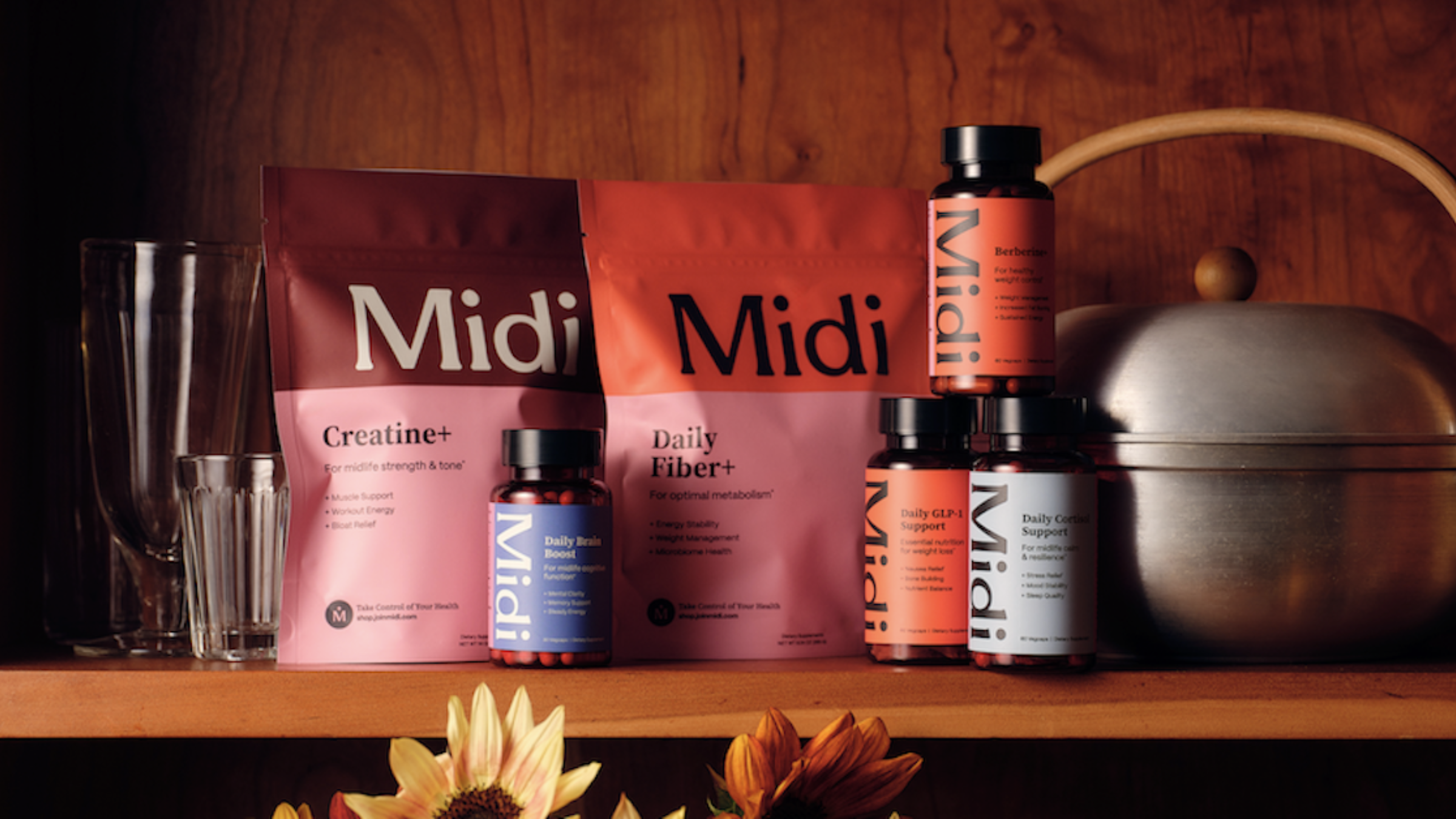
Research indicates that Berberine acts as a potent activator of adenosine monophosphate-activated protein kinase (AMPK), often referred to as the body’s "metabolic master switch." By activating this pathway, Berberine helps improve insulin sensitivity and supports the transport of glucose into cells. Midi Health’s Berberine+ formulation utilizes a slow-release delivery system to ensure sustained metabolic support throughout the day. For women in perimenopause, this intervention can be critical in managing energy fluctuations and preventing the metabolic "crashing" that often leads to sugar cravings and weight gain.
Cognitive Resilience and the Creatine Shift
While traditionally associated with bodybuilding and high-intensity athletic performance, creatine monohydrate is gaining recognition as a vital tool for female cognitive health and muscle preservation. Sarcopenia, or the age-related loss of muscle mass, accelerates during the menopausal transition. Maintaining muscle is not merely a matter of aesthetics; muscle tissue serves as a primary site for glucose disposal and metabolic regulation.
Furthermore, the brain is a highly energy-demanding organ, and creatine plays a crucial role in ATP (adenosine triphosphate) regeneration. For women experiencing "brain fog"—a symptom characterized by forgetfulness and lack of mental clarity—creatine supplementation provides a gut-friendly way to support neurological energy stores. Recent studies have suggested that creatine may be particularly effective for women, whose natural creatine stores can fluctuate based on their hormonal cycle and life stage.
Supporting the GLP-1 Patient Population
The landscape of weight management has been revolutionized by the advent of GLP-1 (glucagon-like peptide-1) receptor agonists. As more women utilize these medications to manage midlife weight gain and metabolic syndrome, a new need for "companion care" has emerged. While GLP-1 medications are highly effective for weight loss, they can also lead to gastrointestinal distress, nausea, and a potential loss of lean muscle mass if nutritional intake is not carefully managed.
Targeted supplements, such as Daily GLP-1 Support, are engineered to mitigate these side effects. By replenishing essential nutrients that may be depleted due to reduced caloric intake and providing ingredients that soothe the digestive tract, these formulations allow women to maintain the benefits of their medication while preserving their overall vitality and energy levels.
Cortisol Regulation and Emotional Resilience
Midlife often coincides with the "sandwich generation" phenomenon, where women are simultaneously caring for aging parents and growing children while navigating peak career demands. This external pressure, combined with internal hormonal shifts, can lead to chronic cortisol elevation. High cortisol levels are linked to poor sleep quality, increased anxiety, and the accumulation of abdominal fat.
The use of adaptogens and cortisol-balancing nutrients aims to stabilize the HPA (hypothalamic-pituitary-adrenal) axis. By promoting a balanced stress response, daily cortisol support helps foster emotional resilience and cognitive clarity. Clinical observations suggest that when cortisol is managed, sleep architecture improves, allowing for the deep, restorative stages of sleep necessary for hormonal regulation and cellular repair.
Digestive Health and the Gut-Brain Axis
Digestive efficiency often wanes with age, leading to bloating and irregular nutrient absorption. The integration of fiber-rich protocols is essential for both digestive health and hormonal balance. Soluble and insoluble fibers serve as prebiotics, fueling the beneficial bacteria in the gut.

The inclusion of Chromium Picolinate in modern fiber supplements, such as Daily Fiber+, provides an additional layer of metabolic support by enhancing the action of insulin. Furthermore, ingredients like green banana powder offer resistant starch, which has been shown to improve gut barrier function and curb cravings. By stabilizing blood sugar and promoting regular elimination, women can avoid the "energy roller coaster" often associated with midlife hormonal shifts.
Data and Economic Implications of the Menopause Transition
The impact of untreated perimenopausal and menopausal symptoms extends beyond individual health; it has significant socioeconomic implications. According to a study published in Mayo Clinic Proceedings, menopause-related symptoms result in an estimated $1.8 billion in lost work productivity annually in the United States alone. Furthermore, healthcare costs for women seeking relief from vasomotor symptoms (hot flashes) and associated conditions are significantly higher than for those who are asymptomatic.
The shift toward proactive, physician-led supplement protocols represents a move toward preventative care that could potentially reduce these economic burdens. By addressing symptoms early in the perimenopausal transition (often starting in the mid-to-late 30s), women can maintain their professional trajectory and quality of life.
A New Standard for Evidence-Informed Supplementation
The supplement industry has frequently been criticized for a lack of transparency and scientific rigor. However, the new wave of midlife-focused companies is prioritizing medical oversight. Formulations developed by physicians specializing in female endocrinology ensure that ingredients are not only effective but also provided in dosages that reflect clinical evidence.
The approach championed by experts at Midi Health emphasizes that supplements are not a "magic pill" but an essential component of a holistic strategy. This strategy includes:
- Hormonal Assessment: Understanding the individual’s specific stage in the transition.
- Nutritional Optimization: Using fiber and metabolic boosters to support the gut and insulin response.
- Physical Activity: Combining cardio with resistance training to combat muscle loss.
- Targeted Intervention: Using nootropics for brain fog and adaptogens for stress.
Conclusion: Thriving in the Second Act
As the dialogue surrounding women’s health continues to evolve, the narrative of "suffering in silence" through midlife is being replaced by one of empowerment and scientific intervention. The challenges of perimenopause and menopause are biological realities, but they do not have to be barriers to a high-functioning, energetic life.
By employing a comprehensive toolkit—ranging from the foundational habits of fresh air and exercise to advanced, science-backed supplements like those offered by Midi Health—women in their 30s, 40s, and 50s can navigate this transition with resilience. The goal of modern midlife medicine is to ensure that women do not merely survive these years but thrive within them, maintaining the strength, clarity, and health necessary to enjoy their second act to the fullest. For those seeking to optimize their health during this pivotal time, evidence-informed support is now more accessible than ever, marking a new era in the history of women’s wellness.




 Chandra Hamzah
 Gabriela Annisa
 Tatiana Tantri Indah Sari
 Budi Mulyono