Anjar Salim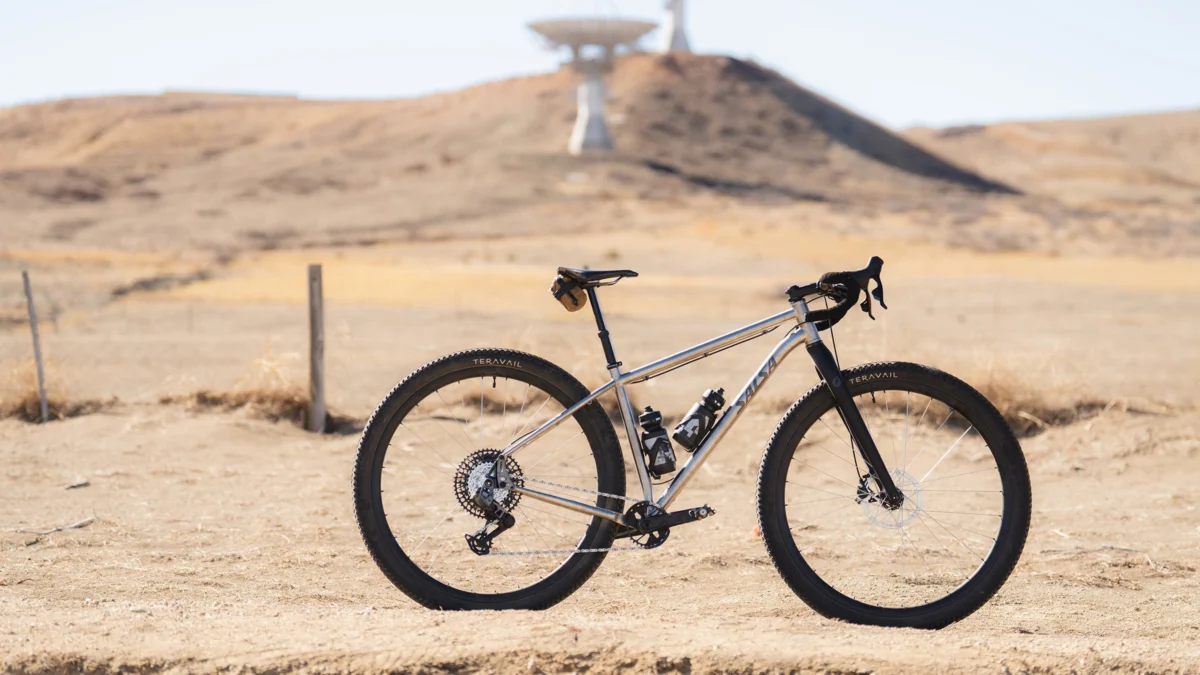
The biggest cycling technology story of 2026 is not the release of a new electronic drivetrain, the shaving of grams from carbon fiber frames, or the marginal adjustment of head tube angles; instead, the industry is witnessing the sudden and widespread emergence of 32-inch wheels. After nearly a decade of quiet experimentation, secretive prototyping, and the occasional custom build seen only at niche trade shows, 32-inch wheels have arrived in the public eye through a coordinated push across multiple cycling disciplines. These oversized hoops are currently being featured on prototype cross-country (XC) race bikes, production-ready gravel grinders, and within the long-term product roadmaps of major tire and suspension manufacturers. The movement suggests that the industry is moving beyond incremental refinement and toward a fundamental shift in bicycle architecture.
The Evolution of Wheel Standards: From 26 to 32 Inches
To understand the gravity of the 32-inch movement, one must look at the historical trajectory of mountain bike wheel sizes. For decades, the 26-inch wheel was the undisputed global standard. This changed in the early 2000s with the introduction of 29-inch wheels, which were initially dismissed as a niche product for taller riders or specialized cross-country use. However, the performance benefits—improved rollover capability, increased momentum, and a larger contact patch—eventually led to 29-inch wheels becoming the dominant standard for XC, trail, and even downhill racing.
Between 2020 and 2025, the cycling industry entered what many experts call a "refinement plateau." During this period, bicycle geometry reached a state of relative perfection, and component technology became highly reliable. While bikes became objectively better, the changes were incremental. A rider who purchased a high-end mountain bike in 2020 found that their machine remained competitive and capable even five years later. For the cycling industry, which relies on a cycle of innovation and upgrades, this stability created a market challenge. The 32-inch wheel represents the first major "disruptive" technology since the 29er revolution, offering a tangible reason for riders to reconsider their current equipment.
Performance Metrics and the Physics of Rollover
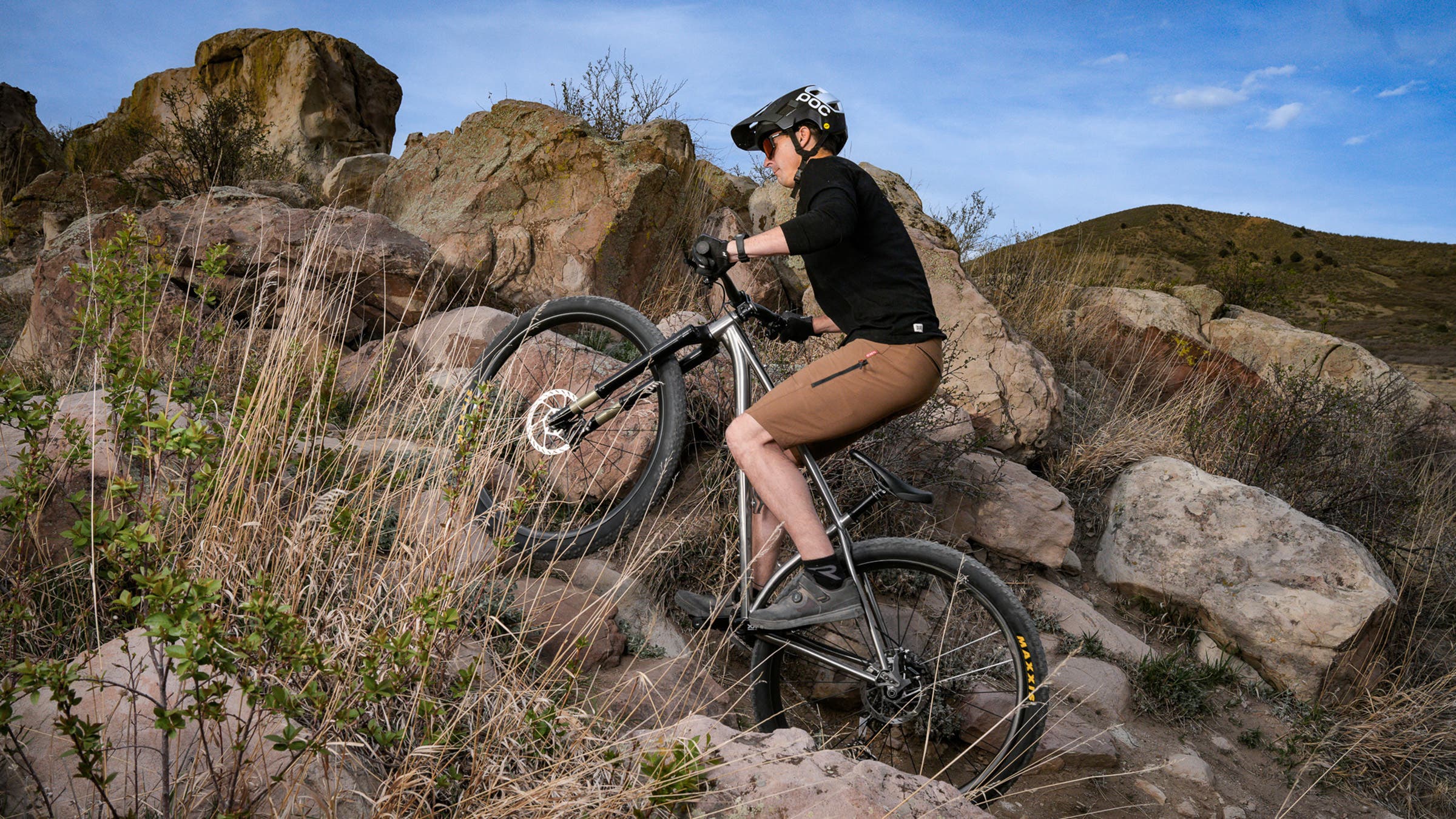
The primary argument for the 32-inch wheel is rooted in the physics of "angle of attack." When a wheel encounters an obstacle, such as a rock or a root, the angle at which it strikes that object determines how much forward momentum is lost. A larger diameter wheel has a shallower angle of attack, allowing it to roll over irregularities with significantly less resistance than a smaller wheel.
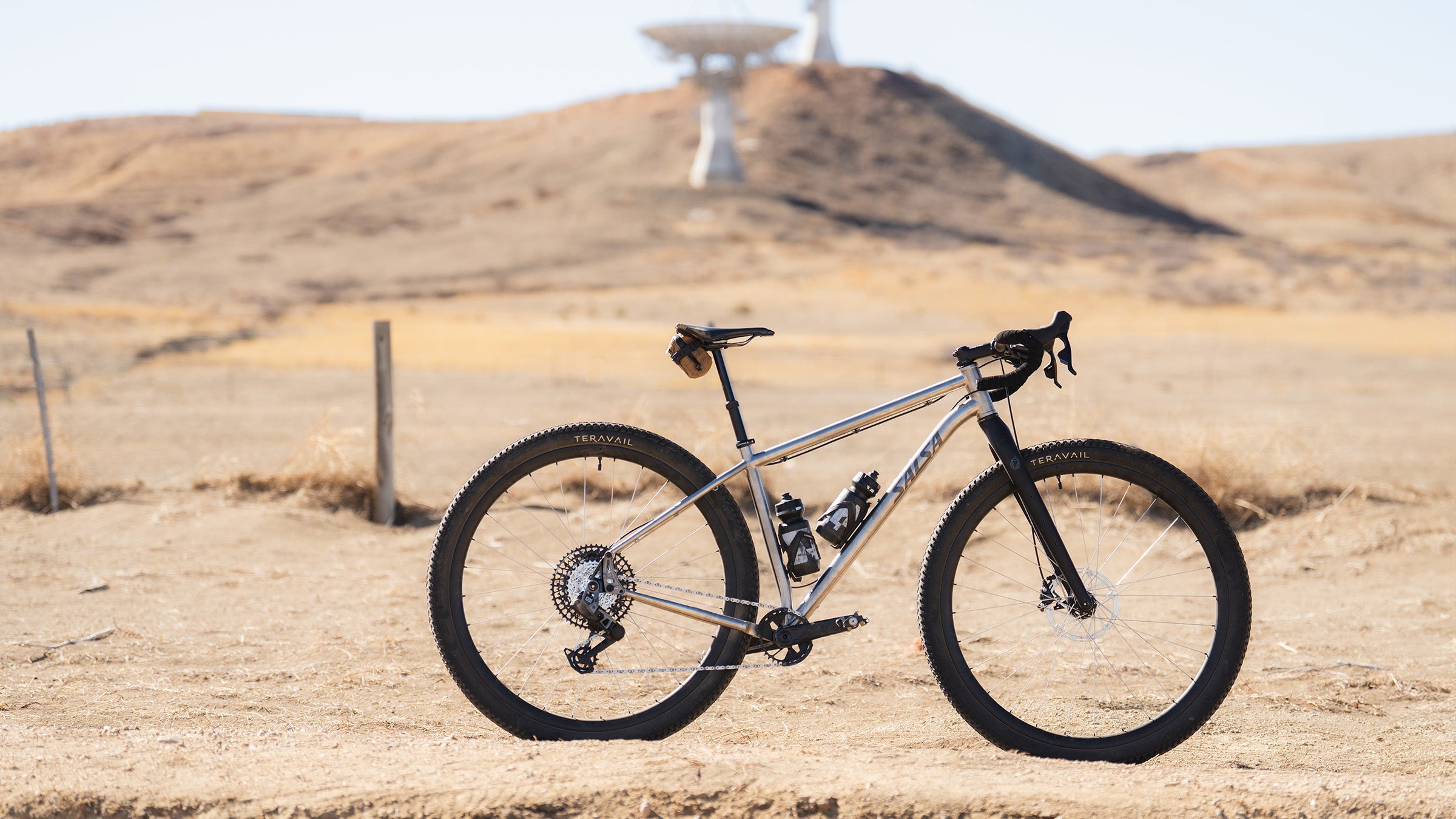
Data from recent industry testing indicates that 32-inch wheels provide a measurable increase in efficiency across rough terrain. According to Joe Meiser, a product manager at Salsa Cycles, the shift from 29-inch to 32-inch wheels mirrors the historical jump from 26-inch to 29-inch. Salsa’s internal testing suggests that 32-inch wheels increase the tire’s contact patch—the amount of rubber touching the ground at any given time—by approximately 10 to 15 percent. This results in "unbelievable" traction, particularly on loose surfaces like sand or gravel, where the larger footprint prevents the tire from digging in and losing speed.
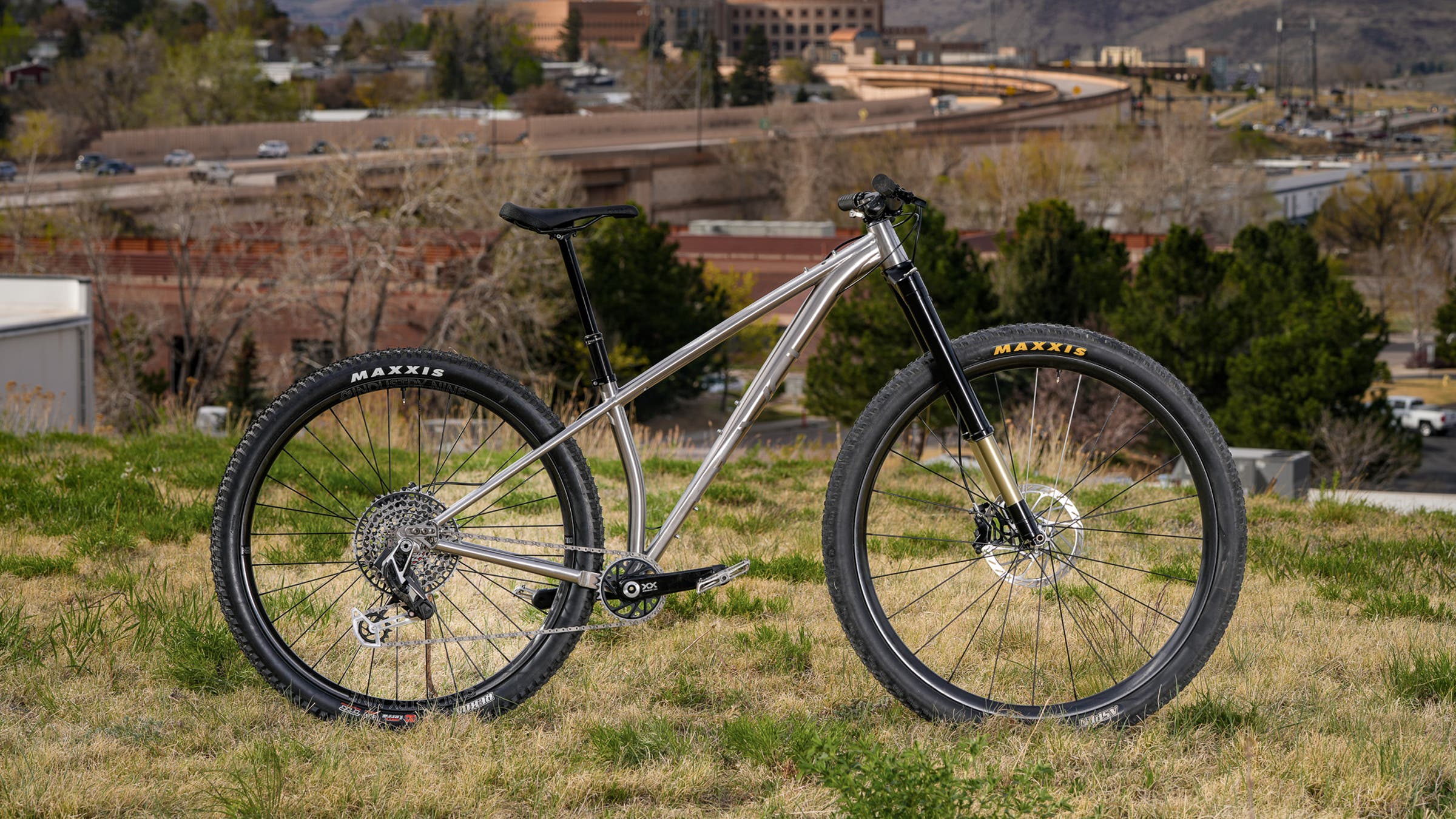
In the cross-country racing circuit, where every second is scrutinized, the efficiency gains are even more pronounced. Craig Richey, Senior Director of Marketing and Product Strategy at Fox Factory, has been testing a 32-inch full-suspension prototype since the summer of 2025. Despite the test mule being an unrefined aluminum frame weighing five pounds more than a standard carbon 29er race bike, Richey reported that it maintained the same average speeds as a World Cup-level machine. The implication is clear: once carbon frames and lightweight components catch up to the 32-inch standard, the speed ceiling for XC racing will likely rise.
The Manufacturing Hurdle: Why Tires Held Back Innovation
Despite the theoretical benefits of larger wheels, the industry faced a significant bottleneck: the tire. While building a larger frame or a wider rim is a relatively straightforward engineering task for major brands, tire production requires a massive capital investment.
Travis Brown, Trek’s R&D Field Test Manager and a former professional racer, noted that the industry has been experimenting with oversized wheels for years, but lacked the high-performance rubber necessary to conduct valid testing. A single mold for a new tire size can cost upwards of $100,000, and a full range of tires requires a seven-figure commitment. Manufacturers were hesitant to make this investment without a guaranteed market.
The catalyst for change came from the competitive arena. Duncan McGuire of Maxxis revealed that the company’s 32-inch development program was accelerated by requests from professional race teams seeking a competitive edge for the 2024 Paris Olympics. While the development cycle did not allow for a 2024 debut, the investment in molds for a 32-inch version of the popular Aspen tire set the stage for the current 2026 rollout. With Maxxis and Vittoria now committed to the size, the "tire bottleneck" has effectively been broken, clearing the path for frame manufacturers to follow.
Challenges in Design and Geometry
The adoption of 32-inch wheels is not without significant engineering challenges. As wheels grow larger, the physical constraints of the bicycle frame become more pressing. One of the primary concerns is "toe overlap," where the rider’s foot strikes the front wheel during tight turns—a problem particularly prevalent on gravel bikes with shorter wheelbases.
Furthermore, 32-inch wheels naturally raise the "stack height" of the bike, making it difficult for designers to maintain a low, aggressive riding position. This is especially challenging for smaller riders. However, some brands are proving that these obstacles are not insurmountable. Allison Schmitz, a design engineer at Salsa who stands at 5’3", helped develop a size-small 32-inch prototype. Her testing confirmed that while the wheels take longer to accelerate from a standstill—a result of higher rotational inertia—they offer superior momentum and stability once up to speed.
Other brands are exploring "mixed-wheel" or "mullet" configurations to mitigate these design issues. Revel Bikes has showcased a "Super Mullet" concept featuring a 32-inch front wheel paired with a 29-inch rear wheel. This setup aims to provide the rollover benefits of the larger front wheel while maintaining the acceleration and shorter chainstay lengths afforded by a 29-inch rear wheel.
Logistical and Infrastructure Implications
The shift to 32-inch wheels extends beyond the bike itself and into the broader ecosystem of cycling accessories. Current infrastructure is largely optimized for 27.5-inch and 29-inch standards. The introduction of a 32-inch wheel will necessitate changes in:
- Vehicle Racks: Many current hitch and roof racks have wheel trays or arms that cannot accommodate the increased wheelbase and diameter of a 32-inch bike.
- Travel Bags: Professional and amateur riders who travel with their bikes will find that current hard-shell and soft-shell bike boxes are too small for the larger frames and wheels.
- Retail Inventory: Local bike shops will face the challenge of stocking a third major tire and tube size, as well as specialized spokes and rims, during a period where many are still recovering from the inventory fluctuations of the post-pandemic era.
Industry Reaction and Future Outlook
The industry reaction to 32-inch wheels is a mix of excitement and cautious skepticism. While brands like Salsa are moving forward with production models like the Fargo 32 bikepacking bike, others are taking a more measured approach. Julien Boulais of Faction Bike Studio, a firm that designs bikes for several major brands, expressed doubt that 32-inch wheels would achieve the same universal dominance as the 29er. He suggests that the size may settle into specific niches—namely gravel, bikepacking, and marathon XC—where rollover and momentum are prioritized over low weight and "flickable" handling.
Ken Avery of Vittoria Tires compared the current moment to the rise of "plus-sized" tires and fat bikes. While those trends eventually found their specific use cases rather than replacing the standard mountain bike, he noted that 32-inch wheels offer a measurable performance advantage in efficiency, which may give them more staying power than previous "fad" sizes.

As the 2026 Sea Otter Classic approaches, the cycling world is preparing for a wave of 32-inch announcements. Whether this represents a permanent shift in the industry standard or a specialized tool for specific terrain remains to be seen. However, with the backing of major suspension and tire manufacturers, the 32-inch wheel has moved from a fringe experiment to a legitimate contender for the future of cycling performance. The coming two years will determine if the "bigger is better" philosophy can overcome the logistical and engineering hurdles that currently stand in its way.




 Chandra Hamzah
 Gabriela Annisa
 Tatiana Tantri Indah Sari
 Budi Mulyono