
 Anjar Salim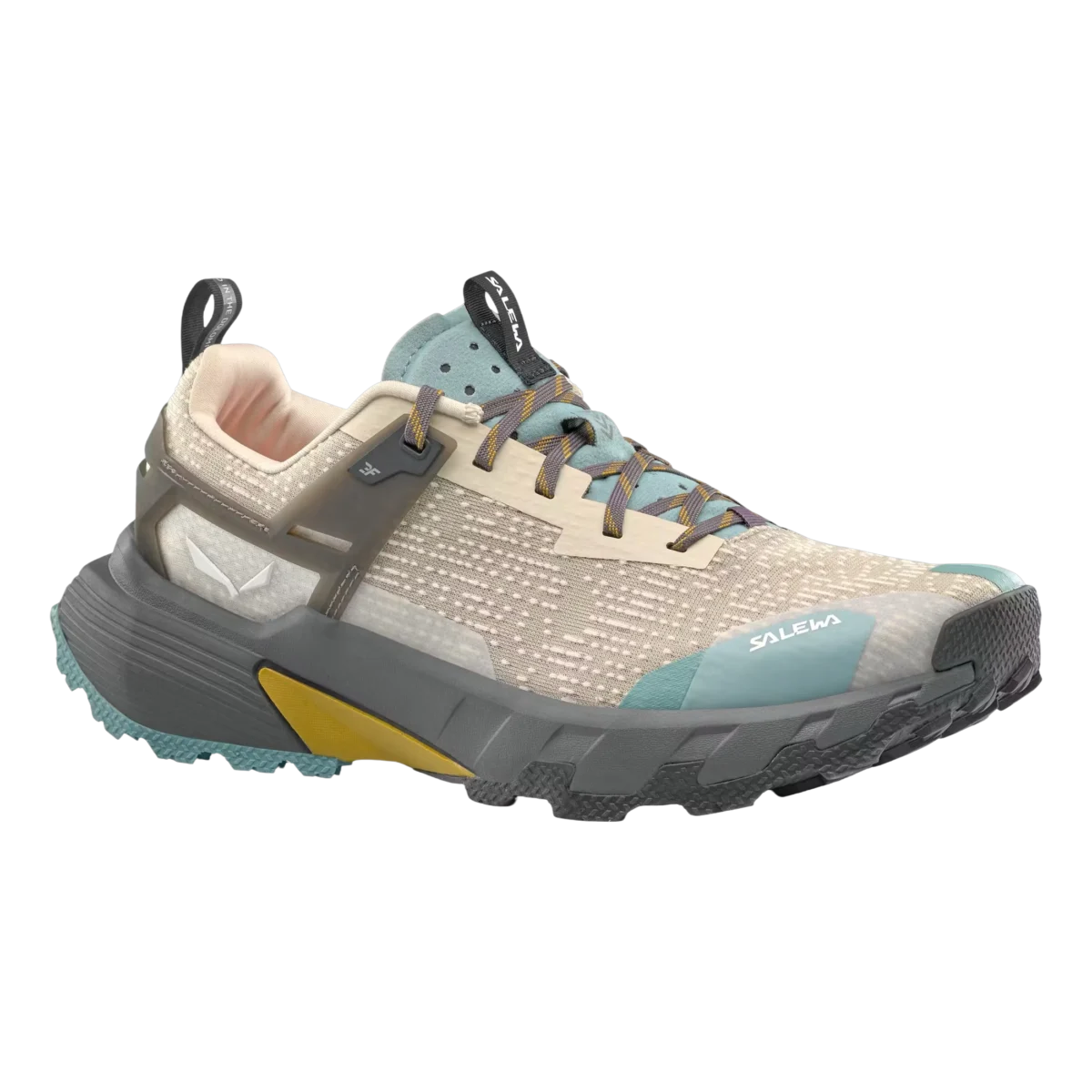
The global outdoor footwear market has witnessed a significant shift toward the "speed hiking" category, a discipline that bridges the gap between traditional heavy-duty trekking and high-intensity trail running. Leading this transition is Salewa, the South Tyrol-based mountain sports specialist, which has officially released the Pedroc 2. Designed and tested in the rigorous environment of the Italian Dolomites, the Pedroc 2 represents a technical evolution in footwear, prioritizing agility, protection, and weight efficiency. By leveraging the unique geographical demands of Bolzano and the surrounding alpine peaks, Salewa has engineered a shoe that caters to the modern "fast-and-light" philosophy, offering a versatile solution for varied terrain ranging from groomed forest paths to technical limestone scree.
The Genesis of Speed Hiking in the Dolomites
The development of the Pedroc 2 is deeply rooted in the specific requirements of the Dolomites, a mountain range characterized by sharp verticality and a vast network of hut-to-hut trails. Unlike traditional alpine expeditions that require heavy, stiff boots for load-bearing support, the modern "Refugio" culture allows hikers to travel with significantly lighter packs. This shift in consumer behavior has necessitated a new class of footwear that facilitates rapid movement without sacrificing the structural integrity required for rocky, uneven surfaces.
Salewa’s design team, operating out of their headquarters in Bolzano, utilized the local landscape as a living laboratory. The Dolomites present a unique set of challenges: loose scree slopes, wet limestone slabs, and steep gradients. To address these, the Pedroc 2 was developed with a focus on "freedom of movement," a design ethos that aims to minimize the physical toll of footwear on the hiker’s stride. By reducing the weight of the shoe to approximately 12.37 ounces (350 grams) per unit, Salewa has successfully mitigated the cumulative fatigue associated with lifting heavier footwear over thousands of vertical feet.
Technical Specifications and Biomechanical Engineering
The Pedroc 2 distinguishes itself through a series of intentional engineering choices aimed at optimizing the human gait on incline and decline. Central to this is the shoe’s 10mm heel-to-toe drop. In the context of mountain travel, a higher drop is often preferred by hikers to reduce strain on the Achilles tendon and calves during sustained ascents. This geometry, combined with a rockered midsole design, promotes a natural rolling motion of the foot, allowing for a more efficient energy transfer during the toe-off phase of the stride.
Cushioning is provided by a high-rebound EVA (Ethylene Vinyl Acetate) midsole. While EVA is a standard material in the industry, Salewa has tuned the density of the Pedroc 2’s midsole to provide a balance between impact absorption and ground feel. This is critical for speed hiking, where the user needs enough protection to prevent "stone bruising" from sharp rocks but enough sensitivity to maintain balance on technical sections.
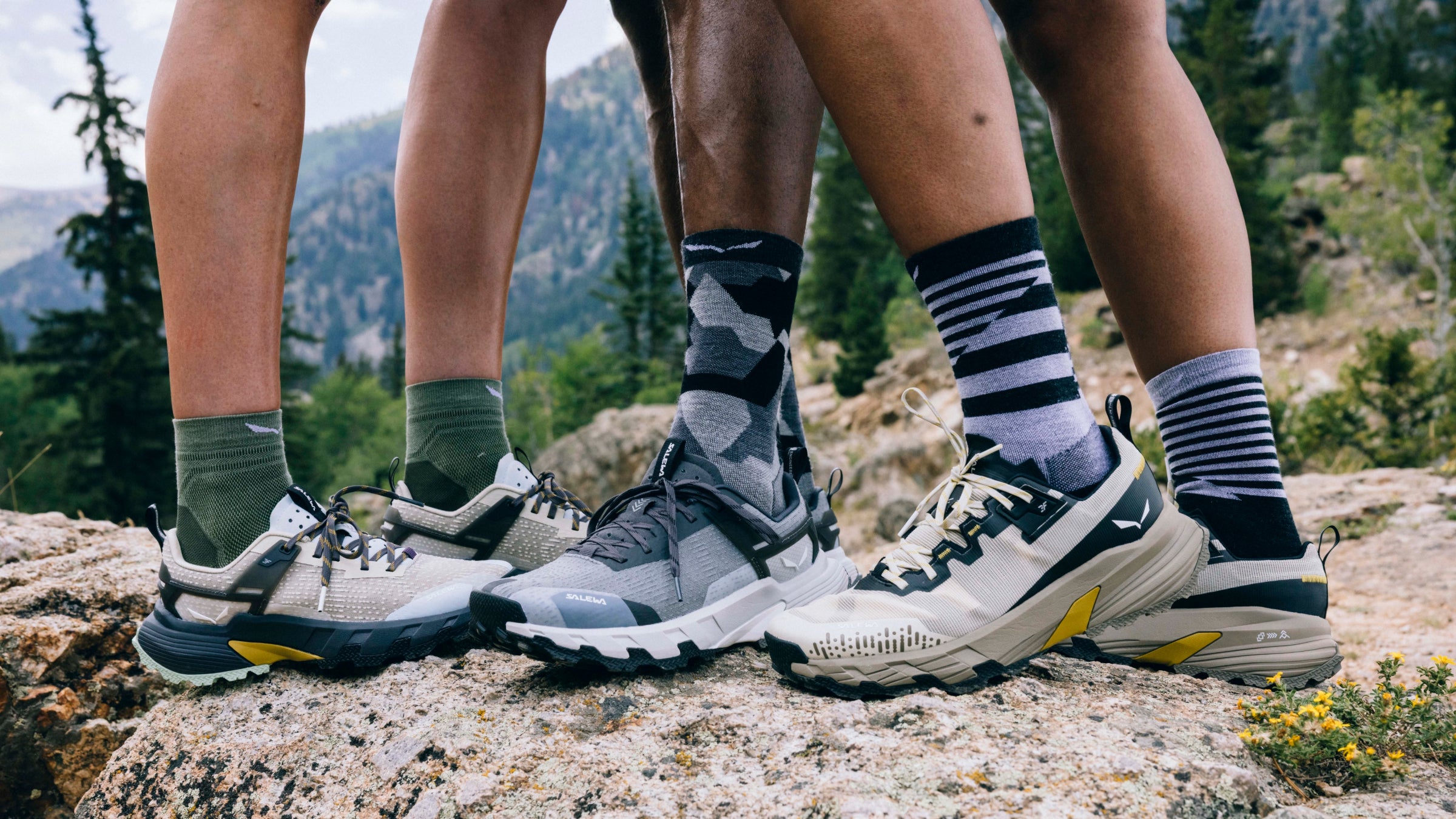
The outsole features a proprietary rubber compound with multi-directional lugs. These lugs are strategically spaced to prevent mud buildup while providing "braking" power on descents and "climbing" traction on ascents. The design specifically targets the transition between different geological surfaces, ensuring that the grip remains consistent when moving from soft dirt to hard, wet rock—a common occurrence in alpine environments.
Material Innovation and the Shift Toward Sustainability
In response to increasing environmental concerns within the outdoor industry, Salewa has integrated sustainable materials into the construction of the Pedroc 2. The upper is crafted from a custom-engineered mesh made of 100% recycled three-yarn polyester jacquard. This material choice serves a dual purpose: it significantly reduces the carbon footprint of the manufacturing process and provides superior durability compared to standard single-layer meshes.
Jacquard weaving allows for varying degrees of tension and breathability within a single piece of fabric. In the Pedroc 2, the weave is tighter in high-wear areas—such as the midfoot and heel—and more open over the forefoot to facilitate moisture vapor escape. This thermal regulation is essential for high-output activities where foot perspiration can lead to friction-related injuries such as blisters.
Furthermore, the shoe incorporates subtle yet effective protective elements. The toe and heel caps are reinforced with lightweight overlays that guard against abrasion from rocks and roots. These reinforcements are applied via a heat-bonding process rather than traditional stitching, which eliminates potential pressure points and reduces the overall weight of the upper.
Historical Context: The Evolution of Salewa
To understand the significance of the Pedroc 2, one must look at the historical trajectory of the Salewa brand. Founded in 1935 in Munich, Germany, the company initially produced leather goods and saddlery. Following World War II, Salewa pivoted toward mountain equipment, gaining international recognition for the development of the fully adjustable light-metal crampon and the tubular ice screw—innovations that revolutionized alpinism.
In 1990, the company was acquired by the Oberalp Group and moved its headquarters to Bolzano, Italy. This relocation was more than a logistical change; it placed the brand at the heart of one of the world’s most iconic climbing and hiking destinations. The proximity to the Dolomites allowed for a more iterative and direct product development cycle. The Pedroc 2 is the latest iteration of this heritage, representing the transition from "hard" mountaineering hardware to "soft" technical apparel and footwear that emphasizes speed and accessibility.
Market Analysis and the Speed Hiking Phenomenon
The release of the Pedroc 2 comes at a time when the outdoor industry is experiencing a "fast-and-light" boom. Market data indicates that consumers are increasingly seeking gear that is multi-functional. The Pedroc 2 is positioned to capture this demographic, appealing to trail runners who want more protection for long-distance mountain days, as well as traditional hikers looking to shed weight from their kit.
Industry analysts suggest that the "speed hiking" segment is one of the fastest-growing niches in footwear. This growth is driven by a younger demographic that views mountain sports as a form of fitness, similar to road running or cycling. For these users, the Pedroc 2’s aesthetic—which leans toward a modern, athletic silhouette—is as important as its technical performance. By offering the shoe in both men’s and women’s specific lasts and multiple colorways, Salewa is targeting a broad global audience beyond the European alpine core.
User Ergonomics: Addressing the Long-Distance Swell
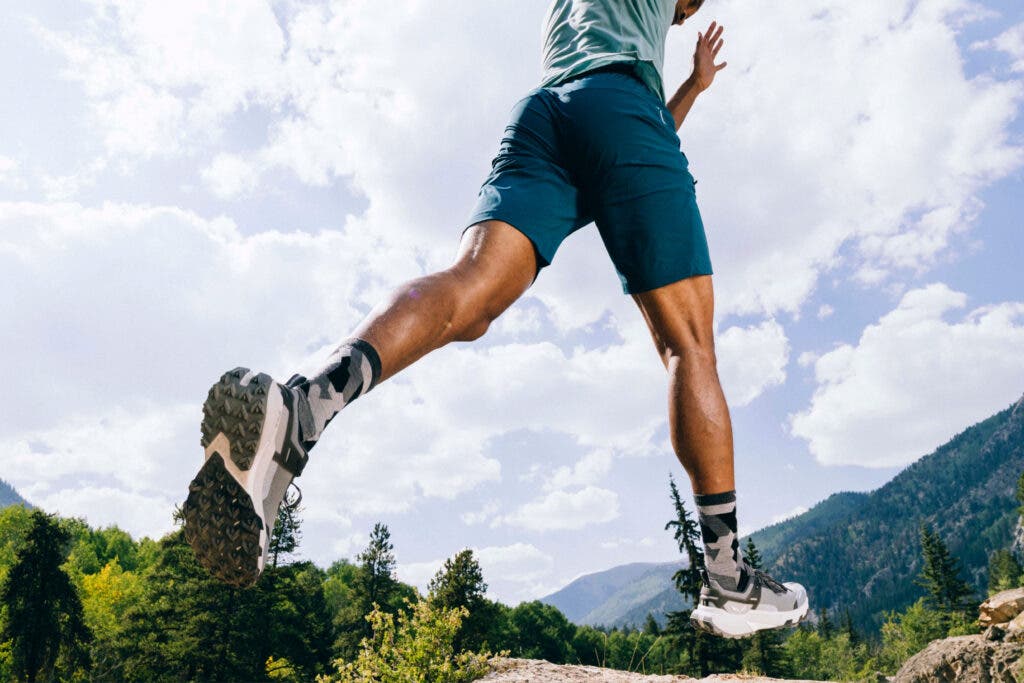
One of the most praised features of the Pedroc 2 by early testers is the anatomical "wide fit." During prolonged physical activity, particularly in high-altitude or high-temperature environments, the human foot naturally swells due to increased blood flow and fluid retention. Traditional narrow-lasted hiking shoes can become restrictive under these conditions, leading to discomfort and reduced circulation.
Salewa’s decision to implement a more generous forefoot volume allows the toes to splay naturally. This not only improves comfort over 10 to 15-mile days but also enhances stability. A wider base of support at the toes provides better lateral balance, which is vital when navigating the uneven terrain typical of backcountry trails. This ergonomic consideration reflects a deeper understanding of long-distance hiking mechanics that sets the Pedroc 2 apart from standard cross-training shoes.
Safety and Visibility in Alpine Conditions
Safety remains a paramount concern for any equipment designed for mountain use. The Pedroc 2 includes integrated reflective details within its styling. While often overlooked, reflectivity is a crucial safety feature for hikers whose excursions may begin in the pre-dawn hours or extend past sunset due to unforeseen delays.
Additionally, the shoe’s lacing system is designed to provide a secure "wrap" around the midfoot, preventing the foot from sliding forward within the shoe during steep descents. This internal stability is essential for preventing "toe bang" and ensuring that the hiker maintains precise control over their foot placement on technical ground.
Broader Impact and Industry Implications
The introduction of the Pedroc 2 is likely to influence future design trends within the outdoor footwear sector. As brands compete to provide the lightest yet most durable equipment, the use of recycled jacquard and rockered midsole geometries will likely become industry standards. Salewa’s commitment to combining traditional alpine reliability with progressive, athletic design elements provides a blueprint for the future of mountain footwear.
Furthermore, the Pedroc 2 underscores the importance of regional design hubs. By remaining tethered to the Dolomites, Salewa ensures that its products are tested against the harshest realities of the mountain environment. This "provenance of performance" is a powerful marketing tool in an increasingly crowded global market, reassuring consumers that the gear they purchase is capable of handling the rigors of the world’s most challenging trails.
In conclusion, the Salewa Pedroc 2 is more than just a footwear release; it is a testament to the evolving nature of mountain sports. By prioritizing weight reduction, biomechanical efficiency, and sustainable manufacturing, Salewa has created a tool that empowers hikers to explore further and faster. Whether utilized for a quick sunset hike or a multi-week traverse of an alpine range, the Pedroc 2 delivers the technical performance required for the modern era of exploration. As the boundaries between hiking and running continue to blur, the Pedroc 2 stands as a definitive benchmark for what a speed hiking shoe should be.


 Dwi Wanna
 Budi Mulyono
 Lukman Taruna Persada Ramadan
 Chandra Hamzah
 Gabriela Annisa