Dwi Wanna
The intersection of professional productivity and global travel has undergone a structural shift over the last decade, transitioning from the improvised setups of early digital nomads to a sophisticated industry of integrated coliving and coworking environments. As remote work adoption has accelerated—supported by data from Global Workplace Analytics suggesting that the number of Americans working remotely at least part-time has grown by over 400% since 2010—the demand for stable, professional-grade infrastructure for location-independent workers has reached an all-time high.
Central to this transformation is the emergence of platforms like Outsite, which provide a bridge between the transient nature of backpacking and the stability of a permanent office. By consolidating residential living with enterprise-standard workspace, these platforms address the primary pain points of the modern remote workforce: inadequate internet connectivity, social isolation, and the lack of ergonomic workspaces in short-term rental markets.
The Evolution of Remote Infrastructure
The digital nomad movement, which gained traction in the early 2010s, was originally characterized by an reliance on public Wi-Fi networks in cafes and the limitations of traditional hospitality. This era was defined by "hunching" in hostel common rooms or navigating the unreliable connectivity of residential Airbnbs.
Founded in 2015, Outsite began as a specialized experiment in Santa Cruz, California, targeting individuals who sought to integrate professional output with outdoor recreation. This model represented a departure from the traditional hostel, which focused on low-cost, high-density housing, and instead pivoted toward the "boutique" model. By 2024, the platform had scaled to over 50 global locations, serving a member base exceeding 5,000 active remote workers. This growth mirrors the broader industry trend, where companies are increasingly investing in "work-from-anywhere" infrastructure to retain talent in a post-pandemic economic landscape.
Operational Model and Structural Design
Outsite operates on a dual-track business model: nightly bookings available to the public and a subscription-based membership program. This structure is designed to cater to both the "weekend warrior" and the long-term digital nomad.
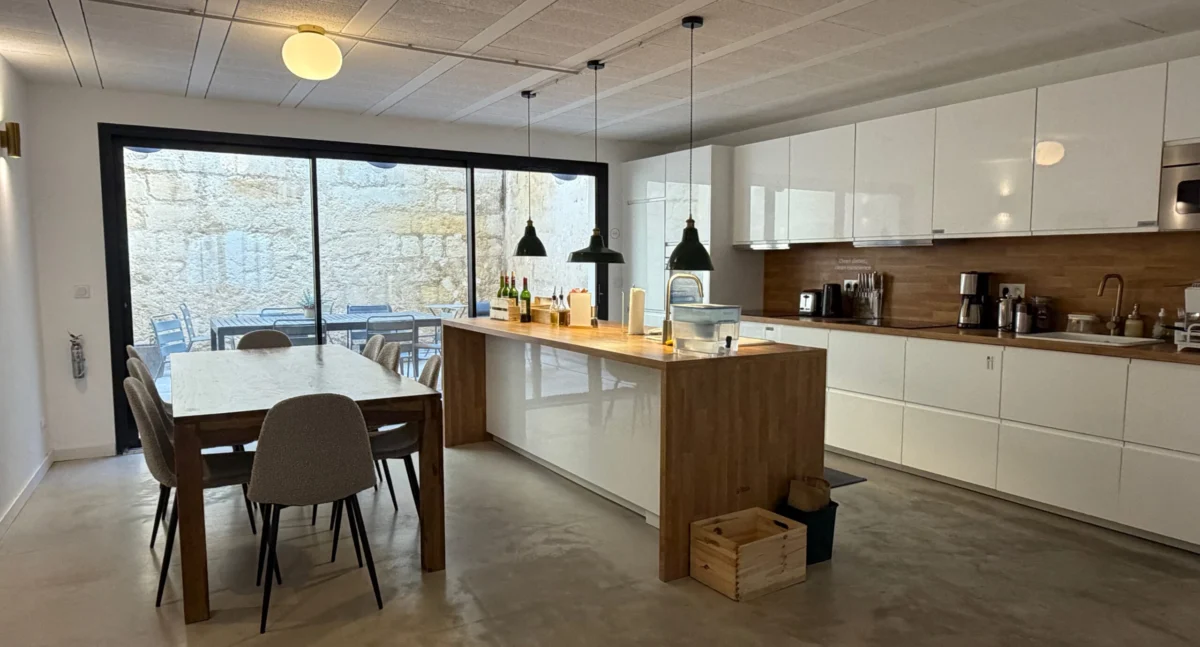
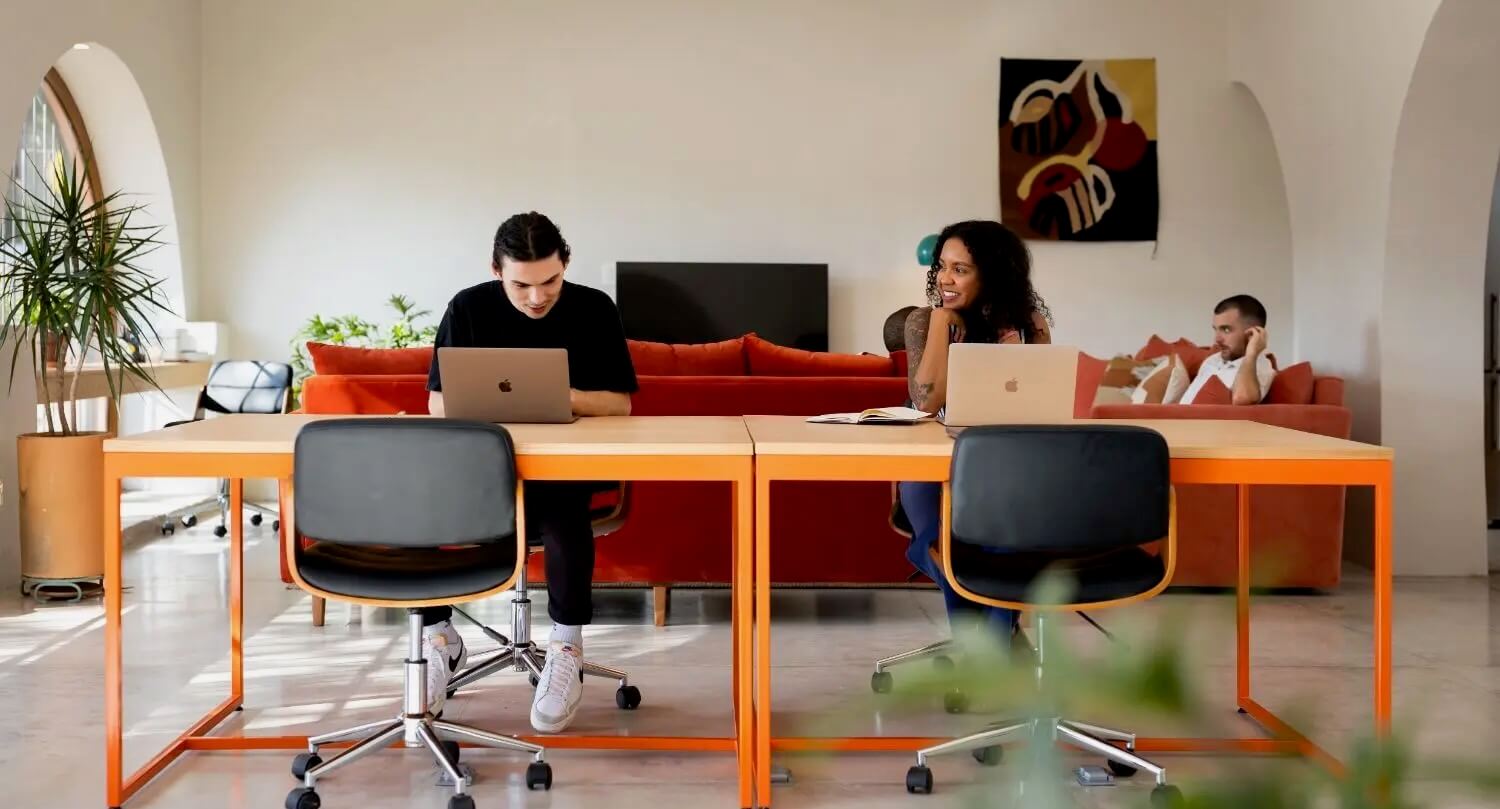
The core of the Outsite model is the integration of high-bandwidth, enterprise-grade internet and ergonomic workstations within a residential setting. Unlike standard coworking spaces that require a commute, these environments place the desk within the living quarters. Architectural design choices in these spaces prioritize natural light, sound-dampened workspaces, and communal areas that facilitate both deep work and networking.
Membership Tiers and Economic Impact
The membership program, priced at $199 annually or $499 for a lifetime designation, provides a financial incentive for frequent travelers. By consolidating the costs of separate coworking and residential bookings into a single, optimized package, users often see a reduction in overhead. Analysis of current market trends indicates that as cities implement stricter regulations on short-term rentals, the "coliving" model provides a more legally compliant and stable alternative for medium-term stays.
Community Curation and Social Dynamics
One of the most significant challenges identified by remote workers is the psychological impact of isolation. According to studies by Buffer and other industry researchers, approximately 20% of remote workers cite loneliness as their primary struggle. To mitigate this, Outsite and similar platforms employ a "Community Manager" at each location.
This role is distinct from traditional hospitality management; it is a facilitative position designed to curate social cohesion. By leveraging localized communication platforms like WhatsApp, community managers organize professional networking events, shared meals, and weekend excursions. This approach creates an environment where occupants share similar professional trajectories, thereby fostering a "peer-to-peer" learning environment that is difficult to replicate in hotels or solo rental properties.
Market Trends and Industry Challenges
While the industry is growing, it is not without challenges. The primary obstacle remains the conflict between rapid expansion and the preservation of the "curated" environment that defines these spaces. Furthermore, as the sector matures, it faces scrutiny regarding housing availability in tourist-heavy cities.
Scalability and Geographic Constraints
Popular destinations, such as Lisbon, Costa Rica, or Bordeaux, experience high occupancy rates that necessitate booking lead times of several months. This lack of spontaneity is a trade-off for the consistency of the service. Additionally, local regulatory frameworks in cities like New York or London often mandate minimum stay requirements (typically 30 days), which limits the flexibility of the nomadic lifestyle.
Demographic Shifts
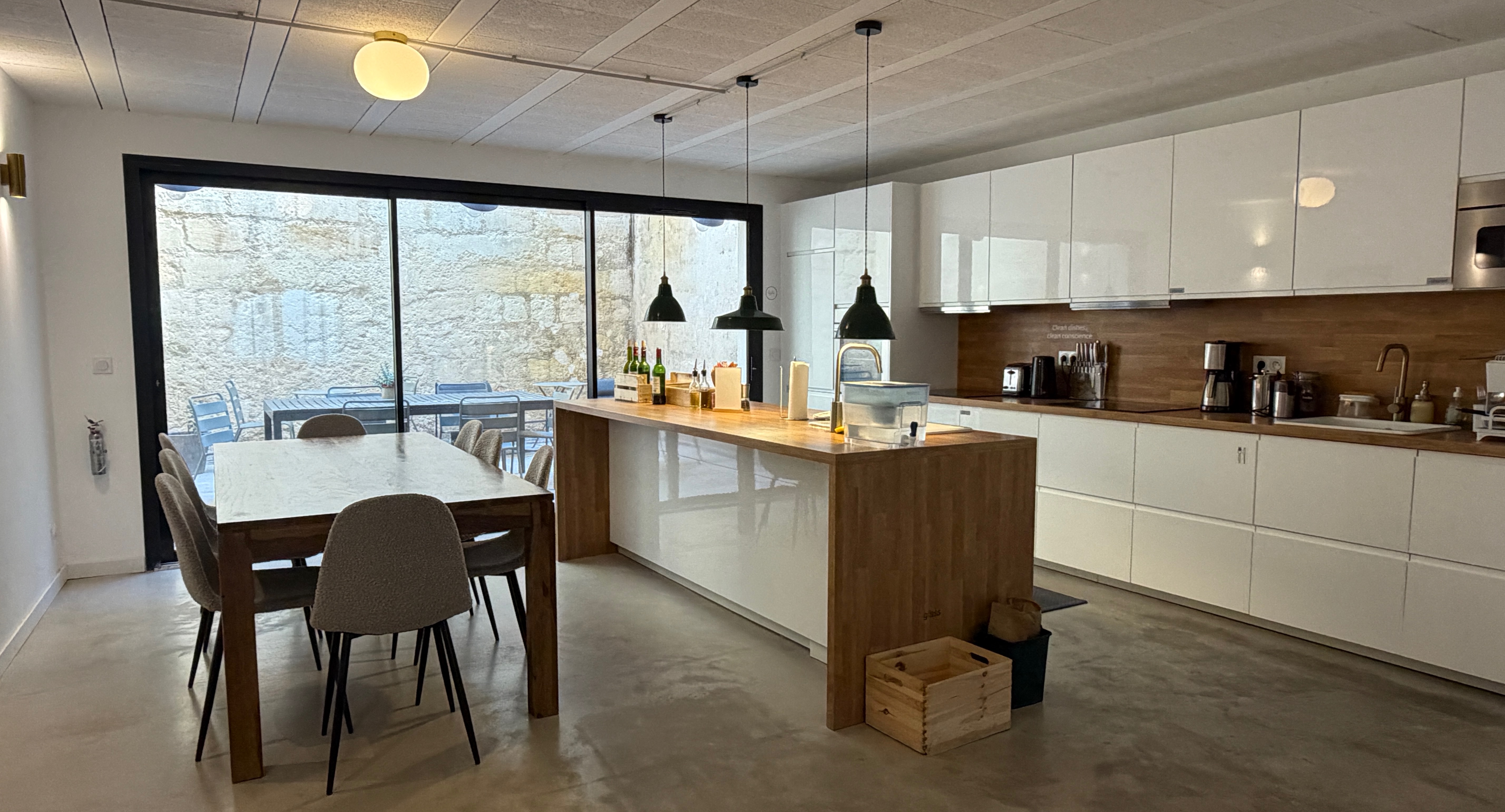
Data from the company’s internal metrics suggests that the typical user demographic consists of professionals in the 28–45 age bracket. This segment is characterized by higher disposable income and a focus on long-term career sustainability rather than short-term budget travel. This shift away from the "backpacker" demographic toward "career-focused nomads" has forced companies to invest heavily in premium amenities, including fitness facilities, high-end kitchen equipment, and aesthetic, design-forward interiors.
Economic and Strategic Implications
For the individual, the integration of work and life through coliving represents a shift in how careers are managed. Rather than viewing travel as a disruption to professional output, the coliving model positions it as a lifestyle optimization.
For the real estate and hospitality sectors, the rise of Outsite represents a new asset class. Developers are increasingly looking at "co-living" as a way to maximize utilization rates in commercial real estate that has been left vacant by the permanent shift to hybrid work. By converting underutilized office or residential assets into high-tech living hubs, these companies are effectively creating "third spaces" that serve as the new headquarters for the global gig economy.
Conclusion: The Future of the Mobile Workforce
The proliferation of integrated living and working spaces is a direct response to the structural shift in how and where human capital is deployed. As corporations continue to embrace remote and hybrid work models, the demand for "turn-key" productivity environments will likely continue to outpace supply.
While the "Outsite" model remains a premium, curated experience compared to the fragmented options of the past, it provides a blueprint for the future of professional mobility. By reducing the logistical burden of travel—secure internet, reliable desks, and professional community—the model allows the individual to focus on high-value work while maintaining a consistent quality of life. As this sector continues to evolve, the emphasis will likely shift toward greater integration with local ecosystems, deeper sustainability efforts, and a wider geographic footprint, further legitimizing the digital nomad as a permanent fixture of the modern global economy.
For those considering this path, the financial and logistical planning remains paramount. Whether utilizing credit card points for travel, maintaining comprehensive international health insurance, or navigating the complexities of regional visa requirements, the successful remote professional is one who treats their lifestyle as a managed business venture. As platforms like this continue to refine their offerings, the barrier to entry for a location-independent career will continue to lower, ultimately reshaping the geographic distribution of the global workforce.


 Lukman Taruna Persada Ramadan
 Tatiana Tantri Indah Sari
 Anjar Salim

 Budi Mulyono