
 Dwi Wanna

Home to approximately 3.5 million residents, Madrid stands as the largest city in Spain and a preeminent hub for European commerce, art, and governance. As the nation’s capital, it serves as the seat of the Spanish government and the residence of the Spanish monarch. With an annual influx of over 10 million visitors, the city has consolidated its position as a pillar of the European tourism economy, supported by its extensive transit infrastructure, preserved architectural heritage, and a service sector that operates on a distinctively Mediterranean schedule.
The city’s urban morphology is defined by its expansion from a medieval fortress town into a sprawling modern metropolis. This evolution has resulted in a diverse landscape ranging from the narrow, winding streets of the Habsburg era to the expansive, grand boulevards constructed during the 19th and 20th centuries.
Historical Context and Urban Development
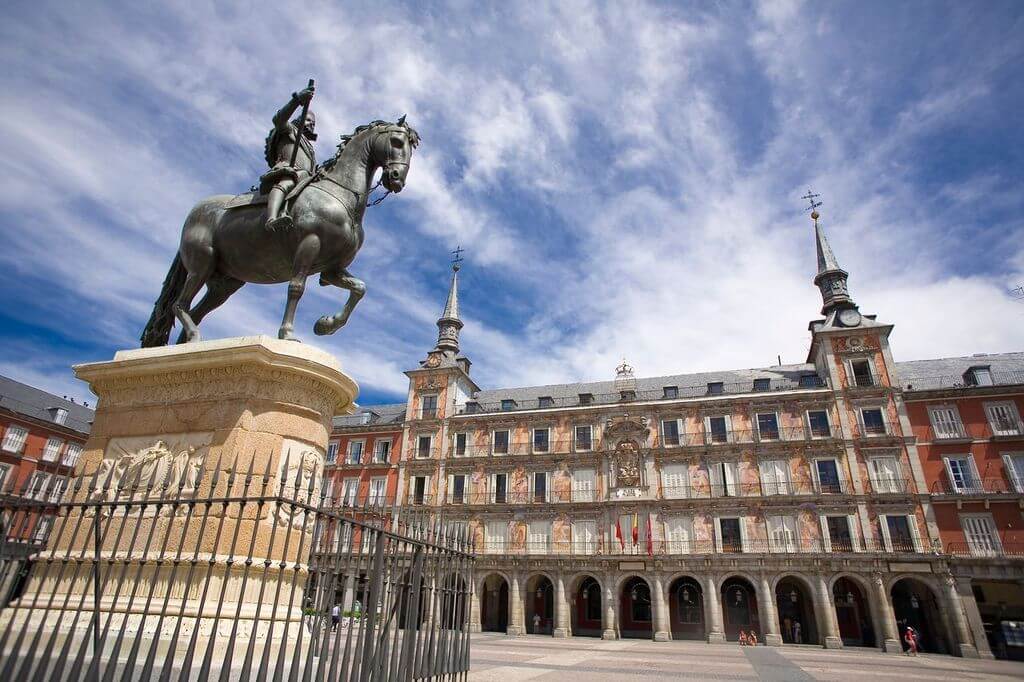
Madrid’s status as a capital was solidified in 1561 when King Philip II moved the royal court from Toledo. This historical pivot transformed the city into the center of the Spanish Empire. The "Madrid de los Austrias" district remains a testament to this period, featuring the Plaza Mayor, which was inaugurated in 1620.
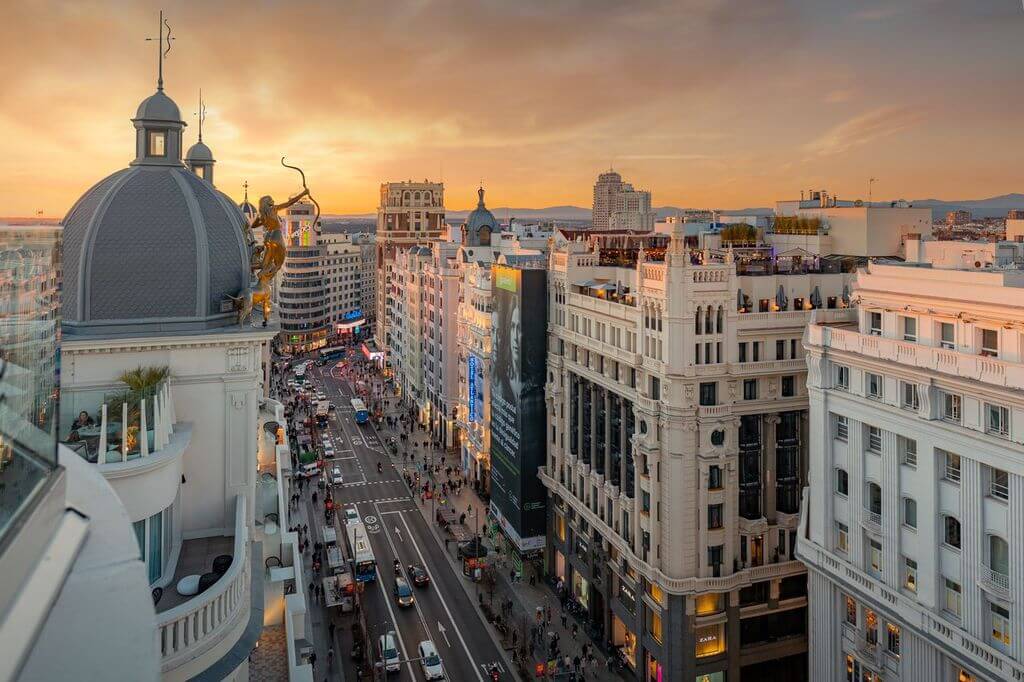
In the centuries that followed, Madrid underwent significant modernization. The 19th century saw the creation of the Gran Vía, a major artery designed to alleviate traffic congestion and symbolize the city’s entry into the modern era. Today, the city is classified as a global city, with its economic output contributing significantly to Spain’s GDP through sectors such as finance, tourism, and technology.
Day 1: The UNESCO Art Walk and Institutional Culture
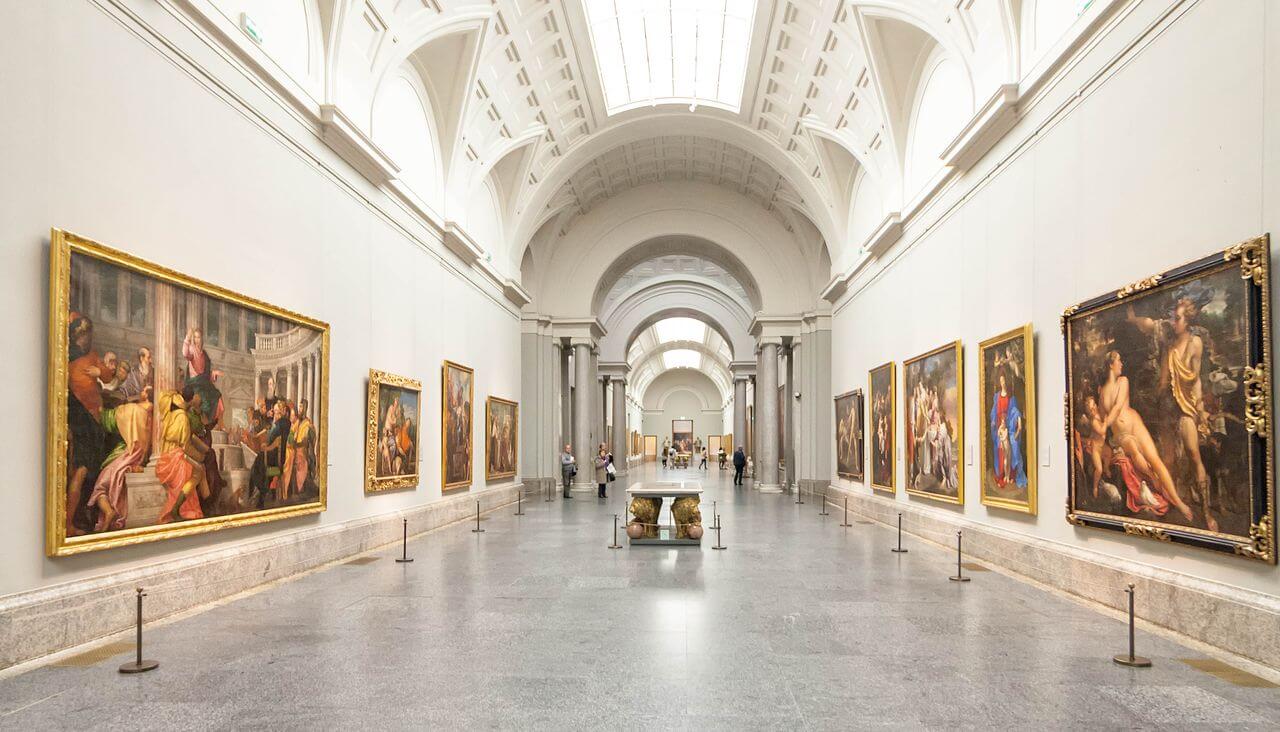
The cultural itinerary of Madrid is anchored by the "Landscape of Light," a UNESCO World Heritage site designated in 2021. This area includes the Paseo del Prado and the Buen Retiro Park. The Prado Museum serves as the primary institution within this corridor. Established in 1819, the museum houses one of the world’s most significant collections of European art, spanning the 12th to the early 20th centuries.
Key institutions in this district include:
- The Prado Museum: Features works by Diego Velázquez, Francisco Goya, and El Greco. It functions not only as an art gallery but as a repository of Spanish national identity.
- The Thyssen-Bornemisza Museum: A private collection that bridges the gap between historical masters and contemporary movements, including Pop Art and Constructivism.
- The Reina Sofía Museum: Dedicated to 20th-century art, it is best known for housing Pablo Picasso’s 1937 masterpiece, Guernica. The painting serves as a critical historical record of the Spanish Civil War and remains a centerpiece of global anti-war iconography.
Day 2: The Habsburg Legacy and Royal Administration
The administrative and historical heart of the city remains the Royal Palace, or Palacio Real. Built on the site of a 9th-century Alcázar, the current structure was completed in the 18th century following a fire. While the Spanish Royal Family resides at the Palace of Zarzuela, the Royal Palace of Madrid remains the official residence for state ceremonies.
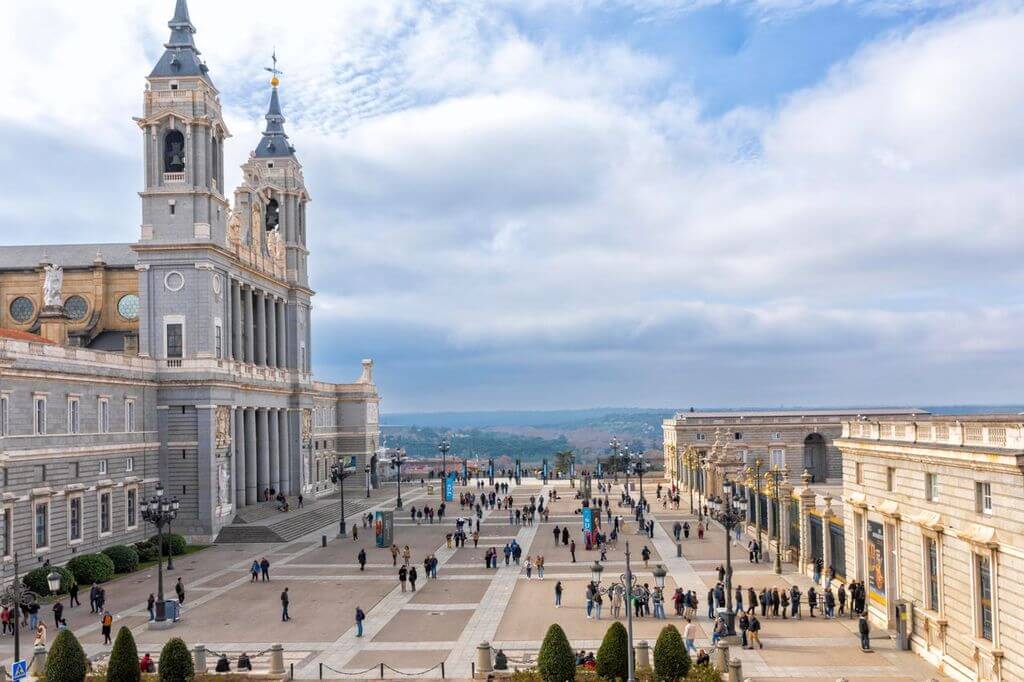
The proximity of the Almudena Cathedral to the Palace underscores the historical intertwining of church and state in Spain. The cathedral’s construction was a protracted process that spanned over a century, beginning in 1883 and concluding with its consecration by Pope John Paul II in 1993. This delay reflects the complex political and financial shifts in Spain during the 20th century.
Day 3: Gastronomic Infrastructure and Economic Impact
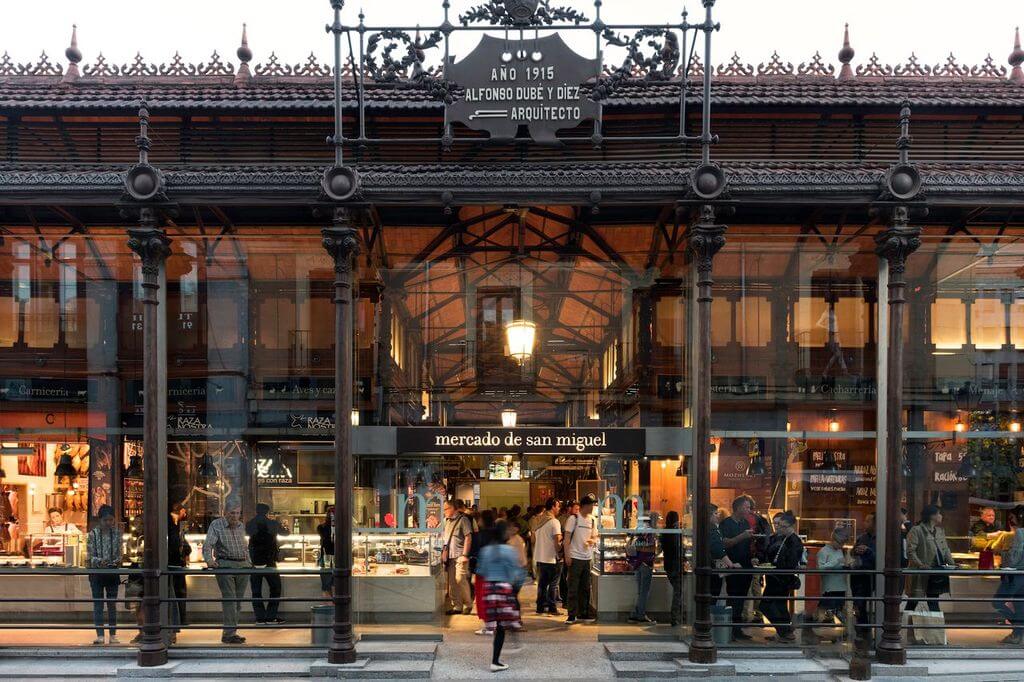
Madrid’s food sector is a vital component of its tourism economy. Gastronomic markets, such as the Mercado de San Miguel, have been revitalized as centers of both commerce and social interaction. These venues play a role in the "tapas culture," which is a fundamental aspect of the local service economy.
Economic data suggests that tourism-related spending in the hospitality sector is a primary driver of employment in Madrid. The integration of high-end dining, such as the historic Sobrino de Botín—recognized by Guinness World Records as the oldest continuously operating restaurant in the world—with modern culinary trends has established Madrid as a global destination for food tourism.
Day 4: Regional Proximity and UNESCO Heritage Sites
Madrid’s strategic location allows for efficient day trips to surrounding UNESCO sites, which are essential for understanding the broader Spanish historical context.
- San Lorenzo de El Escorial: A 16th-century monastery and royal site that reflects the religious and political fervor of the Counter-Reformation.
- The Royal Palace of Aranjuez: A demonstration of the Bourbon dynasty’s architectural influence, utilizing the Tagus River to create a complex landscape of gardens and palaces.
- Alcalá de Henares: A university city that holds significance as the birthplace of Miguel de Cervantes, the author of Don Quixote. The city’s historic center is a prime example of a planned university town, influencing academic urban design across the Americas during the colonial era.
Day 5: Cloistered Collections and Public Spaces
The final phase of a cultural assessment of Madrid involves visiting the Monastery of Las Descalzas Reales and the Royal Monastery of La Encarnación. These sites provide insight into the role of the nobility and the clergy in accumulating art during the 16th and 17th centuries.
The Casa de Campo, originally a royal hunting ground, was opened to the public in 1931. Covering 1,722 hectares, it represents one of the largest urban parks in Europe, illustrating the city’s commitment to preserving green space within a dense urban core.
Analytical Implications for Tourism and Preservation
The influx of visitors poses both opportunities and challenges for the city’s administration. Managing the "Landscape of Light" requires balancing the preservation of fragile artifacts and historical structures with the demand for public access.
Urban planning in Madrid has increasingly focused on pedestrianizing central areas to reduce air pollution and improve the quality of life for residents. The expansion of the metro system, which is one of the most extensive in Europe, facilitates the movement of millions of passengers annually, ensuring that the city remains accessible even during peak tourist seasons.
Logistical Framework for International Travelers
For those planning to visit, logistical considerations remain paramount. Madrid-Barajas Adolfo Suárez Airport serves as the primary international gateway, connected to the city center via the Cercanías train network and the Metro.
The hospitality sector in Madrid is highly competitive, with a range of options from state-run luxury hotels (Paradores) to privately owned hostels. Travelers are encouraged to utilize official tourism portals to verify the legitimacy of accommodation and tour providers.
Summary of Key Data Points
- Population: ~3.5 million.
- Annual Visitors: Over 10 million.
- UNESCO Sites: Paseo del Prado and Buen Retiro Park (Landscape of Light), El Escorial, Aranjuez, and Alcalá de Henares.
- Transportation: Madrid Metro (13 lines, over 300 stations), Cercanías rail network.
As Madrid continues to navigate the complexities of global tourism, its strategy remains rooted in the synthesis of its historical past with a forward-looking urban design. The city’s ability to maintain its cultural heritage while fostering a vibrant, modern economy remains a benchmark for European capital cities. For the informed traveler, a five-day exploration offers a granular look at the institutions, architecture, and social structures that define this essential Mediterranean hub.



 Lukman Taruna Persada Ramadan

 Budi Mulyono
 Cholid Fahmi Thalib

 Diana Nuri Rohmawati

 Tatiana Tantri Indah Sari

 Anjar Salim
