Chandra Hamzah
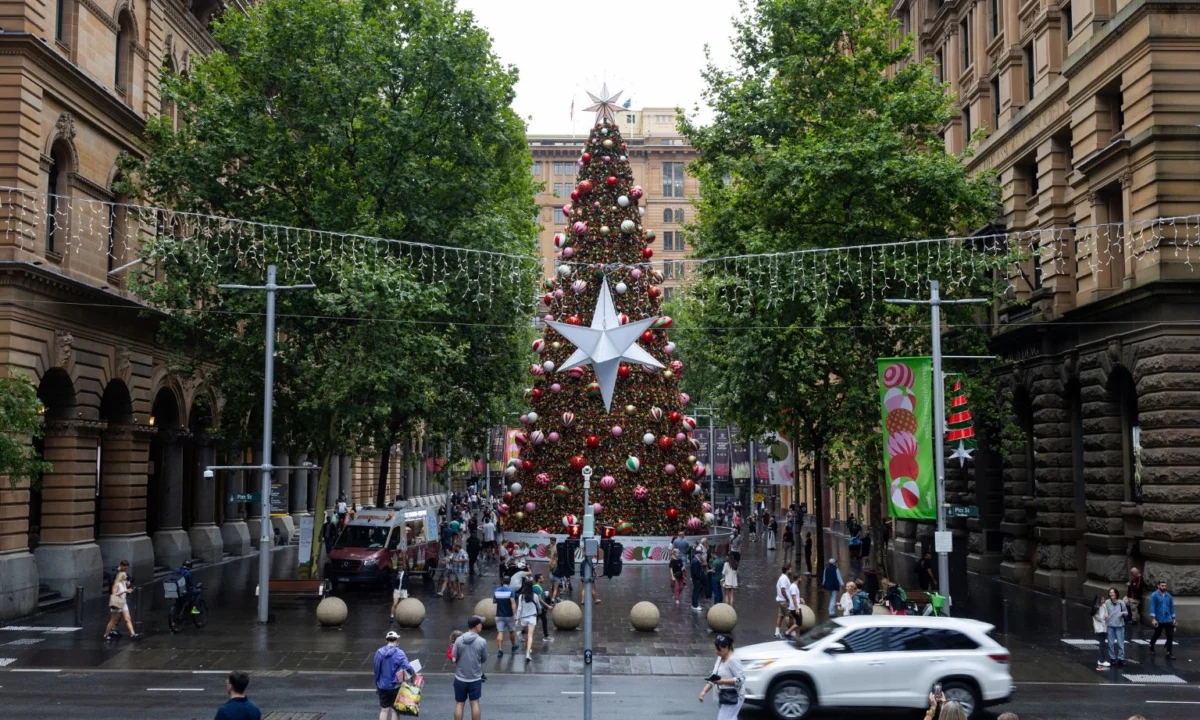
The Australian cruise industry is witnessing a significant surge in demand for holiday-season sailings as travelers increasingly trade traditional terrestrial celebrations for the unique offerings of a maritime environment. As the 2026 festive season approaches, major cruise lines operating out of Sydney and Brisbane are reporting robust interest in itineraries spanning the South Pacific, the Tasman Sea, and the Australian coastline. This trend reflects a broader shift in consumer behavior, where families and multi-generational groups are prioritizing convenience and experiential travel over the logistical burdens of hosting traditional holiday gatherings.
The Evolution of Festive Maritime Travel
For many Australian households, the end-of-year period is historically characterized by domestic travel or stationary festivities. However, the cruise sector has successfully positioned itself as a comprehensive alternative that mitigates the stressors of holiday management—specifically meal preparation, cleaning, and entertainment logistics. By centralizing these services within a single venue, cruise operators provide an environment that caters to diverse age groups simultaneously.
Industry analysts note that while holiday sailings command a premium—often 15% to 25% higher than off-peak shoulder-season rates—the value proposition remains strong for consumers. The inclusion of high-end entertainment, multi-course dining, and specialized holiday programming provides a predictable cost structure that many find preferable to the fluctuating expenses of peak-season land-based hospitality.
Chronology of Available 2026 Festive Itineraries
The 2026 calendar offers a diverse range of departures, beginning mid-December and extending through the first week of January 2027. The following selection highlights the strategic variety of routes currently available:
Mid-December Departures (The Pre-Christmas Window)
- December 15: Oceania Riviera departs on a 23-night voyage from Sydney to Perth. This long-haul luxury itinerary encompasses Queensland and Darwin before navigating Indonesian waters, offering an extended holiday experience.
- December 17: Carnival Splendor sets sail from Sydney for a nine-day South Pacific circuit. This itinerary is specifically timed to return passengers to Sydney on Boxing Day, bridging the gap between the festive build-up and the post-Christmas period.
- December 19: Carnival Encounter offers an eight-day roundtrip from Brisbane. This route focuses on the South Pacific, allowing guests to spend Christmas Day at sea before returning on December 27.
- December 19: Anthem of the Seas departs Sydney for a nine-night New Zealand holiday cruise, providing a cooler-climate alternative to the tropical South Pacific routes.
- December 19: Seven Seas Explorer begins a 10-night domestic focus voyage, stopping at Eden, Melbourne, Phillip Island, Geelong, and Hobart, catering to those who prefer regional exploration over international transit.
Late-December Departures (The New Year’s Window)

- December 20: Quantum of the Seas departs Brisbane for an eight-night South Pacific excursion, focusing on Noumea and Mystery Island.
- December 21: Celebrity Edge departs Sydney on a 12-night New Zealand odyssey. This premium offering is notable for spanning both the Christmas and New Year’s holidays, providing continuous festive programming.
- December 30: Carnival Encounter departs Brisbane for a 10-day South Pacific New Year’s Eve voyage, allowing guests to celebrate the transition into 2027 at sea.
Market Analysis and Consumer Implications
The decision to spend the festive period at sea involves several logistical and financial considerations. From a market perspective, the cruise lines have invested heavily in "onboard activation," meaning the experience is tailored specifically to the season. This includes traditional festive feasts, religious services, and curated entertainment—such as storytime sessions and themed parties—that replace the typical daily cruise schedule.
The financial impact for the consumer is twofold. First, the "all-inclusive" nature of these cruises helps prevent the "festive creep" often seen in land-based budgets, where unforeseen costs for gifts, food, and transport frequently exceed initial estimates. Second, the booking window for these specific dates has tightened significantly. As of late 2026, inventory is skewing toward higher-tier cabins, suggesting that value-conscious travelers are booking further in advance or opting for shorter duration sailings.
Impact on Domestic Tourism
The rise of the holiday cruise has implications for domestic port cities. With thousands of passengers disembarking and embarking in Sydney and Brisbane during the peak of the Australian summer, local tourism boards are adapting to manage the increased foot traffic. Port authorities have noted that these holiday sailings contribute significantly to the local economy, as passengers often extend their stay in the port city for several days before or after their voyage.
Furthermore, the shift toward regional Australian itineraries—such as those offered by Regent Seven Seas—indicates a growing interest in domestic luxury. By highlighting destinations like Hobart and the Victorian coastline, these lines are effectively promoting regional tourism at a time when traditional holiday traffic is typically focused on beach-side destinations.
Operational Challenges and Considerations
Operating a cruise ship during the peak of summer requires meticulous planning. Cruise lines must coordinate with port authorities to ensure that holiday staffing levels at terminals are sufficient to handle the surge in travelers. Furthermore, maritime operations must account for potentially volatile weather conditions in the South Pacific and the Tasman Sea during late December.
Industry observers also point to the sustainability aspect of these voyages. As cruise lines move toward more environmentally friendly operations, the scheduling of these festive cruises is being optimized to minimize fuel consumption while maximizing passenger satisfaction. The emphasis on "roundtrip" itineraries—which minimize the need for complex air-travel logistics for the passenger—is a key component of the modern cruise industry’s effort to streamline the travel experience.
Expert Perspectives and Future Outlook
While specific corporate responses to this year’s bookings remain internal, industry stakeholders have consistently emphasized that the "cruise-as-home" model is gaining permanent traction. For many, the ability to bypass the domestic labor of the festive season is the primary driver.

"We are seeing a maturation of the cruise market in Australia," notes one travel sector consultant. "The shift isn’t just about the convenience of having a chef prepare Christmas dinner; it’s about the social environment. The ship becomes a self-contained village where the stress of planning is offloaded to the cruise line."
Looking ahead, the industry expects this demand to remain consistent. As international travel costs fluctuate and domestic holiday infrastructure faces high demand, the cruise sector serves as a stable, predictable, and high-value option for the Australian public.
Final Considerations for Prospective Travelers
For those considering a last-minute booking for the remainder of the 2026 season, experts recommend focusing on the "total cost of ownership" rather than just the base fare. This includes checking the inclusions for beverage packages, gratuities, and specialty dining, which can vary significantly between the entry-level lines like Carnival and the luxury operators like Regent Seven Seas or Oceania.
Furthermore, travelers should be aware of the "holiday surcharge" on flights to port cities. As the cruise industry thrives, so too does the demand for air travel into Sydney and Brisbane, making it advisable to secure transit arrangements concurrently with the cruise booking.
As 2026 draws to a close, the maritime industry stands ready to host thousands of Australians. Whether the attraction lies in the pristine beaches of the South Pacific or the cultural landscapes of New Zealand, the festive cruise represents a modern evolution of the traditional holiday, prioritizing leisure and collective experience above all else. For the traveler, the choice remains clear: the familiar stresses of home, or the expansive, catered, and horizon-bound experience of a holiday at sea.

 Lukman Taruna Persada Ramadan
 Tatiana Tantri Indah Sari

 Anjar Salim

 Budi Mulyono