Anjar Salim
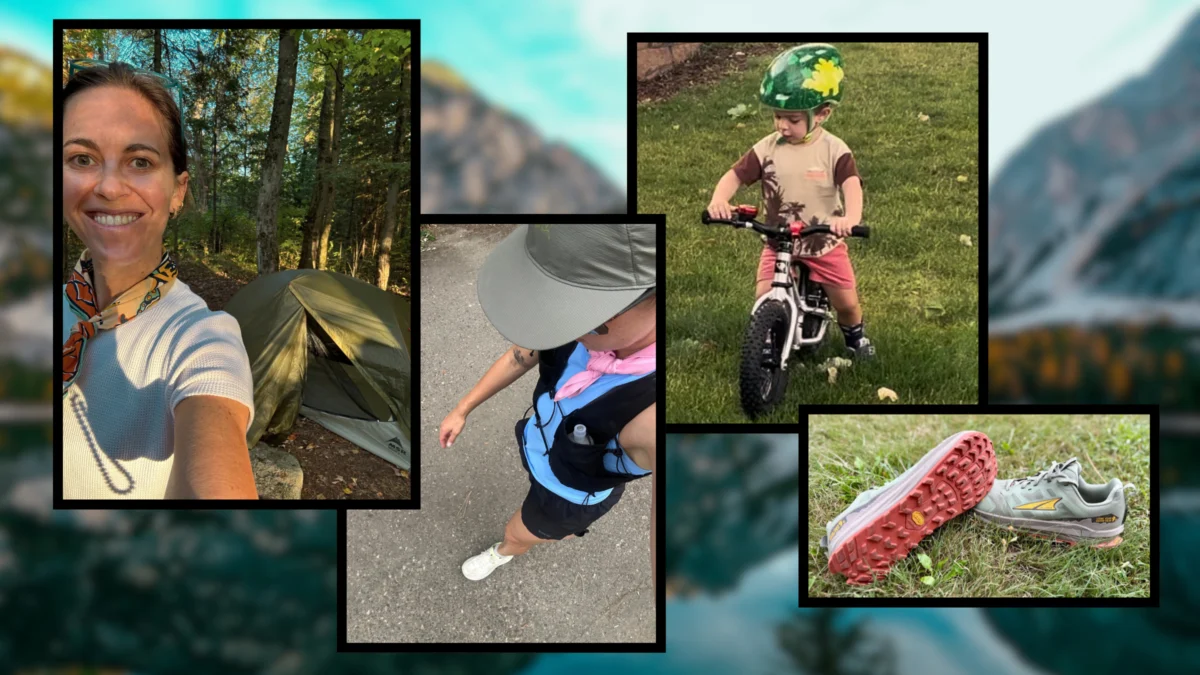
The global outdoor recreation and apparel market continues to undergo rapid technological advancements, driven by consumer demand for lighter, more versatile, and environmentally sustainable equipment. As autumn 2026 unfolds across diverse landscapes ranging from the damp coastal forests of the Pacific Northwest and the rugged granite peaks of Maine to the high deserts of New Mexico, specialty gear testers and editors have concluded their seasonal evaluations. Following rigorous field trials across varied terrains and climatic conditions, a definitive selection of standout products has emerged, offering consumers a reliable blueprint for upgrading their outdoor inventory.
The extensive multi-month testing period involved six seasoned gear editors and contributors who subjected novel apparel, footwear, hydration systems, and backcountry accessories to real-world stress tests. The resulting curation highlights items that successfully bridge the gap between technical performance and everyday utility. Among the most lauded innovations for the upcoming season are the grip-enhanced Altra Lone Peak 9+ GTX trail running shoes, the thermally efficient Ridge Merino Alpha Wool Insulated Jacket, and the ultralight Xteink X4 Pro Pocket eReader, engineered specifically for minimalist backcountry travelers.
Rigorous Field Testing Protocols Across Global Landscapes
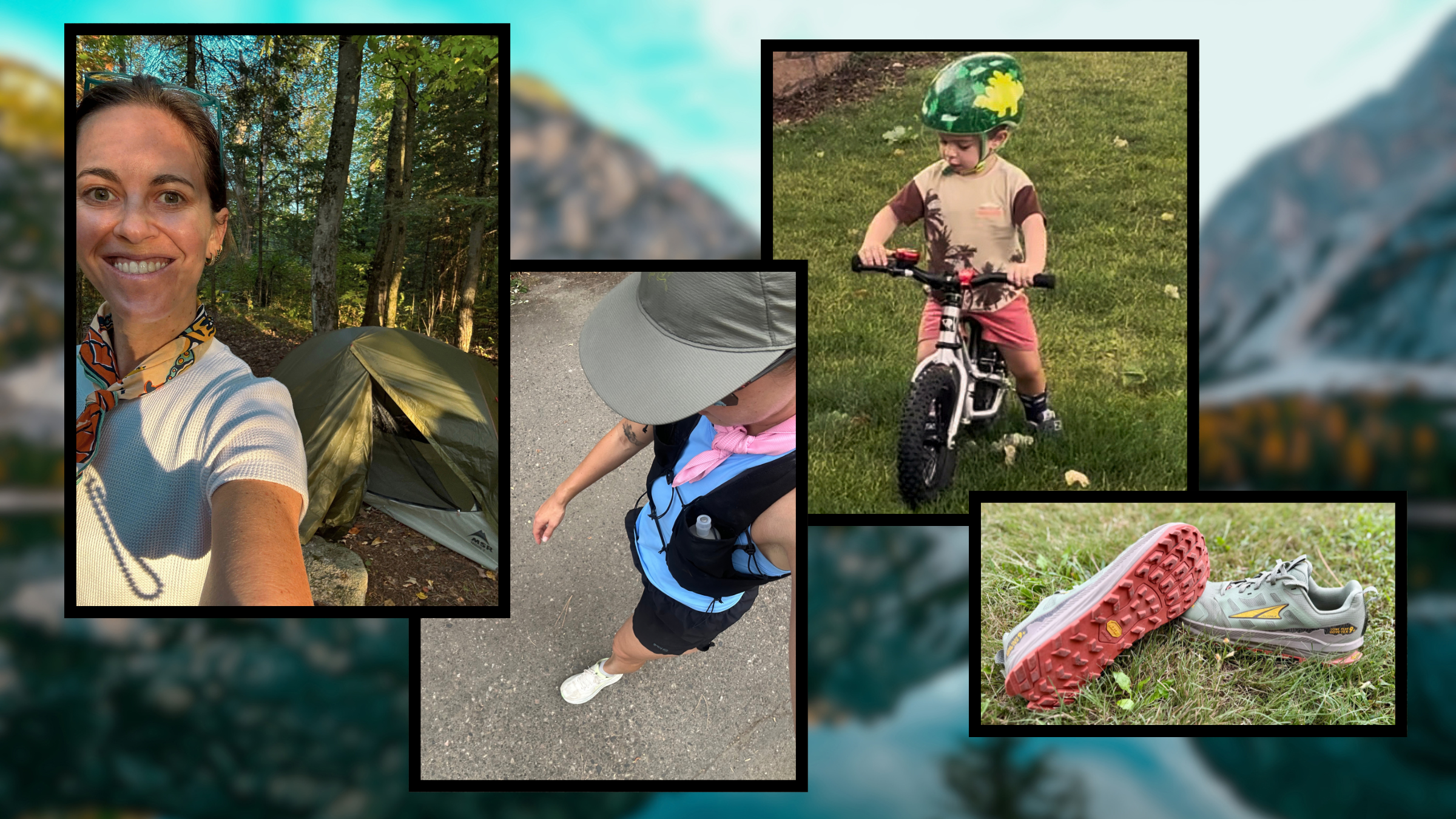
The evaluation process for the autumn 2026 gear cycle spanned several distinct geographic regions, ensuring that each product faced exhaustive environmental stressors. Field tests were conducted in extreme summer heat in New Mexico, persistent late-September rainfall in the Northeast, coastal trails in Oregon, and urban commuting environments in Copenhagen. This multifaceted testing strategy is standard practice among leading outdoor publications, designed to assess durability, moisture management, thermal regulation, and ergonomic comfort under varying atmospheric conditions.
Industry analysts note that consumer expectations for outdoor gear have shifted significantly over the past decade. Modern buyers increasingly demand multi-sport functionality—apparel and equipment that can transition seamlessly from technical alpine ascents to urban commuting and casual travel. The items highlighted in the latest editorial roundup reflect this industry-wide pivot toward versatility, sustainability, and weight minimization.
Footwear and Trail Innovation: Navigating Wet and Dry Terrain
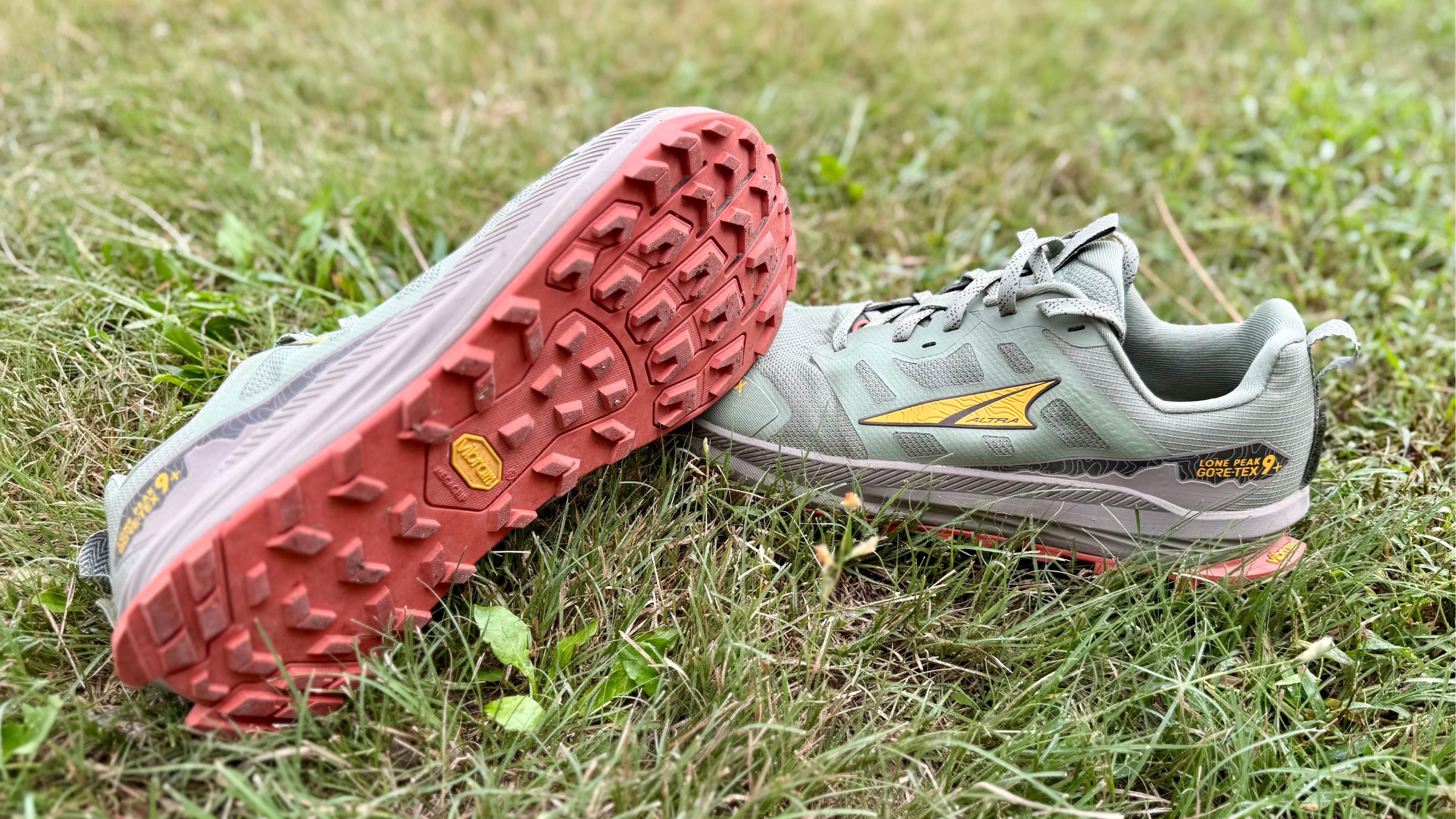
Footwear technology remains one of the most competitive segments in the outdoor industry, particularly regarding waterproof-breathable membranes and outsole traction. Jonathan Beverly, senior gear editor, conducted intensive field evaluations of the Altra Lone Peak 9+ GTX ($180) during early September across the maritime trails of Acadia National Park in Maine, as well as prior trials in Rocky Mountain National Park and the Nebraska sandhills.
The footwear market has historically struggled to balance waterproof protection with adequate breathability, often resulting in thermal discomfort during strenuous ascents. The Lone Peak 9+ GTX addresses this challenge through the integration of a Gore-Tex upper combined with a Vibram Megagrip outsole. During testing on wet granite, exposed roots, and seaweed-covered coastal boulders in Maine, the footwear maintained superior traction where standard models failed. Furthermore, the design preserves Altra’s signature zero-drop platform and wide toe box, offering natural foot splay without compromising midfoot security.
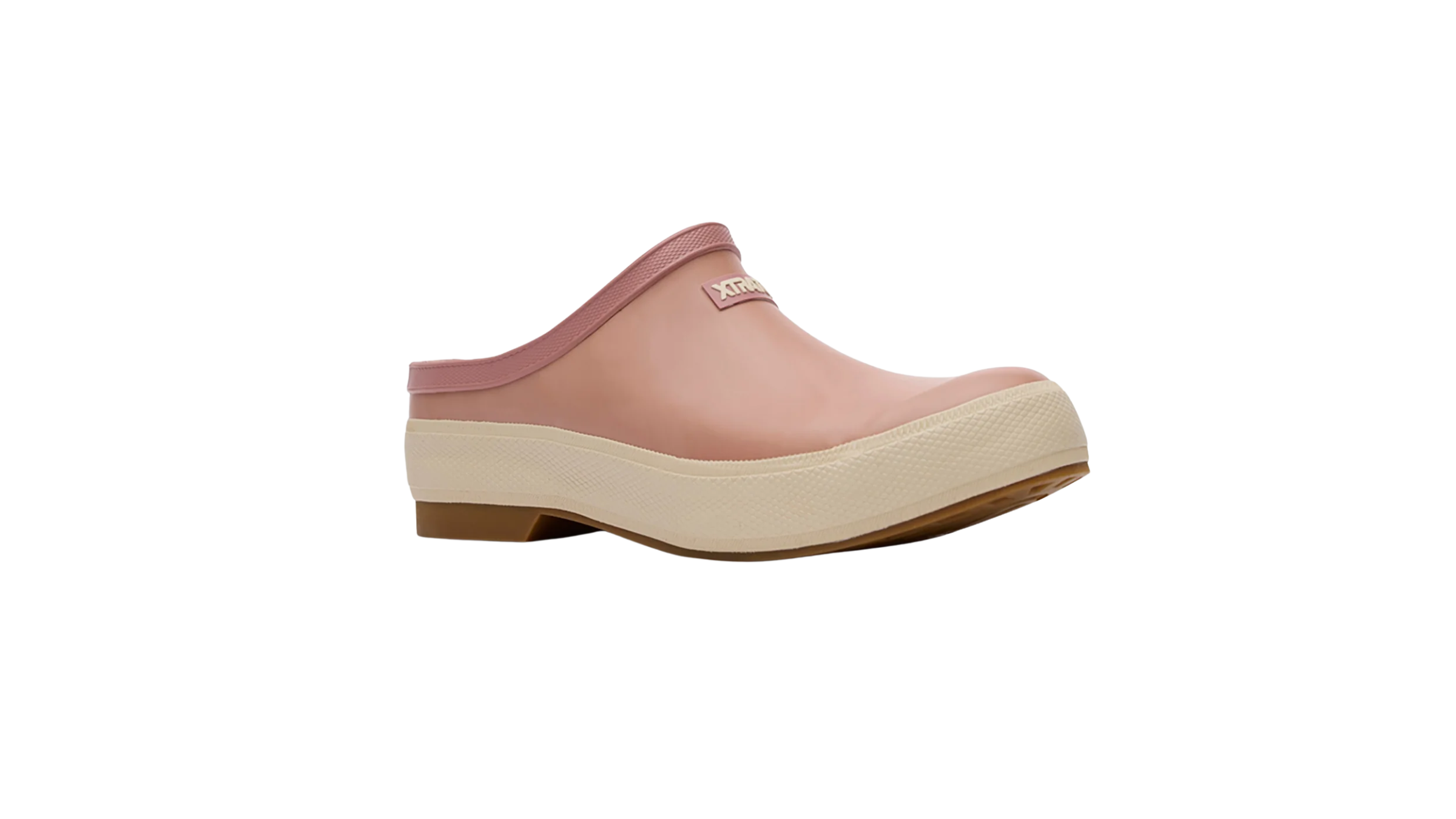
Simultaneously, the demand for versatile, slip-on footwear has expanded into the shoulder seasons. Jenny Wiegand, associate gear director, evaluated the Xtratuf Women’s Legacy Mules ($130), noting their utility for transitional weather. Borrowing the 100 percent waterproof construction and non-slip rubber outsoles from commercial-grade fishing boots, the mules provide a practical solution for wet-weather errand running and light outdoor tasks, signaling a broader market trend toward utilitarian comfort.
Apparel and Technical Textiles: Balancing Thermal Efficiency and Sustainability
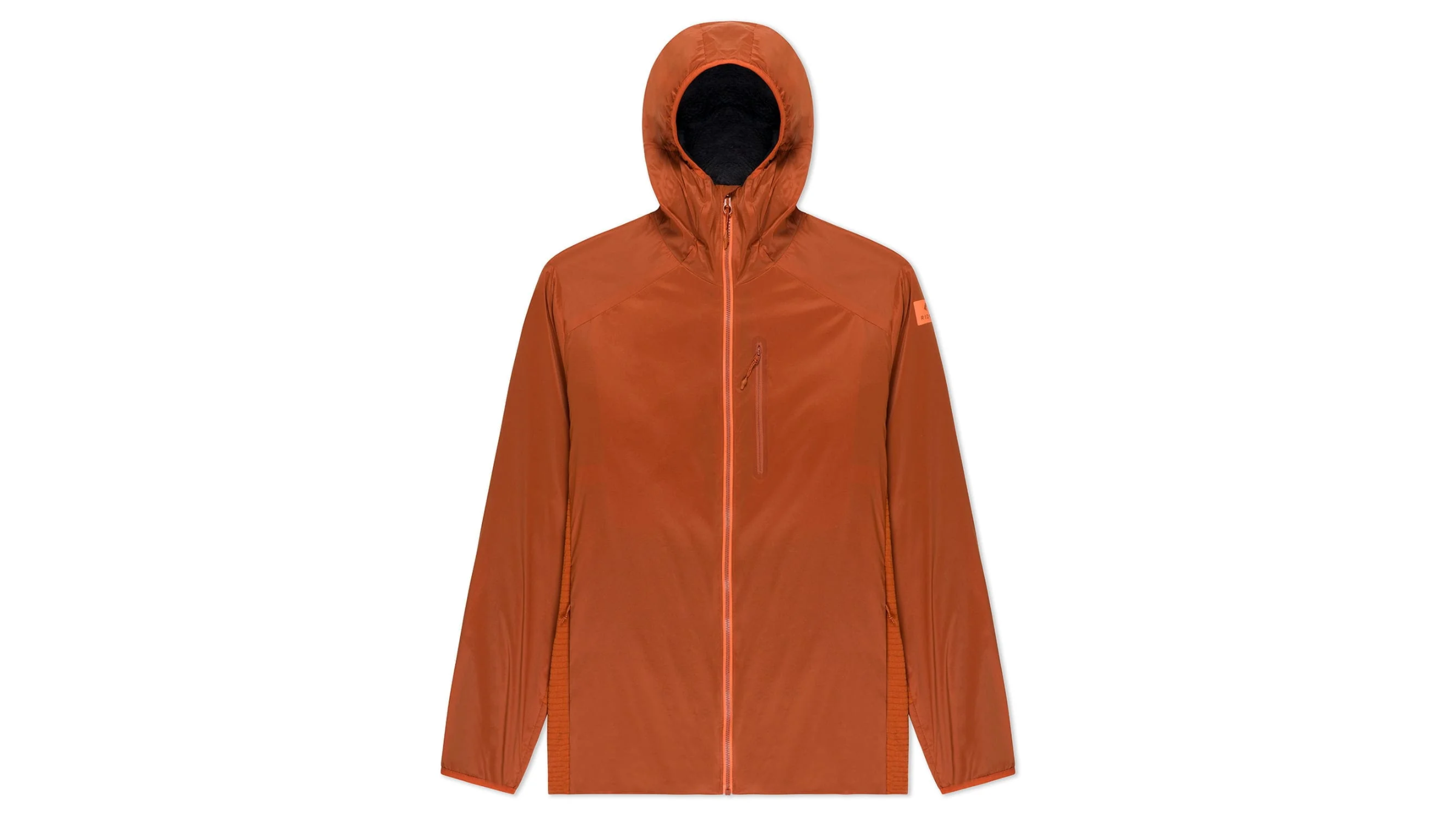
Apparel manufacturing in 2026 is heavily influenced by environmental regulations and consumer demand for eco-friendly materials. Jakob Schiller, a contributing writer based in New Mexico, evaluated the Ridge Merino Alpha Wool Insulated Jacket ($275) during a sudden transition from historic summer heatwaves to consecutive weeks of steady autumn rain and near-freezing mountain temperatures.
The jacket utilizes Polartec Alpha Direct with Wool, a technical insulation fabric designed to deliver immediate warmth upon contact while maintaining high vapor permeability. Unlike petroleum-based synthetics, the incorporation of wool reduces environmental degradation and naturally resists odor accumulation over extended periods of wear. This technological hybrid addresses a long-standing compromise in cold-weather apparel: the need to shed layers during high-output activities to prevent overheating.
In the activewear sector, Kristen Geil, gear and affiliate director, tested the Outdoor Voices Waffle Baby Tee ($58) during a backpacking expedition in northern Wisconsin. Constructed from 100 percent cotton with a structured waffle weave, the garment successfully mitigated friction under heavy backpack shoulder straps while providing rapid drying capabilities during warm-weather exertion. The product exemplifies a growing preference among consumers for technical apparel that avoids the stereotypical "dinosaur hunter" aesthetic in favor of understated, everyday style.
Mobility and Lightweight Backpacking Enhancements
Weight reduction remains the primary objective for backcountry travelers and ultralight backpackers. Benjamin Tepler, senior gear editor, focused his evaluations on the Xteink X4 Pro Pocket eReader ($99), addressing a longstanding gap in the digital reading market for lightweight, portable electronics.
Weighing just 72 grams—less than half the weight of standard consumer e-readers—the device features a 4.3-inch display and an integrated frontlight. This technical addition eliminates the necessity of utilizing auxiliary headlamps during nocturnal reading in a tent. While minor ergonomic criticisms were noted regarding the magnetic charging port, the device represents a successful niche innovation tailored specifically to weight-conscious outdoor enthusiasts.
In the youth recreation category, Jenny Wiegand and her three-year-old son tested the Early Rider Bigfoot 12 Balance Bike ($239). Designed to address the stability limitations of standard 12-inch balance bikes for smaller children, the model incorporates wider 2.25-inch knobby tires, a broader handlebar configuration, and a functional handbrake. The resulting design provides a lower center of gravity, facilitating an accelerated learning curve for off-road juvenile cycling.
Industry Implications and Market Outlook
The collective findings from the autumn 2026 gear evaluations underscore several macroeconomic trends within the outdoor recreation sector. Manufacturers are increasingly prioritizing product longevity, multi-functional utility, and sustainable material sourcing to meet the expectations of environmentally conscious consumers.
Supply chain stability has largely recovered from previous post-pandemic disruptions, allowing brands to invest more heavily in advanced material research, such as bio-synthetic insulation and specialized grip compounds. As these technologies migrate from elite alpine gear to everyday consumer products, the boundary between technical outdoor apparel and lifestyle wear continues to dissolve.
Industry experts project that demand for durable, weather-resistant shoulder-season gear will remain robust through the remainder of 2026 and into early 2027. Consumers are increasingly viewing outdoor equipment as long-term investments rather than disposable seasonal purchases, compelling manufacturers to elevate quality control standards and enhance repairability across all product categories.



 Lukman Taruna Persada Ramadan

 Tatiana Tantri Indah Sari

 Budi Mulyono